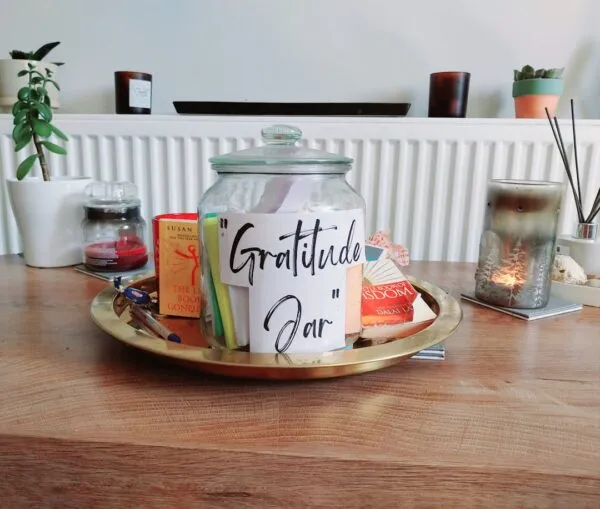
You are about to explore the subtle yet profound impact of gratitude on your internal landscape, specifically concerning the cultivation of confidence. This examination transcends superficial affirmations, delving into the neurological and psychological mechanisms through which an appreciation for the positive aspects of your existence quietly yet powerfully fortifies your self-assurance.
Gratitude is not merely a sentiment; it is a cognitive and emotional process that elicits tangible physiological responses within your brain. Recent research, particularly relevant in 2026, has illuminated the intricate ways in which a consistent gratitude routine actively reshapes your neural architecture. This rewiring is not a metaphor; it is a demonstrable change in brain function that directly contributes to an enhanced sense of self-efficacy and, consequently, confidence.
Dopamine and Serotonin: The Neurotransmitter Symphony
When you consciously engage in gratitude, whether by journaling, verbalizing appreciation, or simply reflecting on positive experiences, your brain releases a cascade of neurochemicals. Chief among these are dopamine and serotonin. Dopamine, often associated with reward and motivation, reinforces the positive experience of gratitude, encouraging you to seek out and acknowledge more such experiences. This creates a positive feedback loop, where the act of gratitude itself becomes rewarding. Serotonin, a neurotransmitter critical for mood regulation, is also elevated. The combined effect of these neurotransmitters is a tangible boost in optimism and emotional resilience. You become less susceptible to the cognitive pitfalls of rumination and negative self-talk, which are often antithetical to confidence.
Cortisol and Stress Reduction: A Calming Influence
Another significant neurobiological benefit of gratitude lies in its ability to modulate your stress response. Chronic stress, characterized by elevated levels of cortisol, can impair cognitive function, diminish emotional regulation, and erode your sense of self-worth. Studies indicate that a consistent gratitude practice actively lowers cortisol levels. This reduction in physiological stress allows your prefrontal cortex, the area of your brain responsible for executive functions like decision-making and self-control, to operate more effectively. When your brain is less consumed by the fight-or-flight response, you are better equipped to approach challenges with a calm and confident demeanor. The sustained reduction in cortisol contributes to better stress recovery, meaning you rebound more quickly from setbacks, a crucial element in maintaining consistent confidence.
Brain Rewiring for Positivity: Shifting Your Default Setting
The consistent engagement with gratitude routines, as observed in research, actively "rewires" neural pathways. Imagine your brain as a dense, complex forest. Thoughts and emotions represent paths within this forest. Negative thought patterns, if habitually traversed, create deep, easily accessible highways. Conversely, positive thoughts, especially those infused with gratitude, begin to forge new paths. With regular practice, these new positive pathways become more established, wider, and easier to navigate. This neuroplasticity means that your brain's default setting gradually shifts towards a more positive outlook. This proactive rewiring reduces the likelihood of engaging in self-deprecating thoughts and strengthens your capacity for optimism, both of which are foundational to sturdy self-confidence.
The Psychological Architecture of Self-Esteem
Confidence is not an isolated attribute; it is profoundly intertwined with self-esteem. Gratitude, through its various psychological mechanisms, acts as a fundamental building block for a robust and resilient sense of self-worth. It provides you with a more accurate and positive appraisal of your capabilities and attributes, fostering an inner strength that is not dependent on external validation.
Indirect Confidence through Self-Esteem Gains: The Athlete's Edge
Studies, including those conducted on athletes, consistently link gratitude to higher self-esteem. Consider an athlete who, rather than solely focusing on their performance deficits, consistently acknowledges their strengths, their coaches' guidance, and even the opportunities afforded by competition. This gratitude frames their experiences positively, reducing performance anxiety and fostering a greater sense of self-belief. When you habitually recognize your own efforts, talents, and the support systems around you, your self-esteem naturally improves. This elevation in self-esteem then manifests as an indirect, yet powerful, increase in confidence. You trust your own judgment more deeply, you are more willing to take calculated risks, and you approach challenges with a greater sense of competence.
Resilience and Reduced Anxiety: Weathering the Storms
A strong sense of self-esteem, nurtured by gratitude, is a cornerstone of psychological resilience. When you are grateful for the challenges you have overcome, the lessons you have learned, and the inherent strength you possess, you develop a greater capacity to bounce back from adversity. This resilience is fundamentally a form of confidence – the confidence that you can navigate difficult situations and emerge stronger. Furthermore, gratitude has been shown to reduce anxiety. When you focus on what you have, rather than what you lack or fear losing, your mind shifts away from anxious rumination. This reduction in anxiety creates mental space for clearer thinking and more assertive action, both hallmarks of confident individuals.
Promoting Flow from Survival to Creative Thinking: Stepping Beyond Baselines
Gratitude facilitates a profound shift in your cognitive orientation. When your mind is predominantly focused on concerns of scarcity, threats, or deficiencies – a "survival" mindset – your cognitive resources are largely directed towards problem-solving and risk avoidance. Conversely, a mindset imbued with gratitude encourages an appreciation for abundance, possibility, and growth. This shift, as research suggests, promotes a state of "flow" – a mental state where you are fully immersed and energized by a task. This transition from a survival-oriented perspective to a more expansive, creative mode of thinking is inherently empowering. When you are in a state of flow, confidence is not something you strive for; it is an organic byproduct of your engagement and competence. You are more likely to innovate, to adapt, and to take on new challenges with enthusiasm, knowing that you possess the inner resources to meet them.
The Mindset Shift: From Deficiency to Abundance
At its core, gratitude is a powerful catalyst for a fundamental shift in your mindset. It moves you away from a focus on what is absent or imperfect and redirects your attention towards the wealth of positive elements present in your life. This reorientation is pivotal in cultivating a quietly confident disposition.
Starting Gratitude in 2026: A Catalyst for Positive Change
The act of consciously starting a gratitude practice, particularly if it becomes a routine in 2026, marks a deliberate turning point in your cognitive habits. It signals to your brain that you are actively seeking out and valuing positivity. This intentionality is crucial. You are not passively waiting for things to feel good; you are actively engaging in practices that generate those positive feelings. This proactive approach to well-being is a powerful assertion of self-agency, which is a fundamental component of confidence. It signifies that you are taking control of your internal world, rather than being solely reactive to external circumstances.
Building Self-Appreciation: A Foundation of Self-Worth
Gratitude cultivates self-appreciation by encouraging you to acknowledge your own inherent worth and the positive contributions you make. This extends beyond material possessions or external achievements. It encompasses an appreciation for your efforts, your character, your resilience, and your kindness. When you genuinely appreciate these internal qualities, your self-worth ceases to be contingent on external validation or fluctuating circumstances. This intrinsic self-appreciation forms an unwavering foundation for confidence, allowing you to stand firm in your value, regardless of external pressures or judgments.
Reducing Depression and Fostering Optimism: Diminishing the Shadows
One of the most significant psychological benefits of gratitude is its documented ability to reduce symptoms of depression and anxiety, while simultaneously fostering optimism. Depression often warps your perception of reality, making you focus on deficits and shortcomings. Gratitude, by intentionally highlighting the positive, acts as a counterweight to this negative cognitive bias. It encourages you to see the light amidst the shadows, to identify reasons for hope and contentment. This shift towards a more optimistic outlook is a powerful antidote to self-doubt. When you are optimistic, you are more likely to believe in your capacity to succeed, to take on new challenges, and to view setbacks as temporary hurdles rather than insurmountable barriers. This steadfast optimism is a cornerstone of quiet confidence.
The Long-Term Dividends of a Grateful Disposition
The benefits of gratitude extend far beyond immediate mood boosts, influencing your well-being on a profound, long-term scale. It's a strategic investment in your overall health and longevity, illustrating the enduring power of an appreciative mindset.
Gratitude Linked to Longevity in Large Study: A Testament to Wellness
Remarkable findings, such as those from a Harvard research study on 49,000 nurses, underscore the deep physiological impact of gratitude. This extensive research revealed a direct correlation between higher gratitude scores and a 9% lower all-cause mortality rate, alongside a 15% reduced risk of cardiovascular death. These statistics are not anecdotal; they are robust empirical evidence of gratitude's ability to positively influence your physical health and extend your lifespan. When you are healthier, both physically and mentally, your capacity for confidence naturally increases. You are more energized, more resilient, and more engaged with life, all of which contribute to a powerful sense of self-assurance. This holistic enhancement of well-being fundamentally strengthens your quiet confidence.
Enhanced Social Connections: The Web of Support
Gratitude is inherently relational. When you express appreciation to others, you not only strengthen those bonds but also increase the likelihood of reciprocal positive interactions. These robust social connections form a crucial support network, providing you with a sense of belonging and validation. Knowing that you are valued and supported by others significantly reinforces your own sense of self-worth and confidence. A confident person is not one who isolates themselves but one who comfortably engages with and values their community. Gratitude acts as a social lubricant, fostering an environment where you feel understood, appreciated, and secure.
Improved Sleep Quality: Rest for a Confident Mind
Chronic sleep deprivation can severely impair cognitive function, emotional regulation, and overall well-being, all of which undermine confidence. Gratitude has been shown to improve sleep quality. By focusing on positive experiences before sleep, you reduce the likelihood of anxious thoughts and negative rumination, creating a more conducive environment for restful sleep. A well-rested mind is a sharper, more resilient, and more emotionally stable mind. When you consistently experience quality sleep, your ability to think clearly, manage stress, and approach daily challenges with a sense of calm competence is significantly enhanced, thereby bolstering your quiet confidence.
Integrating Gratitude into Your Daily Life: Practical Steps to Quiet Confidence
Cultivating gratitude is not a passive endeavor; it requires deliberate practice and integration into your daily routine. By consciously embedding gratitude into your life, you are actively laying the groundwork for a more robust and enduring sense of confidence.
Gratitude Journaling: A Personal Inventory of Positivity
One of the most effective and widely practiced methods for cultivating gratitude is journaling. Dedicate a few minutes each day, perhaps in the morning or before bed, to write down specific things you are grateful for. Be as detailed as possible. Instead of simply writing "I'm grateful for my job," elaborate: "I'm grateful for my job because it provides me with interesting problems to solve and allows me to collaborate with talented colleagues." This specificity deepens the emotional impact and reinforces the positive neural pathways in your brain. Over time, reviewing your gratitude journal can serve as a powerful reminder of the abundance in your life, providing a tangible counterpoint to moments of self-doubt.
Mindful Appreciation: The Art of Noticing
Beyond formalized journaling, practicing mindful appreciation involves consciously noticing and savoring positive moments as they occur throughout your day. This could be the warmth of your morning coffee, a clear sky, an encouraging word from a colleague, or the satisfaction of completing a task. The key is to pause, acknowledge, and truly feel the moment of gratitude. This practice trains your brain to actively seek out and register positive experiences, gradually shifting your cognitive bias towards optimism and contentment. This continuous reinforcement of positive perceptions quietly yet consistently strengthens your sense of well-being and self-assurance.
Expressing Gratitude: The Interpersonal Power of Thanks
Actively expressing gratitude to others is a potent way to amplify its benefits. This can be through verbal affirmations, handwritten notes, or even thoughtful gestures. When you sincerely thank someone, you not only uplift them but also reinforce your own sense of connection and value. This interpersonal gratitude strengthens your social fabric, fostering a sense of belonging and mutual respect. Knowing that you are capable of bringing joy and appreciation to others, and that you are part of a supportive community, significantly bolsters your confidence. It reaffirms your capacity for positive interaction and your inherent worth as an individual.
In conclusion, the cultivation of gratitude is far more than a transient positive emotion; it is a profound and sustained practice that quietly yet powerfully shapes your neurobiology, your psychological health, and your overall well-being. By consistently engaging in practices of appreciation, you are not merely feeling better in the moment; you are actively rewiring your brain, building robust self-esteem, enhancing your resilience, and fostering a deep, unwavering confidence that endures through life's inevitable challenges. This is not a confidence that demands attention, but one that radiates from within, a quiet strength cultivated through intentional gratitude.
FAQs
What is the connection between gratitude and confidence?
Gratitude helps build confidence by shifting focus from self-doubt to appreciation of one's strengths and achievements. Recognizing positive aspects in life fosters a more optimistic self-view, which quietly enhances self-assurance.
How does practicing gratitude influence mental health?
Regularly practicing gratitude can reduce stress and anxiety, improve mood, and promote emotional resilience. These mental health benefits contribute to a stronger, more confident mindset over time.
Can gratitude improve social relationships and thereby boost confidence?
Yes, expressing gratitude strengthens social bonds and increases feelings of support and belonging. Positive social interactions reinforce self-worth and confidence in interpersonal settings.
What are simple ways to incorporate gratitude into daily life?
Simple methods include keeping a gratitude journal, verbally expressing thanks to others, reflecting on positive experiences, and mindful appreciation of small daily moments. These practices help cultivate a consistent gratitude habit.
Is the confidence gained from gratitude immediate or gradual?
The confidence built through gratitude is generally gradual. Consistent practice over time leads to subtle but lasting improvements in self-esteem and overall confidence.