You are the architect of your own experience, and within this framework, you can meticulously construct a legacy of gratitude that transcends mere fleeting emotion. This legacy is not a monument of stone erected for others to admire but a living, breathing ecosystem you cultivate, one whose seeds you plant today and whose fruits will nourish generations to come. It is about embedding practices into your life so deeply that they become as fundamental as breathing, creating ripples that extend far beyond your immediate presence. Building this legacy involves a conscious and deliberate approach to acknowledging the positive, both grand and subtle, and translating that acknowledgment into actionable patterns of thought and behavior.
Your journey to building a lasting legacy of gratitude begins with acknowledging the fertile ground already present within you. This is about understanding that gratitude is not a scarce resource to be hoarded but an abundant wellspring to be tapped. Before you can envision what you wish to pass down, you must first establish a robust personal practice. This requires a commitment to self-awareness and a willingness to engage with your present reality, recognizing the inherent value in what you already possess and experience. Think of this stage as preparing the soil before you can sow seeds. You must clear away debris, tend to the existing nutrients, and ensure the environment is conducive to growth.
Understanding Current Abundances
Before embarking on future aspirations, a crucial first step is to identify and appreciate your current reserves. Woven Capital advocates for this gratitude-based planning, emphasizing that by starting with what you have rather than what you lack, you actively counteract a scarcity mindset that can sabotage future endeavors.[5] This isn't about superficial contentment but a rigorous inventory of your assets, which extend far beyond the purely financial. Consider your relationships, your health, your skills, the opportunities you've been afforded, and even the lessons learned from past challenges. Each of these represents a form of abundance.
Identifying Tangible Assets
Take stock of your material possessions, financial security, and any other tangible resources that contribute to your well-being. This might include your home, your savings, your investments, or any tools and comforts you rely on.
Recognizing Intangible Wealth
Beyond the physical, catalog the intangible resources that enrich your life. This encompasses your intellectual capital, your emotional resilience, your spiritual beliefs, your creative talents, and the supportive network of people surrounding you.
The Role of Present Moment Awareness
To truly appreciate your current abundances, you must cultivate a heightened sense of presence. Mike Salemi's approach highlights the importance of slowing down, engaging in breathing practices, and fostering a state of mindfulness amidst the accelerating pace of modern life.[6] This enforced stillness allows you to fully inhabit your present experience, preventing the moment from becoming a mere stepping stone to the next without genuine appreciation. It's akin to pausing to truly taste your food rather than merely consuming it.
Embracing Sensory Experiences
Actively engage your senses. Notice the feel of the sun on your skin, the sound of birdsong, the scent of rain, or the taste of a familiar meal. These simple sensory inputs are often overlooked avenues of appreciation.
Mindful Observation of Daily Events
Dedicate time to simply observe the unfolding of your day without judgment or immediate reaction. This practice of mindful observation allows you to identify small moments of grace, unexpected kindnesses, or simply the smooth functioning of routine that often goes unnoticed.
Sowing the Seeds: Establishing Your Gratitude Routines
Once you have established a solid understanding of your present state, the next phase involves actively cultivating gratitude through consistent practices. This is where you begin to "sow the seeds" of your legacy, embedding them into the fabric of your daily existence. Dianne Glavas promotes the concept of "acting 'as if'" and utilizing future-self scripting, where you articulate your goals as if they have already been achieved to foster motivation.[1] This forward-looking perspective, coupled with present-moment cultivation, forms a powerful synergy.
The Power of Daily Rituals
Consistency is the bedrock of habit formation. Judy Wilkins-Smith suggests incorporating daily steps such as feeling gateway emotions, acknowledging specific events or individuals for which you are grateful, and actively seeking the positive aspects of challenging situations.[3] These small, reproducible actions, when performed consistently, begin to rewire your brain's default settings towards positivity.
Gateway Emotions and Positive Anchors
Identify emotions that serve as gateways to gratitude. This could be a feeling of peace after a calming activity, a surge of joy from connecting with a loved one, or a sense of accomplishment after completing a task. Consciously link these emotions to specific events or people, creating positive anchors.
Finding Gifts in Difficulties
A more advanced practice involves reframing challenges. Instead of solely focusing on the negative impact of a difficulty, actively seek the lessons learned, the resilience discovered, or the unexpected compassion that may have emerged. This is not about minimizing hardship but about extracting value from it.
Journaling as a Gratitude Multiplier
Journaling is a widely recognized tool for solidifying gratitude. End-of-day reflections, focusing on two to three positive aspects of your day, can significantly improve sleep quality by shifting your mental focus away from anxieties and towards appreciation.[3] This practice serves as a personal archive of your positive experiences.
Future-Self Scripting for Motivation
As promoted by Dianne Glavas, writing about your goals as if they are already accomplished can be a powerful motivational tool.[1] This future-oriented journaling shifts your perspective from what you need to do to what you have achieved, fostering a sense of present accomplishment and encouraging continued action.
Decluttering for Positive Energy
Beyond the mental, consider the physical environment. Feng Shui principles suggest decluttering workspaces to foster positive energy.[1] A clean and organized environment can reduce mental clutter and create a more conducive atmosphere for practicing gratitude.
Visualizing Your Future of Gratitude
The act of visualization plays a significant role in shaping your future trajectory. A common practice involves envisioning yourself experiencing gratitude, perhaps in the context of achieving your goals or sharing positive moments with loved ones. This mental rehearsal primes your mind for positive outcomes.
Rewiring Your Brain for Positivity
The six practices shared in the YouTube video, including journaling, walks, visualization, spotting kindness, and using gratitude anchors, are designed to actively "rewire the brain" for increased positivity.[4] This neural recalibration is essential for making gratitude a more natural and less effortful state.
Gratitude Walks
Incorporate short walks into your routine where your specific intention is to notice things you are grateful for in your surroundings. This could be the architecture of a building, the vibrant colors of nature, or the simple act of people going about their day.
Branching Out: Expanding Your Gratitude Influence
Once your personal foundation is strong, the next logical step is to extend the influence of your gratitude practices outward. This involves intentionally bringing others into your sphere of appreciation and demonstrating its value through your actions and words. This is akin to your cultivated garden beginning to bear fruit, attracting pollinators and providing sustenance beyond your immediate needs.
Building Accountability Networks
The concept of accountability partners is central to sustained progress. MG Research highlights that having an accountability partner can boost success rates in goal achievement by an impressive 65%.[2] By sharing your gratitude intentions and practices with trusted individuals, you create a supportive structure that encourages adherence and provides encouragement.
Collaborative Gratitude Practices
Engage in gratitude practices with friends, family, or colleagues. This could involve starting meetings with a brief "gratitude round," sharing a weekly gratitude highlight, or participating in gratitude challenges together.
Mutual Encouragement and Support
Your accountability partners can offer encouragement during moments of doubt and celebrate your successes alongside you. This shared journey makes the practice of gratitude more robust and enjoyable.
Involving Family in Gratitude Traditions
For a legacy that truly carries forward, familial involvement is paramount. Mike Salemi's emphasis on family reflections underscores the importance of integrating gratitude into the core of family life.[6] This creates a shared understanding and practice that can be passed down through generations.
Family Journaling Sessions
Create a dedicated time for family members to share what they are grateful for. This can be a relaxed evening ritual, perhaps around the dinner table, where each person contributes their thoughts.
Creating Shared Gratitude Experiences
Plan activities that are inherently designed to foster gratitude, such as volunteering together, expressing appreciation for community members, or simply spending quality time in nature and acknowledging its beauty.
Financial Gratitude for Future Security
Applying principles of gratitude to financial planning can shift your mindset from one of lack to one of abundance, which is crucial for proactive planning. Woven Capital suggests starting with your current abundances to avoid a scarcity mindset and breaking down large financial goals into actionable steps, such as setting up auto-transfers for emergency funds.[5] This approach ensures that your financial future is built on a foundation of appreciation, not anxiety.
Abundance-Based Budgeting
Instead of focusing on what you can't afford, begin by acknowledging your current financial resources and how they already support your needs and desires. This perspective can unlock creative solutions and inspire generosity.
Setting Financial Goals with Appreciation
When setting financial goals, frame them in terms of what you will be able to provide or experience with that financial security, rather than solely focusing on the absence of financial constraints. This positive framing can increase motivation.
Sustaining the Growth: Nurturing Your Gratitude Legacy
A legacy is not a one-time construction project but a continuous process of nurturing and evolution. Your gratitude practices, like a thriving garden, require ongoing attention to ensure they remain vibrant and impactful. This involves adapting to new challenges, continually seeking deeper understanding, and ensuring the legacy you build is resilient.
Adapting to Setbacks and Challenges
Setbacks are an inevitable part of life. MG Research's framework includes setback planning, noting that this can lead to 200% better adherence to goals.[2] This means proactively considering potential obstacles to your gratitude practices and developing strategies for overcoming them.
Reframing Difficulties as Learning Opportunities
When faced with disappointment, resist the urge to abandon your gratitude practices. Instead, view these moments as opportunities to deepen your understanding of resilience and to find gratitude for the lessons learned, however difficult.
Utilizing Gratitude as a Coping Mechanism
During times of significant stress or hardship, your established gratitude practices can serve as an invaluable coping mechanism. They can anchor you to what remains positive and offer a sense of perspective.
Continuous Learning and Personal Growth
The pursuit of gratitude is a lifelong journey of learning. Jim Carroll lists "Gratitude" as the paramount among ten key words for 2026, alongside respect, serenity, and hope, emphasizing its role in personal growth.[7] This suggests a recognition of gratitude as a fundamental driver of positive development.
Exploring Diverse Gratitude Modalities
Continuously seek out new ways to express and experience gratitude. This could involve reading books on the topic, attending workshops, or engaging with different philosophical perspectives on appreciation.
Reflecting on the "Why"
Periodically revisit the underlying reasons for your commitment to gratitude. Understanding your motivations can strengthen your resolve and deepen your appreciation for the practice.
Embracing the Pace of Life
The world will continue to accelerate, and your ability to maintain your gratitude legacy will depend on your capacity to find stillness within the movement. Mike Salemi's emphasis on "slowing down" is a crucial reminder.[6] This doesn't mean reverting to a pre-industrial pace of life but actively carving out moments of calm and intentionality.
Practicing Mindfulness in Motion
Integrate moments of mindful awareness into your daily activities, even when you are on the go. This could be consciously appreciating the efficiency of public transportation or acknowledging the efforts of those who maintain public spaces.
Creating Sanctuary Spaces
Designate physical or mental "sanctuary spaces" where you can retreat to practice gratitude and reconnect with your inner sense of peace, regardless of external pressures.
The Enduring Harvest: Your Legacy Carried Forward
Your legacy of gratitude is not a final destination but a continuously unfolding narrative. The practices you establish today are the inheritance you bequeath. It is the embodiment of thankfulness that becomes woven into the tapestry of your family’s interactions, the ethical framework of your professional endeavors, and the quiet resilience you demonstrate in the face of life's inevitable storms. This is the enduring harvest – a testament to the power of conscious appreciation, cultivated not just for your own well-being, but for the flourishing of those who will follow in your footsteps.
Communicating Your Gratitude Philosophy
The act of sharing your journey and the principles that guide you is a vital part of building a legacy. This is not about boasting but about illuminating a path for others to potentially follow.
Sharing Personal Anecdotes
Illustrate the impact of gratitude in your own life with genuine, relatable stories. These anecdotes serve as powerful testimonials to its efficacy.
Encouraging Others to Explore Gratitude
Actively invite others to engage with gratitude practices. Offer resources, share insights, and create an open and encouraging environment for them to begin their own journey.
The Ripple Effect of Gratitude
Your individual commitment to gratitude creates a ripple effect that extends outward in ways you may not always fully perceive. These ripples can influence your immediate circle, your wider community, and even future generations by shaping the prevailing attitudes and values.
Inspiring Future Generations
By consistently demonstrating gratitude, you provide a powerful example for children and grandchildren, equipping them with a valuable life skill that can enhance their own well-being and relationships.
Shaping Collective Consciousness
The more individuals who cultivate gratitude, the more the collective consciousness of a community or even a society can shift towards a more positive and appreciative outlook, fostering greater empathy and cooperation.
The Living Legacy
Ultimately, your legacy of gratitude is not a static entity but a dynamic force. It is the love, appreciation, and positive worldview that you actively cultivate and then, through your actions and teachings, imbue into the lives of others. This living legacy ensures that your impact resonates long after your physical presence has faded, a constant source of strength and positivity for those who remember and continue to build upon the foundation you so thoughtfully laid. It is the quiet hum of thankfulness that echoes through the generations, a testament to a life lived with open eyes and a grateful heart.
FAQs
What does it mean to build a legacy of gratitude?
Building a legacy of gratitude involves consistently expressing thankfulness and appreciation in ways that positively influence future generations. It means creating habits, values, and traditions centered around recognizing and valuing kindness, support, and opportunities.
Why is gratitude important for future generations?
Gratitude fosters emotional well-being, strengthens relationships, and promotes a positive outlook on life. When passed down, it helps future generations develop resilience, empathy, and a sense of community, contributing to their overall happiness and success.
How can families cultivate gratitude as a legacy?
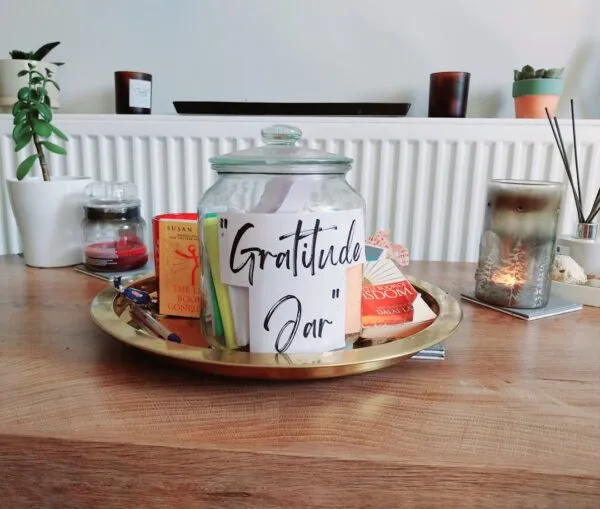
Families can cultivate gratitude by regularly sharing what they are thankful for, practicing acts of kindness together, creating rituals like gratitude journals or family gratitude discussions, and modeling appreciative behavior in daily life.
Can gratitude impact personal and professional success?
Yes, practicing gratitude has been linked to improved mental health, better stress management, and stronger interpersonal relationships, all of which can enhance both personal fulfillment and professional achievements.
What are some practical ways to teach gratitude to children?
Practical ways include encouraging children to say thank you, involving them in volunteer work, helping them recognize and appreciate small acts of kindness, and setting examples by expressing gratitude openly in everyday situations.