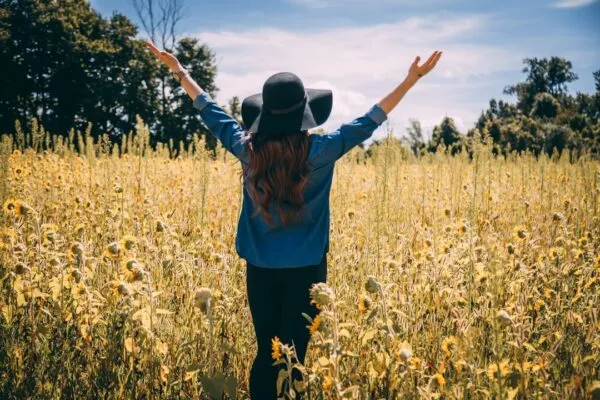
We are exploring how to cultivate a more thankful existence through intentional practices within our homes. This exploration is not about fleeting feelings, but about the deliberate construction of habits that, over time, help us to recognize and appreciate the abundant elements in our lives. We will examine various home rituals that can serve as anchors for a gratitude practice, turning ordinary moments into opportunities for reflection and appreciation. Our aim is to understand how embedding these practices into our daily routines can lead to a more stable and profound sense of contentment.
Gratitude, as a psychological construct, is more than just saying "thank you." It represents a positive emotion associated with acknowledging the good in one's life and recognizing that the sources of this good often lie partly or wholly outside of ourselves. Research in psychology and neuroscience has indicated a strong correlation between regular gratitude practices and improved mental and physical health outcomes. For instance, studies have shown that individuals who consistently practice gratitude report lower levels of stress, depression, and anxiety, alongside increased levels of happiness and life satisfaction. This is not to suggest that gratitude is a panacea for all difficulties, but rather a resilience-building mechanism.
The Psychological Landscape of Thankfulness
We understand that gratitude can be conceptualized as a cognitive appraisal, a conscious recognition of benefits received, and an affective experience, a warm feeling of appreciation. Its development is influenced by various factors, including personality traits, cultural norms, and personal experiences. For some, the inclination towards gratitude may be innate, while for others, it may be a learned behavior cultivated through conscious effort. The act of noticing and acknowledging the positive aspects of our lives can reframe our perspective, shifting our focus from scarcity to abundance. This shift in perception can be particularly impactful when we are facing challenges, allowing us to find glimmers of hope and support even in difficult circumstances.
Gratitude as a Skill: Cultivation and Development
Much like any other skill, gratitude can be developed and strengthened through consistent practice. It is not a static trait but a dynamic capacity that can be honed over time. This means that even if we do not naturally feel a strong sense of gratitude, we can actively work towards cultivating it. The intentional implementation of gratitude practices is key to this development. These practices, when embedded in our daily lives, act as reps in a mental gym, strengthening our gratitude "muscles." The more we engage in these exercises, the more natural and ingrained the feeling of thankfulness becomes. This process, however, requires patience and persistence, as the outcomes are often accumulative rather than immediate.
Incorporating gratitude rituals at home can significantly enhance our overall well-being and foster a positive environment. One interesting article that explores the intersection of style and gratitude is titled "The Brown Winter Coat is the New Style Staple." This piece not only highlights fashion trends but also emphasizes how our choices in clothing can reflect our appreciation for comfort and self-expression. To read more about this unique perspective, visit the article here: The Brown Winter Coat is the New Style Staple.
Weaving Gratitude into the Fabric of Daily Life: Morning Rituals
The dawn of a new day presents a salient opportunity to initiate a gratitude practice. By aligning our mornings with intentional acts of thankfulness, we set a positive tone for the hours ahead. This is not about demanding an immediate influx of joyous emotions, but about establishing a consistent rhythm that gently guides our awareness towards the good. These morning rituals can be as simple or as elaborate as our individual circumstances allow, acting as personal compasses directing us towards a more appreciative outlook.
The Dawn of Awareness: The Gratitude Journal
One of the most accessible and widely recommended home rituals for cultivating gratitude is the keeping of a gratitude journal. This practice involves dedicating a few minutes each morning, or at a consistently chosen time, to writing down a predetermined number of things for which we are thankful. The specificity of this practice is important; vague entries like "I am thankful for everything" are less impactful than concrete observations such as "I am thankful for the warm cup of coffee that greeted me this morning" or "I am thankful for the quiet moments of peace before the day's demands began." The act of writing itself serves to solidify these thoughts, moving them from ephemeral wisps of consciousness to tangible records of our appreciation. This consistent documentation allows us to see the recurring themes of good in our lives, reinforcing the idea that blessings, both big and small, are present.
A Moment of Stillness: Mindful Mornings
Beyond journaling, incorporating a period of mindful stillness into our mornings can further enhance our gratitude practice. This might involve a few minutes of quiet meditation, focusing on our breath and gently bringing our attention to the present moment. During this stillness, we can consciously reflect on aspects of our lives that bring us comfort, security, or joy. This could include acknowledging the roof over our heads, the food on our table, the health of our bodies, or the support of loved ones. The absence of external distractions during this time allows for a deeper connection with our inner experience, making it easier to identify and appreciate the foundational elements of our existence. This mindful pause acts as a buffer against the rush of the day, allowing us to savor the present and acknowledge its inherent value.
Connecting with Purpose: Morning Affirmations
Another proactive approach to morning gratitude lies in the use of affirmations. These are positive statements that we repeat to ourselves, designed to reinforce our awareness of and belief in the good. Affirmations related to gratitude might include phrases like, "I am grateful for the opportunities that unfold before me today," "My heart is open to receiving and giving thanks," or "I recognize and appreciate the abundance in my life." The repetition of these statements, especially when spoken aloud or written down during our morning rituals, can help to rewire our thought patterns, gradually shifting our default perspective towards one of appreciation. We are essentially programming our minds to actively seek out and acknowledge the positive.
Nourishing Gratitude: Midday and Evening Practices
The ebb and flow of our days offer numerous opportunities to sustain and deepen our gratitude practice. By weaving mindful moments of appreciation into our midday routines and the winding down of our evenings, we prevent gratitude from becoming a singular, isolated event and instead transform it into an integrated aspect of our lived experience. These practices act like irrigation, ensuring that the seeds of thankfulness we planted in the morning continue to grow and flourish throughout the day.
A Respite for Reflection: Midday Check-ins
During the often-hectic midday period, a brief pause for reflection can be a powerful tool for maintaining our gratitude practice. This does not require an extended break, but rather a deliberate few moments to consciously acknowledge something positive that has occurred or is present. This could be as simple as appreciating a moment of quiet, a helpful interaction with a colleague, or the satisfaction derived from a completed task. The act of pausing to notice these moments, however small, reinforces the habit of looking for the good. This intentional check-in acts as a gentle course correction when the demands of the day might otherwise pull our focus towards challenges or frustrations.
The Gentle Unwinding: Evening Gratitude Review
As the day draws to a close, our evening routines provide a natural setting for a more comprehensive review of our gratitude. This can be an extension of the morning journaling practice, where we dedicate time to reflecting on the events of the day and identifying things for which we are thankful. This review can encompass both personal accomplishments and external occurrences. It's also an opportunity to express gratitude for the support and presence of loved ones, or for the simple comforts of home. The act of reviewing the day through a lens of gratitude can transform potential worries or anxieties associated with the day's end into a peaceful acknowledgment of what has been, and what continues to be. This retrospective practice helps us to close the day on a note of appreciation, setting a more positive foundation for rest and the anticipation of a new day.
A Shared Endeavor: Family Gratitude Circles
For those living with family, incorporating gratitude into shared evening rituals can create a powerful collective practice. This might involve a brief "gratitude circle" before dinner or bedtime, where each family member shares one thing they are thankful for. This fosters an environment where gratitude is openly expressed and acknowledged, teaching younger members the value of appreciation through participation. The shared experience of gratitude can strengthen bonds within the family and create a positive feedback loop, where witnessing the thankfulness of others inspires our own. It transforms gratitude from an individual pursuit into a shared communal joy, like a hearth fire warming everyone present.
Expanding the Circle: Gratitude Beyond the Self
Our home rituals for gratitude need not be confined solely to our personal experiences. By extending our sense of thankfulness outward, we can cultivate a more profound and interconnected appreciation for the world around us. This expansion of focus helps to root our gratitude in a broader awareness of our place within a larger system.
Appreciating Our Surroundings: The Home Environment
The physical spaces we inhabit play a significant role in our overall well-being. Consciously appreciating elements of our home environment can be a potent gratitude ritual. This might involve taking a moment to notice the comfort of our bed, the efficiency of our kitchen appliances, the beauty of a piece of art on our wall, or the simple pleasure of a well-kept garden. These are not merely functional objects or aesthetic features; they are tangible manifestations of resources and efforts that contribute to our daily comfort and quality of life. By acknowledging these aspects, we move beyond taking them for granted and instead recognize them as invaluable contributors to our lives. This is akin to a painter taking a moment to appreciate the quality of their brushes and the pigment of their paints, recognizing that even the tools of creation are worthy of thanks.
The Gifts of Others: Recognizing Support Systems
Gratitude often stems from an awareness of the contributions of others. Our home life is typically enriched by the presence and efforts of family members, friends, and even those who provide essential services. Making a conscious effort to acknowledge and express gratitude for the people in our lives is a vital part of a holistic gratitude practice. This could involve verbal expressions of thanks, written notes, or small gestures of appreciation. It is about recognizing that we are not isolated entities, but are interconnected and supported by a network of individuals. This recognition strengthens our social bonds and fosters a sense of reciprocal goodwill.
A Wider Lens: Gratitude for the Commons
Our appreciation can extend beyond our immediate personal circle to encompass the broader societal and environmental contributions that enhance our lives. This might involve a moment of gratitude for the clean water that flows from our taps, the electricity that powers our homes, the infrastructure that allows us to travel, or the natural world that sustains us. These are often unseen or overlooked benefits that are crucial for our daily existence. By consciously acknowledging these "commons," we develop a deeper appreciation for the complex systems and the collective efforts that make our lives possible. This perspective fosters a sense of responsibility and interconnectedness with the wider world.
Incorporating gratitude rituals at home can significantly enhance your overall well-being and productivity. By taking a few moments each day to reflect on what you are thankful for, you can create a positive atmosphere that fosters motivation and creativity. For those looking to explore this concept further, a related article discusses the benefits of gratitude in the context of remote work, providing valuable insights on how to maintain a positive mindset while working from home. You can read more about it in this ultimate guide.
Sustaining the Practice: Overcoming Obstacles and Embracing Consistency
Cultivating a consistent gratitude practice is not always a smooth journey. Like tending to a garden, it requires ongoing attention, adaptation, and the willingness to address challenges. By anticipating potential obstacles and developing strategies to overcome them, we can ensure that our commitment to thankfulness remains vibrant and enduring.
The Invisibility of the Routine: Combating Habituation
One of the primary challenges to a sustained gratitude practice is habituation. As routines become familiar, their impact can diminish, and we may begin to take them for granted, ironically undermining the very practice we are trying to establish. To combat this, we can periodically introduce variations into our rituals. For example, if we journal daily, we might change the timing of our entries, focus on different categories of gratitude each week (e.g., personal strengths, nature, community), or try different methods of recording (e.g., drawing, voice memos). The goal is to keep the practice fresh and engaging, preventing it from becoming a rote exercise. This is akin to a musician changing the tempo or ornamentation of a piece to keep its essence alive.
Weathering the Storms: Gratitude in Difficult Times
There will undoubtedly be periods when life presents significant challenges, making it difficult to access feelings of gratitude. It is precisely during these times, however, that a gratitude practice can be most beneficial. Rather than abandoning the practice, we can adapt it. This might involve focusing on smaller, more fundamental things – the breath in our lungs, a moment of physical comfort, the support of a single friend. It could also involve finding gratitude for lessons learned, for resilience discovered, or for the simple fact of enduring. Acknowledging the difficult while still seeking out sources of appreciation does not negate the struggle, but it does provide a counterweight, a source of strength and perspective amidst adversity.
The Power of Persistence: Embracing Imperfection
The pursuit of a perfect gratitude practice is a futile endeavor. There will be days when we forget to journal, when our minds wander during meditation, or when we struggle to identify anything for which to be thankful. These moments are not failures, but are simply part of the human experience. The key is not perfection, but persistence. We are not aiming for a constant state of ecstatic thankfulness, but for the consistent effort to cultivate a more appreciative outlook. Embracing imperfection means forgiving ourselves for lapses and recommitting to the practice with renewed intention. Each day offers a new starting point, a fresh opportunity to engage with thankfulness.
The Harvest of a Thankful Life: Long-Term Benefits and Integration
The consistent implementation of home rituals for gratitude is not merely about experiencing fleeting moments of appreciation. It is about cultivating a way of being, a lens through which we view the world, that yields profound and lasting benefits. Like tending to a plant with care, the ongoing effort culminates in a rich and fulfilling harvest. This integration of gratitude into our lives transforms our overall well-being and our interaction with the world.
Enhanced Emotional Resilience: A Shield Against Adversity
One of the most significant long-term benefits of a consistent gratitude practice is the development of enhanced emotional resilience. When we regularly acknowledge the good in our lives, we build a reservoir of positive experiences and perspectives. This allows us to better navigate life's inevitable challenges. Instead of being overwhelmed by negative events, we are more likely to see them as temporary setbacks, drawing strength from our established capacity for appreciation. Gratitude acts as a buffer, absorbing some of the shock of adversity and allowing us to recover more quickly. It is the steady hand that steadies the ship in stormy seas.
Improved Relationships: The Fertilizer of Connection
Gratitude is a potent force in strengthening interpersonal relationships. When we express appreciation to others, we signal that their actions and presence are valued. This fosters a sense of connection, trust, and mutual respect. In our homes, for example, expressing gratitude for the efforts of family members can improve household harmony and create a more supportive environment. In a broader sense, a generally thankful disposition can make us more approachable, likable, and desirable companions, as people are drawn to those who acknowledge and appreciate them. Gratitude is the fertile ground upon which strong and lasting relationships grow.
A Holistic Well-being: The Flourishing Garden
Ultimately, the integration of gratitude into our home rituals leads to a more holistic sense of well-being. It is not simply about feeling happier, but about experiencing a deeper sense of contentment, purpose, and connection. This can manifest in improved physical health, increased energy levels, and a greater sense of optimism about the future. When we live with a thankful heart, our entire existence becomes a more vibrant and flourishing garden, tended with care and yielding a rich harvest of life's blessings. This is the culmination of our efforts, the realization of a life lived with conscious appreciation.
FAQs
What are gratitude rituals at home?
Gratitude rituals at home are regular practices or activities that family members engage in to express thankfulness and appreciation for each other and their lives. These rituals can include sharing what they are grateful for, keeping gratitude journals, or performing acts of kindness.
Why are gratitude rituals important in a household?
Gratitude rituals help foster a positive atmosphere, strengthen family bonds, improve emotional well-being, and encourage mindfulness. They can reduce stress and increase overall happiness among family members.
How can families start a gratitude ritual at home?
Families can start by setting aside a specific time each day or week to share things they are thankful for, such as during meals or before bedtime. They can also create a gratitude jar where everyone writes notes of appreciation or keep a shared gratitude journal.
What are some simple gratitude rituals suitable for children?
Simple rituals for children include saying one thing they are grateful for each day, drawing pictures of things they appreciate, or participating in family gratitude discussions. These activities help children develop a habit of recognizing positive aspects of their lives.
Can gratitude rituals at home improve mental health?
Yes, practicing gratitude regularly has been shown to improve mental health by reducing symptoms of depression and anxiety, increasing feelings of happiness, and promoting a more optimistic outlook on life. Gratitude rituals create a supportive environment that nurtures emotional resilience.