We strive to cultivate a life characterized by well-being and contentment. One of the most potent, yet often overlooked, tools at our disposal is the systematic practice of gratitude. This is not merely an ephemeral feeling; it is a discipline that, when consistently applied, can fundamentally alter our psychological landscape and improve our overall quality of life. We will explore various facets of daily gratitude, drawing upon established research and practical recommendations, to illustrate how we can integrate this transformative practice into our everyday existence.
Before delving into specific tips, it is crucial to understand the underlying principles that govern effective gratitude practice. Gratitude is more than simply saying "thank you"; it is a recognition of the positive aspects of our experiences, both large and small.
Defining Gratitude as a Practice
We perceive gratitude as a deliberate act, a conscious decision to acknowledge and appreciate the beneficial elements of our lives. It stands in contrast to a default state of focusing on deficiencies or challenges. Judy Wilkins-Smith, in her 2026 guide, underscores this proactive approach, suggesting we "start the day grateful before getting out of bed." This initial mental calibration sets a positive trajectory for the hours that follow, much like a compass setting a course for a ship before it embarks.
The Brain's Capacity for Rewiring
The American Brain Foundation highlights a significant neurological aspect of gratitude: its capacity to "rewire the brain for positivity, stress reduction, and mental well-being." This is not a metaphor; consistent engagement in grateful thought patterns strengthens neural pathways associated with positive emotions and resilience. Our brains are not immutable, and we hold the power to shape their architecture through repeated actions, including the act of being grateful.
Incorporating daily gratitude practices into your routine can significantly enhance your overall well-being and productivity. For those working from home, maintaining a positive mindset is crucial, and a related article that offers valuable insights is "The Ultimate Guide to Working from Home." This resource provides practical tips on how to create a conducive work environment while integrating gratitude into your daily life. You can read the article here: The Ultimate Guide to Working from Home.
Integrating Gratitude into Our Morning Routine
The beginning of our day presents a prime opportunity to establish a foundation of thankfulness. The quality of our morning significantly influences the tenor of the subsequent hours.
Conscious Awakening
We advocate for an intentional start to the day. Wilkins-Smith's advice to "start the day grateful before getting out of bed" serves as a powerful initial step. Instead of immediately engaging with external pressures or anxieties, we can take a few moments to identify specific things we are grateful for. This could be the comfort of our bed, the prospect of a warm beverage, or the simple fact of a new day. This practice acts as a mental anchor, grounding us in appreciation before the day's demands begin to pull us in various directions.
Mindful Preparation
As we prepare for the day, whether through personal hygiene or meal preparation, we can continue to cultivate gratitude. Samsidh's simple practices encourage us to appreciate "family/facilities" and "thank for meals." This extends to the mundane: the availability of clean water, the functionality of our appliances, the nutritional value of our breakfast. These are not trivial considerations; they represent conveniences and provisions that are often taken for granted in our daily rhythm.
Finding Gratitude Amidst Adversity
Life is replete with challenges. It is during these periods of difficulty that the practice of gratitude can be most transformative, serving as a beacon in the metaphorical storm.
The "Gifts in Difficult Situations" Paradigm
Wilkins-Smith's instruction to "find gifts in difficult situations" encourages us to reframe our perception of adversity. This does not imply a naive dismissal of pain or hardship, but rather a search for lessons, growth, or unexpected opportunities that may arise from challenging circumstances. A setback, for instance, might reveal inner strength we were unaware of, or lead us to a better path we would not have otherwise considered. This approach helps us to convert stumbling blocks into stepping stones.
Building Emotional Resilience
The Times of India outlines four key benefits of daily gratitude mindfulness, including "emotional resilience." By actively seeking the positive, even in trying times, we develop a greater capacity to withstand emotional shocks. Our ability to rebound from stress and adversity is directly linked to our emotional reserves, and gratitude acts as a consistent deposit into this account. We become less susceptible to being swept away by negative emotions when we have a consistent inner reservoir of appreciation to draw upon.
The Role of Relationships in Gratitude
Our interactions with others form a significant part of our daily experience. Cultivating gratitude in our relationships enhances their quality and fosters a sense of connection.
Appreciating Others' Contributions
Samsidh's practices include "acts of kindness" and acknowledging the contributions of family. We can make a conscious effort to acknowledge the efforts of those around us, from colleagues to family members. A simple verbal acknowledgment or a genuine expression of thanks can significantly impact the recipient and reinforce our own sense of gratitude. These small acts are like the threads that weave together the fabric of our social lives, making it stronger and more vibrant.
Fostering Empathy and Reducing Entitlement
The Times of India highlights that daily gratitude promotes "better relationships via empathy" and "reduced entitlement." When we regularly appreciate the contributions of others, we naturally develop a greater understanding of their perspectives and efforts. This empathy, in turn, diminishes a sense of self-entitlement, making us more appreciative of what we receive and less demanding of what we believe we are owed. This shift in perspective can transform our interpersonal dynamics, fostering more harmonious and reciprocal relationships.
Ending Our Day with Affirmation
Just as a good start is crucial, a reflective ending to our day can solidify our gratitude practice. The way we conclude our waking hours can significantly impact our sleep and overall mental state.
Deliberate Evening Reflection
Wilkins-Smith advises us to "end with 2-3 thanks for people/events to improve sleep and mindset." This intentional reflection before sleep allows us to consolidate the positive experiences of the day. Instead of dwelling on worries or unfulfilled tasks, we consciously shift our focus to elements of gratitude. This practice acts as a psychological wind-down, preparing our minds for restful sleep.
Journaling for Deeper Appreciation
UCLA Health recommends a structured approach to evening gratitude through "15-min daily journaling (5 days/week for 6 weeks)." This involves "writing, pausing to specify thanks, redirecting negatives, sharing." We can dedicate a specific time to articulate our gratitude in written form. This process of putting thoughts into words can deepen our appreciation and make it more concrete. If a negative thought arises, we can consciously redirect it by identifying a corresponding element of gratitude, effectively neutralizing its impact. Sharing our gratitude, even with ourselves in a journal, reinforces the positive emotions. This is akin to planting seeds in fertile ground; the act of journaling helps those seeds of gratitude to take root and flourish.
Incorporating daily gratitude practices can significantly enhance your overall well-being, and one delightful way to celebrate these moments is through cooking. For instance, preparing a special meal like blueberry pancakes can be a wonderful way to express gratitude for the simple joys in life. If you're interested in trying a delicious recipe, you can check out this article on blueberry pancakes with maple syrup, which not only offers a tasty treat but also encourages mindfulness in the kitchen. Embracing such activities can help cultivate a deeper appreciation for the little things we often take for granted.
The Long-Term Impact of Consistent Gratitude
The consistent application of daily gratitude principles yields cumulative benefits that extend beyond immediate emotional states. It reshapes our outlook and enhances our overall quality of life.
Rewiring for Positivity and Stress Reduction
As noted by the American Brain Foundation, consistent gratitude "rewires the brain for positivity, stress reduction, and mental well-being." This is not a fleeting effect, but a gradual and sustained transformation. Our brains, much like muscles, strengthen in the areas we exercise most. By regularly practicing gratitude, we are effectively training our brains to seek out and register positive experiences, creating a default setting of optimism and resilience.
Enhanced Sleep and Reduced Worry
Both Wilkins-Smith and the Times of India point to "improved sleep" as a direct benefit of gratitude. By consciously shifting from worries to thankfulness before bed, we create a more conducive mental environment for restful sleep. This is because gratitude acts as a natural tranquilizer, calming the mind and reducing the mental chatter that often impedes sleep. We replace the cacophony of anxious thoughts with the quiet harmony of appreciation.
Cultivating an Optimistic Outlook
Samsidh's practices include "avoiding negativity for optimism." While gratitude does not eliminate life's challenges, it empowers us to approach them with a more optimistic perspective. By consistently acknowledging the good, we build a mental framework that favors positive interpretations and solutions. This is not about being oblivious to problems, but rather about approaching them from a position of inner strength and confidence, knowing that we have a foundation of appreciation to support us.
Gratitude as a Sustaining Force
Jim Carroll's 2026 Words List highlights "gratitude" as the top word for the year, emphasizing "thankfulness for family, health, and recovery amid a world needing more respect." This global acknowledgment underscores the zeitgeist—a collective recognition of the profound need for appreciation in our increasingly complex world. We can collectively contribute to this shift by embodying gratitude in our daily lives, transforming our personal landscapes and, by extension, enriching the broader human experience. Gratitude, in this sense, acts as a unifying force, reminding us of our shared humanity and our interconnectedness. It is the invisible thread that binds us together, making our collective tapestry richer and more vibrant.
FAQs
What is daily gratitude practice?
Daily gratitude practice involves regularly acknowledging and appreciating the positive aspects of life. This can be done through journaling, meditation, or simply reflecting on things you are thankful for each day.
How can daily gratitude improve mental health?
Practicing daily gratitude has been shown to reduce stress, increase happiness, and improve overall emotional well-being by shifting focus away from negative thoughts and fostering a positive mindset.
What are some simple daily gratitude tips?
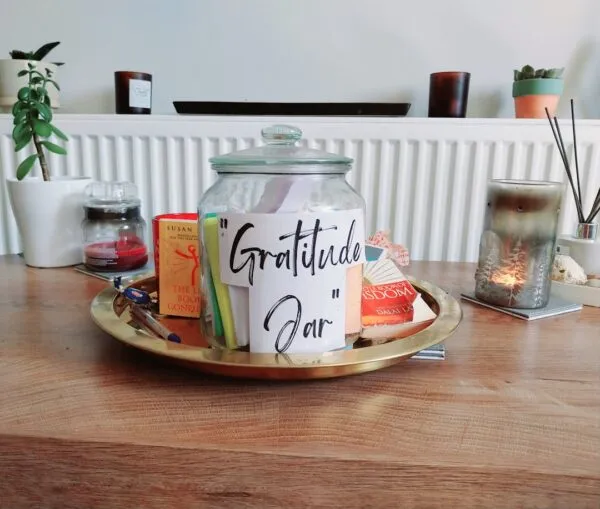
Simple tips include writing down three things you are grateful for each morning or evening, expressing thanks to others, keeping a gratitude jar, or taking a moment to appreciate small joys throughout the day.
Can daily gratitude impact relationships?
Yes, expressing gratitude regularly can strengthen relationships by promoting positive communication, increasing empathy, and fostering a sense of connection and appreciation between individuals.
How long does it take to see benefits from daily gratitude?
Many people begin to notice improvements in mood and outlook within a few weeks of consistent daily gratitude practice, though the exact time frame can vary depending on the individual and their commitment.