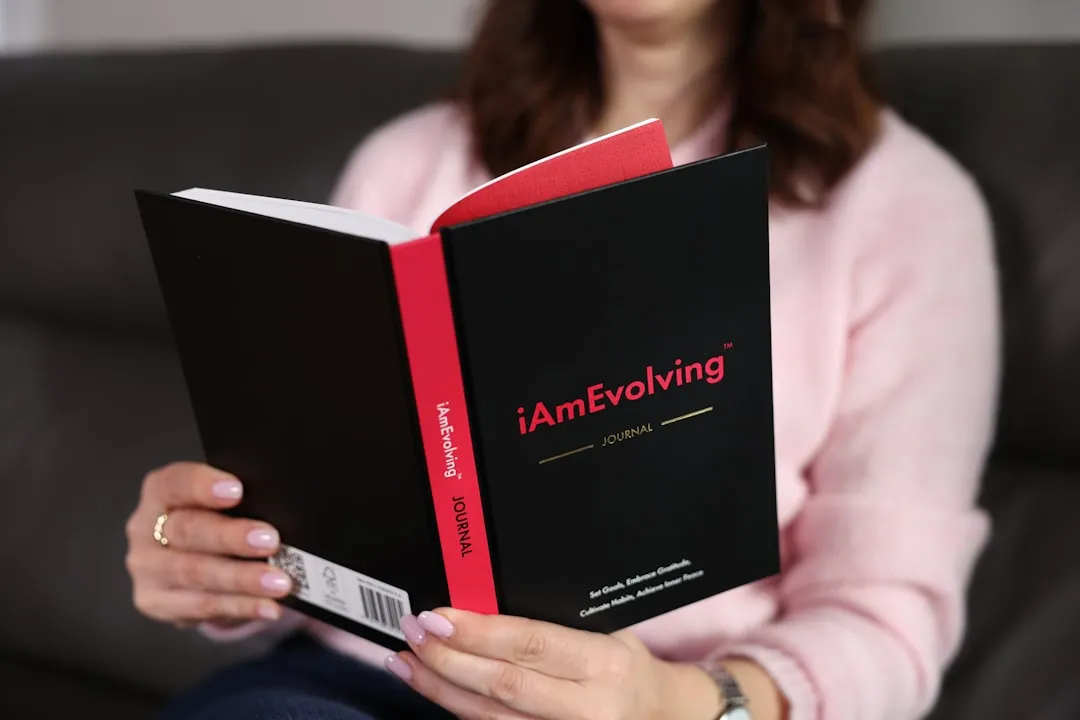
We are, as humans, creatures of habit. We establish routines, unconsciously or consciously, that carve paths through our days. Some of these paths are for practical necessity, like the morning commute or the nightly preparation for rest. Others, however, are designed to nourish our inner landscape, to cultivate a more resilient and fulfilling experience of existence. One such practice, increasingly recognized for its efficacy in fostering well-being, is the evening gratitude practice.
Understanding the Evening Gratitude Practice
The concept of gratitude as a deliberate, end-of-day practice is not a novel invention, but rather an articulation and formalization of ancient wisdom. Throughout history, contemplative traditions have emphasized reflection and appreciation as foundational to a meaningful life. What we observe in contemporary discourse, particularly as we look towards the coming years like 2026, is the integration of these timeless principles into structured, actionable strategies for personal growth and stress management. An evening gratitude practice, therefore, is not a singular prescribed ritual, but an adaptable framework of intentional reflection.
The Core Components of Gratitude Reflection
At its heart, an evening gratitude practice involves a conscious turning of our attention towards the positive aspects of our experiences. This is not about denying or ignoring challenges, but about actively seeking out and acknowledging the sources of good, however small they may appear. We are not aiming for a Pollyannaish outlook, but for a balanced perspective that recognizes the interplay of difficulties and blessings.
Identifying Sources of Appreciation
The initial step in engaging with this practice is to cultivate an awareness of potential gratitude. This might involve a mental scanning of the day's events, interactions, or even simple sensory experiences. We are looking for the threads of positivity that often weave through the fabric of our lives, sometimes unnoticed amidst the greater patterns.
The Act of Acknowledgment
Once a source of appreciation is identified, the practice involves a deliberate act of acknowledgment. This can take many forms, from a silent mental repetition to a more formalized written record. The emphasis is on moving gratitude from a fleeting sentiment to a recognized and affirmed experience.
The Rationale Behind Evening Practice
The choice of evening as the designated time for this practice is not arbitrary. It aligns with the natural inclination towards reflection as the day winds down. It offers a distinct opportunity to contextualize our experiences before succumbing to the oblivion of sleep, allowing for a mental reset.
Transitioning from the Day's Demands
The end of the day often brings a cessation of external pressures. The work is done, the errands are completed, and for many, the demands of social interaction lessen. This creates a liminal space, a bridge between the active engagement of the day and the passive state of rest. It is within this space that we can most effectively engage in introspection.
Setting Down the Day's Burdens
A key benefit of regularly engaging in evening gratitude is its role in stress management. By consciously focusing on what we are thankful for, we can begin to disentangle ourselves from the anxieties and frustrations of the preceding hours. This is akin to carefully placing down a heavy load that we have been carrying all day, allowing our shoulders to relax and our energy to be redirected.
Preparing for Restful Sleep
The reduction in stress achieved through gratitude practices has a direct impact on sleep quality. When our minds are less burdened with worries and regrets, they are more conducive to the restorative processes of sleep. This leads to a more peaceful and refreshing rest, which in turn positively influences our mood and cognitive function the following day.
Cultivating Resilience and Personal Growth
Beyond immediate stress reduction, consistent evening gratitude practices serve as a strategic tool for long-term personal development and resilience. By consistently identifying and appreciating the positive, we begin to rewire our cognitive pathways, making us more attuned to optimism and less susceptible to despair.
Shifting Cognitive Filters
Our perception of reality is often filtered through our dominant emotional and cognitive states. If our default setting is one of negativity or complaint, we tend to see the world through that lens. An evening gratitude practice actively works to adjust these filters, training our minds to recognize and prioritize the positive elements present, even in challenging circumstances.
Building a Foundation for a Better Tomorrow
The impact of an evening gratitude practice extends into the following day. By ending our current day with a sense of appreciation, we create a more positive emotional and mental foundation for the start of the next. This can translate into increased patience, a more proactive approach to challenges, and a greater capacity for joy.
Practical Approaches to Evening Gratitude
The beauty of an evening gratitude practice lies in its inherent flexibility. There is no single, rigid prescription. Instead, we can explore various methods that resonate with our individual preferences and circumstances. The goal is consistency and genuine engagement, not adherence to a prescribed script.
The Journaling Method
One of the most widely recommended and effective approaches is end-of-day gratitude journaling. This involves the systematic recording of things we are grateful for.
The Three-Item Rule
A common and accessible guideline is to identify at least three specific things from the day that we are grateful for. These can range from significant achievements to simple moments of comfort or connection. For instance, one might note the support of a colleague on a particular task, the pleasant taste of their evening meal, or the quiet moment of reading a book before bed. This specific number provides a manageable target and encourages a thorough review of the day's occurrences.
The Gratitude Jar or List
For those who prefer a less formal approach than a bound journal, a "gratitude jar" or a simple running list can be effective. Each item of gratitude is written on a slip of paper and placed in the jar, or added to a digital or physical list. The accumulation of these entries over time can serve as a powerful visual testament to the richness of one's experiences. The act of physically dropping a note into a jar can provide a tangible sense of completion for the day's reflection.
Interpersonal Gratitude Practices
Gratitude is inherently relational. Acknowledging the contributions of others is a powerful aspect of this practice, fostering stronger social bonds and a greater sense of community.
Appreciating Contributions
As we consider the people we encountered during the day, we can reflect on those who made our tasks lighter. This might be a coworker who offered assistance, a friend who provided a listening ear, or even a stranger who displayed an act of kindness. Expressing gratitude for their impact, whether internally or by conveying it directly, reinforces positive social dynamics.
Expressing Gratitude to Others
In 2026 and beyond, the emphasis on interpersonal connection and its role in well-being is likely to remain a significant focus. Actively expressing gratitude to those who have contributed to our day can amplify the positive effects. This could involve a short text message, a brief phone call, or a sincere verbal acknowledgment. This outward expression of thanks not only benefits the recipient but also deepens our own sense of appreciation.
The Psychological and Physiological Benefits
The practice of evening gratitude is not merely a feel-good activity; it is supported by a growing body of research indicating tangible psychological and physiological benefits. These effects accumulate over time, transforming our baseline experience of life.
Enhanced Emotional Well-being
The consistent cultivation of gratitude has a profound impact on our emotional landscape. It acts as an antidote to negative emotions, fostering a more optimistic outlook and increasing overall life satisfaction.
Increased Positive Affect
By consciously seeking out and acknowledging the good, we naturally increase the frequency of positive emotions such as joy, contentment, and hope. This is not about suppressing negative feelings, but about giving greater weight and space to their positive counterparts. This shift in emphasis can fundamentally alter our daily experience.
Reduced Symptoms of Depression and Anxiety
Numerous studies have indicated a correlation between gratitude practices and reduced symptoms of depression and anxiety. When we are not solely focused on what is lacking or what has gone wrong, our minds become less susceptible to rumination and worry. The act of appreciation offers a counter-narrative to the pervasive negative thinking that can fuel these conditions.
Improved Physical Health Outcomes
The benefits of gratitude extend beyond the mental realm and can positively influence our physical health. The mind-body connection is a well-established phenomenon, and gratitude plays a significant role in this interplay.
Better Sleep Quality
As previously noted, the stress-reducing effects of gratitude practices directly contribute to improved sleep quality. Reduced rumination and a calmer mental state before sleep allow for deeper, more restorative rest. This, in turn, can have cascading positive effects on energy levels, cognitive function, and overall physical health.
Strengthened Immune System
Emerging research suggests a link between gratitude and a stronger immune system. By reducing stress hormones like cortisol, which can suppress immune function, gratitude may indirectly bolster our body's defenses. While more research is needed in this area, the initial findings are promising indicators of the far-reaching impact of positive psychological states.
Implementing Evening Gratitude: A Lifelong Strategy
Adopting an evening gratitude practice is not a one-off event, but rather the initiation of a lifelong strategy for cultivating a more fulfilling existence. The key lies in consistent effort and a willingness to adapt the practice to suit evolving needs and life circumstances.
Starting Small and Building Momentum
For individuals new to this practice, the most effective approach is to begin with small, manageable steps. Overwhelm can be a significant barrier to adoption. Therefore, starting with a simple acknowledgment of one or two things before sleep, or committing to a weekly journaling session, can be more sustainable than attempting an ambitious daily regimen from the outset.
The Power of Incremental Change
We often underestimate the cumulative power of small, consistent changes. Just as a river carves its path through stone over time, so too can these seemingly minor acts of reflection gradually reshape our internal landscape. We are not aiming for an overnight transformation, but for a steady, organic growth in well-being.
Finding What Works for You
As we continue to explore and engage with evening gratitude practices, it is essential to remain open to experimentation. What resonates with one individual may not suit another. We encourage you to explore different methods, different times, and different ways of expressing your gratitude. The ultimate goal is to find a practice that is both meaningful and sustainable for you.
Gratitude as a Component of Holistic Well-being
In the broader context of personal development, especially as we consider the trends anticipated for 2026 and beyond, gratitude is increasingly recognized as a vital component of a holistic approach to well-being. It is not an isolated technique but a foundational element that complements other practices aimed at enhancing mental, emotional, and physical health.
Integrating Gratitude with Other Practices
Evening gratitude can be seamlessly integrated with other well-being strategies, such as mindfulness meditation, physical exercise, or healthy eating. By fostering a general sense of appreciation, it can enhance the effectiveness and enjoyment of these other pursuits. For example, mindful eating can become an opportunity to express gratitude for the nourishment and pleasure derived from food.
The Long-Term Vision: A More Resilient Self
The long-term vision of consistently engaging in evening gratitude practices is the cultivation of a more resilient self. One that is better equipped to navigate life's inevitable challenges with grace, strength, and an enduring sense of appreciation for the good that remains. It is an investment in our own capacity for happiness and our ability to contribute positively to the world around us.
FAQs
What is an evening gratitude practice?
An evening gratitude practice is a routine performed at the end of the day where individuals reflect on and acknowledge things they are thankful for. This practice helps foster a positive mindset and promotes emotional well-being.
How does an evening gratitude practice benefit mental health?
Engaging in an evening gratitude practice can reduce stress, improve mood, enhance sleep quality, and increase overall feelings of happiness by focusing attention on positive experiences and accomplishments from the day.
What are common methods used in an evening gratitude practice?
Common methods include writing in a gratitude journal, mentally listing things you are grateful for, sharing gratitude with a partner or family member, or meditating on positive aspects of the day.
How long should an evening gratitude practice take?
An evening gratitude practice can be brief, typically lasting between 5 to 15 minutes, making it easy to incorporate into a nightly routine without requiring significant time.
Can an evening gratitude practice improve sleep quality?
Yes, practicing gratitude in the evening can promote relaxation and reduce negative thoughts, which may lead to improved sleep quality and help individuals fall asleep more easily.