We often find ourselves navigating the currents of daily life, bombarded by a constant stream of demands and distractions. In this relentless flow, moments of genuine peace and contentment can seem like elusive shores. We are here to explore how embracing gratitude and presence can serve as our compass and anchor, guiding us through these waters and fostering a deeper, more resonant experience of our existence. This is not about chasing ephemeral happiness, but about cultivating a robust inner landscape that allows us to weather storms and savor calm seas with equal measure.
The conscious practice of gratitude is more than a fleeting emotion; it is a deliberate act of acknowledging the good, both large and small, that permeates our lives. This is not to suggest a denial of challenges or hardships, but rather a recalibration of our focus, allowing us to see the silver linings that often accompany the grayest clouds.
The Science Behind Our Thankfulness
Emerging research offers a compelling testament to the tangible benefits of consistently cultivating gratitude. Studies indicate that dedicating as little as 15 minutes a day, five days a week for a period of at least six weeks, can yield significant enhancements in our mental well-being. These practices are not temporary fixes but can facilitate profound and lasting shifts in our perspective.
Enhancing Mental Health
The impact of gratitude on our psychological state is well-documented. We observe a reduction in symptoms associated with depression and anxiety, manifesting as a lighter mental load and a more optimistic outlook. This improved mental state is often mirrored by enhancements in our physiological functions.
Reducing Anxiety and Depression
When we consistently turn our attention towards what we are thankful for, we actively counter the rumination and worry that often fuel anxiety. By focusing on the positive aspects of our present circumstances, we can dilute the power of negative thought patterns, creating mental space for calm and equanimity. This proactive approach to mental well-being is a powerful tool in our arsenal.
Improving Sleep Quality
Anxiety and stress are common culprits behind sleepless nights. By practicing gratitude, we can quiet the internal chatter and reduce the physiological arousal that prevents restful sleep. A grateful mind is often a more settled mind, predisposed to a deeper and more restorative slumber.
Boosting Physical Health
The benefits of gratitude extend beyond our minds, reaching into the very core of our physical being. Our bodies are intricately connected to our mental states, and a more thankful outlook can translate into noticeable improvements.
Lowering Blood Pressure
Chronic stress can lead to elevated blood pressure, a significant risk factor for numerous health issues. Gratitude has been shown to help mitigate the effects of stress, promoting a more relaxed physiological state and contributing to a healthier cardiovascular system.
Strengthening Immune Function
A robust immune system is our primary defense against illness. Research suggests that gratitude can positively influence our immune response, potentially making us more resilient to pathogens and faster to recover from ailments. This may be an indirect benefit, stemming from reduced stress and improved overall well-being.
In exploring the themes of gratitude and presence, the article "The Black Old Bike Parked Beside a White Wall" offers a poignant reflection on the beauty of everyday moments. It emphasizes how taking the time to appreciate the simple things around us can enhance our overall well-being and mindfulness. For a deeper understanding of how gratitude can transform our perspective, you can read the article here: The Black Old Bike Parked Beside a White Wall.
The Neurological Architecture of Appreciation
The practice of gratitude is not merely a behavioral choice; it actively reshapes the very architecture of our brains, forging new pathways and altering our fundamental operating system. This neurological remodeling offers a profound explanation for the observed benefits.
Rewiring Our Brains for Positivity
When we engage in gratitude practices, we are essentially training our brains to recognize and reinforce positive experiences. This is akin to nurturing a garden; the more we tend to the blooming flowers, the more vibrant and abundant they become, while the weeds of negativity are naturally suppressed.
Activating Pleasure and Bonding Centers
Gratitude stimulates specific regions within our brains that are associated with pleasure, social bonding, and emotional regulation. Areas like the medial prefrontal cortex and the ventral striatum, often implicated in reward pathways, become more active during moments of genuine appreciation. This neural activation contributes to feelings of well-being and strengthens our connections with others.
Quieting the Stress Response
The constant hum of modern life can keep our autonomic nervous systems in a perpetual state of alertness, triggering the "fight-or-flight" response. Gratitude acts as a potent counteragent, helping to calm this primal alarm system. By shifting our focus to the positive, we disengage from perceived threats and allow our bodies to enter a parasympathetic state, characterized by rest and digestion. This reduction in chronic stress is a critical factor in preventing numerous stress-related ailments.
Shifting from Survival to Creativity
When we are immersed in a state of anxiety or overwhelm, our brains are primarily focused on immediate survival. Gratitude allows us to transcend this reactive mode. By fostering a sense of security and appreciation, it liberates our cognitive resources, paving the way for more creative problem-solving, innovation, and a broader perspective on challenges. Instead of just reacting to the stimuli, we begin to engage with them from a place of greater capacity.
Practical Pathways to Daily Gratitude
Incorporating gratitude into our daily lives does not require grand gestures or extensive time commitments. Instead, it is about weaving small, consistent threads of appreciation into the fabric of our routines, transforming mundane moments into opportunities for cultivation.
Morning Rituals of Acknowledgement
The start of our day sets the tone for the hours ahead. By consciously beginning with gratitude, we can imbue our mornings with a sense of purpose and positivity, influencing our interactions and perceptions throughout the day.
One Thing Before Getting Out of Bed
A simple yet profound practice is to identify one thing you are grateful for before your feet even touch the floor. This could be the warmth of your bed, the promise of a new day, or even the breath in your lungs. This small act of intentionality primes our minds for a more receptive and appreciative outlook.
Evening Reflections for Closure
As the day winds down, our minds may still be replaying events or anticipating tomorrow's tasks. Dedicated time for evening reflection allows us to process the day with a focus on what went well, leaving us with a sense of completion and contentment.
The Gratitude Journal
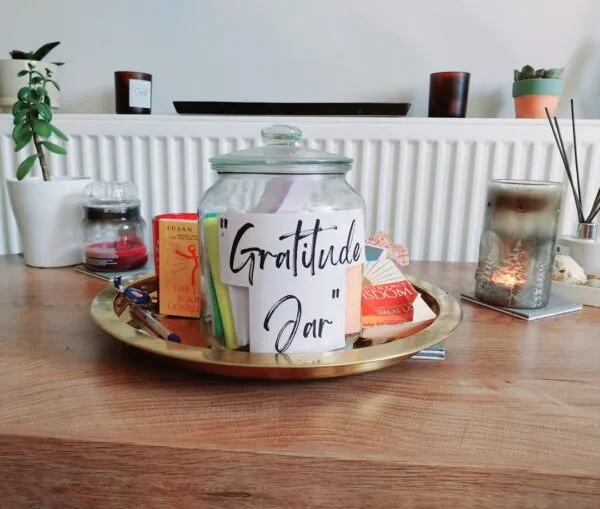
Keeping a gratitude journal is a highly effective method for solidifying our appreciation. The act of writing itself is a powerful cognitive process that helps to cement our thoughts and feelings. Aim to write down three things you are thankful for each evening. These can be significant events or small, overlooked moments of joy.
Engaging Our Senses in the Present
Our environment is a rich tapestry of sensory experiences, often overlooked in our haste. By deliberately engaging our senses, we can anchor ourselves in the present moment and discover countless sources of gratitude that might otherwise pass us by.
Mindful Walks in Nature
Stepping outside and immersing ourselves in nature offers a potent antidote to the artificiality of much of modern life. During a mindful walk, we encourage ourselves to pay close attention to the sensations: the feel of the ground beneath our feet, the scent of the air, the sounds of birdsong, the visual details of the foliage. This heightened awareness allows us to appreciate the natural world in a profound way.
The Power of Deep Breathing
Our breath is a constant, accessible anchor to the present moment. When we are overwhelmed or stressed, our breathing often becomes shallow and rapid. Engaging in deep, diaphragmatic breathing for even five minutes daily can significantly calm our nervous systems. As we consciously draw in and release each breath, we can also acknowledge our gratitude for this fundamental life-sustaining process.
The Currency of Shared Appreciation
Gratitude is not meant to be a solitary pursuit. Sharing our appreciation with others amplifies its impact, fostering stronger connections and creating a ripple effect of positivity in our communities.
Expressing Thanks Directly
The most profound expressions of gratitude are often the most direct. This can take many forms: a heartfelt phone call to a friend, a handwritten note to a family member, or a simple, sincere "thank you" to a colleague. These acts not only brighten the recipient's day but also reinforce our own feelings of thankfulness.
The Art of Attentive Listening
In our interactions with others, we often find ourselves waiting for our turn to speak rather than truly absorbing what is being communicated. Active and intentional listening is a powerful form of respect and appreciation for the speaker. It signifies that we value their thoughts and experiences.
Listening with Intention
When we listen with intention, we are fully present in the conversation, offering our undivided attention without mental distractions or formulating our responses prematurely. This deep level of engagement can transform our relationships, fostering understanding and strengthening bonds. We are not just hearing words; we are acknowledging the person behind them.
The Symbiotic Relationship Between Gratitude and Mindfulness
When we consider gratitude and mindfulness not as separate entities but as complementary forces, their collective power becomes evident. They form a dynamic duo, each enhancing the other's effectiveness and creating a more profound experience of daily living.
A Partnership for Present Living
Mindfulness, at its core, is the practice of bringing our awareness to the present moment without judgment. Gratitude, in turn, provides the motivation and the positive context for this present-moment awareness.
Noticing the Unseen Gifts
Mindfulness cultivates our ability to observe our surroundings and our internal experiences with clarity. This heightened awareness naturally brings to our attention the myriad small details and occurrences that often go unnoticed. It is this mindful observation that then provides the fertile ground upon which gratitude can blossom. Mindfulness allows us to see the many things to be thankful for.
Gratitude as an Anchor
Once we have identified something to be grateful for through mindful observation, gratitude acts as an anchor, keeping us firmly rooted in that positive experience. It prevents our minds from drifting back into rumination or distraction, allowing us to fully savor the moment and extend its beneficial effects. Gratitude, therefore, keeps us present and engaged, transforming passive observation into active appreciation. This interplay ensures that we are not just passively aware, but actively engaged with the richness of our lives.
Practicing gratitude can significantly enhance our sense of presence in daily life, allowing us to appreciate the small moments that often go unnoticed. One interesting perspective on this topic can be found in an article that explores the effects of moderation on our well-being, specifically how a glass of wine a day can influence our health. You can read more about it in this insightful piece on the relationship between gratitude and mindfulness by visiting this article. Embracing such practices can lead to a more fulfilling and aware existence.
The Tangible Fruits of Our Practice
The commitment to embracing gratitude and presence is not merely an abstract philosophical pursuit; it yields concrete, measurable results that positively impact our lives and the lives of those around us. The evidence gathered from research and anecdotal experience consistently points towards a more fulfilling and resilient existence.
The Ripple Effect of Appreciation
Even short-term engagement with gratitude practices can initiate significant shifts in our emotional landscape. These positive changes then extend outwards, influencing our interactions and contributing to a more supportive environment.
Immediate Happiness Boosts
Studies have demonstrated that even concisely documenting what went well over the course of a week can lead to a noticeable increase in feelings of happiness and a significant reduction in depressive symptoms. This underscores the immediate and potent impact of shifting our focus towards the positive.
Building Stronger Social Networks
Individuals who regularly practice gratitude tend to experience a reciprocal benefit in their social lives. They are more likely to receive support from others, suggesting that their appreciative nature fosters stronger, more positive relationships. This is likely due to a combination of factors, including increased approachability and a demonstrated value for the contributions of others.
Fostering Prosocial Behavior
Furthermore, grateful individuals often exhibit a greater propensity for prosocial behaviors – actions intended to benefit others. This may include acts of kindness, generosity, and a willingness to help those in need. This outward expression of appreciation strengthens our communities and cultivates a more compassionate society. By embracing gratitude and presence, we not only enrich our own lives but also contribute to a more positive and supportive world for everyone.
FAQs
What is the relationship between gratitude and presence?
Gratitude and presence are closely connected because practicing gratitude encourages individuals to focus on the current moment and appreciate what they have right now. Being present helps people recognize and acknowledge positive aspects of their lives, fostering a sense of thankfulness.
How does practicing gratitude improve mental well-being?
Practicing gratitude has been shown to improve mental well-being by reducing stress, increasing happiness, and promoting a positive outlook. It helps individuals shift their focus from negative thoughts to positive experiences, which can enhance emotional resilience and overall life satisfaction.
What are some common ways to cultivate gratitude in daily life?
Common ways to cultivate gratitude include keeping a gratitude journal, regularly reflecting on things one is thankful for, expressing appreciation to others, and practicing mindfulness to stay present and aware of positive moments throughout the day.
Can being present help deepen feelings of gratitude?
Yes, being present can deepen feelings of gratitude by allowing individuals to fully experience and appreciate the current moment without distraction. Mindfulness practices encourage awareness of small joys and positive experiences, which can enhance a sense of thankfulness.
Is gratitude linked to physical health benefits?
Research suggests that gratitude is linked to physical health benefits such as improved sleep quality, reduced symptoms of illness, and lower blood pressure. These benefits are often attributed to the positive emotional states and reduced stress levels associated with regular gratitude practice.