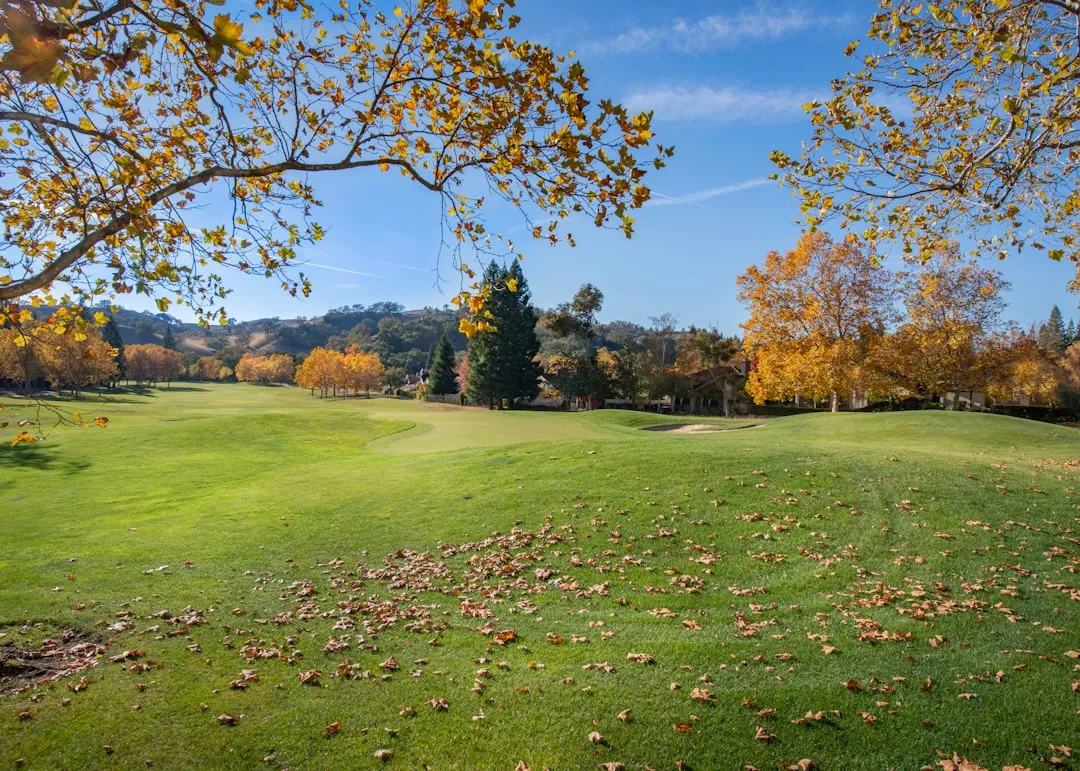
We often find ourselves navigating a maelstrom of obligations, expectations, and unforeseen challenges. In this perpetually accelerating world, the concept of "calm" frequently recedes into the background, perceived as an unattainable luxury rather than a fundamental necessity. However, a growing body of research and anecdotal evidence suggests that cultivating gratitude can serve as a powerful anchor, allowing us to not only endure but thrive amidst the turbulence. This exploration delves into the mechanics of embracing gratitude as a strategy for finding equilibrium, drawing upon established principles and contemporary advisories.
Our understanding of gratitude has evolved beyond a simplistic emotional response; it is increasingly recognized as a complex cognitive and affective process with significant implications for well-being. We understand gratitude as a multifaceted phenomenon, involving both a recognition of benefits received and an appreciation for the source of those benefits.
Neural Correlates of Appreciation
Neuroscientific studies have illuminated the brain regions activated during experiences of gratitude. We observe increased activity in areas associated with social cognition, reward, and moral reasoning, such as the medial prefrontal cortex. This activation suggests that gratitude is not merely a fleeting emotion but a sophisticated cognitive process influencing our social interactions and value systems. Furthermore, we recognize its capacity to modulate stress responses, potentially dampening the activity of the amygdala, the brain's "fear center."
Psychological Mechanisms of Well-being
From a psychological perspective, we identify several pathways through which gratitude contributes to well-being. We understand that consciously acknowledging positive aspects of our lives can counteract negative biases, shifting our focus from deficiencies to abundances. This reorientation can foster a more optimistic outlook, enhancing resilience in the face of adversity. Moreover, we see gratitude as a potent pro-social emotion, strengthening interpersonal bonds and encouraging reciprocal altruism. When we express gratitude, we not only uplift the recipient but also reinforce our own sense of connection and belonging.
Evolutionary Perspectives
We can also consider gratitude through an evolutionary lens. We posit that gratitude served as a crucial mechanism for fostering cooperation and reciprocal altruism within early human societies. The ability to recognize and reciprocate beneficial acts would have conferred a significant survival advantage, facilitating resource sharing and collective defense. This historical context underscores the deep-seated efficacy of gratitude as a social glue, reinforcing our collective inclination towards mutual support.
In exploring the themes of gratitude and calm, one can find valuable insights in the article titled "The Ultimate Guide to Working from Home." This resource emphasizes the importance of cultivating a positive mindset and maintaining a sense of tranquility while navigating the challenges of remote work. By integrating practices of gratitude into daily routines, individuals can enhance their overall well-being and productivity. For more information, you can read the article here: The Ultimate Guide to Working from Home.
Navigating the Modern Labyrinth: The Challenge of Chaos
Our contemporary existence is characterized by an unprecedented level of interconnectedness and a relentless flow of information. We are constantly bombarded with stimuli, from digital notifications to economic fluctuations, creating a persistent hum of anxiety that can be difficult to tune out.
Information Overload and Decision Fatigue
We face a critical challenge in managing the sheer volume of information that assails us daily. The relentless stream of news, social media updates, and professional communications can lead to cognitive overload, diminishing our capacity for focused attention and strategic decision-making. We experience this as a pervasive sense of being overwhelmed, where the "signal-to-noise" ratio often favors the noise.
The Tyranny of Constant Connectivity
We have, inadvertently perhaps, cultivated a culture of perpetual availability. The expectation to be constantly reachable, to respond instantaneously, blurs the lines between work and personal life, eroding boundaries essential for mental well-being. This omnipresent digital tether can foster a paradoxical sense of isolation, despite being "connected," as genuine, present-moment interaction is often sacrificed.
Economic and Social Pressures
We contend with a myriad of external pressures, ranging from economic uncertainties to societal expectations. The pursuit of career advancement, financial stability, and the maintenance of social standing can create an unrelenting stress loop. This collective striving, while often productive, can also overshadow our capacity for self-reflection and appreciation of simpler joys, acting as a corrosive agent on our internal calm.
Cultivating a Gratitude Practice
Recognizing the beneficial aspects of gratitude and the pervasive nature of chaos, we must then turn our attention to practical methodologies for integrating gratitude into our daily lives. This is not about a superficial positivity, but a deliberate, sustained effort to reframe our perspective.
The Journaling Imperative
One of the most accessible and effective methods we employ is gratitude journaling. We find that the act of physically writing down things for which we are grateful helps solidify these feelings and brings them to the forefront of our awareness. This practice moves beyond passive recognition to active engagement.
Specificity in Expression
When journaling, we encourage ourselves to move beyond generic statements like "I am grateful for my family." Instead, we strive for specificity: "I am grateful for how my partner listened patiently to my concerns this morning," or "I appreciate the way my child’s laughter filled the kitchen, reminding me of simple joys." This detailed articulation deepens the emotional resonance of the gratitude.
Frequency and Consistency
We advocate for short, consistent journaling sessions rather than intermittent, lengthy ones. Even five minutes daily can yield significant benefits. We understand that consistency builds habit, transforming a conscious effort into an ingrained practice. The ritual itself becomes a grounding element in our day.
Mindful Appreciation
Beyond structured journaling, we can cultivate mindful appreciation throughout our daily routines. This involves actively noticing and savoring positive experiences as they occur.
Engaging the Senses
We practice engaging our senses to deepen our appreciation. For instance, when drinking our morning coffee, we might consciously appreciate the warmth of the mug, the aroma of the brew, and the quiet moment of solitude. When walking outdoors, we notice the rustling of leaves, the quality of the light, or the scent of rain. This sensory engagement pulls us into the present moment, away from rumination or future anxieties.
Micro-Moments of Gratitude
We recognize that gratitude need not be reserved for grand gestures or significant events. We can find it in "micro-moments"—a kind word from a colleague, an unexpected patch of sunshine, the smooth operation of a traffic light. By acknowledging these small blessings, we build a cumulative reservoir of positive emotion.
The Ripple Effect: Gratitude and Interpersonal Dynamics
Our gratitude extends beyond our personal experience, significantly influencing our interactions with others. We observe that genuine appreciation acts as a powerful catalyst for positive social exchange, strengthening community and fostering mutually beneficial relationships.
Enhancing Social Bonds
When we express gratitude sincerely, we communicate value to others. We acknowledge their contributions, their presence, and their impact on our lives. This recognition validates them and strengthens the emotional bonds between us. We understand that these connections are a vital buffer against the isolating effects of chaos.
Active Expression of Thanks
We prioritize actively expressing our thanks, not merely feeling it internally. A verbal "thank you," a heartfelt note, or a small gesture of appreciation can have a disproportionately positive impact. We recognize that unspoken gratitude, though felt, does not contribute to the reciprocity cycle that strengthens relationships.
Forgiveness and Understanding
Gratitude can also pave the way for forgiveness and greater understanding in challenging relationships. By focusing on what we do appreciate in another person, even amidst conflict, we can soften our stance and open channels for reconciliation. We often find that a shift in our own perspective can be instrumental in diffusing tension.
Fostering a Culture of Appreciation
Within professional environments and broader communities, we advocate for cultivating a culture of appreciation. This extends beyond individual acts of gratitude to systemic integration of recognition and positive feedback.
Leadership by Example
We observe that leaders who consistently demonstrate gratitude set a powerful precedent for their teams or communities. Their actions signal that appreciation is valued and encourages others to adopt similar behaviors. This top-down influence can significantly alter the prevailing emotional climate.
Structured Recognition Programs
We consider implementing structured recognition programs where regular opportunities are provided for individuals to acknowledge the contributions of others. This can range from informal shout-outs to more formal awards, all designed to reinforce the message that effort and collaboration are seen and valued.
Practicing gratitude can significantly enhance our sense of calm and well-being, as highlighted in a recent article that explores the connection between appreciation and tranquility. By recognizing the small joys in life, we can cultivate a more peaceful mindset and reduce stress. For a deeper understanding of how gratitude can transform our daily experiences, you can read more in this insightful piece about a black old bike parked beside a white wall, which serves as a metaphor for finding beauty in simplicity. Check out the article here.
Sustaining Calm in the Long Term
Embracing gratitude is not a one-time fix but an ongoing practice, a continuous commitment to perceiving the world through a lens of appreciation. We understand that sustaining calm amidst the inevitable chaos requires consistent effort and adaptation.
The Impermanence of Emotion
We acknowledge that emotions, including gratitude and calm, are transient. There will be days when gratitude feels elusive, and chaos seems absolute. During these periods, we apply self-compassion, recognizing that fluctuation is a natural part of the human experience. The goal is not to eradicate negative emotions but to cultivate a robust internal mechanism for returning to equilibrium.
Adapting to New Challenges
Our world is in perpetual motion, presenting us with an endless stream of novel challenges. We find that a gratitude practice supports adaptability by fostering a positive cognitive framework. When we are accustomed to identifying positives, we are better equipped to find opportunities and solutions even in the face of unfamiliar obstacles. The "calm" we cultivate is not characterized by an absence of problems, but by a steady internal state that allows us to approach them effectively.
The Journey, Not the Destination
We view the pursuit of calm through gratitude not as a final destination, but as a continuous journey. There is no ultimate state of perfect tranquility to be achieved, but rather an ongoing process of refining our perspectives and reinforcing our internal resources. Each moment of gratitude is a step on this path, contributing to a more resilient, connected, and ultimately, more peaceful existence, allowing us to navigate the turbulent waters of modern life with grace and purpose. We are not immune to the storms, but we learn to sail them better, with the compass of gratitude guiding our way.
FAQs
What is the relationship between gratitude and calm?
Gratitude is the practice of recognizing and appreciating positive aspects of life, which can lead to a sense of calm by reducing stress and promoting emotional well-being.
How does practicing gratitude contribute to mental health?
Regularly expressing gratitude can improve mental health by increasing positive emotions, reducing symptoms of depression and anxiety, and enhancing overall life satisfaction.
Can gratitude help in managing stress?
Yes, gratitude helps manage stress by shifting focus away from negative thoughts and fostering a more positive outlook, which can lower cortisol levels and promote relaxation.
What are some common ways to practice gratitude?
Common methods include keeping a gratitude journal, expressing thanks to others, reflecting on positive experiences, and mindfulness exercises focused on appreciation.
Is there scientific evidence supporting the benefits of gratitude for calmness?
Yes, numerous studies have shown that gratitude practices are linked to increased feelings of calm, improved sleep quality, and reduced physiological markers of stress.