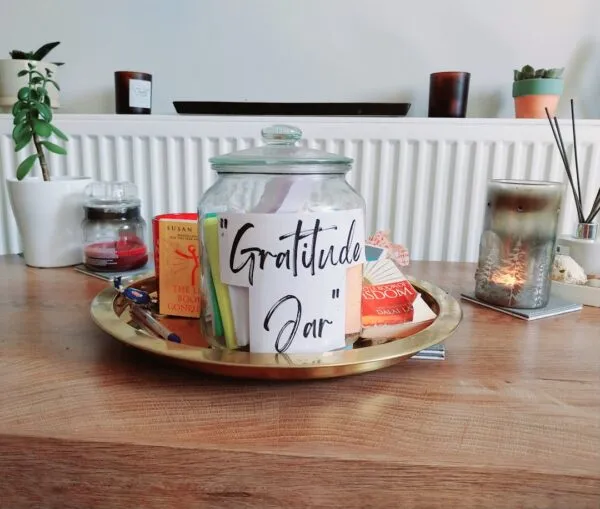
We often navigate our daily lives with a focus on future aspirations or past regrets, inadvertently overlooking the richness embedded within the present. This article aims to explore the practice of cultivating gratitude, not as a fleeting emotion, but as a deliberate cognitive and emotional habit that can profoundly reshape our perception of the world. We will delve into various methodologies and contemporary perspectives on integrating gratitude into our everyday existence, drawing upon recent research and practical applications.
Gratitude, at its core, is an acknowledgment of goodness in one's life. It involves recognizing that the source of this goodness lies, at least partially, outside of ourselves. While often associated with grand gestures or significant life events, the most sustainable forms of gratitude frequently stem from an appreciation of the small, consistent elements of our daily experience.
Cognitive Reframing
Our brains are wired with a negativity bias, a survival mechanism that prioritizes threats and challenges. Gratitude acts as a counterweight, actively training our minds to identify and register positive stimuli. This cognitive reframing shifts our internal narrative from one dominated by deficit to one that acknowledges abundance. For instance, instead of focusing on a delayed commute, we might choose to be grateful for the music playing on the radio or the comfort of our vehicle. This is not about denying challenges but about broadening our scope of perception to include the positive alongside the negative.
Emotional Regulation
The consistent practice of gratitude has been linked to improved emotional regulation. When we consciously acknowledge positive aspects of our lives, we often experience an uplift in mood, a reduction in stress, and an increase in overall well-being. This emotional shift is not merely superficial; it can lead to physiological changes, such as reduced levels of cortisol, the body's primary stress hormone. The act of expressing gratitude, whether internally or externally, can act as a circuit breaker for negative emotional spirals, allowing us to regain a sense of calm and perspective.
Social Connectivity
Gratitude inherently fosters a sense of connection. When we are grateful for others, we are acknowledging their contributions to our lives, thereby strengthening interpersonal bonds. This can manifest in simple acts, such as thanking a colleague for their assistance or appreciating a friend's supportive message. As Judy Wilkins-Smith's practice suggests (2026), recognizing individuals who assisted us fosters positive social interactions and reinforces a sense of belonging. This reciprocal nature of gratitude creates a virtuous cycle, where giving and receiving appreciation both contribute to a stronger social fabric.
Gratitude can often be found in the simplest of moments, such as enjoying a glass of wine at the end of a long day. This ordinary ritual can serve as a reminder to appreciate the small pleasures in life. For a deeper understanding of how such moments can impact our well-being, you may find the article on the effects of wine on the body insightful. It explores the balance between indulgence and health, highlighting the importance of savoring life's simple joys. You can read more about it in this article: What a Glass of Wine a Day Does to Your Body.
Practical Methodologies for Daily Gratitude
Integrating gratitude into our daily routines requires deliberate effort and the adoption of specific practices. These methodologies are designed to make gratitude a consistent habit rather than an occasional thought.
The "Gratitude Walk" and Mindful Observation
Wilkins-Smith's "gratitude walks" (2026) exemplify a simple yet powerful approach. We can consciously engage our senses during a walk, noticing elements like the warmth of the sunshine on our skin, the gentle sway of the trees in the wind, or the vibrant colors of a blooming flower. This practice encourages us to slow down and observe the world around us with a fresh perspective, moving beyond the automatic pilot of our everyday commutes. It's about transforming a mundane activity into an opportunity for mindful appreciation. The wind, for example, can be viewed not just as a physical force but as a metaphor for the unseen blessings that touch our lives, often without our conscious recognition.
Daily Reflection and Journaling
Numerous sources, including NJ Lifestyle Mag (Winter 2026), advocate for daily pauses to list 3 gratitudes. Tools like the Five Minute Journal app or Day One facilitate quick reflections. We might dedicate a specific time, such as at the start and end of our day, to jot down things we are grateful for. This could be anything from a warm cup of coffee to a productive meeting or a kind text message. The act of physically writing or typing these reflections reinforces the positive experiences in our memory and strengthens the neural pathways associated with gratitude. It's like planting seeds of positivity in the fertile soil of our minds, nurturing them to grow and flourish.
Integrating Gratitude into Challenging Circumstances
DiepCjourney Compass (2026) positions gratitude as an anchor for breast cancer advocacy, emphasizing its role in daily grounding amid challenges. This highlights the transformative power of gratitude not just in good times, but especially in adversity. When faced with difficult situations, it can be challenging to find anything to be grateful for. However, even in the midst of struggle, we can often find small moments of support, moments of resilience within ourselves, or the kindness of others. Acknowledging these fragments of positivity can provide strength and perspective. For instance, being grateful for a kind word from a stranger or the simple act of a medical professional explaining a procedure can create pockets of light in otherwise dim situations.
Embracing Nature and Acts of Kindness
Beyond introspection, gratitude can be found and fostered through our interactions with the natural world and through our contributions to others. These outward-facing practices enhance our sense of connection and purpose.
Connection to Nature
ACH Group's 5 Ways (2026) highlights the importance of connecting to nature, suggesting activities such as bushwalks or listening to bird sounds. We, as human beings, are intrinsically linked to the natural world. Spending time outdoors, whether in a sprawling park or a small backyard garden, can evoke a profound sense of awe and appreciation. The intricate patterns of leaves, the vastness of the sky, or the simple melody of birdsong can serve as powerful reminders of the beauty and complexity of life. This connection can ground us, providing a sense of perspective that transcends our immediate concerns. Nature acts as a grand symphony, and gratitude allows us to hear its most beautiful notes.
Random Acts of Kindness
The ACH Group also suggests practicing random acts of kindness, such as sharing produce or books. This seemingly altruistic act is, in fact, a powerful conduit for gratitude. When we extend kindness to others, we often experience a reciprocal feeling of warmth and satisfaction. Witnessing the positive impact of our actions on someone else can reinforce our own sense of purpose and connection, fostering gratitude for the opportunity to contribute. It's like casting a stone into a still pond; the ripples of kindness spread outwards, eventually returning to us as a wave of positive emotion. The post-COVID appreciation for simple privileges like dining out (ACH Group, 2026) underscores how adversity can heighten our gratitude for previously taken-for-granted experiences, applying this same principle to the daily interactions that were once commonplace.
The Long-Term Impact of a Gratitude Practice
Cultivating gratitude is not a one-time endeavor but an ongoing practice that yields cumulative benefits over time. It shapes our character, enhances our resilience, and ultimately enriches our lives.
Sharpening Perspective and Spotting Opportunities
The Advance Lounge Webinar (Jan 2026) frames a 365-Day Gratitude Challenge as a growth strategy, emphasizing its ability to sharpen perspective and spot opportunities over obstacles. When we consistently seek out the positive, our brains become more adept at identifying solutions and possibilities even in challenging situations. This shift in perspective transforms obstacles from insurmountable barriers into opportunities for growth and learning. It's akin to learning to identify rare wildflowers; the more we practice, the better we become at spotting them amidst the common flora. This refined perception allows us to navigate life's complexities with greater optimism and resourcefulness.
Building Resilience
Resilience, the ability to bounce back from adversity, is significantly strengthened by a gratitude practice. When we are regularly acknowledging the good in our lives, we develop a stronger emotional foundation. This foundation serves as a buffer against stress and setbacks. During difficult periods, our cultivated sense of gratitude can remind us of our inherent strengths, the support systems we have in place, and the positive aspects that still exist amidst the challenges. This internal anchor prevents us from being swept away by the currents of negativity, allowing us to maintain a sense of hope and progress. Gratitude acts as a protective shield, not deflecting all blows, but ensuring we remain standing when they land.
Enhanced Well-being
Ultimately, the consistent practice of gratitude contributes to a more profound sense of well-being. This is not merely the absence of negative emotions, but the presence of positive ones, such as joy, contentment, and appreciation. Research consistently demonstrates a correlation between gratitude and improved mental and physical health outcomes, including better sleep, reduced symptoms of depression, and enhanced interpersonal relationships. It is a holistic practice that nourishes both our inner world and our interactions with the external world. We are not just surviving; we are thriving, and gratitude serves as one of the essential ingredients in this recipe for a richer, more fulfilling life. The cumulative effect of these small moments of appreciation creates a tapestry of contentment that enriches our daily existence.
In our fast-paced lives, it's easy to overlook the simple joys that surround us, yet practicing gratitude in ordinary moments can significantly enhance our well-being. A recent article explores how appreciating the little things, like the comfort of a cozy chair or the warmth of a shared meal, can transform our daily experiences. You can read more about this insightful perspective on gratitude by visiting this article, which highlights the beauty found in everyday life. Embracing these moments not only fosters a sense of contentment but also encourages us to cultivate a more mindful approach to our surroundings.
The Broader Societal Implications of Gratitude
Beyond individual well-being, the widespread adoption of gratitude practices has the potential to positively influence our communities and society at large.
Fostering Empathy and Compassion
When we are grateful, we are more attuned to the contributions of others and the interconnectedness of human experience. This awareness naturally fosters empathy and compassion. By recognizing the struggles and triumphs of those around us, we develop a deeper understanding and a greater desire to offer support and kindness. A society saturated with gratitude would likely be one characterized by increased social cohesion and a stronger sense of collective responsibility. It's about seeing the threads that bind us together, not just the individual knots.
Promoting a Culture of Appreciation
Imagine a society where appreciation is not just an occasional sentiment but a pervasive cultural norm. In such an environment, workplaces would be more supportive, families more harmonious, and communities more collaborative. A culture of appreciation moves beyond mere politeness; it embodies a genuine recognition of value in all aspects of life, from the service provided by essential workers to the beauty of artistic expression. This cultural shift, driven by individual gratitude practices, would create a ripple effect, elevating the overall quality of human interaction and fostering a more positive and supportive environment for everyone. Like fertile soil, a culture of appreciation encourages growth and flourishing in all its inhabitants.
Sustaining Positive Change
The ability to find gratitude even in challenging times, as emphasized by DiepCjourney Compass (2026), is crucial for sustaining positive change movements. Advocating for causes, enduring long-term struggles, and working towards ambitious societal transformations often requires immense resilience and unwavering commitment. Gratitude provides a vital psychological resource, allowing individuals to acknowledge small victories, appreciate allies, and maintain hope amidst setbacks. It acts as the wind in the sails of progress, propelling us forward even when the seas are rough and the journey long.
Gratitude can often be found in the simplest of moments, such as the sight of a black old bike parked beside a white wall, which can evoke feelings of nostalgia and appreciation for the everyday beauty around us. This theme is beautifully explored in a related article that delves into the significance of recognizing these ordinary instances in our lives. For a deeper understanding of how such moments can enhance our sense of gratitude, you can read more in this insightful piece on gratitude in ordinary moments.
Conclusion
We have explored the multifaceted nature of gratitude, moving beyond its superficial understanding to comprehend its profound implications for our individual and collective well-being. From the simple "gratitude walk" to the empowering act of expressing kindness, we have seen how deliberate engagement with gratitude can reshape our cognitive processes, regulate our emotions, and strengthen our social bonds. As outlined by recent insights (2026), gratitude is not merely a pleasant feeling but a strategic tool for growth, resilience, and perspective sharpening.
We encourage you, the reader, to embark on your own journey of cultivating gratitude. Begin with small, consistent steps. Take a moment each morning to identify one thing you are grateful for, or dedicate a few minutes each evening to reflect on three positive occurrences. Engage your senses on your daily walks, noticing the nuanced beauty of the world around you. Extend acts of kindness, whether sharing a book or offering a word of encouragement.
Remember, gratitude is not about ignoring life's difficulties; it is about expanding our scope of vision to include the abundant good that often coexists with challenges. It is about understanding that while the rain may fall, the sun will also break through the clouds, and even the rain itself nourishes life. By consciously choosing to focus on these moments, we can transform our everyday experiences into opportunities for profound appreciation, enriching our lives and contributing to a more compassionate and resilient world. Let us collectively embrace this powerful practice, transforming the ordinary into the extraordinary, one grateful moment at a time.
FAQs
What does "gratitude in ordinary moments" mean?
Gratitude in ordinary moments refers to the practice of recognizing and appreciating the small, everyday experiences and aspects of life that often go unnoticed, such as a kind gesture, a beautiful sunset, or a quiet moment of peace.
Why is practicing gratitude in everyday life important?
Practicing gratitude regularly can improve mental well-being, increase happiness, reduce stress, and foster a more positive outlook on life by helping individuals focus on what they have rather than what they lack.
How can someone cultivate gratitude in their daily routine?
People can cultivate gratitude by keeping a gratitude journal, taking time each day to reflect on positive experiences, expressing thanks to others, and being mindful of the present moment to notice and appreciate small joys.
Can gratitude in ordinary moments impact relationships?
Yes, expressing gratitude in everyday interactions can strengthen relationships by promoting kindness, empathy, and mutual appreciation, which helps build trust and deeper connections between individuals.
Are there any scientific studies supporting the benefits of gratitude?
Yes, numerous studies in psychology have shown that practicing gratitude is linked to improved emotional health, better sleep, increased resilience, and overall enhanced life satisfaction.