We often hear about gratitude as a pathway to happiness, a pleasant sentiment to sprinkle into our lives. However, a deeper dive reveals gratitude is not merely an ephemeral feeling but a foundational element, a cornerstone upon which we can build lasting emotional balance and, consequently, achieve a state of inner peace. This is not about forced smiles or ignoring life's inevitable challenges. Instead, it is a conscious practice, grounded in observable biological and psychological mechanisms, that allows us to navigate the complexities of existence with greater equanimity.
Gratitude, at its core, is the appreciation for what we have. It is the recognition of the value – be it tangible or intangible – that contributes to our well-being. This appreciation can extend to material possessions, relationships, opportunities, or even the simple, often overlooked, aspects of daily life like a moment of sunshine or a breath of fresh air. It is the mindful acknowledgment of goodness, a conscious shift in focus from what is lacking to what is present.
The Biological Underpinnings of Appreciation
Our bodies are not indifferent to expressions of gratitude. Scientific research has illuminated the remarkable way gratitude influences our neurochemistry. When we consciously practice gratitude, we activate specific regions in our brains, particularly those associated with reward and pleasure.
Dopamine and Serotonin: The Brain's Feel-Good Messengers
Studies, such as those conducted at UC Davis, have demonstrated that gratitude acts as a catalyst for the release of neurotransmitters like dopamine and serotonin. Dopamine is a key player in our brain's reward system, contributing to feelings of pleasure and motivation. Serotonin, on the other hand, is closely linked to mood regulation, feelings of well-being, and overall happiness. By repeatedly engaging in gratitude practices, we are, in essence, rewiring our brains. We are strengthening the neural pathways that are predisposed to positive thinking and emotional resilience. This neural recalibration helps to dampen the influence of negative thought patterns, which are often exacerbated by stress and anxiety.
Countering the Negativity Bias
Human psychology, for evolutionary reasons, often exhibits a negativity bias – a tendency to give more weight to negative experiences than positive ones. Gratitude serves as a powerful antidote to this inherent inclination. By actively seeking and acknowledging the good, we are consciously challenging this bias. This does not mean eradicating negative thoughts, but rather creating a more balanced perspective, where the positive aspects of our lives are given their due prominence. This is akin to adjusting the focus on a camera lens, bringing the desired subject into sharp relief while gently softening the background distractions.
Gratitude plays a significant role in achieving emotional balance, as it encourages individuals to focus on the positive aspects of their lives. A related article that delves deeper into this topic is available at this link. It explores how cultivating gratitude can enhance emotional well-being and foster a more balanced perspective amidst life's challenges.
Cultivating Emotional Balance: The Art of Integration
Emotional balance is not the absence of any emotion, but rather the capacity to experience and process the full spectrum of human feeling without being overwhelmed. It is the ability to acknowledge pain, frustration, and sadness, alongside joy, contentment, and peace, maintaining a sense of equilibrium. Gratitude plays a pivotal, though often subtle, role in achieving this delicate equilibrium.
Embracing the Full Emotional Landscape
A common misconception is that pursuing inner peace requires a constant state of positivity. This is a form of "toxic positivity," which can lead to the suppression of genuine emotions and a sense of inauthenticity. True emotional balance is achieved by acknowledging and accepting all our emotions, not by striving to eliminate the uncomfortable ones.
Practicing Authenticity in Emotional Expression
Gratitude, when integrated with this broader emotional awareness, fosters authenticity. It allows us to be truly present with our feelings, whatever they may be. Instead of pushing away sadness, for instance, we can acknowledge it and then, perhaps, find gratitude for the lessons learned or the support received during difficult times. This can transform a purely negative experience into one that, while painful, also contains threads of resilience and growth.
Building Resilience Through Complexity
By embracing the complexity of our emotions and weaving gratitude into this tapestry, we build a more robust form of resilience. We become less susceptible to being thrown off balance by life's inevitable storms. We learn that even in the midst of hardship, there are often elements to appreciate – the enduring strength of relationships, the capacity for self-compassion, or the inherent value of the human spirit. This is not about finding silver linings in every cloud, but about developing the capacity to see the entire sky.
The Role of Gratitude in Emotional Regulation
Gratitude acts as a crucial tool for emotional regulation. It provides us with a way to shift our perspective when we are caught in a spiral of negative emotions. When we feel overwhelmed by stress, for example, taking a moment to list things we are grateful for can interrupt the stress response.
Shifting Perspective from Lack to Abundance
This shift is not just psychological; it has tangible physiological effects. By consciously focusing on what we have, we can counter the body's stress response. This can lead to a reduction in physiological markers of stress, such as elevated cortisol levels. This is like redirecting a powerful river's flow; instead of letting it flood the landscape with anxiety, we channel its energy towards a more constructive and calming destination.
Creating Mental Space for Complexity
The practice of gratitude, by fostering emotional regulation, effectively creates more mental space. When we are not constantly battling negative thoughts or suppressing unwelcome emotions, our minds are freed up. This allows us to approach challenges with a clearer intellect and a more composed demeanor. It provides the mental breadth needed to consider multiple perspectives and find resourceful solutions, rather than being trapped in a narrow tunnel of despair.
The Neuroscience of Contentment: Gratitude's Brain-Boosting Power
The connection between gratitude and our brain's functioning is a significant area of modern scientific inquiry. The insights gleaned from neuroscience offer a compelling reason why gratitude is not just a nice-to-have sentiment, but a powerful mechanism for enhancing our well-being.
Activating the Reward Pathways
As mentioned earlier, gratitude directly engages the brain's reward circuits. This activation is not superficial; it leads to measurable changes that enhance our sense of contentment and mood. This is the brain's way of telling us that appreciating the good is a rewarding experience, reinforcing the behavior.
Enhancing Mood and Overall Well-being
The sustained activation of these reward pathways contributes to a more stable and positive mood. It is a built-in mechanism for promoting happiness, not through fleeting pleasures, but through a deeper sense of satisfaction with our lives. This is like a well-tended garden that consistently yields a beautiful harvest, providing ongoing nourishment and aesthetic delight.
Gratitude as a Healing Emotion
Neuroscience research increasingly points to gratitude as a "healing emotion." This designation reflects its capacity to not only alleviate negative states like anxiety and depression but also to actively promote positive mental and even physical health outcomes. The benefits are described as being "endless" precisely because their impact ripples across multiple facets of our lives.
The Impact on Cognitive Functions
Beyond mood enhancement, gratitude also has a positive impact on various cognitive functions. By reducing stress and promoting a more positive outlook, it can improve our ability to focus, to learn, and to engage in problem-solving. A less burdened mind is a more efficient and effective mind.
Strengthening Neural Pathways for Positivity
The repeated activation of brain regions associated with gratitude strengthens the neural connections that support positive thinking. This makes it easier for us to access these positive states in the future, creating a virtuous cycle. Over time, this rewiring can make us inherently more resilient to setbacks.
Mitigating the Effects of Stress on the Brain
Chronic stress can have detrimental effects on brain structure and function. By acting as a buffer against stress, gratitude helps to protect our brains from these negative impacts. This supports cognitive longevity and helps maintain mental clarity as we age.
Tangible Benefits: Mental and Physical Health Improvements
The impact of gratitude extends far beyond the realm of abstract concepts. It translates into concrete, measurable improvements in both our mental and physical health, underscoring its importance as a fundamental practice for a balanced life.
Lowering Stress and Cortisol Levels
One of the most well-documented benefits of regular gratitude practice is the reduction of cortisol, the body's primary stress hormone. Elevated cortisol levels are linked to a host of health problems, including weakened immune systems, weight gain, and an increased risk of chronic diseases. By consciously choosing to focus on gratitude, we can actively mitigate the physiological toll of stress.
Improved Sleep Quality and Duration
The inverse relationship between stress and sleep is well-established. By lowering stress hormones and promoting a more relaxed state of mind, gratitude can significantly improve sleep quality and duration. This is crucial for overall physical and mental restoration.
Enhanced Cardiovascular Health
Emerging research suggests a link between gratitude and improved cardiovascular health. This may be attributed to the stress-reducing effects of gratitude, as chronic stress is a significant risk factor for heart disease. A calmer body is a healthier body.
Boosting Energy and Happiness
In addition to these physiological benefits, gratitude demonstrably enhances our subjective sense of energy and happiness. When we feel a sense of appreciation for our lives, we are more likely to feel energized and motivated to engage in activities that bring us joy.
Increased Life Satisfaction
Numerous studies have correlated regular gratitude practice with higher levels of life satisfaction. This suggests that by cultivating appreciation, we are fundamentally changing our perception of our lives, leading to a greater overall sense of fulfillment and contentment.
Synergistic Effects with Mindfulness
Gratitude often integrates seamlessly with mindful meditation. While mindfulness focuses on present-moment awareness without judgment, gratitude allows us to imbue that present moment with appreciation. Together, they create a powerful synergy that fosters profound present-moment peace.
Practicing gratitude can significantly enhance emotional balance, helping individuals navigate the complexities of daily life with a more positive outlook. A related article explores how cultivating gratitude while working from home can lead to improved mental well-being and productivity. By integrating simple gratitude exercises into your routine, you can foster a sense of connection and fulfillment. To learn more about these practices, check out this insightful piece on working from home and the benefits of gratitude.
Inner Peace in the Modern World: Gratitude as a Stabilizing Force
As we navigate the complexities of the 21st century, with its rapid technological advancements and ever-present information overload, the pursuit of inner peace has become more critical than ever. In this context, gratitude emerges not as a passive sentiment but as an active, stabilizing force, essential for maintaining emotional equilibrium amidst the flux. By 2026, and indeed beyond, the ability to protect our inner peace will depend on our capacity for steady emotional balance, a capacity directly cultivated by a consistent practice of gratitude.
Navigating the Ups and Downs of Life
Life is characterized by its inherent unpredictability. We will encounter periods of joy and triumph, as well as moments of loss and hardship. Protecting our inner peace requires developing the resilience to weather these inevitable fluctuations without being irrevocably destabilized. Gratitude provides us with this essential ballast.
The Steadfast Anchor of Appreciation
When storms rage, gratitude acts as our steadfast anchor. It reminds us of the enduring strengths and blessings in our lives, even when immediate circumstances are difficult. This does not negate the pain or suffering, but it provides a vital counterweight, preventing us from being swept away by negative emotions.
Maintaining Equilibrium Amidst Change
The modern world is defined by change. Jobs, relationships, and even our understanding of ourselves are subject to constant evolution. Gratitude helps us maintain our emotional equilibrium amidst this flux. By appreciating the journey, the lessons learned, and the people who accompany us, we can navigate transitions with greater grace and less anxiety. Think of it as constantly recalibrating a compass; no matter how much the external landscape shifts, our internal bearing remains true.
Gratitude as a Proactive Strategy for Well-being
Ultimately, gratitude is not a reactive measure for when things go wrong; it is a proactive strategy for building a foundation of well-being. By embedding gratitude into our daily lives, we are creating a buffer against future adversities and cultivating a reservoir of positive emotion that can sustain us through challenging times. This consistent practice is the key to unlocking lasting emotional balance and, by extension, a profound and enduring sense of inner peace. It is an ongoing commitment, a conscious cultivation of the good that resides within and around us, leading us towards a more centered and peaceful existence.
FAQs
What is gratitude and how does it relate to emotional balance?
Gratitude is the practice of recognizing and appreciating the positive aspects of life. It contributes to emotional balance by promoting positive emotions, reducing stress, and enhancing overall mental well-being.
How can practicing gratitude improve mental health?
Practicing gratitude can improve mental health by increasing feelings of happiness, reducing symptoms of depression and anxiety, and fostering a more optimistic outlook on life. It helps individuals focus on positive experiences rather than negative ones.
What are some common ways to cultivate gratitude?
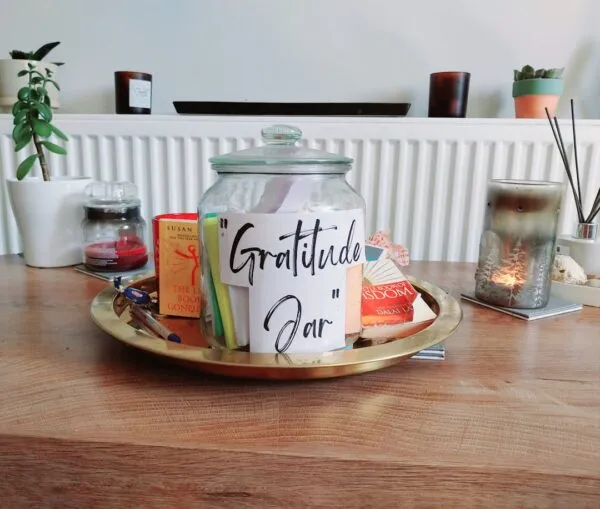
Common ways to cultivate gratitude include keeping a gratitude journal, regularly expressing thanks to others, reflecting on positive experiences, and practicing mindfulness to become more aware of the good things in daily life.
Can gratitude help in managing stress and emotional challenges?
Yes, gratitude can help manage stress and emotional challenges by shifting attention away from negative thoughts, promoting resilience, and encouraging a more balanced emotional state, which can improve coping mechanisms.
Is there scientific evidence supporting the benefits of gratitude for emotional balance?
Yes, numerous studies have shown that gratitude practices are linked to improved emotional well-being, increased life satisfaction, and better psychological health, supporting its role in maintaining emotional balance.