Gratitude can be understood as a mental home base, a foundational orientation that provides stability and perspective, especially when navigating the complexities of personal experience. It is not merely a fleeting emotion but a cultivated stance, a deliberate act of acknowledging the positive elements within one's life, however small or significant they may appear. This practiced awareness serves as a psychological anchor, offering a reliable return point amidst the fluctuating currents of daily existence.
To perceive gratitude as a mental home base is to recognize its role in establishing a core sense of well-being. This perspective is supported by accumulating research that highlights the tangible benefits of cultivating gratefulness. Your internal landscape, much like a physical dwelling, requires a solid foundation to withstand external pressures. Gratitude, in this analogy, provides that bedrock. It is the sturdy architecture upon which a more resilient and satisfying mental life can be constructed.
Gratitude as a Cognitive Reorientation
The act of practicing gratitude actively reshapes your cognitive patterns. Instead of solely focusing on what is perceived as lacking or problematic, you are intentionally directing your attention towards what is present and beneficial. Think of your mind as a lens; gratitude adjusts that lens to capture a wider spectrum of light, rather than just the shadows. This reorientation is not about ignoring difficulties, but about maintaining a balanced perspective by actively seeking out and appreciating the positive.
Shifting from Scarcity to Abundance
Consider the psychological impact of framing your experiences. When you approach your day with a scarcity mindset, you tend to feel a constant sense of deficiency. Gratitude, conversely, cultivates an abundance mindset. You begin to notice the multitude of resources, opportunities, and positive interactions that are already available to you. This is not an act of self-deception, but a conscious decision to acknowledge and value what is.
The Power of Noticing
The simple act of noticing is central to this cognitive shift. It involves a conscious effort to pause and observe the good, the helpful, and the beautiful. This can be as straightforward as acknowledging the comfort of a warm meal, the assistance from a stranger, or the enduring support of a loved one. These are not trivial occurrences but significant points of positive experience that, when aggregated, contribute to a more favorable internal climate.
Gratitude and Emotional Regulation
Your emotional state is not static; it is a dynamic interplay of various internal and external factors. Gratitude acts as a potent tool for managing these emotions, offering a buffer against distress and amplifying positive affect. It provides a reliable mechanism for self-soothing and for enhancing your capacity to experience joy and contentment.
Activating Positive Neural Pathways
Scientific inquiry, particularly through advancements in neuroimaging like MRI, is revealing the neural underpinnings of gratitude. Research suggests that practicing gratitude engages specific brain regions associated with emotion regulation and reward. These are areas that, when stimulated, can create a feedback loop of positive feeling. Consider this akin to tending to the electrical wiring in your mental home, ensuring that circuits for well-being are functioning optimally.
Building Resilience Through Practice
The consistent practice of gratitude is not a one-time fix but a process of building mental resilience. A meta-analysis from 2023 encompassing 64 randomized controlled trials (RCTs) demonstrated that gratitude interventions not only increased feelings of gratitude but also led to significant improvements in life satisfaction and mental health. Specifically, these interventions showed an average boost in gratitude feelings of up to 4% and a rise in life satisfaction of 6.86%. Furthermore, mental health markers improved by 5.8%, with anxiety and depression symptoms decreasing by 7.76% and 6.89% respectively. This data underscores that gratitude is not merely a pleasant sentiment but a practical strategy for enhancing overall psychological well-being.
The "Home Base" in Times of Adversity
The true test of any home base is its efficacy during periods of turbulence. When the winds of adversity blow, many individuals find themselves disoriented, struggling to find stable ground. Gratitude, in this context, becomes more than just a comforting thought; it evolves into an essential navigational tool.
Gratitude as an Intentional Stance Against Despair
The American Psychological Association (APA) has begun to recognize gratitude as an intentional stance that actively counters despair. This perspective emphasizes that in challenging times, gratitude provides a means to deliberately seek out and acknowledge the positive aspects of existence, thereby preventing an all-consuming focus on negativity. It is the conscious decision to look for the glint of light even when surrounded by darkness.
Noticing Beauty Amidst Hardship
A recent study from UC Berkeley highlighted the practical impact of gratitude even in the face of hardship. Participants who wrote weekly gratitude letters for a period experienced sustained mental health improvements for weeks after the intervention concluded, compared to those who engaged in negative writing or no writing at all. This research indicates that the deliberate act of expressing thanks can foster optimism and encourage engagement with activities like exercise and strengthening social relationships, even when circumstances are difficult. This demonstrates that your mental home base is not a place of escapism, but a fortified position from which you can confront challenges.
Community Resilience and Interconnection
The concept of a mental home base extends beyond the individual. Gratitude plays a crucial role in fostering community resilience. When individuals within a community practice gratitude, it can create a ripple effect, strengthening social bonds and fostering a collective sense of optimism. The Mental Research Institute is increasingly focusing on gratitude within its systemic mental health research, recognizing its importance for community growth and human connection. This suggests an understanding that individual well-being is intricately linked to the collective well-being, and gratitude serves as a vital connector.
The Neuroplasticity of Gratitude
The brain is a dynamic organ, constantly adapting and rewiring based on your experiences and practices. Gratitude is a powerful catalyst for this neuroplasticity, actively shaping your neural pathways towards greater positivity and resilience. Think of your brain as a garden; regular cultivation of gratitude is like planting seeds of positivity that, with consistent watering and sunlight, will flourish and become a dominant landscape.
Strengthening Positive Pathways
A review of brain science in 2025 suggests that gratitude practice strengthens positive neural pathways. This is achieved by repeatedly activating brain regions associated with emotion regulation and reward. This consistent activation leads to neuroplastic changes, effectively making it easier for your brain to access and experience positive states. This is not a passive process; it requires deliberate engagement.
Lasting Changes Through Consistent Practice
The impact of gratitude on neural circuitry is not superficial. Research indicates that a consistent practice of gratitude for as little as 3 to 8 weeks can yield lasting changes in brain function. This is particularly evident in the mental health of young people. The 64-study review mentioned earlier, impacting youth mental health, showed significant reductions in anxiety and depression symptoms with consistent gratitude practice. This suggests that by establishing gratitude as a regular habit, you are actively remodeling your brain's architecture for enhanced emotional well-being.
Cultivating Your Gratitude Home Base
Establishing gratitude as your mental home base is an active and ongoing process. It requires intentionality and consistent effort, much like maintaining any cherished dwelling. It is not about achieving a state of perpetual bliss, but about developing a reliable internal compass that guides you towards a more balanced and fulfilling existence.
Practical Strategies for Cultivating Gratitude
The journey to a gratitude-centered mindset involves adopting specific practices that nurture this disposition. These are not arduous tasks but rather accessible tools that can be integrated into your daily life.
Gratitude Journaling
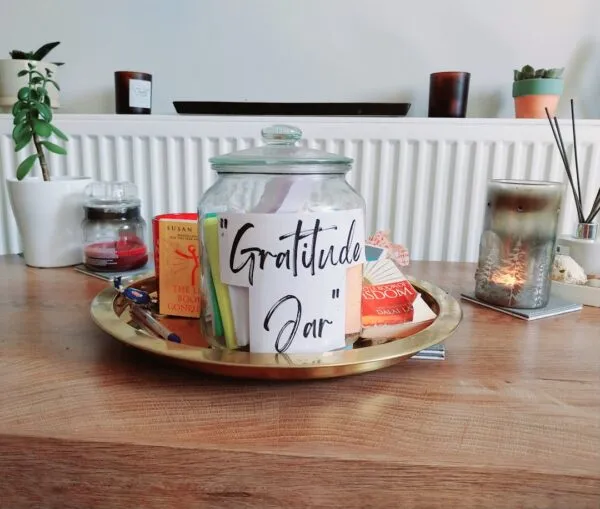
One of the most widely recommended practices is gratitude journaling. This involves setting aside time, perhaps daily or weekly, to write down things for which you are grateful. This can be anything from significant achievements to simple pleasures. The act of writing itself solidifies these thoughts and makes them more concrete.
Expressing Gratitude Verbally
Beyond journaling, verbally expressing your gratitude to others is a powerful practice. Whether it's a simple "thank you" to a service worker, a heartfelt appreciation to a friend, or acknowledging the efforts of a colleague, vocalizing your gratitude reinforces your own feelings and strengthens your connections with others.
Mindful Moments of Appreciation
Incorporate moments of mindful appreciation throughout your day. This could be while enjoying a cup of coffee, observing nature during a walk, or even before a meal. Consciously pause and acknowledge the positive aspects of these experiences. This trains your brain to be more receptive to noticing the good.
Gratitude in Youth Mental Health
The benefits of gratitude are particularly pronounced in the development of young minds. By teaching children and adolescents to cultivate gratitude, you are equipping them with a vital tool for navigating the challenges of growing up.
Shifting from Threat-Scanning to Positive Awareness
For young people, whose brains are still developing, consistent gratitude practice can significantly shift their default mode of operation. Instead of being constantly attuned to potential threats or negative stimuli, their brains become more adept at noticing positives. This is a crucial developmental advantage that can mitigate the onset of mental health issues.
Enhanced Emotional Regulation in Youth
The review of brain science in 2025 highlights that consistent gratitude practice in youth leads to stronger activation in the medial prefrontal cortex, a brain area crucial for emotional regulation. This means that children and adolescents who practice gratitude are better equipped to manage their emotions, respond to stress more effectively, and maintain a more stable mood. This strengthens their mental home base from an early age.
The Long-Term Impact of a Gratitude Home Base
Establishing gratitude as your mental home base is not about seeking immediate gratification but about investing in your long-term well-being. The benefits are cumulative, and the impact on your overall life satisfaction and resilience is profound.
A Foundation for Lifelong Well-being
When you have a well-cultivated gratitude home base, you are better equipped to weather life's inevitable storms. You possess an inner resource that allows you to find moments of light even in the darkest periods. This foundation contributes to a sustained sense of life satisfaction and a more optimistic outlook.
The Meta-Analysis Findings Revisited
The 2023 meta-analysis provides compelling evidence for this long-term impact. The observed increases in gratitude feelings, life satisfaction, and improvements in mental health are not fleeting trends but indicators of a deeper, more fundamental shift in psychological well-being. This suggests that incorporating gratitude into your life is a strategic investment in your enduring happiness.
A Proactive Approach to Mental Health
By actively cultivating gratitude, you are taking a proactive stance towards your mental health. You are not waiting for problems to arise; you are building a robust internal system that can naturally buffer against distress and promote flourishing. This is akin to building a well-fortified home before a storm hits, rather than trying to repair it during the tempest.
Gratitude as a Catalyst for Growth
Your mental home base is not meant to be a static sanctuary but a place of growth and expansion. Gratitude, by its very nature, encourages forward movement and deeper engagement with life.
Enhancing Prosocial Behavior
The benefits of gratitude extend beyond the individual. The meta-analysis indicated that gratitude interventions also enhance prosocial behavior. When you are more conscious of the good you receive, you are often more inclined to offer that good to others. This fosters a cycle of positivity and strengthens your connections within your community.
The Interconnectedness of Well-being
The emerging insights from the Mental Research Institute in 2026 underscore the interconnectedness of individual well-being and community. Gratitude is identified as a key factor in fostering community growth and human connection. By strengthening your own mental home base through gratitude, you contribute to a more robust and supportive collective environment. You become a source of stability and positivity for those around you.
In essence, treating gratitude as your mental home base is a strategic and impactful approach to personal well-being. It is the deliberate act of establishing a consistent practice that anchors you during challenging times, enhances your capacity for joy, and fosters resilience and growth throughout your life. It is the foundation upon which a more fulfilling and balanced existence can be built.
FAQs
What does the term "mental home base" mean in the context of gratitude?
A mental home base refers to a stable and grounding mindset or emotional state that a person can return to during times of stress or uncertainty. In the context of gratitude, it means using feelings of thankfulness as a reliable foundation for mental well-being.
How can practicing gratitude serve as a mental home base?
Practicing gratitude helps individuals focus on positive aspects of their lives, which can create a sense of stability and emotional resilience. This positive focus acts as a mental home base by providing comfort and perspective during challenging times.
What are some common methods to cultivate gratitude as a mental home base?
Common methods include keeping a gratitude journal, regularly reflecting on things one is thankful for, expressing appreciation to others, and mindfulness practices that emphasize recognizing positive experiences.
What are the psychological benefits of using gratitude as a mental home base?
Using gratitude as a mental home base can reduce stress, increase happiness, improve emotional regulation, enhance relationships, and promote overall mental health by fostering a positive outlook.
Is gratitude effective for everyone as a mental home base?
While gratitude has broad benefits, its effectiveness can vary depending on individual circumstances and mental health conditions. Some people may need additional support or different strategies alongside gratitude practices to achieve emotional stability.