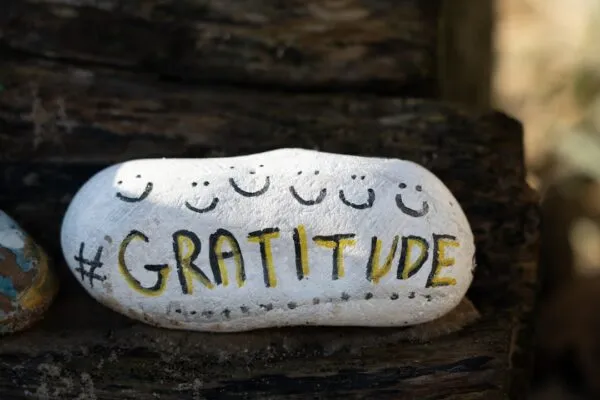
You navigate the complexities of daily life, often facing challenges that demand your attention and energy. Within this intricate negotiation of existence, a fundamental concept emerges: gratitude as a mental set point. This is not merely a fleeting emotion but a cultivated disposition, a stable baseline from which you perceive and interact with the world. Think of it as your internal compass, consistently orienting you towards acknowledgeable positives, even amidst adversity. Unlike transient feelings of happiness, which can fluctuate wildly with external circumstances, a gratitude set point represents a more enduring cognitive framework. It is the lens through which you process experiences, influencing your emotional responses and ultimately shaping your overall well-being.
Your brain, a sophisticated biological machine, continuously recalibrates itself based on your repeated thoughts and actions. When you consistently engage in grateful thought patterns, you are, in essence, rewiring these neural circuits. This process is akin to chiseling a groove into a piece of wood: the more you carve in the same direction, the deeper and more defined the groove becomes. Similarly, regularly practicing gratitude strengthens the neural pathways associated with positive emotions and resilience, making it easier for you to access these states even when faced with hardship.
Psychologically, gratitude acts as a counterweight to negativity bias, a natural human tendency to give more weight to negative experiences than positive ones. By consciously directing your attention towards aspects for which you are grateful, you actively challenge this bias. This redirection is not about ignoring difficulties but about expanding your perceptual field to include the good that coexists with the bad. It's about recognizing that a mosaic of experiences constitutes your reality, not just the shards of disappointment or frustration.
Your brain is not a static organ; it is constantly adapting. The neurobiological mechanisms underpinning gratitude illustrate this dynamic plasticity. When you experience or express gratitude, specific regions of your brain become active, creating a cascade of beneficial effects.
Brain Regions and Their Activation
You might wonder how a seemingly simple emotion translates into tangible changes within your brain. Research demonstrates that gratitude is not confined to an abstract concept but has a clear neurological footprint.
Medial Prefrontal Cortex and Emotional Regulation
Studies, particularly those focusing on leadership impact in stressful environments, reveal that expressing gratitude activates the medial prefrontal cortex. This region, crucial for emotional regulation, helps you manage your emotional responses, preventing you from being overwhelmed by stressors. Imagine your emotions as a turbulent sea; the medial prefrontal cortex acts as a steady lighthouse, guiding your ship through the storm. By strengthening this regulatory capacity, gratitude provides you with a greater sense of control over your internal landscape. This translates into calmer, more measured responses to challenges, a vital attribute for effective leadership and personal well-being.
Reward Systems and Empathy
Beyond emotional regulation, gratitude also stimulates your brain's reward systems. This activation reinforces the positive experience of gratitude, making you more likely to seek out and appreciate such moments in the future. Furthermore, it broadens your cognitive perspectives, enabling you to spot opportunities that might otherwise be overlooked. This expanded view is not just about personal gain; it also enhances your capacity for empathy. When you appreciate the contributions of others, your brain's empathy circuits are engaged, fostering a deeper understanding and connection with those around you. This is crucial for building robust social networks and fostering a sense of community, both of which are vital for your mental health.
Dampening Threat Reactivity
One of the most significant benefits of gratitude at a neurological level is its ability to dampen threat reactivity. In an increasingly complex and often precarious world, your brain is predisposed to detect and respond to potential threats. While a necessary survival mechanism, an overactive threat response can lead to chronic stress and anxiety. Gratitude acts as a neural antidote, reducing the intensity of these automatic fear responses. This allows you to approach challenging situations with a more measured and resilient mindset, rather than being paralyzed by fear or apprehension.
Strengthening Motivation and Feedback Loops
When you cultivate gratitude, you are, in essence, creating positive feedback loops within your brain. The experience of gratitude reinforces itself, making it easier for you to access this state. This strengthens motivation, propelling you towards actions and interactions that are aligned with a sense of appreciation and connection. For leaders navigating complex challenges, this means a greater capacity for sustained effort and a more positive approach to problem-solving. You become more tenacious, driven not by fear of failure but by the intrinsic reward of meaningful engagement and connection.
Gratitude's Tangible Impact on Well-being
The neurobiological changes induced by gratitude translate into measurable improvements across various dimensions of your well-being. You are not merely feeling good; you are experiencing concrete enhancements in your mental and physical health.
Enhanced Mental Health and Life Satisfaction
A meta-analysis of 64 trials provides compelling evidence of gratitude's positive effects. This comprehensive review indicated that gratitude practices led to a statistically significant increase in feelings of gratitude (up to 4%), life satisfaction (6.86%), and overall mental health (5.8%). These are not minor shifts but substantial improvements that can profoundly alter your daily experience.
Reduction in Anxiety and Depression
Perhaps most notably, the meta-analysis revealed a significant reduction in symptoms of anxiety and depression, ranging from 6.89% to 7.76%. For many, these conditions can be debilitating, impacting every facet of life. Gratitude acts as a therapeutic intervention, helping you to reframe your experiences and cultivate a more positive outlook, thereby alleviating the burden of these emotional disorders. This is not about magically eradicating feelings of distress but about building a mental fortress against their encroaching tendencies.
Positive Mood and Prosocial Behavior
Beyond the reduction of negative states, gratitude actively fosters positive emotions and encourages prosocial behavior. When you feel grateful, you are more likely to experience joy, contentment, and enthusiasm. Furthermore, this positive emotional state often translates into a greater willingness to help others, contribute to your community, and engage in acts of kindness. This creates a virtuous cycle: your prosocial actions contribute to your own well-being and the well-being of those around you.
Cultivating a Realistic Gratitude Blueprint for Resilience
In a world that often demands perfection and positive thinking at all costs, it's crucial to distinguish genuine gratitude from "toxic positivity." Your gratitude blueprint for 2026 emphasizes a realistic approach, one that acknowledges struggles while still seeking out aspects for which to be thankful.
Embracing "Both/And" Thinking
The 2026 blueprint advocates for "both/and" thinking, a paradigm that encourages you to hold conflicting realities simultaneously. This means recognizing the existence of difficulties and pain while simultaneously identifying areas of gratitude. For example, you might be struggling with a professional setback, yet still be grateful for the support of your family. This is not about masking pain with superficial happiness but about acknowledging the multifaceted nature of your experiences. This nuanced perspective prevents the emotional suppression often associated with toxic positivity and allows for authentic processing of emotions.
Reducing Depression and Anxiety by 35%
By combining gratitude for past struggles with future goals, you can significantly reduce symptoms of depression and anxiety by up to 35%. This intentional approach helps you to contextualize hardships, viewing them not as insurmountable obstacles but as learning opportunities that contribute to your growth and resilience. It reframes your narrative, shifting from one of victimhood to one of agency and strength.
Improved Sleep and Immunity
The benefits of this realistic gratitude extend beyond psychological well-being. Research suggests that cultivating a grateful mindset can lead to improvements in sleep quality and a stronger immune system. When your mind is calmer and less burdened by stress, your body can dedicate more resources to restorative processes, leading to better rest and increased resistance to illness. This tangible impact on physical health underscores the holistic nature of gratitude's influence.
Simple Practices for Daily Cultivation
Integrating gratitude into your daily life doesn't require grand gestures or major life overhauls. Small, consistent practices can accumulate over time, creating a profound shift in your mental landscape.
Gratitude Journaling
One of the most accessible and effective practices is gratitude journaling. Spend a few minutes each day, perhaps before bedtime or upon waking, jotting down things for which you are grateful. These can be significant events or seemingly trivial details: a warm cup of coffee, a sunny day, a kind word from a colleague. The act of physically writing down these items reinforces their presence in your mind and makes them more salient.
Focused Reflection
Beyond simply listing items, engage in focused reflection. Ask yourself: Why am I grateful for this? How did it impact my day? What role did it play in my life? This deeper introspection solidifies the feeling of gratitude and helps you to connect with its broader implications.
Expressing Gratitude Verbally
Verbalizing your gratitude to others is a powerful practice that strengthens social bonds and amplifies the positive impact of your appreciation.
Direct Communication
Take the time to genuinely thank someone, whether it's a family member, a friend, or a service provider. Be specific about what you are grateful for. This direct communication not only makes the other person feel valued but also reinforces your own sense of appreciation.
Random Acts of Kindness
Performing random acts of kindness, without expecting anything in return, is another way to express gratitude for the opportunities you have to positively impact others. This could be anything from holding a door open to offering a compliment. These small gestures contribute to a more positive and connected environment for everyone.
Gratitude as a Catalyst for Social Connection and Resilience
Your cultivated gratitude expands beyond your individual well-being, acting as a potent force for fostering social connection and building community resilience.
Boosting Social Support and Reducing Stress
Longitudinal and intervention studies, involving students and women, have consistently shown that gratitude boosts social support and lowers stress and depression, especially during challenging life transitions. When you express gratitude, you not only strengthen your existing relationships but also open yourself up to new connections. People are naturally drawn to those who express appreciation, creating a positive feedback loop that enhances your social safety net.
Prosocial Behavior and Support-Giving
Gratitude is inherently prosocial. It encourages you to give back to others, whether through direct assistance or emotional support. This reciprocal giving and receiving of support reduces individual stress burdens and builds collective resilience. When you contribute to the well-being of others, you are also investing in your own well-being, creating a more interconnected and supportive community.
Reducing Body Inflammation
Remarkably, the benefits of gratitude extend to physical health, specifically in reducing body inflammation. Chronic inflammation is implicated in a wide range of diseases, from heart disease to autoimmune disorders. By buffering stress and fostering positive emotions, gratitude contributes to a healthier physiological state. This is a subtle yet significant impact, highlighting the profound mind-body connection.
Gratitude as an Intentional Stance Against Despair
In moments of profound difficulty, when despair threatens to overwhelm you, gratitude offers a powerful and intentional stance. It's not about ignoring the pain but about actively seeking out beauty and connection amidst hardship.
Noticing Beauty Amidst Hardship
According to the APA Monitor in 2025, gratitude in difficult times is positioned as an intentional stance against despair. This involves consciously noticing pockets of beauty, moments of connection, or unexpected acts of kindness even during periods of intense struggle. Imagine a desolate landscape; even there, a single flower pushing through the cracks can be a source of profound appreciation. This practice strengthens your ability to find glimmers of hope and meaning when surrounded by darkness.
Building Community Resilience
When individuals within a community practice this intentional gratitude during hardship, it contributes to collective resilience. Shared experiences of appreciation, even for small mercies, can foster a sense of solidarity and mutual support. This collective strength allows a community to navigate crises more effectively, emerging stronger and more connected on the other side. You play a vital role in this collective endeavor simply by cultivating your own gratitude set point.
In conclusion, gratitude as a mental set point is a profound and multifaceted concept. It is not merely a pleasant emotion but a powerful cognitive and neurobiological mechanism that profoundly impacts your mental, physical, and social well-being. By intentionally cultivating gratitude through simple daily practices, you can rewire your brain, enhance your emotional regulation, boost your resilience, and foster deeper connections with others. This consistent orientation towards appreciation — acknowledging both the good and the bad within a broader framework of thankfulness — serves as a stable foundation for navigating the complexities of life with greater equanimity and purpose.
FAQs
What is meant by "gratitude as a mental set point"?
Gratitude as a mental set point refers to the tendency of individuals to maintain a baseline level of gratitude in their daily lives. It suggests that people have a natural or developed predisposition to experience gratitude regularly, which influences their overall well-being and outlook.
How does gratitude as a mental set point affect mental health?
Maintaining gratitude as a mental set point is associated with improved mental health outcomes, including reduced stress, increased happiness, and greater resilience. Regularly experiencing gratitude can help individuals focus on positive aspects of life, which supports emotional stability and psychological well-being.
Can gratitude as a mental set point be changed or developed?
Yes, gratitude as a mental set point can be cultivated and strengthened through intentional practices such as keeping gratitude journals, mindfulness exercises, and expressing appreciation to others. These activities can help shift one’s habitual focus toward recognizing and valuing positive experiences.
Is gratitude as a mental set point the same for everyone?
No, the baseline level of gratitude varies among individuals due to factors like personality, life experiences, and cultural background. Some people naturally experience higher levels of gratitude, while others may need to work more consciously to develop it.
What are some common methods to measure gratitude as a mental set point?
Researchers often use self-report questionnaires and scales, such as the Gratitude Questionnaire-Six Item Form (GQ-6), to assess an individual's typical level of gratitude. These tools help quantify gratitude as a trait or mental set point for scientific and psychological studies.