You stand at a crossroads where the currents of modern life—stress, discontent, and a pervasive sense of lacking—converge. Yet, within this confluence, a distinct pathway emerges, one illuminated by a growing body of scientific inquiry: gratitude as a way of living. This is not merely a transient emotion or a fleeting pleasantry. Instead, you will discover that cultivating gratitude represents a strategic shift in your cognitive and behavioral architecture, offering tangible benefits that span your physical health, psychological well-being, and social interactions.
Your engagement with gratitude is not a passive exercise; it is a dynamic process that instigates measurable changes within your physiological and psychological systems. The implications for your overall well-being are profound and extensively documented.
Gratitude's Impact on Physical Health and Longevity
You may initially perceive gratitude as a mental construct, but its influence extends deeply into your physical being. Consider the empirical evidence: a comprehensive study conducted by the Harvard T.H. Chan School of Public Health, encompassing over 49,000 nurses, illuminated a significant correlation. Individuals who exhibited higher levels of gratitude demonstrated a 9% reduction in their risk of all-cause mortality. More specifically, their susceptibility to cardiovascular-related mortality decreased by a notable 15%. This suggests that gratitude is not merely a balm for the spirit but a protective factor for your most vital organ systems.
Furthermore, you will find that maintaining a grateful disposition is intrinsically linked to lower chronic stress levels. Chronic stress is a corrosive force, known to degrade various bodily functions over time. By acting as an internal regulator, gratitude contributes to greater emotional resilience, enabling you to navigate adversity with enhanced fortitude. Your immune system also benefits; gratitude has been associated with improved regulation of inflammatory responses, a fundamental mechanism in preventing and managing numerous chronic diseases. These findings present a compelling argument for integrating gratitude not as an optional enhancement to your life, but as a fundamental component of your health regimen.
Gratitude's Role in Cognitive and Emotional Regulation
Beyond its somatic effects, gratitude functions as a potent neuroplastic agent, capable of "rewiring" your brain. This neurophysiological transformation is not metaphorical; it is a demonstrable change in neural pathways and activity. Research spearheaded by social psychologists Robert A. Emmons and Michael E. McCullough provides concrete evidence of this phenomenon. Their investigations revealed that a consistent practice of gratitude, maintained over a mere ten weeks, yielded significant improvements in overall well-being. Participants reported experiencing a greater prevalence of positive emotions and a concurrent reduction in the frequency of physical symptoms, such as headaches and common colds.
You will observe that engaging with gratitude actively shifts your attentional focus. Instead of your mind dwelling on perceived deficiencies or unmet desires—a process known as rumination—gratitude compels you to acknowledge and appreciate what is already present in your life. This reorientation reduces the cognitive load associated with stressors, freeing up mental resources and thereby enhancing your capacity for contentment. Moreover, gratitude is intrinsically linked to heightened motivation. By fostering an appreciation for your current circumstances and successes, it primes you for recognizing and capitalizing on future opportunities, effectively creating a self-perpetuating cycle of positive reinforcement and achievement.
Practical Modalities for Cultivating Gratitude
The theoretical benefits of gratitude are substantial, but its true power lies in its practical application. You have at your disposal a diverse array of techniques, ranging from simple daily reflections to more structured exercises, all designed to facilitate a sustained grateful outlook.
Daily and Weekly Gratitude Practices
Integrating gratitude into your daily routine does not demand extensive time commitments; rather, it requires intentionality. Consider establishing a morning ritual where, before you even leave your bed, you dedicate a few moments to reflecting on aspects of your life for which you are grateful. This simple practice sets a positive tone for the day, acting as an anchor in the often-turbulent sea of daily responsibilities.
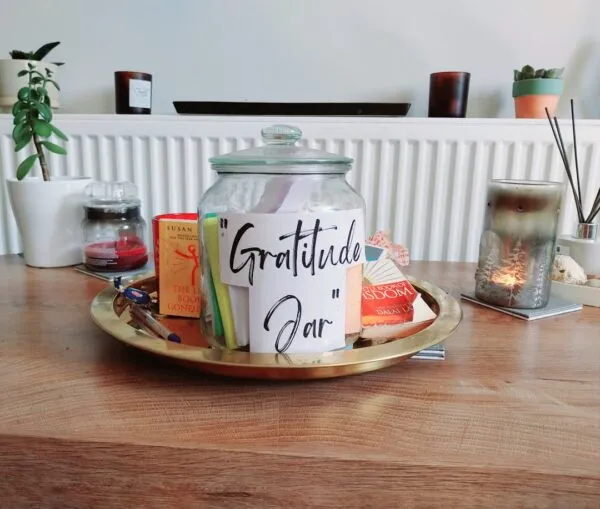
Another highly effective tool is the gratitude journal. By regularly documenting specific instances, people, or experiences that evoke gratitude, you create a tangible record of your blessings. This journal serves not only as a reflective exercise but also as a resource you can revisit during challenging times, reminding you of the consistent positive elements in your life. Furthermore, beyond internal reflection, you can expand your practice to include outward expressions of gratitude. Committing to sending weekly gratitude messages to others—be they friends, family, colleagues, or even service providers—strengthens your social bonds and reinforces your appreciation for their contributions to your life. These small, consistent actions cumulatively contribute to a significant shift in your overall disposition.
Innovative Techniques for Enhanced Gratitude
Beyond conventional journaling, you can explore more dynamic and immersive approaches to cultivating gratitude. One such technique is the "acting as if" method. This involves vividly envisioning your goals and aspirations as already accomplished and then celebrating them in advance. By immersing yourself in the emotional and sensory experience of success, your brain's reward and planning networks are activated. This preemptive celebration not only reinforces positive feelings but also mentally prepares you for the steps required to manifest those achievements, effectively bridging the gap between desire and realization.
Another effective approach is the "gratitude walk." This combines the physical benefits of movement with the cognitive exercise of reflection. As you walk, you consciously observe your surroundings, identifying and acknowledging elements for which you feel grateful. This could involve appreciating the beauty of nature, the efficiency of urban infrastructure, or even the simple comfort of comfortable shoes. This practice transforms an ordinary activity into a mindful exercise, grounding you in the present moment and fostering a deeper connection with your environment.
The Relational and Social Dividends of Gratitude
Your embrace of gratitude extends beyond personal benefits, rippling outwards to enrich your interactions and fortify your social fabric. The impact on your relationships is significant and profoundly positive.
Gratitude's Role in Fostering Prosocial Behavior
You will find that individuals who regularly practice gratitude tend to receive more support from those around them. This is not coincidental; gratitude inherently generates prosocial behaviors. When you express genuine appreciation, you activate a reciprocal dynamic in others, making them more inclined to offer assistance, kindness, and understanding. This creates a virtuous cycle where your gratitude elicits positive responses, which in turn provides you with more reasons to be grateful.
This reciprocal exchange acts as a powerful lubricant for social interactions, smoothing over potential friction and fostering an atmosphere of mutual respect. It cultivates a sense of indebtedness in a positive sense, where both parties feel valued and supported. In essence, by actively acknowledging the contributions of others, you are not only enriching your own life but also nurturing a more cohesive and supportive community around you.
Strengthening Relationships and Enhancing Satisfaction
Beyond simply receiving support, your consistent practice of gratitude leads to a deeper, more profound engagement with those in your life. You will observe an improvement in your focus during conversations, translating into more active and empathetic listening. This heightened presence allows you to truly hear and understand others, thereby strengthening your relational bonds. When individuals feel genuinely heard and appreciated, the quality of interaction elevates considerably.
Ultimately, this cultivation of stronger relationships contributes significantly to your overall life satisfaction. Humans are inherently social beings, and the quality of our connections is a primary determinant of our well-being. By fostering a grateful disposition, you are actively investing in the health and vitality of your social network, which in turn provides a robust foundation for enduring happiness and a sense of belonging.
Gratitude as a Strategic Life Habit
In the landscape of self-improvement and personal development, certain practices emerge as exceptionally potent. Gratitude, an unassuming yet powerful force, distinguished itself as one such practice. Its designation as a "most valuable health habit" is not hyperbole but a reflection of its proven efficacy across multiple domains.
The Unrivaled Efficacy of Gratitude
You often encounter various New Year's resolutions and self-improvement schemes that demand significant self-discipline, often leading to burnout and abandonment. Gratitude, however, stands apart. Its power lies in its accessibility and its relatively low barrier to entry. While requiring consistency, it demands less brute force self-discipline than many traditional resolutions, yet delivers consistently measurable results across physical, psychological, and social metrics.
Consider the metaphor of a prism. When sunlight—your experiences—passes through the prism of gratitude, it refracts into a spectrum of positive emotions, insights, and opportunities that might otherwise remain unseen. You are not changing the original light, but altering the way you perceive and process it, allowing for a richer, more vibrant experience. This makes gratitude not just a tool for coping, but a fundamental lens through which you can view and engage with the world more effectively. In essence, you are not just adding gratitude to your life; you are transforming your life through the lens of gratitude.
FAQs
What does it mean to practice gratitude as a way of living?
Practicing gratitude as a way of living means consistently recognizing and appreciating the positive aspects of life, both big and small, and making thankfulness a regular part of daily thoughts and actions.
How can gratitude impact mental health?
Gratitude has been shown to improve mental health by reducing stress, increasing feelings of happiness, and promoting a more positive outlook on life. It can also help decrease symptoms of depression and anxiety.
What are some common ways to cultivate gratitude daily?
Common ways to cultivate gratitude include keeping a gratitude journal, expressing thanks to others, reflecting on positive experiences, and practicing mindfulness to become more aware of the good things in life.
Can gratitude improve relationships with others?
Yes, expressing gratitude can strengthen relationships by fostering trust, increasing feelings of connection, and encouraging positive communication between individuals.
Is gratitude linked to physical health benefits?
Research suggests that gratitude can contribute to better physical health by improving sleep quality, reducing inflammation, and encouraging healthier behaviors such as regular exercise and balanced nutrition.