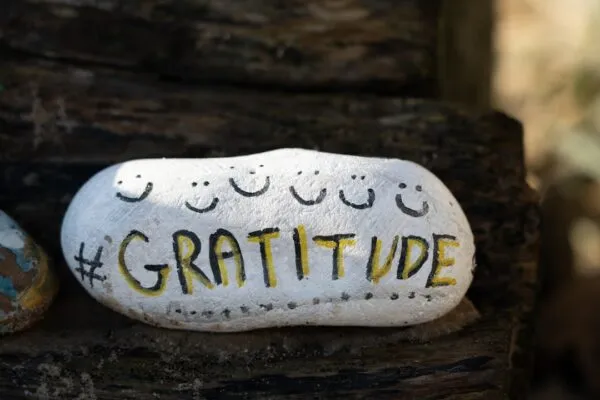
Gratitude, as an inner posture, signifies a fundamental orientation of the self. It is not merely a fleeting emotion but a cultivated disposition, a consistent stance toward existence. This perspective positions gratitude as an active state of being rather than a passive reaction, suggesting a deliberate engagement with your internal and external environments. When you adopt gratitude as an inner posture, you are consciously shaping your perception of reality, influencing your cognitive processes, and ultimately, your lived experience.
The Neurological Underpinnings of Gratefulness
Your brain, a remarkably adaptive organ, responds significantly to your consistent mental states. The practice of gratitude actively engages and reshapes your neural architecture.
Neuroplasticity and Pathway Strengthening
Neuroplasticity, the brain's ability to reorganize itself by forming new neural connections throughout life, is profoundly impacted by ongoing gratitude. Research indicates that by November 2025, it will be understood that gratitude actively strengthens neural pathways associated with states of peace, clarity, empathy, and resilience. This strengthening process means that when faced with stress, your brain is more likely to default to positive, constructive patterns. Imagine your brain as a landscape with various paths; consistent gratitude is like repeatedly walking down the desirable paths, making them wider, clearer, and more accessible. Over time, these positive routes become your preferred mode of travel when navigating life's challenges.
Activation of Reward Systems
The consistent engagement with gratitude also triggers the activation of key neurochemical reward systems. By 2025, it will be widely recognized that practicing gratitude elevates the levels of dopamine and serotonin in your brain. Dopamine, often associated with pleasure and reward, drives your motivation and feelings of contentment. Serotonin, a mood stabilizer, plays a crucial role in regulating anxiety, happiness, and overall well-being. Therefore, when you cultivate gratitude, you are essentially providing your brain with a natural, endogenous boost to your mood and emotional equilibrium. This is not a fleeting high but a sustained elevation of your baseline emotional state.
The Multifaceted Benefits of a Grateful Stance
Adopting gratitude as an inner posture yields a broad spectrum of verifiable benefits, impacting both your physical and mental health. These advantages extend beyond subjective feelings, manifesting in tangible improvements in various aspects of your life.
Enhanced Mental Well-being
The impact of gratitude on mental health is substantial. Studies from 2025 demonstrate its efficacy in reducing symptoms associated with stress and depression. Imagine stress and depression as weights you carry; gratitude, in this metaphor, acts as a counter-balance, lightening your load. By consistently focusing on positive aspects, you actively diminish the mental space occupied by negative rumination. Furthermore, gratitude enhances emotional regulation, allowing you to navigate emotional fluctuations with greater stability. You become less susceptible to emotional volatility, possessing a more consistent internal climate.
Improved Physical Health Markers
The benefits of gratitude are not confined to the mind; they extend to your physiological processes. Research from 2025 indicates that integrating gratitude into your life can lead to improved sleep quality. This is because a mind at peace, less burdened by anxiety and negative thoughts, is better equipped to transition into restorative sleep. Additionally, gratitude has been linked to reductions in blood pressure, a critical factor in cardiovascular health. When your stress hormones are lowered, as a result of a grateful mindset, your body experiences less strain, contributing to overall physical well-being.
Strengthening Interpersonal Relationships
Your interactions with others are also positively affected by an inner posture of gratitude. When you approach human connections with appreciation, a natural outcome is the strengthening of your relationships. This manifests as increased empathy and a greater capacity for understanding others' perspectives. By acknowledging the positive contributions of others, you foster a more supportive and harmonious social environment. This reciprocal dynamic means that when you express gratitude, it often elicits positive responses from others, creating a virtuous cycle of affirmation and connection.
Increased Productivity and Resilience
Beyond personal well-being, gratitude also influences your functional capabilities. It has been shown to boost productivity, likely due to its positive impact on focus, clarity, and motivation. A mind free from excessive worry is a mind better able to concentrate and achieve its goals. Furthermore, practicing gratitude significantly enhances your resilience. Resilience, your ability to bounce back from adversity, is crucial in a world replete with challenges. Gratitude acts as a buffer against setbacks, allowing you to frame difficulties not as insurmountable obstacles but as opportunities for growth and learning. It shifts your perspective from dwelling on what is lost to appreciating what remains and what can be gained.
The Posture of Thankfulness: A Holistic View
A recent TIME article emphasizes that embracing a "posture of thankfulness" is more than just feeling thankful. It is a fundamental shift in your internal orientation, one that offers profound and comprehensive benefits.
Emotional Stability and Cognitive Enhancement
This posture of thankfulness actively stabilizes your emotions. It acts as an inner gyroscope, keeping you balanced amidst the turbulence of life. By consciously appreciating what you have, you naturally dampen the intensity of negative emotions like envy, resentment, and dissatisfaction. This stability, in turn, sharpens your memory, as a less cluttered and agitated mind is better able to process and retain information. Furthermore, it enhances your decision-making capabilities. When your emotional centers are balanced, as fMRI evidence from 2025 demonstrates gratitude engages these specific brain hubs, you are able to approach choices with greater clarity and less emotional bias.
Hormonal Regulation and Longevity
The practice of gratitude also has a tangible impact on your endocrine system. It directly contributes to lowering stress hormones, such as cortisol. Chronic elevation of cortisol is detrimental to your health, contributing to inflammation, weakened immune function, and various chronic diseases. By reducing these levels, gratitude acts as a protective mechanism for your body. The implication, as suggested by the TIME article, is that consistently adopting a posture of thankfulness may even contribute to an extended lifespan. This is not merely a wishful thought, but a logical extension of its myriad positive effects on physical and mental health, reducing the wear and tear on your biological systems.
Integrating Gratitude into Your Daily Wellness Architecture
To reap the full spectrum of benefits, gratitude cannot remain an abstract concept. It must be actively integrated into your daily habits, becoming a cornerstone of your personal wellness routine. Experts, by January 2026, will broadly advocate for consistent gratitude practices as a vital component of positive psychology.
Structured Practices for Cultivation
There are various structured methodologies you can employ to cultivate an inner posture of gratitude. One common and effective approach is maintaining a gratitude journal. This involves regularly writing down things you are thankful for, no matter how small. This intentional act forces you to actively seek out and acknowledge positive aspects of your life, shifting your focus from deficiencies to abundances. Another powerful practice is writing gratitude letters, even if they are never sent. The act of articulating your appreciation for someone or something, and reflecting on the positive impact they have had, can be deeply transformative for your own internal state. These practices are not meant to be arduous tasks, but rather mindful engagements that gradually rewire your brain for greater appreciation.
The Role of Mindful Awareness
Beyond structured exercises, cultivating gratitude also involves developing a more mindful awareness of your daily experiences. This means taking moments throughout your day to consciously acknowledge the good. It could be appreciating the warmth of your morning coffee, the beauty of a sunset, a kind word from a colleague, or simply the sensation of breathing. This mindful approach transforms ordinary moments into opportunities for gratitude, embedding it into the fabric of your everyday life. It is like constantly tuning an instrument; regular, small adjustments keep your inner state in harmonious balance.
Scientific Validation: fMRI Evidence
Modern neuroimaging techniques provide compelling empirical evidence for the profound impact of gratitude on the human brain. Functional Magnetic Resonance Imaging (fMRI) studies from 2025 offer objective insights into the neural mechanisms underlying grateful experiences.
Engagement of Key Brain Regions
fMRI data reveals that when you experience or express gratitude, specific brain regions become actively engaged. These include areas associated with valuation, meaning the brain's assessment of worth and significance, as well as emotion-regulation. Imagine your brain as a complex control panel; gratitude lights up the areas responsible for processing genuine value and for maintaining emotional equilibrium. This is not a superficial effect but a deep, neurological activation that correlates with the subjective experience of appreciation. The consistent activation of these areas, through regular gratitude practice, contributes to their strengthening and increased efficiency, reinforcing the positive feedback loop within your brain.
The Neurobiological Basis of Well-being
The engagement of these specific brain hubs provides a neurobiological basis for the reported improvements in mental and emotional well-being. By actively facilitating the processing of positive experiences and enhancing your capacity for emotional regulation, gratitude directly influences your overall state of contentment and resilience. This scientific validation underscores that gratitude is not merely a philosophical concept, but a powerful tool for self-transformation that is grounded in the very architecture and function of your brain. Your intentional choice to cultivate gratitude initiates a cascade of positive neurological and psychological effects, fundamentally altering how you perceive and interact with the world around you.
FAQs
What does "gratitude as an inner posture" mean?
Gratitude as an inner posture refers to adopting a consistent, mindful attitude of thankfulness and appreciation in one's daily life. It involves cultivating a deep, internal sense of gratitude that influences how a person perceives and responds to experiences.
How can practicing gratitude as an inner posture benefit mental health?
Practicing gratitude regularly can improve mental health by reducing stress, enhancing mood, increasing resilience, and promoting a positive outlook. It helps individuals focus on positive aspects of life, which can decrease symptoms of depression and anxiety.
What are some common ways to develop gratitude as an inner posture?
Common methods include keeping a gratitude journal, reflecting daily on things one is thankful for, expressing appreciation to others, mindfulness meditation focused on gratitude, and consciously reframing negative experiences to find positive elements.
Is gratitude as an inner posture linked to any spiritual or philosophical traditions?
Yes, many spiritual and philosophical traditions emphasize gratitude as a foundational practice. For example, Buddhism, Christianity, and Stoicism all highlight gratitude as a means to cultivate contentment, humility, and a deeper connection to life.
Can gratitude as an inner posture improve relationships with others?
Yes, adopting gratitude as an inner posture can enhance relationships by fostering empathy, kindness, and appreciation. Expressing gratitude to others strengthens social bonds and encourages positive interactions.