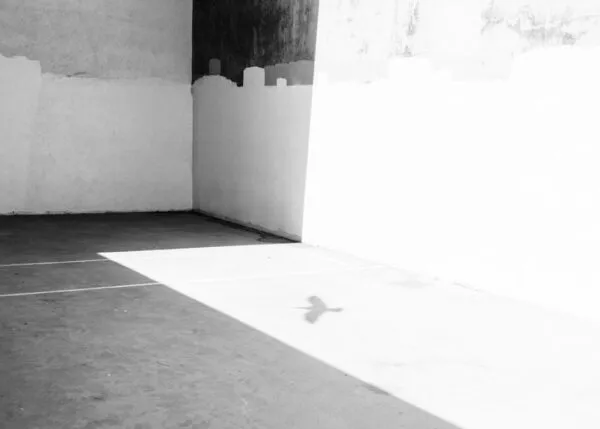
We’ve all been there: adrift, the compass spinning wildly, the familiar landmarks obscured by a metaphorical fog. This is the season of wandering, a period marked by uncertainty, a lack of clear direction, and often, an underlying sense of unease. Yet, it is precisely within these ambiguous territories that the practice of gratitude, often dismissed as a saccharine platitude, reveals its true utility. We aren't talking about forced positivity here; we're discussing a strategic reframing, a navigational tool for the tempest-tossed soul.
When we find ourselves in a season of wandering, our natural inclination is often to focus on the absence of a clear path. We lament the lost certainty, the lack of a defined destination. This, however, is a misdirection, a narrative trap we collectively fall into. The truth is, wandering isn't merely an absence; it possesses its own peculiar architecture, a framework of lessons and latent opportunities.
The Myth of Unproductive Interlude
Many perceive seasons of wandering as unproductive interludes, periods to be endured rather than embraced. We see them as blank spaces on the calendar, wasted time. However, this perspective overlooks the profound developmental work that often occurs during these periods. Think of a computer operating system undergoing a critical update; there's a period of apparent inactivity, but underneath, significant restructuring is taking place. Similarly, a season of wandering can be a time of unseen internal recalibration.
The Value of the Uncharted Map
Consider the cartographers of old. Their maps were often filled with uncharted territories, labeled "Here Be Dragons." While intimidating, these blank spaces also represented potential, opportunities for discovery. Our personal seasons of wandering are often our uncharted maps. They force us to confront our assumptions, to question our ingrained beliefs, and to look beyond the well-trodden paths we've always followed. This discomfort, this absence of a predetermined route, is precisely where novelty and innovation can emerge.
Gratitude as a Navigational Device: Finding Your Bearings
In the absence of external landmarks, gratitude serves as an internal compass, helping us to establish our bearings. It’s not about ignoring the storm; it’s about acknowledging the sturdy keel beneath our feet, the resilience of the mast, and the fact that we are, in fact, still afloat. This isn't wishful thinking; it's a pragmatic assessment of existing resources.
The "Past Foundations" Principle
One of the most potent applications of gratitude in wandering is the acknowledgement of "past foundations." As outlined in the recent YouTube discussion "2026: The Year of Gratitude," individuals are focusing on their existing Notion setups and the foundational work completed in prior years. This isn't just a personal anecdote; it's a universal principle. When we are unsure of where we are going, we can always look back at where we have come from. What resources, skills, and relationships have brought us to this point? Recognizing these past strengths, these bedrock elements of our journey, provides a sense of stability and momentum.
The Practice of Acknowledging "What Is"
In our current climate, where there's a constant push for "more" and "next," we often overlook the power of simply acknowledging "what is." Gratitude, in its purest form, is precisely this acknowledgement. It's the simple act of recognizing the present moment and finding elements within it that are not just tolerable, but genuinely valuable. This isn't about ignoring hardship; it's about discerning the silver linings amidst the clouds, even if those linings are faint.
The Spiritual Reset: Gratitude as a Conduit for Reconnection
Wandering often entails a sense of disconnect – from our purpose, from our community, and sometimes, from a deeper spiritual dimension. The act of expressing gratitude can serve as a powerful conduit for spiritual realignment, a "spiritual reset" in the words of Salifou Ministries.
Praising Amidst Uncertainty
The call to "praise you, Lord, with all of my heart" from the "Crossing Into 2026 Thanksgiving, Spiritual Reset" video resonates deeply here. It's not about praising for a specific outcome, but praising in the midst of uncertainty. This kind of praise isn't contingent on circumstances; it's a declaration of faith in a larger framework, even when the immediate path is unclear. It shifts our focus from our immediate predicament to a broader, more enduring narrative.
Cultivating a Humble Perspective
Gratitude inherently cultivates humility. When we express thanks, we acknowledge that we are not solely responsible for all our successes or even our continued existence. This humble perspective can be particularly grounding during seasons of wandering, as it reminds us that we are part of something larger than ourselves. It alleviates the pressure of having to control every variable and allows us to surrender to a process of growth and unfolding that may be beyond our immediate comprehension.
Fueling Growth and Navigating Challenges: The Resilient Nature of Gratitude
The truly transformative power of gratitude lies in its ability to not only offer solace during difficult times but also to actively fuel growth and equip us to navigate future challenges. It transforms perceived obstacles into stepping stones.
Transforming Challenges into Lessons and Blessings
The "Updates! Gratitude Still Alive After 2025 Success In 2026" deep dive highlights a critical insight: viewing "2025 challenges as lessons/blessings carrying into 2026." This is a fundamental shift in perspective. When we approach past difficulties with a grateful lens, we extract the wisdom embedded within them. A setback is no longer just a setback; it becomes a hard-won lesson, a crucible that forged resilience, or an unexpected redirection that opened new doors. This reframing is not about denying pain but about extracting value from it.
The Exponential Power of Acknowledged Progress
Even small steps forward, when acknowledged with gratitude, can create a powerful snowball effect. During a season of wandering, progress can feel agonizingly slow or even non-existent. However, if we consistently express gratitude for the incremental advances – the small clarity gained, the momentary insight, the unexpected helping hand – we build a reservoir of positive momentum. This isn't about ignoring the remaining distance; it's about celebrating the ground already covered, thereby invigorating us for the next leg of the journey.
The Ripple Effect: Individual Gratitude and Collective Impact
Finally, we must consider the expansive nature of gratitude. What begins as an internal, personal practice doesn't remain confined to the individual. It has a demonstrable ripple effect, influencing our relationships, our communities, and even global initiatives.
From Personal Healing to Global Impact
The insights into "ongoing healing/wholeness topics as stepping stones to faith" and views on "global impact updates" underscore this principle. Our personal journeys of healing and self-discovery, often initiated and sustained by gratitude, do not happen in a vacuum. A more centered, grateful individual contributes to a more resilient and compassionate collective. Think of a single pebble dropped into a calm pond; the ripples extend far beyond the initial point of impact. Our individual practice of gratitude is that pebble.
The Ecosystem of Reciprocity
Gratitude fosters an ecosystem of reciprocity. When we express sincere thanks, we not only uplift ourselves but also inspire others. It models a positive outlook, encourages generosity, and strengthens bonds. Consider the example of Heartland Hope Mission, cited in the Salifou Ministries video. The growth of such initiatives is often fueled by a collective sense of gratitude – for resources, for volunteers, for those who come seeking assistance. This shared appreciation creates a virtuous cycle, demonstrating how individual acts of gratitude can coalesce into significant community impact.
In conclusion, our seasons of wandering, while disorienting, are not inherently barren. They are fertile grounds for introspection, growth, and eventually, redirection. By consciously integrating gratitude into our lives during these times, we are not simply enduring; we are actively navigating, drawing strength from our past, finding stability in our present, and building resilience for our future. We are, in essence, transforming the wilderness into a path, illuminated by the steady glow of appreciation.
FAQs
What is the main theme of "Gratitude in Seasons of Wandering"?
The main theme of "Gratitude in Seasons of Wandering" is finding and expressing gratitude during times of uncertainty, change, or transition in life.
How does the article define "seasons of wandering"?
"Seasons of wandering" refers to periods in life characterized by exploration, searching, or feeling unsettled, whether physically, emotionally, or spiritually.
Why is gratitude important during times of wandering?
Gratitude during times of wandering helps individuals maintain a positive outlook, build resilience, and find meaning despite challenges or uncertainty.
Does the article suggest any practices to cultivate gratitude?
Yes, the article suggests practices such as mindful reflection, journaling, and acknowledging small blessings to cultivate gratitude during difficult or transitional periods.
Can gratitude impact mental health during uncertain times?
Yes, practicing gratitude has been shown to improve mental well-being by reducing stress, enhancing mood, and fostering a sense of hope during uncertain or wandering seasons.