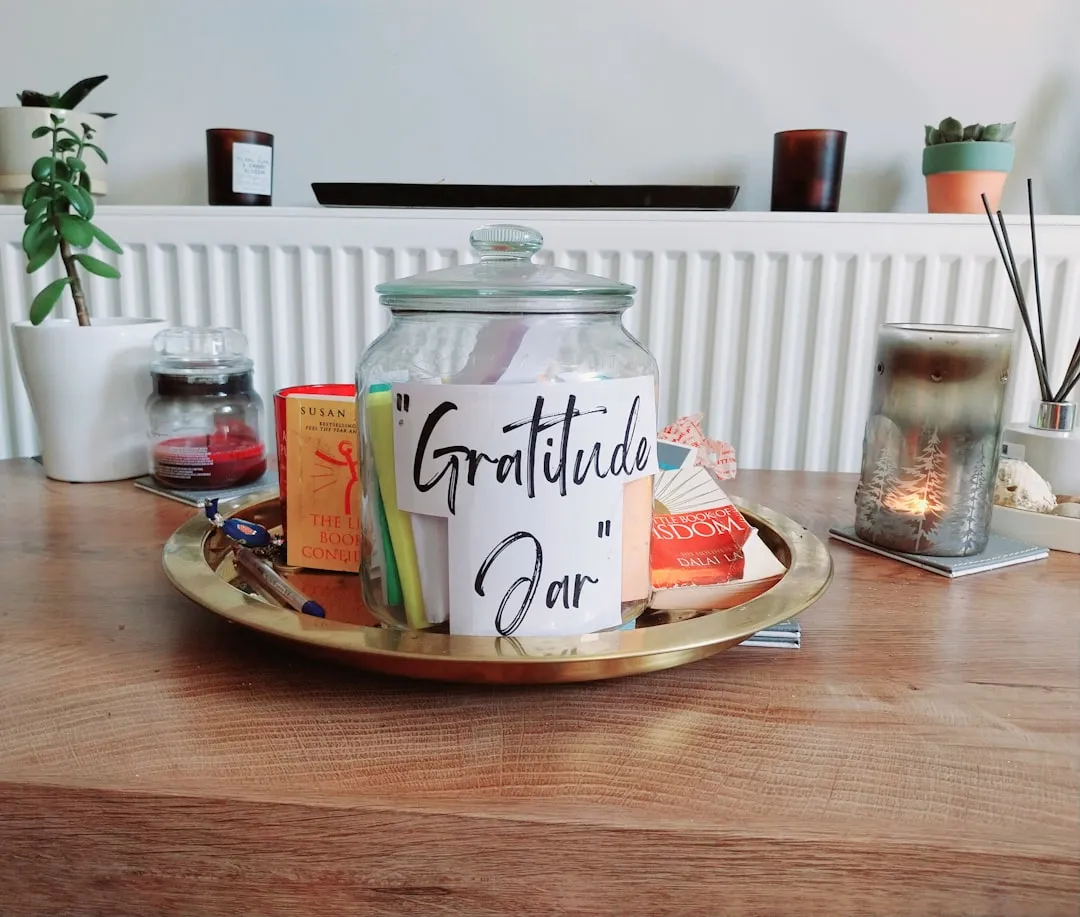
The relentless pace of modern life often seems to accelerate as the year draws to a close. We find ourselves navigating a complex web of demands, from work-related deadlines and familial obligations to social commitments and the general expectation of a festive atmosphere. This period, which we often refer to as the "busy season," can easily become a source of overwhelm. Yet, within this apparent chaos, a fundamental human capacity offers a pathway to not only endure but to actively find joy: gratitude.
This article explores how we, as individuals and as a community, can cultivate gratitude even when time is scarce and demands are high. We will examine practical strategies and the underlying psychological benefits, drawing on recent research and established practices to build a robust framework for finding contentment amidst the storm of activity. Our aim is to move beyond superficial pleasantries and delve into the tangible ways gratitude can serve as an anchor, a compass, and a source of sustained well-being.
The human brain, a marvel of evolutionary engineering, is constantly engaged in processing information and responding to stimuli. During the busy season, this processing load can become immense, leading to a heightened state of alert and a feeling of being perpetually on the run. Gratitude, however, acts as a potent regulator of our internal landscape. It is not merely a passive emotion but an active cognitive and emotional process that can fundamentally alter our perception of reality.
The Cognitive Shift: Reframing Our Focus
Research from organizations like Gratitude.org (2026) highlights a crucial aspect of gratitude: its ability to shift our focus. Instead of fixating on the overwhelming number of tasks that lie before us, gratitude encourages us to direct our attention towards what we already possess and the people who contribute to our lives. This is not about ignoring challenges, but about creating a counter-balance, a mental "weight" that helps us remain steady when external forces threaten to tilt us over.
From Scarcity to Abundance
We often operate from a mindset of scarcity, particularly when faced with a demanding schedule. Our thoughts tend to circle around what we don't have enough of: time, energy, resources. Gratitude acts as a powerful antidote, training our minds to recognize the existing abundance. This could be as simple as acknowledging the shelter we have over our heads, the food on our table, or the skills we possess to tackle our responsibilities. This cognitive reframing is foundational to preventing the pervasive feeling of lack that can fuel stress.
The Power of "Grateful To"
As noted by Gratitude.org (2026), emphasis on being "grateful to" specific individuals or even to life itself fosters a sense of interconnectedness. This is more than just a polite acknowledgment; it recognizes the intricate network of relationships that support our endeavors. In the context of a busy season, identifying those who are helping us – colleagues who pitch in, family members who offer support, or even strangers who provide a moment of unexpected kindness – can significantly alleviate the burden. It transforms solitary struggles into shared efforts.
The Emotional Regulation: Dissolving Stress, Cultivating Joy
The physiological manifestations of stress – elevated heart rate, muscle tension, and a racing mind – are familiar companions of the busy season. Gratitude, however, has demonstrable effects on our emotional equilibrium. It acts as a natural buffer, reducing the impact of stressors and opening the door to more positive emotional states.
Unlocking Innermost Attitudes
Gratitude.org (2026) posits that gratitude fosters joy by cultivating an "innermost attitude" of thanks. This suggests that while external circumstances may remain challenging, our internal response can be one of calm appreciation. This is akin to finding a quiet harbor within a turbulent sea. By consciously choosing to acknowledge the good, we create an internal sanctuary that remains accessible even when the waves of busyness are crashing around us.
The Neurochemical Landscape
While not explicitly detailed in the provided facts, the underlying mechanisms of gratitude's positive emotional impact are increasingly understood. Practicing gratitude has been linked to increased levels of dopamine and serotonin, neurotransmitters associated with pleasure, reward, and well-being. This suggests that the act of being thankful can, quite literally, alter our brain chemistry for the better, making us more receptive to positive emotions and less susceptible to the negative effects of stress.
Towards Prosocial Benefits
Judy Wilkins-Smith (2026) points to the "prosocial benefits" of daily gratitude. This implies that cultivating gratitude not only enhances our individual well-being but also positively impacts our interactions with others. When we feel a sense of thankfulness, we are often more inclined to be generous, compassionate, and cooperative. This can be particularly valuable during the busy season, when external pressures can sometimes lead to strained relationships. By approaching interactions with a grateful heart, we can foster a more harmonious and supportive environment.
In the hustle and bustle of busy seasons, it's easy to overlook the importance of gratitude in our daily lives. A related article that beautifully highlights how to incorporate gratitude into your home decor is titled "Baskets to Add a Stylish Touch to Your Home Decor." This piece not only provides practical tips for enhancing your living space but also emphasizes the role of mindful decoration in fostering a sense of appreciation and calm. You can read the article here: Baskets to Add a Stylish Touch to Your Home Decor.
Implementing Gratitude Practices When Time is a Premium
The idea of adding another practice to an already overflowing schedule might seem counterintuitive. However, the beauty of gratitude lies in its adaptability. The most effective practices are often simple, brief, and can be seamlessly integrated into existing routines. The key is consistency, even in small doses.
Micro-Practices for Busy Minds
New Leaf Resources advocates for "simple gratitude" during difficult seasons, emphasizing practices that require minimal time commitment but yield significant returns. These are not grand gestures but small, intentional acts of acknowledgment.
The Daily Double: Relationship and Opportunity
One such practice is journaling one relationship and one opportunity daily. This takes mere moments. We can reflect on a conversation, a piece of advice, or a simple act of kindness exchanged with a loved one. Similarly, identifying a single opportunity – be it a chance to learn, to contribute, or simply to experience something new – reframes our perspective from one of obligation to one of potential.
The Power of the Spoken Word
Saying "thank you" aloud, even to oneself or to an inanimate object that has served us well, can be surprisingly impactful. This externalization of gratitude reinforces the internal feeling. It is a verbal affirmation that solidifies the appreciation, making it more tangible.
Mindful Breathing and Subtle Noticing
Mindful breathing, a practice rooted in present moment awareness, can be interwoven with moments of gratitude. As we inhale and exhale, we can consciously notice small gratitudes: the warmth of a cup of tea, the comfort of a familiar chair, the quiet hum of the computer. These are not earth-shattering events, but they are the small bricks that build a foundation of contentment.
Anchoring in Constants and Finding Gifts
For those feeling overwhelmed, Judy Wilkins-Smith (2026) suggests anchoring in constants and finding gifts within challenges. This approach provides stability when everything else feels in flux.
The Pillars of Our Day
Identifying constants – perhaps a beloved pet, a consistent job responsibility, or a daily ritual like brewing coffee – provides a sense of grounding. These are reliable elements in our lives that we can rely on for stability. Acknowledging and appreciating these constants creates a ballast against the chaotic tides of the busy season.
Unearthing Treasures in Difficulties
The idea of finding "gifts in challenges" might initially seem like a contradiction in terms. However, this refers to identifying the lessons learned, the growth achieved, or the resilience discovered through hardship. For example, a particularly demanding project might have forced us to develop new skills or collaborate more effectively, gifts that might not have emerged under easier circumstances.
Morning Thanks and Evening Reviews
Wilkins-Smith (2026) also recommends morning thanks before bed and evening reviews of daily positives. This creates a bookend effect for our days. Starting the day with a brief acknowledgment of what we are thankful for can set a positive tone. Conversely, dedicating a few moments before sleep to reflect on 2-3 daily positives – even minor ones – can help to consolidate these positive experiences and foster a sense of accomplishment and peace. This practice is like tending a garden; we are nurturing the seeds of positivity.
Rewiring Our Outlook for Enhanced Well-being
The impact of consistent gratitude practices extends beyond immediate mood enhancement; it can fundamentally alter our cognitive and emotional wiring, leading to long-term benefits.
The "Acting As If" Approach: A Pathway to Optimism
Dianne Glavas (2026) introduces the concept of "acting as if" gratitude journaling. This involves consciously writing about three things daily that we are grateful for, even if we don't fully feel the emotion at that moment. This is a proactive strategy for rewiring our brains.
Forging New Neural Pathways
By repeatedly engaging in the act of identifying and articulating gratitude, we are essentially creating new neural pathways. Our brains are remarkably plastic, and through consistent practice, we can train ourselves to be more naturally inclined towards optimism, motivation, and resilience. This is not about faking happiness but about actively cultivating the conditions for it.
The Productivity Paradox
Interestingly, this approach can lead to increased productivity. Shawn Achor's research, alluded to by Glavas (2026), suggests that positive moods can precede achievement. By fostering optimism and motivation through gratitude, we are better equipped to tackle our tasks effectively, leading to a virtuous cycle of accomplishment and well-being. It is like sharpening our tools before embarking on a construction project; the investment of time yields greater efficiency.
The Calming Influence: Reducing Anxiety and Promoting Reflection
The busy season often amplifies feelings of anxiety, making it difficult to focus or relax. Gratitude acts as a powerful tool for calming the nervous system and fostering a more reflective state.
Cultivating a Sense of Inner Calm
By shifting our focus from what is lacking or problematic to what is present and appreciated, we interrupt the cycle of anxious rumination. The simple act of pausing to acknowledge something positive can be profoundly calming. This is akin to finding a quiet clearing in a dense forest; the immediate surroundings might be challenging, but there is a space of peace to be found.
The Benefits of Evening Reviews
As previously mentioned, the evening review of daily positives, as suggested by Judy Wilkins-Smith (2026), contributes to this calming effect. It allows us to process the day's events through a lens of appreciation, rather than solely through the lens of stressors. This can lead to improved sleep quality and a more relaxed disposition.
Gratitude as a Tool for Navigating Holiday Pressures
The holiday season, a quintessential example of the "busy season," presents its own unique set of challenges. Social expectations, financial pressures, and the sheer volume of activity can make it difficult to find genuine moments of peace. However, the principles of gratitude can be particularly beneficial during this time.
Embracing External Practices for Internal Balance
The ACH Group (Holiday/2026) offers practical advice for incorporating gratitude into the holiday period, emphasizing simple, grounding activities that enhance mental health.
Connecting with Nature's Rhythms
Nature walks are a potent form of gratitude practice. The inherent beauty and restorative power of the natural world can provide a much-needed respite from the artificiality of holiday preparations. Simply observing the changing seasons, the resilience of plant life, or the vastness of the sky can evoke a profound sense of awe and thankfulness. It is a reminder of larger cycles and our place within them.
Acts of Kindness: Reciprocity and Connection
Engaging in random acts of kindness, such as sharing produce from one's garden or offering assistance to a neighbor, fosters a sense of gratitude both for the giver and the receiver. This outward expression of generosity reinforces our own sense of abundance and interconnectedness. It is like planting seeds of goodwill, which inevitably return to us in manifold forms.
The Art of Active Listening
In the often-frenetic pace of holiday gatherings, active listening can be a revolutionary act of gratitude. Truly hearing what others are saying, without interruption or judgment, is a profound way of honoring their presence and their contributions. It acknowledges their value and creates a deeper sense of connection. It is offering the gift of one's full attention, a priceless commodity.
Reflection as Nourishment
The ACH Group (Holiday/2026) also stresses the importance of reflection. Taking time to contemplate the year past, to acknowledge the lessons learned and the moments of joy, can be incredibly nourishing. This is not about dwelling on regrets but about appreciating the journey, with all its twists and turns. It is akin to reviewing a well-read book, appreciating the narrative arc and the wisdom contained within its pages.
In the hustle and bustle of busy seasons, finding moments of gratitude can be a challenge, yet it is essential for maintaining balance and perspective. One insightful article that explores this theme is about how embracing gratitude can transform our experiences during hectic times. You can read more about it in this article on the importance of gratitude during winter, which highlights the significance of appreciating the little things, such as a cozy brown winter coat that keeps us warm. For more details, check out the article here.
The Long-Term Impact: Sustaining Gratitude Beyond the Season
The busy season is, by definition, temporary. However, the practices of gratitude cultivated during this period can have a lasting impact on our overall well-being.
Building a Resilient Inner World
By consistently engaging in gratitude practices, we are building a more resilient inner world. We are equipping ourselves with the mental and emotional tools to navigate future challenges with greater equanimity. This is not about eradicating adversity but about developing a stronger capacity to withstand its impact.
From Survival to Thriving
The ultimate goal of cultivating gratitude is not merely to survive the busy season, but to thrive within it. It is about transforming periods of intense demand from sources of stress into opportunities for growth and deeper appreciation. We move from a mindset of merely getting by to one of actively experiencing and savoring the moments, both big and small.
A Continuous Practice
Gratitude is not a destination but a continuous practice. The busy season may present a concentrated opportunity to hone these skills, but the benefits extend far beyond its boundaries. By integrating these simple yet profound practices into our daily lives, we can create a sustained foundation of joy and contentment, regardless of the external pressures we face. We are building a reservoir of thankfulness that can sustain us through all seasons of life.
FAQs
What does practicing gratitude mean during busy seasons?
Practicing gratitude during busy seasons involves intentionally recognizing and appreciating positive aspects of life, even when schedules are hectic and stress levels are high. It helps maintain a positive mindset and emotional balance.
How can gratitude improve mental health in stressful times?
Gratitude can reduce stress, increase feelings of happiness, and improve overall mental well-being by shifting focus away from challenges to positive experiences and fostering resilience during demanding periods.
What are simple ways to incorporate gratitude into a busy daily routine?
Simple methods include keeping a gratitude journal, taking brief moments to reflect on things you are thankful for, expressing appreciation to others, and practicing mindful breathing while acknowledging positive aspects of the day.
Can gratitude impact productivity during busy seasons?
Yes, gratitude can enhance productivity by improving mood, reducing burnout, and increasing motivation, which helps individuals stay focused and energized despite a heavy workload.
Is there scientific evidence supporting the benefits of gratitude?
Yes, numerous studies have shown that gratitude practices can lead to improved psychological health, better sleep, reduced symptoms of depression, and stronger social relationships, all of which contribute to overall well-being.