We often find ourselves in a state of anticipation, our gaze fixed on a horizon that remains stubbornly out of reach. This period, this “waiting,” can feel like a vast, featureless landscape, where the days blur into a monotonous sameness. We are told to be patient, to endure, but the internal monologue often whispers a different tune: one of frustration, anxiety, and a creeping sense of stagnation. It is precisely within this challenging terrain that we are called to cultivate gratitude, not as a fleeting emotion, but as a deliberate practice that can fundamentally alter our experience.
When we speak of waiting, we are not referring to a passive state of idleness. Rather, we are describing an active, often internal process characterized by expectation and a perceived absence of something desired or needed. This "waiting" can manifest in numerous aspects of our lives, from the personal to the professional, the immediate to the long-term.
Defining the Boundaries of Our Wait
Our individual experiences of waiting are shaped by a complex interplay of factors. Understanding these helps us to define the specific contours of our own current waiting period.
Personal Milestones and Societal Timelines
Many of our waits are dictated by personal aspirations – waiting for a promotion, waiting for a relationship to deepen, waiting for a child to reach a certain age, or waiting for a personal goal to be achieved. These are intertwined with broader societal timelines, which can create additional pressure. For instance, the biological clock, career progression benchmarks, or even the perceived timelines for life stages can all contribute to the sense of urgency in our waiting.
The Unfolding of Circumstances
Sometimes, waiting is thrust upon us by external circumstances beyond our immediate control. These include waiting for medical test results, waiting for a legal decision, waiting for a government process to complete, or waiting for a global event to resolve. In these instances, the waiting is less about a desired outcome we are actively pursuing and more about the natural unfolding of events in a complex world.
The Psychological Landscape of Waiting
The mental and emotional terrain of waiting is often characterized by a range of responses. Recognizing these patterns allows us to navigate them with greater awareness.
The Treadmill of Unmet Expectations
A common feature of waiting is the constant mental rehearsal of the desired outcome paired with the persistent awareness of its current absence. This can feel like being on a treadmill, expending energy but not moving forward. The gap between what is and what we anticipate can become a source of significant emotional strain.
The Erosion of Present Focus
The allure of the future, the object of our wait, can often overshadow the present moment. This can lead to a neglect of the immediate environment and the opportunities it holds. We become so focused on the destination that we miss the journey altogether, a journey that, while perhaps not the ultimate goal, still holds value and substance.
The Strategic Deployment of Gratitude: A Counter-Narrative to Waiting
Gratitude, when consciously and consistently practiced, acts as a powerful counter-narrative to the potential negativity inherent in waiting. It is not about denying the reality of our situation, but about re-framing our perspective and discovering reserves of strength we may not have known we possessed.
Gratitude as an Anchor in the Storm
When the winds of uncertainty blow strongly, gratitude serves as an anchor, keeping us grounded in the present and preventing us from being swept away by anxieties about the future.
Shifting the Locus of Control
While much of our waiting may be outside our direct control, gratitude empowers us by shifting our focus to what we can influence: our internal response. It allows us to reclaim a sense of agency, even when external circumstances feel stagnant.
Cultivating Resilience Through Appreciative Reflection
The practice of recognizing and acknowledging the good, however small, builds our capacity for resilience. Each act of gratitude, like a small reinforcement in a structure, strengthens our ability to withstand the pressures of protracted waiting.
The Practical Mechanics of Practicing Gratitude
Gratitude is not an abstract concept; it is a practice with tangible methods. Implementing these can transform the experience of waiting.
Journaling: A Chronicle of the Present Good
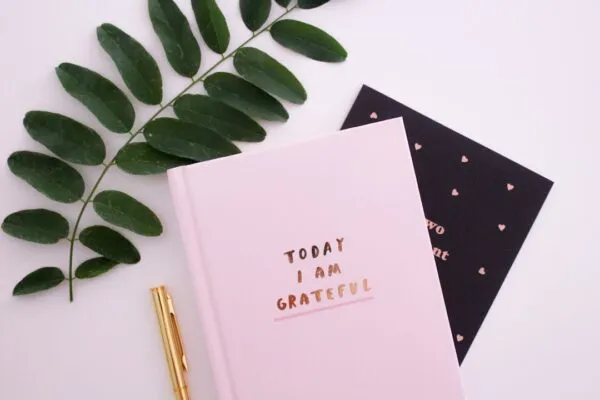
Maintaining a gratitude journal is a widely recognized and effective tool. This involves regularly noting down things for which we are thankful. The act of writing solidifies these reflections, creating a personal archive of positivity.
Daily Enumeration of Blessings, Big and Small
This could involve noting down three to five things each day. These may range from the obvious – a supportive friend, good health – to the subtle – the warmth of the sun on our skin, a moment of quiet reflection, a well-prepared meal. The key is regularity and breadth of scope.
Recognizing the Value in the Mundane
Often, waiting causes us to overlook the ordinary elements of our lives that are actually quite remarkable. Gratitude journaling provides an opportunity to see the extraordinary within the mundane, such as the functioning of our bodies, the availability of clean water, or the simple act of breathing.
Expressing Appreciation: Amplifying the Positive
Sharing our gratitude with others not only benefits them but also deepens our own sense of appreciation. This outward expression reinforces the positive emotions associated with what we are thankful for.
Verbal Affirmations to Loved Ones
Directly telling people we appreciate them, for their actions, their presence, or their character, can create ripples of positivity. This strengthens relationships and fosters a more supportive environment, which can be particularly valuable during periods of waiting.
Acknowledging Contributions in the Professional Sphere
Within our work environments, recognizing the efforts of colleagues or superiors, even in small ways, can contribute to a more constructive atmosphere, mitigating the frustrations that can arise from perceived delays or setbacks.
Gratitude as a Catalyst for Insight and Growth
The enforced pause of waiting, when coupled with a spirit of gratitude, can become fertile ground for profound personal development. It offers us the space to see ourselves and our circumstances with clarity.
Re-evaluating Priorities in the Crucible of Waiting
When the expected future is delayed, we are often forced to re-examine what we truly value. Gratitude helps us to appreciate what we have, which in turn informs what we might pursue if our current path shifts or is prolonged.
Distinguishing Needs from Wants in the Waiting Room
The discomfort of waiting can highlight the difference between intrinsic needs and manufactured desires. Gratitude encourages us to appreciate the fulfillment of our fundamental needs, which can diminish the sting of unmet wants.
The Re-calibration of Long-Term Goals
While waiting, our ultimate objectives may remain, but the pathway to them might require adjustment. Gratitude for the lessons learned during the waiting period allows us to approach these recalibrated goals with renewed purpose and a more grounded perspective.
Unearthing Hidden Lessons and Strengths
The process of waiting, especially when approached with gratitude, often reveals strengths and lessons that would have remained dormant in a state of constant forward momentum.
The Development of Patience and Fortitude
The very act of enduring a period of waiting, accompanied by gratitude, is a powerful exercise in building patience and fortitude. These are not abstract virtues but tangible character traits forged in the fires of experience.
Gaining Perspective Through the Lens of Appreciation
By regularly focusing on what is good, we gain a broader perspective on our situation. What might have initially seemed like an insurmountable obstacle can be seen, through the lens of gratitude, as a temporary phase or even an opportunity for recalibration.
Gratitude as a Force Multiplier for Future Success
The impact of gratitude during waiting periods extends beyond the immediate experience. It actively shapes our ability to achieve future goals and navigate subsequent challenges.
Building a Foundation for Future Endeavors
The positive neural pathways created by consistent gratitude practice can equip us for future challenges and opportunities. This is not about wishful thinking, but about establishing a psychological infrastructure that supports sustained effort and optimism.
The Habits of the Grateful: A Blueprint for Achievement
Individuals who regularly practice gratitude often exhibit habits that are conducive to success, such as a greater tendency towards problem-solving, a more optimistic outlook regarding challenges, and a stronger ability to collaborate.
The Ripple Effect of Positivity in Your Sphere of Influence
When we embody gratitude, it radiates outward. Our positive disposition can influence those around us, creating a more hopeful and productive environment, which can, in turn, indirectly contribute to the acceleration of our own desired outcomes.
Overcoming the Inertia of Stagnation
Waiting can lead to a sense of inertia, where the lack of progress makes it difficult to initiate new actions. Gratitude acts as a powerful force to overcome this, re-energizing our spirit and inspiring us to continue moving forward, even in small ways.
The Energizing Power of Present Appreciation
By appreciating the present, we tap into a source of energy that combats the fatigue of prolonged anticipation. This energy can then be directed towards productive activities, even those not directly related to the object of our wait, that still contribute to our overall well-being and forward motion.
Reclaiming Momentum Through Small, Appreciated Steps
Gratitude allows us to celebrate and value the small steps we can take, even when the larger goal remains distant. These small, appreciated victories create momentum, breaking the cycle of perceived stagnation and building confidence for larger endeavors.
Conclusion: Navigating the Season of Waiting with a Grateful Heart
The periods of waiting in our lives are not inherently negative. They are simply seasons, phases of the human experience that, when approached with conscious intent and a practice of gratitude, can become incredibly productive and transformative. Gratitude in the midst of waiting is not about a Pollyannaish denial of hardship; it is a strategic and deeply human capacity to find light in the shadows. It is our ability to look at the landscape of our current reality and, despite the absence of what we long for, still discern the contours of beauty, trace the outlines of lessons learned, and acknowledge the enduring presence of goodness. By actively cultivating this practice, we transform waiting from a passive endurance into an active cultivation, preparing us not just for what we are waiting for, but for whatever journey lies ahead.
FAQs
What does it mean to practice gratitude in the midst of waiting?
Practicing gratitude in the midst of waiting involves focusing on and appreciating the positive aspects of life, even when facing delays, uncertainty, or challenges. It means acknowledging what you have rather than what you lack during periods of waiting.
Why is gratitude important during times of waiting?
Gratitude helps maintain a positive mindset, reduces stress, and fosters patience. It can improve emotional well-being by shifting focus away from frustration or anxiety associated with waiting, making the experience more bearable and meaningful.
How can one cultivate gratitude while waiting?
One can cultivate gratitude by keeping a gratitude journal, reflecting daily on things to be thankful for, practicing mindfulness, and intentionally recognizing small blessings or progress during the waiting period.
Can gratitude impact the outcome of a waiting period?
While gratitude does not directly change external circumstances, it can influence one’s attitude and resilience, potentially leading to better decision-making and emotional health, which may positively affect how one navigates the waiting period.
Are there any psychological benefits linked to gratitude during waiting?
Yes, gratitude is associated with reduced feelings of anxiety and depression, increased happiness, and improved coping skills. During waiting, these benefits can help individuals manage uncertainty and maintain hope.