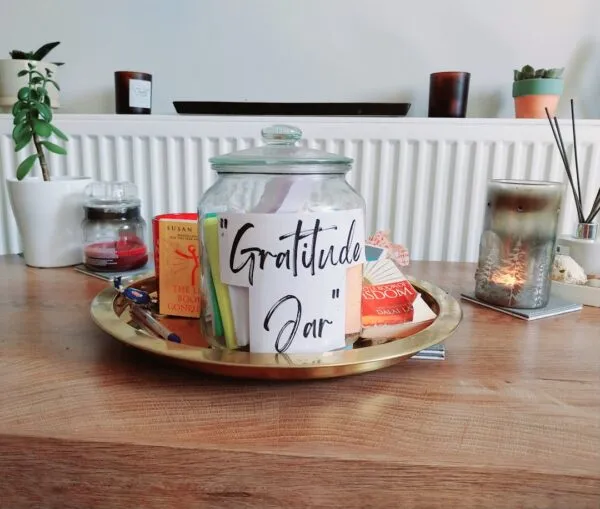
Gratitude, often conceptualized as a positive emotion or disposition, plays a pivotal role in human psychological and physiological well-being. Far from being a mere superficial pleasantry, cultivating gratitude is a robust psychological mechanism that fosters resilience and promotes a state of emotional openness, particularly in the face of adversity. This article explores the multifaceted dimensions of gratitude, elucidating its function as a protective factor against psychological breakage, allowing individuals to maintain a state of emotional "softness" or receptivity without succumbing to the hardening effects of sustained stress and challenge.
You might perceive gratitude as a simple act of acknowledging a good deed or a fortunate circumstance. However, its psychological underpinnings are far more intricate. When you actively practice gratitude, you engage in a cognitive reframing process that shifts your focus from perceived deficiencies or negative aspects of your life to elements of abundance and positivity. This cognitive reorientation is not merely a superficial optimism; it is a fundamental recalibration of your perspective.
Cognitive Reframing and Perspective Shifting
The act of consciously identifying things for which you are grateful triggers a shift in your cognitive schema. Instead of dwelling on what is absent or problematic, your attention is directed towards what is present and beneficial. This process can be likened to adjusting the focal length of a camera: instead of blurring out the background to focus on a flaw in the foreground, you are broadening your aperture to encompass the beauty and support that surrounds you. This intentional redirection of mental energy has profound implications for how you interpret and respond to daily stressors. As Bill Knott reflects in the "GraceNotes Podcast episode "EARLY GRATITUDE" (January 30, 2026)," embracing gratitude amidst daily stresses is a pathway to recognizing life's graces and embracing possibilities, even in challenging environments.
Emotional Regulation and Resilience
Gratitude acts as a potent regulator of emotions. By intentionally focusing on positive aspects, you can mitigate the intensity of negative emotional states such as anger, frustration, and anxiety. This is not to say that gratitude eradicates these emotions, but rather that it provides a counterbalance, preventing them from overwhelming your capacity for emotional processing. The resilience fostered by gratitude allows you to bend without breaking, much like a flexible reed in a strong wind, adapting to changing circumstances rather than snapping under pressure. This capacity for emotional adaptation is central to maintaining your psychological integrity.
In exploring the theme of gratitude and its impact on our emotional resilience, the article "The Power of Gratitude in Everyday Life" delves into how cultivating a grateful mindset can help individuals navigate challenges while maintaining their softness and compassion. This complements the insights shared in "Gratitude Is How We Stay Soft Without Breaking," as both pieces emphasize the importance of gratitude in fostering emotional strength. For further reading, you can check out the related article here: The Power of Gratitude in Everyday Life.
Gratitude as a Softening Agent
The metaphor of "staying soft without breaking" encapsulates the essence of gratitude's protective function. In a world that often demands toughness and stoicism, gratitude offers an alternative pathway to strength, one rooted in openness and receptivity rather than rigid resistance.
Dissolving Resistance and Facilitating Acceptance
When you encounter life's inevitable challenges, a common human tendency is to resist or push against them. This resistance, while seemingly a protective mechanism, can paradoxically exacerbate suffering. Gratitude, in contrast, promotes a "softening of the heart," as described in Om Shanti Well Beings' YouTube video, "Gratitude Practice 2026." This softening is not a surrender to adversity but rather an acceptance of its presence. By acknowledging positive aspects even amidst difficulty, you create psychological space for acceptance, dissolving the rigid walls of resistance that can entrap you in cycles of negativity. This allows you to meet life openly, embracing its full spectrum of experiences without demanding perfection.
Fostering Connection and Empathy
Gratitude inherently promotes a sense of connection. When you express thanks, you acknowledge the contributions of others or the serendipitous nature of life's provisions. This recognition fosters empathy and strengthens social bonds. A grateful heart is an open heart, more inclined to perceive the inherent goodness in others and to extend compassion. This interconnectedness is a powerful buffer against the isolation and alienation that can contribute to emotional hardening. For instance, acknowledging the support system around you, even in times of stress, can prevent you from retreating into an insular state.
Practical Applications of Gratitude
Integrating gratitude into your daily life is not an esoteric practice but a tangible, actionable strategy for enhancing your well-being. There are numerous methods by which you can cultivate a more grateful disposition, each offering unique benefits.
Gratitude Journaling
One of the most widely recommended and effective practices is gratitude journaling. This involves regularly writing down specific things for which you are grateful. The act of physically documenting these items reinforces their presence in your consciousness. Kaitlin Rawson's YouTube vlog, "2026: The Year of Gratitude," exemplifies this commitment, highlighting daily gratitude journaling as a means to ground oneself in positivity and acknowledge what is right amidst challenges. This practice can be as simple as listing three things each day, irrespective of their perceived magnitude. The consistent effort of searching for and articulating these positive aspects reshapes your neural pathways over time, making gratitude a more spontaneous and accessible emotion.
Expressing Gratitude Verbally and Non-Verbally
Beyond personal reflection, expressing gratitude outwardly has significant interpersonal benefits. Verbally acknowledging the kindness of others, offering sincere compliments, or writing thank-you notes are powerful ways to reinforce positive interactions and strengthen relationships. Non-verbal expressions, such as a genuine smile or a warm gesture, also convey appreciation and contribute to a positive social environment. These acts of outward gratitude not only benefit the recipient but also reinforce your own sense of gratefulness, creating a reinforcing feedback loop.
Mindfulness and Grateful Observation
Mindfulness practices, such as meditation and conscious awareness, can be seamlessly integrated with gratitude. By paying deliberate attention to the present moment, you become more attuned to the myriad blessings that often go unnoticed in the rush of daily life. This could involve consciously appreciating the warmth of the sun on your skin, the flavor of a meal, or the sound of birdsong. This "grateful observation" cultivates a deeper appreciation for the simple, often overlooked, aspects of existence, transforming mundane experiences into moments of quiet joy.
The Long-Term Impact of a Grateful Disposition
The consistent practice of gratitude is not merely a temporary emotional uplift; it cultivates enduring changes in your psychological architecture, contributing to a robust sense of self and an enduring capacity for well-being.
Enhanced Positive Affect and Life Satisfaction
Individuals who regularly practice gratitude consistently report higher levels of positive affect, including joy, enthusiasm, and optimism. This sustained positive emotional state contributes significantly to overall life satisfaction. Gratitude acts as an internal wellspring of happiness, independent of external circumstances. By fostering an internal locus of control over your emotional landscape, you become less susceptible to the oscillations of external events, maintaining a more stable and contented demeanor.
Improved Physical Health Outcomes
Emerging research suggests a correlation between gratitude and improved physical health. While precise causal mechanisms are still being investigated, it is theorized that gratitude may reduce stress hormones, improve sleep quality, and bolster the immune system. The reduction in psychological stress alone has profound implications for physical health, as chronic stress is implicated in a wide range of ailments. By providing a buffer against the physiological toll of stress, gratitude contributes to a more resilient and healthier physical state.
In exploring the theme of gratitude and its impact on our emotional resilience, it's interesting to consider how our daily habits can influence our well-being. For instance, a related article discusses the effects of moderate wine consumption on our bodies and minds, highlighting how such rituals can enhance our sense of appreciation for life. You can read more about this intriguing connection in the article What a Glass of Wine a Day Does to Your Body. This perspective complements the idea that nurturing gratitude helps us remain soft and open-hearted, even in challenging times.
Avoiding Perfuntory Gratitude: The Cultivation of Authentic Appreciation
While the benefits of gratitude are substantial, it is crucial to distinguish between authentic gratitude and a superficial, obligation-driven expression. True gratitude is an internal state, not merely an outward performance.
Deepening Your Practice Beyond Social Convention
You may feel compelled to express gratitude due to social norms or expectations. While politeness is valuable, the psychological benefits of gratitude are most pronounced when the feeling is genuine. To move beyond superficiality, engage in practices that foster authentic appreciation. This might involve reflecting on the effort or intention behind a gift or act of kindness, rather than just the item itself. Delving into the "why" behind your gratitude deepens its emotional resonance.
Acknowledging the Nuances of Life
Authentic gratitude does not necessitate ignoring hardship or pretending that all is well. Rather, it involves acknowledging the good that exists alongside the challenges. It is about holding the complexity of life – its joys and its sorrows – simultaneously. This nuanced perspective prevents gratitude from becoming a form of denial and instead anchors it in a realistic understanding of human experience. You can be grateful for support received during a difficult period, even while acknowledging the difficulty itself.
In conclusion, gratitude is far more than a polite acknowledgment; it is a profound psychological tool that enables you to navigate the complexities of life with an open heart and a resilient spirit. By fostering cognitive reframing, emotional regulation, and a sense of connection, gratitude allows you to remain "soft" – receptive, empathetic, and adaptable – without succumbing to the rigid brittleness that often accompanies sustained stress and adversity. Embracing gratitude, whether through journaling, verbal expression, or mindful observation, is an invitation to inhabit a life characterized by enduring strength and profound well-being.
FAQs
What is the main idea behind "Gratitude Is How We Stay Soft Without Breaking"?
The main idea is that practicing gratitude helps individuals maintain emotional resilience and kindness ("stay soft") even in difficult or challenging situations, without becoming overwhelmed or "breaking" down.
How does gratitude contribute to emotional strength?
Gratitude shifts focus from negative experiences to positive aspects of life, fostering a sense of appreciation and contentment. This mindset helps people cope better with stress and adversity, enhancing emotional strength and well-being.
Can practicing gratitude improve mental health?
Yes, numerous studies have shown that regularly practicing gratitude can reduce symptoms of depression and anxiety, increase happiness, and improve overall mental health by promoting positive thinking and emotional balance.
What are some common ways to practice gratitude?
Common methods include keeping a gratitude journal, expressing thanks to others verbally or in writing, reflecting on positive experiences daily, and mindfulness practices that focus on appreciating the present moment.
Is gratitude beneficial in relationships?
Absolutely. Expressing gratitude in relationships can strengthen bonds, increase feelings of trust and appreciation, and improve communication, leading to healthier and more supportive connections with others.