You might view gratitude as a fleeting emotion, a warm glow that arrives unbidden when something positive happens. But what if you are mistaken? This article explores the proposition that gratitude is not merely a passive mood, but an active practice, akin to exercising a muscle. This perspective, popularized by Jan Jarvis's seminal work, "Gratitude Is Not a Mood, It's a Muscle," released in October 2024, re-frames our understanding and application of thankfulness. Instead of waiting for inspiration to strike, you can cultivate gratitude intentionally, thereby strengthening your capacity to experience it.
You are accustomed to thinking of emotions as transient states, influenced by external circumstances and internal biochemical reactions. Joy, sadness, anger – these are often seen as things that happen to you. However, the concept of gratitude as a "muscle" suggests a fundamental shift in this perception. It posits that, like physical strength, your ability to feel and express gratitude can be developed through consistent effort and deliberate engagement. This perspective underpins Jan Jarvis's approach, which emphasizes actionable strategies over passive contemplation.
Rethinking Emotional Response
- The Passive vs. Active Mindset: Understand the difference between waiting for a positive event to trigger thankfulness (passive) and actively seeking out reasons to be grateful, regardless of external conditions (active). Jarvis's book, "Gratitude Is Not a Mood, It's a Muscle," which debuted in October 2024 and quickly garnered attention on Amazon and major retailers, centers on this active approach. Early reviews on Goodreads, averaging 4.2/5 as of January 2026, highlight the practical exercises offered within its pages.
- Neuroscience and Habit Formation: Consider how repeated mental actions can rewire neural pathways. Just as learning a new language or a musical instrument involves consistent practice to build proficiency, cultivating gratitude can strengthen specific brain circuits associated with positive affect and well-being. This is a key theme explored in interviews, such as those featured on "The Happiness Lab" (Pushkin Industries) and "10% Happier" podcasts throughout November and December 2024, where Jarvis discussed neuroscience-backed gratitude habits that resonated with listeners, topping wellness charts.
The Analogy of a Muscle
- The Principle of Overload: In physical training, muscles grow stronger when put under increasing stress. Similarly, to strengthen your "gratitude muscle," you must consistently challenge yourself to identify and acknowledge things you are thankful for, pushing beyond the obvious or easy ones.
- The Role of Consistency: Sporadic workouts yield minimal results. Likewise, occasional attempts at gratitude will not fundamentally alter your emotional landscape. Consistent, daily practice is the key to building lasting capacity. The #GratitudeMuscle challenge, which went viral on TikTok in January 2026 with over 500,000 videos, exemplifies this principle, with users documenting their 30-day streaks. Jarvis herself actively engaged by reposting top entries, further amplifying the message.
In exploring the concept that gratitude is not merely a fleeting mood but rather a muscle that can be strengthened over time, one might find it interesting to read about the latest fashion trends that evoke feelings of warmth and comfort. The article titled "The Brown Winter Coat Is the New Style Staple" discusses how certain clothing choices can influence our emotional well-being and foster a sense of gratitude for the simple pleasures in life. You can check out the article here: The Brown Winter Coat Is the New Style Staple.
The Science Behind Cultivating Gratitude
The notion of gratitude as a cultivable skill is not merely philosophical; it is supported by an increasing body of research in neuroscience and psychology. By understanding the mechanisms at play, you can better appreciate why dedicated practice yields tangible results.
Neural Pathways and Neuroplasticity
- Dopamine and Serotonin Release: When you consciously practice gratitude, you can stimulate the release of neurotransmitters like dopamine and serotonin, which are associated with pleasure, reward, and well-being. Over time, this can lead to a more baseline level of positive affect.
- Re-wiring for Positivity: Neuroplasticity refers to the brain's ability to reorganize itself by forming new neural connections throughout life. Engaging in gratitude practices can literally reshape your brain, making you more attuned to positive experiences and less susceptible to negative rumination. The focus on neuroscience-backed habits in the aforementioned podcast features underscores this biological underpinning.
Psychological Benefits
- Reduced Stress and Anxiety: Studies have shown a correlation between regular gratitude practice and lower levels of cortisol, the stress hormone. By focusing on what you have rather than what you lack, you can effectively buffer yourself against the detrimental effects of stress.
- Improved Sleep Patterns: A more relaxed and positive mental state, fostered by gratitude, can contribute to better sleep quality. This is often cited as a side benefit for those engaging in consistent practice.
- Enhanced Resilience: When faced with adversity, individuals who have cultivated gratitude are often more resilient. They can draw upon a reservoir of thankfulness to maintain perspective and find coping mechanisms. This resilience is a key aspect of personal growth that led to Jarvis's work being shortlisted for the Nautilus Book Awards in the "Personal Growth" category in February 2026.
Practical Exercises for "Gratitude Muscle" Development
Understanding the "why" is important, but the "how" is where transformation truly begins. Jan Jarvis's "Gratitude Is Not a Mood, It's a Muscle" provides a structured approach to integrating gratitude into your daily life. These are not abstract ideals but concrete actions you can implement.
Daily Gratitude Journaling
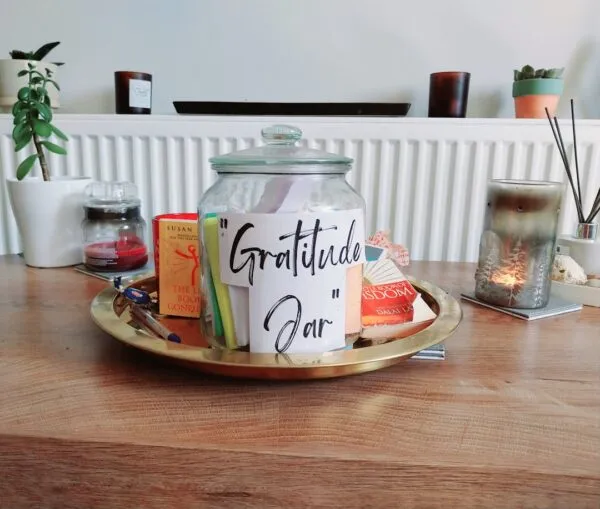
- The Three Good Things Exercise: At the end of each day, write down three things that went well, no matter how small. For each item, briefly explain why it happened. This simple act forces you to actively scan your day for positive events.
- Specific and Detailed Entries: Instead of generic entries like "I'm thankful for my family," aim for specificity. "I am grateful for the way my daughter listened patiently while I explained my work project today, which made me feel understood" is more impactful.
- Consistency is Key: As mentioned, this is a daily exercise. The goal is to build a habit, making it as routine as brushing your teeth. The viral #GratitudeMuscle challenge on TikTok demonstrated the power of such consistent engagement.
Gratitude Meditations and Affirmations
- Guided Gratitude Meditations: Many apps and online resources offer guided meditations focused on cultivating thankfulness. These can help you set intentions and deepen your emotional connection to the practice.
- Personalized Affirmations: Create positive statements that you repeat to yourself regularly. Examples include, "I am grateful for the opportunities I have," or "I appreciate the people who support me." The repetition strengthens these positive neural pathways over time.
Expressing Gratitude to Others
- Thank You Notes: Make a conscious effort to write handwritten or sincere digital thank you notes to people who have helped you or made a positive impact. This not only strengthens your gratitude but also reinforces positive relationships.
- Verbal Appreciation: Don't underestimate the power of simply saying "thank you" with genuine feeling. Acknowledge the effort or kindness of others in the moment.
Benefiting from Consistent Gratitude Practice
The impact of systematically cultivating gratitude extends far beyond momentary feelings of happiness. It can influence your overall outlook, your relationships, and your ability to navigate life's challenges.
Emotional Well-being
- Increased Overall Happiness: While not a direct mood booster in the short term, consistent gratitude practice is strongly linked to sustainable increases in overall life satisfaction and happiness. By habitually focusing on the positives, you recalibrate your emotional baseline.
- Reduced Negative Emotions: As your capacity for gratitude grows, your susceptibility to negative emotions like envy, resentment, and regret can diminish. You are less likely to dwell on what you lack when you are actively appreciating what you have.
Interpersonal Relationships
- Improved Social Connections: Expressing gratitude to others solidifies bonds and fosters a reciprocal sense of appreciation. People are more likely to reciprocate kindness and support when they feel seen and valued.
- Conflict Resolution: A foundation of gratitude can make navigating interpersonal conflicts easier. You are more likely to approach disagreements with a desire for understanding and a recognition of the other person's positive qualities.
Personal Growth and Resilience
- Enhanced Self-Esteem: Recognizing your own strengths and the positive impacts you have received can boost your self-worth. You begin to see yourself as deserving of the good things in your life.
- Greater Adaptability: When unexpected setbacks occur, a well-exercised gratitude muscle allows you to identify any silver linings or lessons learned, fostering a more adaptive and resilient response to adversity. This is a cornerstone of the personal growth focus associated with Jarvis's work.
In exploring the concept that gratitude is not merely a fleeting emotion but rather a skill that can be developed over time, one might find it interesting to read about the impact of gratitude on personal well-being. A related article discusses how cultivating gratitude can enhance various aspects of life, including the appreciation of material possessions, such as high-quality jewelry. You can find more about this connection in the article on luxury brands and how they can symbolize gratitude in our lives.
The Future of Gratitude as a Practice
The momentum behind the concept of gratitude as an active discipline is growing. Initiatives like Jan Jarvis's book and associated online content indicate a shift towards integrating gratitude into everyday life as a skill rather than an occasional emotion.
Expanding Reach and Impact
- Educational Integration: There is potential for gratitude practices to be incorporated into educational curricula, teaching children from a young age the value of thankfulness as a learned behavior.
- Corporate Wellness Programs: Many organizations are beginning to recognize the mental health benefits of gratitude. Workshops and programs focused on cultivating gratitude can be integrated into corporate wellness initiatives.
- Continued Research and Development: As more people engage with gratitude practices, ongoing research will continue to refine our understanding of its effects and develop more effective techniques. The upcoming virtual workshop series, starting in March 2026 and hosted by author Jan Jarvis, with registrations open via gratitudeisamuscle.com, signals a commitment to continued engagement and education.
The Lifelong Journey of Gratitude
- Gratitude as a Lifestyle: Moving beyond specific exercises, the ultimate goal is to make gratitude a fundamental aspect of your lifestyle. It becomes an ingrained perspective through which you view the world.
- Continuous Improvement: Just as an athlete never stops training, your gratitude muscle can always be strengthened. There will always be new opportunities to practice and deepen your capacity for thankfulness. The ongoing engagement with the topic, evidenced by the book's strong reception and the author's continued outreach, suggests a sustained interest in this practice.
FAQs
What does it mean to say gratitude is a muscle?
Saying gratitude is a muscle means that it is a skill or habit that can be developed and strengthened over time through regular practice, rather than a temporary feeling or mood.
How can practicing gratitude regularly benefit mental health?
Regularly practicing gratitude can improve mental health by increasing positive emotions, reducing stress and anxiety, enhancing resilience, and promoting overall well-being.
What are some effective ways to build the "gratitude muscle"?
Effective ways to build the gratitude muscle include keeping a gratitude journal, expressing thanks to others, reflecting daily on things you appreciate, and incorporating gratitude meditation or mindfulness exercises.
Is gratitude always a natural feeling or can it be cultivated?
Gratitude is not always a natural or spontaneous feeling; it can be intentionally cultivated through consistent effort and practice, much like exercising a muscle.
Can gratitude impact relationships with others?
Yes, practicing gratitude can positively impact relationships by fostering appreciation, improving communication, increasing empathy, and strengthening social bonds.