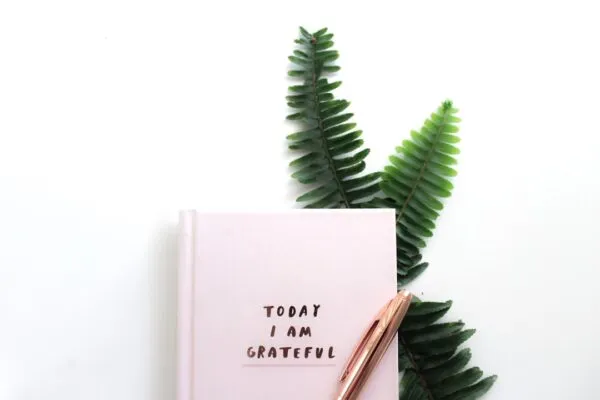
You often encounter discussions that frame gratitude as a direct antithesis to suffering, a simple inversion of negative experience. This perspective, however, oversimplifies a complex psychological and emotional landscape. To suggest that gratitude merely eradicates pain is to fundamentally misunderstand both constructs. Instead, it is more accurate to consider gratitude as a transformative lens through which you can engage with your experiences, including those fraught with difficulty. This article explores the nuanced relationship between gratitude and pain, arguing that while they are not mutually exclusive, their interaction is far more intricate than a simple opposition.
The popular imagination frequently portrays gratitude as a panacea, a swift cure for psychological discomfort. You are often encouraged to "just be grateful" when facing hardship, implying that the mere act of focusing on positive aspects will negate or eliminate suffering. This understanding, however, is deeply flawed and can be counterproductive.
The Problematic Simplicity
When you are told to "look on the bright side" during profound grief or chronic illness, it can feel dismissive. It minimizes the legitimate emotions you are experiencing. The assertion that gratitude functions as a "happy pill" suggests that if you are still in pain, you are somehow failing at being grateful, or that your gratitude is insufficient. This places an undue burden on individuals to suppress authentic emotions in favor of a performative positivity.
Diana Butler Bass's Perspective
Diana Butler Bass, in her 2018 work Grateful, directly confronts this notion. She emphasizes that gratitude is decidedly not a "happy pill" or a Pollyanna-ish attempt to gloss over life's difficulties. Her personal narrative, interwoven with her exploration of gratefulness, highlights the capacity to experience profound gratitude despite suffering, rather than in its absence. Bass articulates that true gratitude often emerges from a place of deep wrestling with hardship, not superficial dismissal of it. This perspective challenges you to consider gratitude as a more robust and resilient practice than shallow optimism.
The Danger of Invalidation
When you are experiencing significant pain, whether physical or emotional, being presented with the idea that gratitude is its opposite can invalidate your experience. It implies that your pain is somehow an indication of a lack of gratitude, or that if you were truly grateful, you would not be suffering to the same degree. This can lead to feelings of guilt or inadequacy, further compounding your distress. Acknowledging pain as a valid human experience, even when cultivating gratitude, is crucial for psychological well-being.
In exploring the complex relationship between gratitude and emotional pain, it can be enlightening to consider how simple pleasures, like enjoying a delicious meal, can enhance our sense of appreciation. A related article that beautifully illustrates this concept is the recipe for blueberry pancakes with maple syrup, which highlights the joy of savoring life's small moments. You can read more about it here: Blueberry Pancakes with Maple Syrup Recipe. This connection between gratitude and the enjoyment of food serves as a reminder that even amidst challenges, there are opportunities to find joy and cultivate appreciation.
Gratitude as a Catalyst for Transformation, Not Erasure
Instead of viewing gratitude as a mechanism to erase pain, consider it as a powerful catalyst for transforming your relationship with adversity. It does not make pain disappear, but it can alter its dominance and influence in your life. This transformative power is rooted in shifting your perspective and actively engaging with your circumstances.
Adversity as a Crucible for Growth
The concept of gratitude transforming adversity into growth is a critical distinction. A Public Square Magazine article posits that gratitude actively counters complacency, suggesting that it is not a passive emotion but an active engagement with your experiences. When you approach challenges with a spirit of appreciative inquiry, you may find unexpected lessons or strengths. This does not mean you are grateful for the pain itself, but rather for what you learn through the pain.
Post-Injury Happiness
Research cited in the Public Square Magazine piece indicates that individuals who practice gratitude following significant injury report higher levels of happiness. This is not because their injury disappears, but because gratitude helps them to find meaning, develop resilience, and appreciate facets of life that may have been previously overlooked. It fosters a sense of purpose rather than allowing them to succumb to passivity. You are not celebrating the injury, but the opportunity for adaptation and deeper understanding that arises from it.
Meaning-Making in Suffering
Human beings possess an innate drive to find meaning. In times of intense suffering, this drive becomes particularly pronounced. Gratitude offers a framework for meaning-making, even when the circumstances are dire. It allows you to identify aspects of your experience, however small, that can still evoke appreciation: the support of a loved one, the resilience of your own spirit, a moment of unexpected beauty. This process does not negate the suffering, but it offers a counter-narrative, preventing suffering from being the sole defining feature of your experience.
Directing Focus and Cultivating Resilience
Gratitude acts as a psychological tool that helps you direct your attention. In the midst of pain, it is easy for your focus to constrict, becoming entirely consumed by negative sensations and thoughts. Gratitude, however, prompts you to intentionally seek out and acknowledge positive elements, even if they are peripheral to your immediate discomfort.
The Role of Attention
When you consciously choose to focus on something for which you are grateful, you are actively shifting your attentional resources away from the exclusive domain of pain. This does not mean ignoring pain, but rather broadening your mental landscape. Imagine your mind as a garden; if you only tend to the weeds of pain, they will proliferate. Gratitude is like planting flowers, introducing other elements that can coexist and even flourish alongside the weeds. This expanded perspective contributes significantly to psychological resilience.
The Interplay with Other Emotions: Resentment's Counterpoint
Understanding the relationship between gratitude and pain also necessitates examining its interaction with other powerful emotions, particularly resentment. The Greater Good Science Center at Berkeley, a respected authority in this field, sheds light on this dynamic.
Resentment and Gratitude as Mirror Opposites
A recent article from Greater Good Berkeley describes resentment and gratitude as "mirror opposites." This metaphor is particularly insightful. Imagine two reflections, identical in form but inverted in content. Where resentment focuses on what has been taken, denied, or unjustly inflicted, gratitude focuses on what has been given, preserved, or gained.
Addressing Resentment Directly
The article emphasizes that to cultivate genuine gratitude, you must address resentment directly. This is not about suppressing it but acknowledging and processing it. Attempting to artificially impose gratitude over deep-seated resentment is akin to painting over a crumbling wall; the underlying issues remain. Through practices that confront and resolve resentment, you create fertile ground for gratitude to emerge authentically. This sustained engagement with difficult emotions is crucial for the development of genuine gratefulness.
The Path to Authentic Gratitude
When you effectively address resentment, you are not simply replacing one emotion with another; you are undergoing a deeper internal transformation. This process allows gratitude to become a more foundational and deeply felt aspect of your emotional life, rather than a superficial overlay. It acknowledges the validity of your past pain and anger while simultaneously opening you to appreciate other dimensions of your experience. This is a far cry from a "happy pill" approach; it is demanding, deliberate, and ultimately more rewarding.
The Neuroscience of Gratitude: A Mitigating Force
Contemporary neuroscience offers compelling evidence that gratitude is not merely a philosophical concept but has demonstrable effects on your brain and body, including its capacity to reduce the perception of pain. This scientific understanding reinforces the idea that gratitude interacts with pain in a complex, physiological manner.
Neural Pathways and Emotional Regulation
Studies in positive psychology, as highlighted by resources like Positive Psychology, indicate that gratitude plays a role in regulating dopamine, a neurotransmitter associated with reward and pleasure. When you experience gratitude, your brain releases dopamine, which can modulate your emotional state and perception. This neurological response doesn't erase pain, but it can temper its intensity and influence.
Emmons & McCullough (2003) and Beyond
The seminal work by Emmons and McCullough in 2003 provided early empirical evidence for the benefits of gratitude. Their research, and subsequent studies building upon it, consistently demonstrate that regular gratitude practices are associated with increased resilience and overall well-being, even in the face of hardship. This indicates that while pain may still be present, gratitude equips you with better internal resources to cope with it.
Pain Reduction, Not Erasure
It is crucial to understand that gratitude "reduces pain" in a nuanced way. It does not eliminate the physical sensation or emotional sting. Instead, it can modify how your brain interprets and processes that pain. Imagine turning down the volume on a blaring alarm. The alarm is still sounding, but its disruptive power is lessened. Gratitude provides a similar dampening effect, allowing you to regain a sense of agency and focus amidst discomfort. It helps to expand your emotional repertoire, offering alternatives to being solely consumed by pain.
Building Resilience in Hardship
The neurological benefits of gratitude extend to the cultivation of resilience. When your brain is regularly engaged in processing grateful thoughts, it strengthens neural pathways associated with positive emotions and adaptive coping mechanisms. This means that when you inevitably encounter pain or adversity, your brain is better equipped to respond constructively rather than being overwhelmed.
Hormonal Regulation
Beyond dopamine, gratitude practices are also linked to changes in stress hormones like cortisol. Chronic pain and stress can lead to elevated cortisol levels, which have detrimental effects on health. By promoting positive emotional states, gratitude can contribute to a more balanced hormonal profile, indirectly alleviating some of the physiological burdens associated with prolonged suffering. This physiological interaction underscores the deep connection between your psychological state and your physical experience of pain.
In exploring the complexities of human emotions, the article "What a Glass of Wine a Day Does to Your Body" offers intriguing insights into how our daily choices can influence our overall well-being. This discussion complements the themes presented in "Gratitude Is Not the Opposite of Pain," as both pieces delve into the intricate balance between pleasure and discomfort in our lives. By understanding how seemingly simple habits, like enjoying a glass of wine, can affect our mental and physical health, we can better appreciate the role of gratitude in navigating our emotional landscapes. For more information on this topic, you can read the article here.
Incorporating Gratitude Authentically Amidst Pain
Given that gratitude is not the opposite of pain but can coexist with and transform it, how can you authentically integrate it into your life, particularly during challenging times? The key lies in understanding that this is not about forcing an emotion but nurturing a perspective.
Acknowledging Pain First
Before attempting to cultivate gratitude, you must allow yourself to fully acknowledge and experience your pain. Suppressing or denying pain is rarely a sustainable or healthy strategy. Give yourself permission to feel grief, anger, sadness, or physical discomfort without judgment. This foundational step is crucial because genuine gratitude does not arise from avoidance.
Validation of Experience
When you validate your own pain, you create a space for healing. It is like telling yourself, "This hurts, and it's okay that it hurts." From this place of acceptance, you are then better positioned to explore other emotional states without feeling like you are betraying your current reality. Trying to bypass pain directly to gratitude can feel disingenuous and ultimately ineffective.
Finding Small Moments of Appreciation
During periods of intense pain, grand gestures of gratitude may feel impossible. Instead, focus on minute, even fleeting, moments of appreciation. This is about widening your aperture to perceive elements of goodness that still exist, however small they seem.
The "Glimmer" Concept
Think of this as searching for "glimmers" rather than "big shining stars." A glimmer might be the warmth of a blanket, the sound of a loved one's voice, a ray of sunshine through a window, or even just a moment of reduced discomfort. These small glimmers provide momentary anchors in a sea of distress, reminding you that not everything is pain. Over time, these glimmers can accumulate, subtly shifting your overall emotional landscape.
The Practice of Micro-Gratitude
Micro-gratitude involves consciously pausing to recognize and appreciate these tiny elements. It could be as simple as acknowledging the function of your body parts that are not in pain, the taste of a comforting food, or the consistent presence of a pet. This practice trains your brain to notice and value positive inputs, even when they are overshadowed by difficulty.
Gratitude for Support and Resilience
When you are suffering, you are often reliant on others or on your own internal strength. Gratitude can be directed towards these sources of support and resilience.
Appreciating External Support
Consider the individuals who are there for you: family, friends, caregivers, medical professionals. Expressing gratitude for their presence, their kindness, or their expertise can not only uplift them but also reinforce your sense of connection and support. This is a reminder that you are not alone in your struggle, and that human connection itself is a profound source of solace.
Recognizing Internal Strength
Cultivate gratitude for your own resilience, your capacity to endure, and your determination to keep going even when it is incredibly hard. This is not about being grateful for the pain, but grateful for the inner resources that the pain has called forth. Acknowledging your own strength can be a powerful antidote to feelings of helplessness and despair.
Moving Forward with Informed Perspective
The current understanding, informed by both contemporary psychological research and wisdom traditions, provides a more nuanced and ultimately more helpful framework for the relationship between gratitude and pain. You are not expected to be grateful for your suffering, but you can cultivate a grateful perspective that allows you to engage with suffering more effectively, find meaning in it, and ultimately grow through it. This involves acknowledging the full spectrum of human emotion, including grief and struggle, while simultaneously seeking out and appreciating the elements of goodness and resilience that persist and even emerge in the darkest times.
FAQs
What is the main idea behind the article "Gratitude Is Not the Opposite of Pain"?
The article explores the concept that gratitude and pain can coexist, emphasizing that feeling grateful does not mean the absence of pain. It challenges the common belief that gratitude only arises when pain or suffering is absent.
How can gratitude and pain coexist according to the article?
The article explains that individuals can experience gratitude even during difficult or painful times. Gratitude can be a way to acknowledge positive aspects or support in life despite ongoing challenges or suffering.
Does practicing gratitude eliminate pain?
No, the article clarifies that practicing gratitude does not eliminate pain. Instead, it can help people cope with pain by shifting focus toward positive elements, fostering resilience and emotional balance.
Why is it important to understand that gratitude is not the opposite of pain?
Understanding this helps people avoid feeling guilty or invalidated for experiencing pain while also feeling grateful. It promotes a more nuanced emotional awareness and encourages acceptance of complex feelings.
Can gratitude improve mental health even when someone is in pain?
Yes, the article suggests that gratitude can improve mental health by enhancing emotional well-being, reducing stress, and increasing feelings of hope and connection, even when a person is experiencing pain.