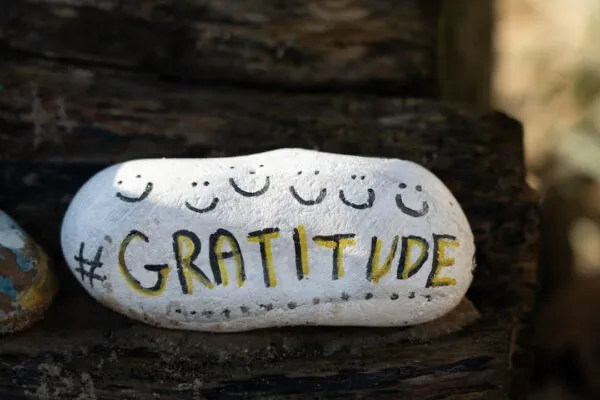
You are encountering a statement that resonates, a phrase that suggests a profound connection between a subjective internal state and an objective perception of sufficiency. "Gratitude is the language of enough" invites you to consider how expressing thankfulness can fundamentally alter your understanding and experience of having or possessing. It is not necessarily about a specific, recognized doctrine or a globally disseminated campaign, but rather a philosophical framing that many individuals and communities may find valuable.
The assertion "Gratitude is the language of enough" posits that the practice and expression of gratitude serve as the primary mechanism through which you can arrive at and perceive a state of sufficiency. This perspective operates on the premise that your internal valuation of what you possess is not solely determined by the quantity or inherent quality of these possessions, but rather by your capacity to acknowledge and appreciate them. In essence, it suggests that "enough" is not a fixed numerical value, but a fluid, subjective experience cultivated through a conscious recognition of existing good.
Defining "Enough" in Contemporary Society
The concept of "enough" is complex and highly individualized, particularly in contemporary Western societies often characterized by consumerism and relentless pursuit of more. For many, "enough" is a moving target, a horizon that recedes as fast as it is approached. Societal pressures, marketing strategies, and the constant exposure to curated ideal lifestyles can create a perpetual sense of lacking, irrespective of one's actual material circumstances. This makes the notion of identifying and experiencing "enough" a significant challenge, often requiring deliberate effort to decouple one's well-being from external validation of wealth or achievement. You might find that your definition of "enough" is constantly being reshaped by external forces unless you actively cultivate an internal compass.
The Psychology of Scarcity vs. Abundance Mindsets
Your internal orientation towards possessions and life experiences can be broadly categorized into a scarcity mindset or an abundance mindset. A scarcity mindset is characterized by a pervasive feeling of limitation, a belief that resources are finite and that one is constantly at risk of not having enough. This perspective often leads to anxiety, competition, and a focus on what is lacking. Conversely, an abundance mindset operates from a position of perceived plenty; it acknowledges the existence of sufficient resources and opportunities, fostering feelings of generosity, cooperation, and contentment. Gratitude, in this framework, acts as a potent tool for transitioning from scarcity to abundance, shifting your focus from what you do not have to an appreciation for what you do.
Gratitude as a Cognitive Reframe
From a cognitive perspective, gratitude functions as a powerful reframe. It redirects your attention from perceived deficiencies to existing positives. When you actively cultivate gratitude, you are engaging in a deliberate cognitive process of recognizing and appreciating the good things in your life. This is not merely a passive emotional response but an active mental exercise that can rewire neural pathways, making you more attuned to the positive aspects of your environment and circumstances. You are, in effect, training your brain to see the cups that are already full, rather than dwelling on those that may appear partially empty.
In exploring the concept of gratitude and its profound effects on our well-being, one can also consider the insights presented in the article "What a Glass of Wine a Day Does to Your Body." This piece delves into the health benefits associated with moderate wine consumption, which can enhance our appreciation for life's simple pleasures. By fostering a sense of gratitude for these small joys, we can cultivate a more fulfilling and balanced life. For more information, you can read the article here.
The Mechanics of Gratitude: How it Cultivates a Sense of Enough
Understanding how gratitude operates is crucial to grasping its role as the "language of enough." It is through its inherent mechanisms – shifting focus, fostering mindfulness, and promoting perspective – that gratitude enables you to recognize and articulate sufficiency.
Shifting Focus from Acquisition to Appreciation
The core function of gratitude in achieving a sense of enough lies in its ability to pivot your attention. Instead of constantly seeking to acquire more, gratitude encourages you to appreciate what you already possess. This means recognizing the value of your current material possessions, your relationships, your skills, and your opportunities, rather than viewing them as mere stepping stones to a future, more desirable state. You are invited to pause and truly see the utility, beauty, or comfort that existing items and circumstances provide. This shift is akin to an artist looking at a palette not by what colors are missing, but by the vibrant hues already present and how they can be artfully combined.
Cultivating Mindfulness and Present Moment Awareness
Gratitude is inextricably linked to mindfulness and living in the present moment. To be grateful, you must be aware of the source of your appreciation. This awareness necessitates a degree of presence, an engagement with the "now" that allows you to perceive the positive elements of your current reality. When you are distracted by desires for the future or regrets about the past, your ability to recognize what you have is diminished. Gratitude practice, therefore, inherently encourages a more mindful existence, grounding you in the reality of your present circumstances and their inherent value. The everyday objects and interactions that often pass unnoticed by a distracted mind become evident and appreciated when you are present and grateful.
Gaining Perspective on Human Needs and Desires
Gratitude also provides a vital lens through which to gain perspective on fundamental human needs versus manufactured desires. By reflecting on what truly sustains you – your health, your loved ones, basic shelter, access to nourishment – and contrasting this with the often ephemeral and insatiable nature of consumerist desires, you can begin to identify what constitutes genuine "enough." Gratitude allows you to acknowledge the basic provisions you have and to recognize the often-excessive nature of many wants. This allows for a more rational and grounded assessment of your actual needs and what truly contributes to a fulfilling life, rather than simply accumulating more of what society dictates you should want.
Gratitude's Role in Decolonizing Desire and Materialism
The pervasive influence of materialism and consumer culture in many global societies can be seen as a form of "colonization" of desire, where external forces dictate and shape what you are perceived to need. Gratitude, in this context, can act as a powerful force of decolonization, reclaiming your internal sense of value and sufficiency from external validation.
Deconstructing the "More is Better" Paradigm
The prevailing narrative in many economic and cultural systems is that "more is always better." This paradigm fuels constant consumption and a perpetual feeling of not having enough, as there is always a newer, shinier, or more advanced version of something available. Gratitude directly challenges this narrative by celebrating and affirming the value of what already exists. It suggests that the presence of "enough" is not a prerequisite for happiness, but rather a state that can be cultivated through appreciation, thus undermining the constant drive for accumulation. You are invited to question whether the pursuit of "more" genuinely enhances your well-being or merely perpetuates a cycle of longing.
Re-evaluating Societal Metrics of Success
Societal metrics of success are often heavily weighted towards material wealth, status, and outward achievements. Gratitude encourages a re-evaluation of these metrics, suggesting that true success can also be found in intangible qualities such as strong relationships, personal well-being, and a sense of inner peace. When you are grateful for the simple provisions and intrinsic joys in your life, the relentless pursuit of external markers of success may lose its magnetic pull. Your internal compass for what constitutes a life well-lived can be recalibrated, moving beyond the narrow confines of material accumulation.
The Power of Contentment as a Counter-Narrative
Contentment, often intertwined with gratitude, serves as a powerful counter-narrative to the incessant hum of consumerist desire. Rather than seeing contentment as complacency, the "gratitude is the language of enough" perspective frames it as an active, informed state of being. It is the conscious recognition and appreciation of current sufficiency that allows for genuine contentment, a state not dictated by the acquisition of further goods, but by an internal affirmation of value. This contentment is not a passive resignation but an empowered declaration that what you have is, in fact, sufficient.
Practical Applications: Weaving Gratitude into Daily Life
The theoretical understanding of gratitude as the language of enough is best solidified through its practical integration into your daily existence. These applications are not necessarily complex rituals but rather consistent, conscious efforts to acknowledge and appreciate the good.
Journaling and Reflection Practices
One of the most accessible and widely recognized methods for cultivating gratitude is through journaling. Dedicating even a few minutes each day to write down specific things you are grateful for can significantly shift your perspective. These entries can range from the mundane (a good cup of coffee, a comfortable bed) to the significant (the support of a friend, a successful project). The act of externalizing these thoughts makes them more concrete and reinforces their value in your mind. This practice is like tending a garden; consistent watering and weeding (of negative thoughts) allows the beautiful flowers (of gratitude) to bloom.
Expressing Thanks to Others
Directly expressing gratitude to others is a powerful way to solidify your own appreciation and strengthen interpersonal bonds. A sincere "thank you" for a kindness, a contribution, or simply for someone's presence can affirm their value and, in turn, reinforce your own awareness of the positive interactions in your life. This externalization of gratitude serves as a tangible affirmation of the good that exists within your social network. It is a two-way street; by acknowledging the gratitude of others, you also reinforce its presence in your own life.
Mindful Observations and Appreciation of the Everyday
Beyond formal practices, cultivating an attitude of gratitude involves making a conscious effort to be mindful of and appreciate the everyday occurrences that often go unnoticed. This could involve savoring the taste of your food, noticing the beauty of nature on your commute, or appreciating the functionality of simple technologies that enhance your life. These moments, when acknowledged with gratitude, accumulate and contribute to a pervasive sense of having enough. You are, in essence, learning to find the extraordinary within the ordinary.
Gratitude in the Face of Adversity
Perhaps the most challenging, yet most profound, application of gratitude is its cultivation in the face of adversity. While it may seem counterintuitive to express thankfulness during difficult times, adopting this practice can offer a vital lifeline. By focusing on what you still have – your resilience, the support of others, the lessons learned – you can prevent despair from overwhelming you. This is not about denying the hardship but about finding pockets of light within the darkness, proving that even in difficult seasons, there can still be something to acknowledge with gratitude. This resilience-building aspect of gratitude is a testament to its power as a transformative force.
In exploring the theme of gratitude, one can find a delightful connection to the culinary world, particularly in the joy of sharing meals that evoke fond memories. For instance, the article on blueberry pancakes offers a heartwarming recipe that not only satisfies the palate but also serves as a reminder of the simple pleasures in life. You can read more about this delicious dish and its potential to bring people together by visiting this link. Embracing such moments of gratitude can truly enhance our appreciation for the abundance we have.
The Long-Term Impact: A Sustained Sense of Enough
The consistent practice of gratitude extends beyond temporary emotional boosts; it has the potential for profound and lasting impact on your overall sense of well-being and your perception of having enough.
Reduced Anxiety and Increased Psychological Well-being
Research in psychology has consistently linked gratitude practices with reduced levels of anxiety and depression, and an overall increase in subjective well-being. By shifting your focus away from perceived lacks and towards existing positives, you can mitigate the stress and dissatisfaction that often accompany a scarcity mindset. The constant comparison and striving associated with materialism can be a significant source of anxiety; gratitude offers an antidote by fostering acceptance and appreciation. This can lead to a more stable and content emotional landscape, free from the perpetual chasing of elusive satisfactions.
Enhanced Resilience and Coping Mechanisms
As mentioned previously, gratitude can bolster your resilience in the face of challenges. When you have a well-developed practice of appreciating what you have, you are better equipped to weather storms. The ability to find positives, even in difficult circumstances, allows you to bounce back more effectively from setbacks. This resilience is not about being impervious to pain, but about possessing the inner resources to navigate it with greater fortitude and a more stable sense of self. It equips you with an internal scaffolding that can support you when external structures falter.
Deeper and More Meaningful Relationships
Gratitude naturally fosters stronger and more meaningful relationships. When you consistently express appreciation for the people in your life, you strengthen those connections and create a positive feedback loop of mutual regard. This can lead to deeper intimacy, greater trust, and a more supportive social network, all of which contribute to a profound sense of fulfillment that extends beyond material possessions. The "enough" that truly nourishes the soul is often found in these human connections, affirmed and amplified by gratitude.
A More Sustainable and Ethical Lifestyle
Ultimately, embracing gratitude as the language of enough can lead to a more sustainable and ethical approach to life. When you are content with what you have and less driven by acquisitive desires, you are likely to consume less and waste less. This has positive implications for your personal finances, your environmental footprint, and your contribution to a more equitable distribution of resources. The recognition of "enough" can inspire a lifestyle that is not only more personally fulfilling but also more in harmony with the needs of the planet and its inhabitants. Your individual choices, informed by gratitude, can ripple outwards, contributing to a collective shift towards a more balanced and mindful existence.
FAQs
What is the main idea behind "Gratitude Is the Language of Enough"?
The main idea is that practicing gratitude helps individuals recognize and appreciate what they already have, fostering a sense of contentment and reducing the desire for more.
How does gratitude contribute to a sense of "enough"?
Gratitude shifts focus from what is lacking to what is present, encouraging satisfaction with current circumstances and diminishing feelings of scarcity or inadequacy.
Can practicing gratitude improve mental health?
Yes, numerous studies show that regularly expressing gratitude can enhance well-being, reduce stress, and increase overall happiness.
What are some common ways to practice gratitude?
Common methods include keeping a gratitude journal, verbally expressing thanks, reflecting on positive experiences, and mindful appreciation of daily moments.
Is gratitude linked to material possessions or more to mindset?
Gratitude is primarily a mindset that emphasizes appreciation regardless of material wealth, focusing on valuing experiences, relationships, and personal growth.