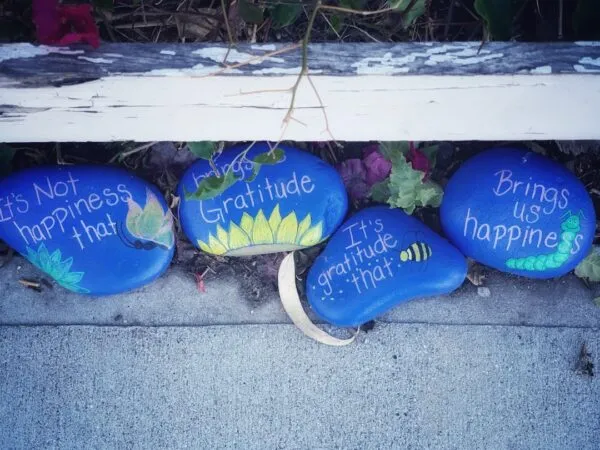
You stand at a crossroads, the path ahead shrouded in a mist that refuses to dissipate. You have sought answers, perhaps for weeks, months, or even years. You have knocked on doors, sent out signals, and cast your line into vast oceans of possibility, only to find the silence echoing back. In these moments, when the expected outcomes remain elusive, and the clarity you craved is absent, a curious phenomenon can occur. Gratitude, a quality often associated with positive resolutions, can emerge as the enduring legacy, the sturdy oak that stands long after the storm of unanswered questions has passed.
You have likely experienced the disconcerting sensation of a question hanging in the air, unanswered. It can feel like a persistent itch you cannot scratch, a puzzle with missing pieces, or a melody with a suspended final chord. This lack of resolution can manifest in various aspects of your life, from personal relationships and career trajectories to health concerns and existential inquiries.
The Psychological Landscape of Uncertainty
When you confront situations where answers are absent, your mind naturally attempts to bridge the gap. This can lead to a heightened state of cognitive effort, focusing intensely on finding a solution or explanation.
The Drive for Closure
Your brain is adept at pattern recognition and narrative construction. The absence of a definitive answer disrupts this natural inclination, creating a psychological imperative for closure. This can manifest as rumination, anxiety, or a persistent feeling of unease. You might find yourself replaying events, dissecting conversations, or engaging in hypothetical scenarios, all in an attempt to force a conclusion.
The Illusion of Control
Seeking answers often stems from a desire to regain a sense of control over your environment and circumstances. When answers are withheld, this perceived control can feel significantly diminished. You are left in a state of flux, where external forces seem to dictate your experience rather than your own agency.
The Practical Implications of Unanswered Issues
Beyond the psychological impact, the absence of answers can have tangible consequences in your daily life.
Decision Paralysis
In situations requiring a choice, the lack of clear information or predictable outcomes can lead to indecision. You might feel frozen, unable to move forward because you lack the necessary data points to make an informed judgment. This can stall progress and create a sense of stagnation.
Emotional Resonance
Unanswered questions can carry significant emotional weight. They can be tied to hopes, fears, and deeply held beliefs, making their unresolved nature particularly poignant. This emotional residue can linger, influencing your mood and outlook.
In exploring the theme of gratitude and its impact on our lives, a related article titled "How Coffee Shapes Your Daily Routine" delves into the ways our daily rituals can foster a sense of appreciation and mindfulness. This piece highlights how something as simple as enjoying a cup of coffee can serve as a moment of reflection and gratitude, enhancing our overall well-being. To read more about this intriguing connection, visit the article here: How Coffee Shapes Your Daily Routine.
The Emergence of Gratitude: A Counterintuitive Anchor
When the scaffolding of answers crumbles, leaving you adrift in uncertainty, the concept of gratitude may seem counterintuitive. It is often learned as a response to positive reinforcement or the attainment of goals. Yet, it is precisely in these voids that gratitude can begin to take root, not as a resignation to defeat, but as a conscious recalibration of your perspective.
Gratitude as a Tool for Cognitive Reframing
Gratitude acts as a powerful lens through which you can re-examine your experiences, even those that feel incomplete or unsatisfactory. It allows you to shift your focus from what is missing to what is present.
The Grace of Presence
As observed in the GraceNotes Podcast, cultivating gratitude upon waking, even amid daily stresses and unanswered concerns, can be a "grace for abundant life" (John 10:10). This perspective suggests that rather than waiting for resolutions to appreciate life, you can find richness in the present moment, irrespective of external circumstances. This involves recognizing the inherent value of your existence and the ongoing flow of your experiences.
Grounding in the Now
The declaration of 2026 as "The Year of Gratitude" by Kaitlin Rawson highlights the practice of grounding in thankfulness during "low moments and unknowns." This emphasizes gratitude as a deliberate act of anchoring yourself when the ground beneath your feet feels unstable. It is a way to establish a stable emotional and mental foundation.
Gratitude as a Response to Shared Humanity
The Southern Gentlemen Podcast's discussion on contentment and gratitude when comparing lives underscores a crucial aspect of this practice: understanding that everyone faces hidden struggles. This realization fosters a sense of shared experience and can lead to a deeper appreciation for your own situation, even with its unanswered questions.
Recognizing Hidden Battles
The knowledge that others, too, grapple with their own unanswered questions and unseen difficulties can mitigate feelings of isolation. It reminds you that your experience, while intensely personal, is part of a broader tapestry of human existence. This fosters empathy and can broaden your definition of what constitutes a "good" or "sufficient" life.
The Joy Thief of Comparison
The podcast explicitly links comparing your life to others with a theft of joy. When you focus on what others seemingly possess that you do not, particularly when your own situation is ambiguous, discontent can flourish. Gratitude, conversely, offers an antidote by redirecting your attention to your own unique abundance, however defined.
The Strategic Advantage of Gratitude
When answers remain elusive, gratitude emerges not as a passive acceptance of fate, but as an active, strategic choice that can profoundly impact your outlook and well-being. Its value lies in its ability to influence your internal state, irrespective of external validation or resolution.
Gratitude as a Mood and Outlook Enhancer
The assertion that "Gratitude is the Winning Strategy in 2026!" according to Charlotte Content Marketing, points to its practical benefits. The advice to focus on gratitude "precisely when it feels absent" suggests that it is a cultivated skill with tangible rewards.
Cultivating Positivity Amidst Negativity
By consciously seeking out things for which to be thankful, even in challenging circumstances, you can actively counter negative thought patterns. This is akin to turning a dimmer switch on the shadows of your mind, allowing more light to penetrate.
Improving Psychological States
The promise of "mood and outlook improvements" is not mere platitude. Research in psychology has consistently demonstrated the positive correlation between gratitude and subjective well-being, reduced stress, and increased resilience. It can act as an emotional buffer.
Gratitude as a Catalyst for Growth and Travel Goals
The mention of supporting "growth and travel goals" in relation to the "Year of Gratitude" indicates that this practice is not solely about enduring hardship, but also about fostering forward momentum.
Reframing Obstacles as Opportunities
When unanswered questions act as roadblocks to your aspirations, gratitude can help you reframe these obstacles. Instead of viewing them as insurmountable barriers, you might come to appreciate the lessons they offer or the detours they necessitate, which might lead to unexpected discoveries.
Fueling Future Ambitions
By fostering a sense of contentment and appreciation for what you have, gratitude can free up mental and emotional energy that might otherwise be consumed by frustration. This renewed energy can then be channeled towards pursuing your goals, even with a less-than-perfect understanding of how they will unfold.
The Mechanics of Cultivating Gratitude When Answers Are Scarce
The practice of gratitude when faced with unanswered questions requires deliberate effort. It is not simply a passive feeling that descends upon you; rather, it is a skill that can be honed through consistent application.
Intentional Reflection and Acknowledgment
The core of cultivating gratitude in such situations lies in a conscious decision to seek it out. This involves actively engaging your mind in the process of appreciation.
The Gratitude Journal
A common and effective method is the practice of journaling. Dedicate a space, whether a physical notebook or a digital document, to record moments, people, or circumstances for which you are thankful. Start small, perhaps with one entry a day. This act of writing solidifies the feeling and creates a tangible record of your appreciation. You might even find yourself jotting down, "I am grateful for the clarity I will receive," or "I am grateful for the strength I am discovering through this process."
Mental Check-ins
Beyond journaling, incorporate regular mental check-ins throughout your day. Pause for a moment, take a deep breath, and ask yourself: "What is good in this moment?" Even if the "good" is simply the ability to breathe, or the warmth of the sun on your skin, acknowledge it. This practice transforms your awareness from a spotlight on what is missing to a diffused light illuminating what is present.
Shifting the Narrative from Deficit to Abundance
The key to successful gratitude in the face of unanswered questions is to consciously shift your internal narrative. You are not merely surviving; you are still living, experiencing, and evolving.
Focusing on the Journey, Not Just the Destination
When the destination (the answer) is unclear, you can choose to find value in the journey itself. Acknowledge the lessons learned, the resilience built, the relationships strengthened, or simply the experience of navigating the unknown. This is akin to appreciating the intricate details of a landscape while on a journey, even if the ultimate endpoint is not yet visible.
Appreciating Unseen Efforts
Consider the efforts of others or even your own past efforts that may have contributed to your current situation, even if the outcome is not what you expected. Perhaps a friend offered support that, while not providing an answer, helped you endure. Perhaps your own past actions, though not leading to the desired result, have equipped you with skills you are now drawing upon. Acknowledging these contributions fosters a broader sense of gratitude.
In exploring the themes of gratitude and resilience, one might find it enlightening to read about the significance of appreciating the finer things in life, which is beautifully captured in the article on high-quality jewelry from selected luxury brands. This piece highlights how such treasures can serve as reminders of cherished moments and connections, aligning well with the idea that gratitude is what remains when answers don't come. For more insights on this topic, you can check out the article here.
The Enduring Legacy: Gratitude as a Foundation
When all the searching, questioning, and strategizing has yielded no definitive responses, what remains? It is the cultivated capacity for gratitude, a quiet dignity that emerges from within. This is not a matter of intellectual assent to a philosophy, but a felt experience, a way of being that sustains you.
Gratitude as a Source of Resilience
The ability to find things to be thankful for, even when faced with adversity and uncertainty, builds a powerful reservoir of resilience. When new challenges arise, and they inevitably will, you will have a practiced method for navigating them.
The Antifragile Mindset
This practice can contribute to an antifragile mindset, where systems or individuals become stronger when exposed to volatility, stress, and uncertainty. By embracing discomfort and finding the good within it, you are not just withstanding hardship, but growing from it. Gratitude acts as a nutrient for this growth.
Emotional Fortification
Gratitude can act as an emotional fortification, strengthening your ability to cope with stress and disappointment. It is a shield against the corrosive effects of prolonged negativity or the gnawing emptiness of unresolved issues.
Gratitude as a Foundation for Future Exploration
Far from being an endpoint, gratitude can serve as a stable platform from which to continue your explorations. It provides a sense of peace that allows for more effective and less desperate seeking.
Renewed Purpose
When you are grounded in gratitude, the search for answers can be approached with a renewed sense of purpose and a lighter heart. The pressure to find a specific outcome can lessen, allowing for a more open and curious investigation.
The Open Door
Ultimately, gratitude is what remains. It is the quiet hum of appreciation that persists when the clamor of unanswered questions fades. It is the steady light that guides you, not necessarily to the answers you initially sought, but to a deeper understanding of yourself and the richness of existence, even in its most uncertain manifestations. You discover that the space around the unanswered question is not necessarily empty, but often filled with the quiet, enduring presence of your own thankfulness.
FAQs
What is the main theme of the article "Gratitude Is What Remains When Answers Don't Come"?
The main theme of the article is the importance of practicing gratitude, especially in situations where clear answers or solutions are not available. It emphasizes how gratitude can provide comfort and perspective during uncertain or challenging times.
How does gratitude help when answers are not readily available?
Gratitude helps by shifting focus from frustration or confusion to appreciation for what is still positive or meaningful. This mindset can reduce stress, improve emotional resilience, and foster a sense of peace despite unanswered questions.
Does the article suggest any specific ways to cultivate gratitude?
Yes, the article suggests practices such as keeping a gratitude journal, reflecting daily on things one is thankful for, and consciously acknowledging small positive moments as ways to cultivate and maintain a grateful attitude.
Is the concept of gratitude linked to any psychological benefits in the article?
The article links gratitude to psychological benefits including increased happiness, reduced anxiety, and improved overall well-being. It highlights research showing that gratitude can enhance mental health by promoting positive emotions and reducing negative thought patterns.
Who can benefit from reading this article?
Anyone facing uncertainty, difficult life circumstances, or seeking personal growth can benefit from the article. It is particularly helpful for individuals looking to develop emotional resilience and find peace when clear answers or solutions are not available.