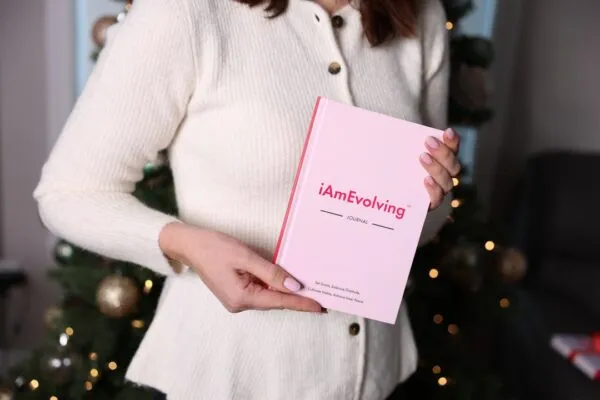
We often find ourselves navigating a complex world, constantly bombarded with information and stimuli. In this intricate dance of daily life, it's easy to lose sight of the myriad blessings and positive aspects that surround us. This is where the practice of gratitude journaling emerges as a powerful, yet accessible tool. We are not discussing a fleeting trend, but a scientifically substantiated method for cultivating a more positive and resilient mindset. As we delve into the mechanics and benefits of gratitude journaling, we invite you to consider its potential as a guided path toward enhanced well-being.
Our understanding of gratitude, while a fundamental human emotion, has evolved significantly over time. While ancient philosophies and religious texts have long extolled the virtues of thankfulness, contemporary research has provided a rigorous framework for understanding its psychological and physiological impacts.
Early Concepts of Gratitude
Historically, gratitude was often framed within a communal context, emphasizing reciprocity and social cohesion. Many spiritual traditions, for instance, encourage daily expressions of thanks as a means of fostering connection with a higher power or with nature. These early conceptualizations, while lacking the empirical rigor of modern science, intuitively grasped the positive social and psychological implications of acknowledging blessings. We see echoes of these early practices in various cultural rituals and personal reflections.
Modern Research and the Rise of Positive Psychology
The late 20th and early 21st centuries witnessed a burgeoning interest in positive psychology, a branch of psychology that focuses on human flourishing and strengths rather than pathology. Within this field, gratitude emerged as a key area of study. Researchers began to systematically investigate the effects of gratitude on mental and physical health, leading to a deeper understanding of its mechanisms. This era marked a shift from merely appreciating gratitude to actively cultivating it as a tool for personal growth.
Gratitude Journaling in the 21st Century
In the contemporary landscape, gratitude journaling has solidified its position as a prominent self-help and well-being practice. Indeed, as of 2026, it ranks among the top nine journaling methods, reflecting its widespread adoption and perceived efficacy. This recognition is not merely anecdotal; it is underpinned by decades of robust research that validates its capacity to boost mood, reduce anxiety and depression, enhance sleep quality, and even improve physical health markers. We are collectively moving beyond a superficial appreciation of gratitude to a deliberate and structured engagement with it.
Guided gratitude journaling can be a transformative practice that enhances your overall well-being by encouraging mindfulness and appreciation for the positive aspects of life. For those interested in exploring how gratitude can extend beyond personal reflections, you might find the article on high-quality jewelry from selected luxury brands particularly intriguing. It highlights how meaningful gifts, such as jewelry, can serve as tangible reminders of gratitude and cherished moments. To learn more, visit the article here: high-quality jewelry from selected luxury brands.
The Science of Thankfulness: How Gratitude Rewires Our Brain
To understand why gratitude journaling is so effective, we must consider its impact at a neurological level. Our brains are remarkably adaptable, and engaging in gratitude exercises acts as a kind of "neural gym," strengthening circuits associated with positivity and resilience.
Activating the Medial Prefrontal Cortex
When we consciously engage in gratitude, we are not merely performing a superficial act. Brain imaging studies have shown that expressing gratitude actively stimulates the medial prefrontal cortex. This region of the brain is intricately involved in emotional regulation, self-reflection, and social cognition. By repeatedly activating this area through gratitude journaling, we are effectively training our brains to process emotions more adaptively and to foster a more positive self-perception. We are, in essence, creating a more robust internal landscape.
Boosting Dopamine and Serotonin
The impact of gratitude extends to our neurochemical messengers. Regular practice of gratitude journaling has been linked to increased levels of neurotransmitters such as dopamine and serotonin. Dopamine is often associated with reward and motivation, while serotonin plays a crucial role in mood regulation, sleep, and appetite. The consistent release of these "feel-good" chemicals contributes to the sustained improvements in mood and reduced symptoms of depression and anxiety reported by many practitioners. This is not simply a transient uplift; it's a recalibration of our internal reward system.
Lowering Inflammation and Improving Heart Rate Variability
The benefits of gratitude are not confined to our mental state; they extend to our physical well-being. Research indicates that gratitude can play a role in lowering systemic inflammation within the body. Chronic inflammation is a known contributor to various health issues, including cardiovascular disease and autoimmune disorders. Furthermore, gratitude has been shown to improve heart rate variability, a key indicator of cardiovascular health and our body's ability to adapt to stress. Even with as few as two to three sessions of gratitude journaling per week, we can observe these tangible physiological improvements. Our bodies, in a profound way, respond to our expressions of thankfulness.
The Tangible Benefits: A Healthier, Happier Us
The scientific underpinnings of gratitude journaling translate into a myriad of practical health and well-being advantages that we can experience in our daily lives. These benefits are not merely theoretical; they are demonstrably impactful.
Enhanced Mental Well-being and Resilience
One of the most frequently cited benefits of gratitude journaling is its profound impact on mental health. Studies, including specific research from UCLA, highlight that dedicating just 15 minutes a day, five days a week, for six weeks can lead to significant improvements in anxiety levels. By consistently focusing on positive aspects, we gradually shift our cognitive biases away from negativity and toward a more optimistic outlook. This consistent practice builds what we might call a mental "scaffold" that helps us navigate life's inevitable challenges with greater resilience. We become better equipped to weather storms and appreciate the sunshine.
Improved Sleep Quality and Physical Health Markers
The ripple effect of gratitude extends to the quality of our sleep. Individuals who regularly practice gratitude often report falling asleep more easily and experiencing more restful sleep. This is likely due to the reduction in rumination and anxiety that gratitude fosters, allowing our minds to unwind more effectively at the end of the day. Beyond sleep, gratitude has been linked to other critical physical health markers. It can contribute to lower blood pressure, which is a significant factor in cardiovascular health. Moreover, strengthening our immune system, a crucial defense mechanism against illness, also appears to be a benefit of consistent gratitude practice. This holistic impact underscores the deep connection between our mental and physical states.
Gratitude as a "Social Glue" and Cognitive Shift
Gratitude is not solely an internal experience; it also acts as a powerful "social glue." When we express gratitude, we not only uplift ourselves but also strengthen our connections with others. Acknowledging the contributions of those around us fosters a sense of appreciation and reciprocity, enriching our relationships. Furthermore, gratitude journaling facilitates a significant cognitive shift. It helps us transition from a "survival brain" – constantly scanning for threats and focusing on deficiencies – to a "creative brain" – one that is open to possibilities, solutions, and positive experiences. This fundamental change in perspective empowers us to engage with the world in a more constructive and optimistic manner.
Practical Steps to Begin Your Gratitude Journaling Journey
Embarking on a gratitude journaling practice is a straightforward process, yet consistency is key. We offer several practical tips to help you initiate and maintain this beneficial habit.
Establishing a Daily Ritual
Consistency is paramount in forming any new habit, and gratitude journaling is no exception. We recommend setting aside a specific time each day for this practice. This could be in the morning, as a way to set a positive tone for the day, or in the evening, as a means of reflecting on the day's blessings. The duration need not be extensive; even 5-10 minutes can be sufficient. The act of making it a non-negotiable part of your daily routine will significantly increase your likelihood of success. Consider it a small but powerful investment in your daily well-being.
What to Write About: Sparks for Your Gratitude
For those new to gratitude journaling, staring at a blank page can sometimes feel daunting. We suggest starting by noting what we call "task-lighters" – the simple, often overlooked aspects of your day that made things easier or brighter. This could be a warm cup of coffee, a pleasant interaction with a colleague, a moment of sunshine, or even the smooth operation of technology.
Alternatively, a common and effective approach is to list at least three items for which you are grateful each day. These entries don't have to be monumental; they can be as simple as:
- "The comfortable chair I'm sitting in."
- "A kind word from a friend."
- "The ability to enjoy a meal."
The goal is to cultivate an awareness of positive elements, no matter how small. Additionally, we find it beneficial to not only list the grateful items but also to briefly describe why you are grateful for them. This deepens the reflection and reinforces the emotional impact.
Enhancing Your Practice: Guided Prompts and Future Focus
To further enrich your gratitude journaling experience, consider utilizing guided prompts. These can be found in various journaling apps, online resources, or even within dedicated gratitude journals. These prompts can help you explore different facets of gratitude and prevent the practice from becoming repetitive. For example, a prompt might ask: "Name one skill you used today and why you're grateful for it," or "Recall a memory that brings you joy and express your gratitude for it."
Another powerful technique is to incorporate a forward-looking element into your journaling. After listing what you are grateful for today, take a moment to suggest one small improvement you can make for tomorrow. This doesn't have to be a grand gesture; it could be something as simple as "I will try to be more present during my evening walk" or "I will make sure to get an extra glass of water." This adds a layer of intentionality and continuous improvement to your practice.
Guided gratitude journaling can be a transformative practice, helping individuals cultivate a positive mindset and appreciate the small joys in life. For those looking to enhance their journaling experience, exploring related topics can be beneficial. One delightful article that complements this practice is a recipe for blueberry pancakes with maple syrup, which encourages readers to savor the moment and indulge in simple pleasures. You can find the recipe here, making it a perfect addition to your gratitude journey.
Avoiding the Pitfalls: Authenticity Over Toxic Positivity
While gratitude journaling is overwhelmingly beneficial, it's crucial to approach it with a balanced perspective. We are not advocating for a forced cheerfulness or "toxic positivity," which dismisses struggles; rather, we champion a genuine and authentic cultivation of gratitude.
Acknowledging Challenges Without Drowning in Them
Life inevitably presents challenges and difficulties. Gratitude journaling is not about ignoring these realities. Instead, it's about acknowledging them while simultaneously choosing to focus on the positive aspects that can coexist with adversity. It's about recognizing that even in difficult times, there can be growth, learning, and moments of light. We should allow ourselves to feel our emotions, both positive and negative, but understand that gratitude can provide a counterweight to overwhelming negativity. It's akin to observing both the clouds and the patches of blue sky.
Gratitude as a Path to Resilience, Not Denial
The core purpose of gratitude journaling is to build resilience. Resilience is not the absence of struggle, but the ability to bounce back from it. By consistently focusing on what is good, we are essentially training our brains to find silver linings and to appreciate the resources and support available to us. This cultivates an inner strength that helps us navigate life's inevitable ups and downs. It is a testament to our capacity for endurance and hope, rather than a denial of reality. Our aim is to foster strength, not to blind ourselves.
Personal Narratives and the Enduring Impact of Gratitude
While research provides the empirical backbone, personal testimonials offer powerful insights into the transformative potential of gratitude journaling. These individual experiences often resonate deeply, highlighting the practical application of the practice.
Amplified Gratitude and Memory Retention
Many individuals, including prominent YouTube advocates in 2026, attest to experiencing a significant amplification of gratitude in their daily lives after adopting journaling. They report a "100x more gratitude," suggesting a profound shift in perspective. This isn't just about feeling grateful for big events; it's about a heightened awareness and appreciation for the mundane, the subtle, and the everyday blessings. Furthermore, journaling, by its very nature, aids in memory retention. When we consciously write down our grateful moments, we are more likely to recall them later, reinforcing the positive emotions associated with those memories. This creates a valuable archive of personal positivity.
Cultivating Mindfulness and Present Moment Awareness
A consistent theme among those who practice gratitude journaling is an increased sense of mindfulness. By taking time each day to reflect on moments of gratitude, we are pulled into the present moment. We become more attuned to our surroundings and more present in our experiences. This intentional pause helps to counteract the pervasive tendency to multi-task or to dwell on past regrets or future anxieties. Even a semi-regular practice, be it weekly or monthly, can contribute significantly to cultivating this vital quality of present-moment awareness, allowing us to truly savor the richness of life as it unfolds. We learn to taste the fullness of each moment.
In conclusion, our exploration of gratitude journaling reveals it to be a practical, evidence-based, and profoundly beneficial practice. From its historical roots to its contemporary scientific validation, we see a consistent narrative of its power to enhance mental and physical well-being. By engaging in this simple yet effective habit, we are not merely listing items; we are actively rewiring our brains, cultivating resilience, and constructing a more positive and fulfilling life. We encourage you to embrace this guided path to positivity and discover its transformative potential for yourselves.
FAQs
What is guided gratitude journaling?
Guided gratitude journaling is a structured practice where individuals write about things they are thankful for, often following prompts or specific questions designed to encourage reflection and positivity.
How does guided gratitude journaling benefit mental health?
Guided gratitude journaling can improve mental health by reducing stress, enhancing mood, increasing feelings of happiness, and promoting a more positive outlook on life through regular reflection on positive experiences.
What are common prompts used in guided gratitude journaling?
Common prompts include questions like "What are three things you are grateful for today?", "Describe a positive experience you had recently," or "Who in your life are you thankful for and why?"
How often should one practice guided gratitude journaling?
It is recommended to practice guided gratitude journaling daily or several times a week to build a consistent habit and maximize its emotional and psychological benefits.
Can guided gratitude journaling be done digitally or only on paper?
Guided gratitude journaling can be done both digitally, using apps or word processors, and on paper. The choice depends on personal preference and what feels most comfortable and accessible.