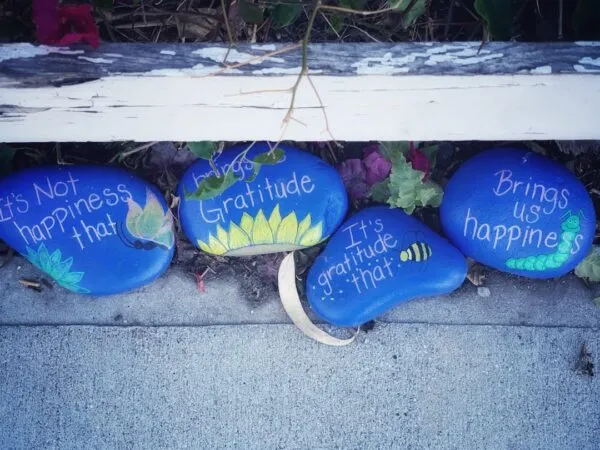
Gratitude is an emotion that has been widely studied and discussed across various disciplines, from psychology and philosophy to sociology and literature. While its definition can vary, gratitude is often understood as a positive emotional response to receiving a benefit, whether tangible or intangible, from another person or from life itself. This article explores gratitude quotes that can offer a sense of relief, examining how specific passages can alter one's perspective and foster a feeling of release from burdens. The focus here is on the impact of these words on your internal state, rather than their origin or provenance.
Relief, in the context of this discussion, is not mere absence of distress, but a tangible easing of psychological or emotional weight. It is the feeling of a burden lifted, a knot untangled, or a storm passed. Gratitude, with its inherent focus on appreciation and recognition, can act as a catalyst for this kind of relief by reframing challenges and highlighting existing positives.
Shifting Perspective: From Lack to Abundance
One of the primary ways gratitude induces relief is by shifting your focus from what is perceived as lacking to what is already present. This reorientation can interrupt cycles of negative rumination and discontent.
"Gratitude turns what we have into enough"
This concise statement encapsulates a fundamental principle: gratitude's power to redefine sufficiency. When you adopt a grateful mindset, the perceived inadequacy of your circumstances can transmute into a sense of completeness. This is not about delusion or ignoring challenges, but about recognizing the value in your current holdings, however modest they may seem.
The Psychology of "Enough"
Psychologically, the concept of "enough" is subjective. Societal pressures and individualistic aspirations often create an endless pursuit of more, leading to a perpetual state of dissatisfaction. Gratitude intervenes by anchoring your present contentment to existing resources. It encourages you to acknowledge the roof over your head, the food on your table, the relationships that sustain you, or the opportunities that have arisen, regardless of whether they meet some external benchmark of "success." The relief here is profound: it is the cessation of the relentless chase, the quiet understanding that you are, in fact, already supplied.
Metaphorical Understanding: The Unclenched Fist
Consider your mind as a hand. When you are focused on what you lack, your hand is often clenched, desperately grasping for more. This clenched fist represents tension and a feeling of scarcity. Gratitude, however, encourages you to open your hand. When your hand is open, it can receive, it can hold what is already there, and it can relax. The act of opening your hand, facilitated by a grateful perspective, is the first step towards releasing the tension and experiencing relief. The relief is in the unclenched fist, the easy breath, the allowance of what is.
"Gratitude unlocks the fullness of life. It turns what we have into enough, and more. It turns denial into acceptance, chaos to order, confusion to clarity"
This expansive quote highlights the multifaceted impact of gratitude. It is not merely a passive acknowledgment but an active force that can redefine your experience of reality. The relief it promises is multifaceted, touching upon acceptance, order, and clarity.
Acceptance as a Pathway to Peace
The transformation from denial to acceptance is a significant source of relief. Denial is often a state of internal conflict, a resistance to reality that drains energy and perpetuates suffering. Gratitude, by its nature, necessitates acknowledging what is. When you are grateful for a situation, even a difficult one, you are, in effect, accepting its presence. This acceptance does not equate to complacency, but to ceasing the internal war against what cannot be immediately changed. The relief is in the surrender of the fight against reality, allowing you to then focus your energy on navigating the situation constructively.
Bringing Order to Chaos and Clarity to Confusion
The power of gratitude to bring order to chaos and clarity to confusion is particularly potent when you feel overwhelmed. When faced with a complex or overwhelming situation, your mind can descend into chaos. Gratitude acts like a steadying hand in a turbulent sea. By focusing on one small thing for which you are thankful – a moment of peace, the support of a friend, your own resilience – you introduce a point of order. This single point of gratitude can then ripple outwards, helping you to untangle the threads of confusion. The relief is akin to a fog lifting, revealing the path forward, or the sudden silencing of a cacophony, allowing you to hear individual notes.
The Emancipatory Power of Acknowledgment
Gratitude can be a form of emancipation, freeing you from the shackles of unmet expectations and past grievances. Acknowledging what you have survived, rather than what you have lost, is a crucial aspect of this liberation.
"Closing this chapter with relief, reflection and respect"
This sentiment, often associated with transitional periods like the end of a year, speaks directly to the relief found in consciously concluding a phase of your life. The act of closing a chapter implies a deliberate process of acknowledgment.
The Dignity of Acknowledgment
The inclusion of "respect" in this statement is significant. It suggests an acknowledgment not just of events, but of the process and your own role within it. When you reflect on a past period with respect, you are granting yourself and the experiences an inherent dignity. This is not about judging successes or failures, but about recognizing the entirety of the journey. The relief here is in the cessation of holding onto the past in a way that burdens the present. It is the freedom that comes from knowing you have honored the past by understanding it.
Relief from the Unresolved
Often, a lack of relief stems from unresolved feelings or a sense of incompletion. When you consciously close a chapter, you are, in essence, bringing resolution. This could be through acknowledging lessons learned, forgiving past hurts (whether of yourself or others), or simply accepting that the chapter is now closed. The relief is in the quiet understanding that the story of that chapter has been written, and you are now free to turn the page without its weight dragging you down.
"What we survived in 2025 deserves acknowledgment"
This quote emphasizes the strength found in acknowledging resilience. The act of survival, especially through challenging periods, is itself worthy of recognition.
The Weight of Unacknowledged Survival
Many individuals carry the unspoken burden of past hardships. The relief in acknowledging survival comes from validating your own strength and fortitude. When you've navigated difficult times, the memories can be tinged with pain or shame. Gratitude, in this context, becomes an act of self-compassion. By acknowledging what you have survived, you are essentially saying, "I was strong enough. I got through it." This validation can be profoundly liberating. The relief is in shedding the internalized narrative of victimhood and embracing the reality of your resilience.
The Quiet Confidence of Endurance
Survival is not always a dramatic event; it is often a quiet, persistent endurance. Acknowledging this endurance fosters a sense of inner strength. It's like realizing you've carried a heavy load for a long time without complaint, and then, upon finally setting it down and recognizing its weight and your ability to bear it, you feel a profound sense of relief and newfound capability. This acknowledgment builds a quiet, unshakeable confidence that can serve as a bulwark against future challenges.
The Transformative Power of Negative Feelings' Absence
The assertion that it is impossible to feel sad or have negative feelings when you are grateful suggests a powerful, almost alchemical, transformation of emotional states.
"It's impossible to feel sad or have any negative feeling when you're grateful"
While this statement might be an oversimplification from a strict psychological standpoint, its metaphorical truth is powerful. It points to a fundamental incompatibility between profound gratitude and pervasive negativity.
The Dominance Principle of Gratitude
Consider gratitude as a powerful emotion that can occupy the foreground of your consciousness. When gratitude is dominant, other, more negative emotions are naturally relegated to the background, or their intensity is significantly diminished. It's like a very bright light illuminating a room; the shadows are still present, but they are not what you perceive. The relief comes from the temporary or even sustained displacement of negativity. When you are experiencing genuine gratitude, the space for sadness, anger, or resentment shrinks.
The Echo of Gratitude
The relief derived from this principle is in disrupting negative emotional loops. When you are stuck in a cycle of negative thinking, the introduction of gratitude acts as a circuit breaker. The memory of something or someone for which you are thankful can, for a moment, eclipse the source of your sadness. This temporary respite can then create an opening for a more sustained shift. The relief is in that fleeting but potent moment of emotional reprieve, that echo of positivity that drowns out the persistent din of distress.
"When you are grateful, fear disappears and abundance appears"
This quote connects gratitude directly to the dispelling of fear and the manifestation of abundance. These are significant psychological states that, when shifted, can bring immense relief.
The Dissolution of Fear
Fear is often rooted in a perceived lack of control or resources, or in anticipation of negative outcomes. Gratitude, by focusing on what is already present and positive, directly counteracts these foundations of fear. When you acknowledge the good in your life, the potential disasters that you have avoided, or the strengths you possess to face challenges, the landscape of your possibilities shifts. The relief from fear is a profound unclenching of the body and mind, a release of tension that fear often engenders.
The Revelation of Abundance
The appearance of abundance when one is grateful is not necessarily about material wealth. It is about a shift in perception that reveals the richness of life that might have been overlooked. When you are grateful, you are more attuned to the opportunities, the support systems, and the simple joys that surround you. The relief is in realizing that you are not as lacking as you might have believed. It is the discovery of a hidden treasure trove in your own life, a wealth of experience and connection that was always there, simply waiting to be seen with grateful eyes.
The Gentle Embrace of Future Possibilities
Gratitude also plays a role in how you approach the future, offering a sense of calm preparedness rather than anxious anticipation.
"May 2026 meet you halfway, with clarity and quiet confidence"
This sentiment, looking towards a future date, frames the hopeful anticipation of positive states of being, facilitated by a sense of earned clarity and confidence.
The Gift of "Meeting You Halfway"
The phrase "meet you halfway" suggests a collaborative and gentle approach to the future. It implies that the future is not a daunting force to be conquered, but a partner with whom you can walk. This reduces the anxiety often associated with the unknown. The relief here is in letting go of the pressure to control every aspect of the future and embracing a more organic unfolding. It is the comfort of knowing that while you are moving forward, the future is also extending itself towards you.
Clarity and Quiet Confidence as Relief
Clarity, stemming from reflected lessons (as suggested in other quotes), and quiet confidence, built on acknowledged survival, are profound sources of relief. When you have clarity about your path and confidence in your ability to navigate it, the anxieties of the future diminish. The relief is in the stillness that replaces agitation, the stable footing that replaces precarious uncertainty. It is the peace that comes from knowing you are equipped, not necessarily to conquer, but to respond with grace and capability.
In conclusion, gratitude quotes can serve as potent tools for fostering a sense of relief. By reframing your perception of sufficiency, acknowledging your resilience, and disrupting negative emotional cycles, these passages can help you shed burdens and experience a profound sense of peace and liberation. The relief they offer is not a fleeting escape, but a deep-seated shift in perspective that allows you to embrace your life with greater contentment and equanimity.
FAQs
What is the main theme of the article "Gratitude Quotes That Feel Like Relief"?
The article focuses on gratitude quotes that evoke a sense of relief and comfort, highlighting how expressing thankfulness can positively impact emotional well-being.
How can gratitude quotes provide a feeling of relief?
Gratitude quotes often remind individuals to appreciate the positive aspects of life, which can reduce stress, shift focus from negative thoughts, and promote a calming sense of peace and relief.
Are the gratitude quotes in the article from famous authors or anonymous sources?
The article includes a mix of gratitude quotes from well-known authors, philosophers, and anonymous sources, offering a variety of perspectives on the power of thankfulness.
Can reading gratitude quotes improve mental health?
Yes, regularly reading and reflecting on gratitude quotes can encourage a positive mindset, increase feelings of happiness, and contribute to better mental health by fostering appreciation and reducing anxiety.
Is the article suitable for people new to practicing gratitude?
Absolutely, the article is designed to be accessible and inspiring for anyone interested in incorporating gratitude into their daily life, whether they are beginners or experienced in gratitude practices.