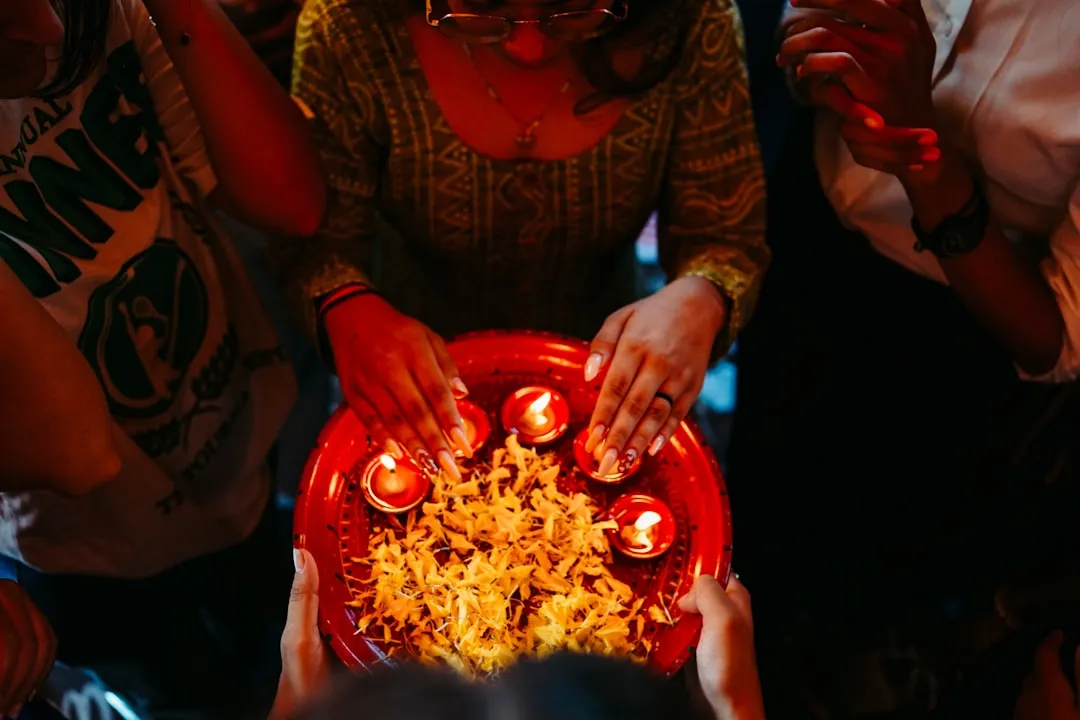
We have observed a growing interest in practices that purport to enhance life satisfaction. Among these, the concept of gratitude has emerged as a subject of considerable attention, leading to the development of various "gratitude rituals." While there is no singular, universally recognized work titled "Gratitude Ritual: The Key to a Fulfilling Life," the principles and practices associated with cultivating gratitude are being explored and implemented across different contexts, from personal development initiatives to organized events and academic research. Our exploration delves into the nature of these practices, their potential benefits, and the methodologies through which they are enacted.
Gratitude, at its core, refers to the appreciation for what one has. It is an emotional state that acknowledges benefits received, whether tangible or intangible, and recognizes the source of these benefits. In the context of personal development, gratitude has been framed not merely as an emotion but as a practice that can be cultivated intentionally. This perspective suggests that by engaging in specific actions and thought patterns, individuals can foster a more consistent experience of gratitude, which in turn may lead to positive psychological and behavioral outcomes.
The Psychological Foundations of Gratitude
Psychological research has identified gratitude as a complex emotion with significant implications for well-being. It is often linked to positive affect, social connectedness, and resilience. Studies suggest that grateful individuals tend to experience higher levels of happiness, optimism, and life satisfaction. Furthermore, gratitude has been associated with a reduction in negative emotions such as envy, resentment, and regret.
Gratitude and Emotion Regulation
Our observations indicate that gratitude can serve as a powerful tool for emotion regulation. By shifting focus towards positive aspects of our experiences and circumstances, we can mitigate the impact of negative emotions. This redirection of attention acts like a lens, sharpening our perception of the good in our lives and blurring the edges of adversity.
The Social Dimension of Gratitude
Gratitude is inherently a social construct. It often arises in response to perceived kindness or support from others. This social dimension underscores its role in strengthening interpersonal relationships. Feeling and expressing gratitude can foster a sense of connection and reciprocity, contributing to stronger social bonds and a more supportive social environment.
Differentiating Gratitude from Other Positive Emotions
It is important to distinguish gratitude from other positive emotions such as joy or relief. While these emotions may coexist with gratitude, they have different triggers and effects. Joy, for instance, is often experienced in response to a pleasurable event, while relief follows the alleviation of distress. Gratitude, conversely, is rooted in the recognition of benefits, often those that have been intentionally provided or bestowed.
The Role of Perceived Intentionality
A key element in the experience of gratitude is the perception of intentionality on the part of the benefactor. We are more likely to feel gratitude when we believe that a benefit was deliberately provided or an act of kindness was purposefully extended towards us. This suggests that the interpretation of events plays a crucial role in eliciting grateful sentiments.
The Evolution of Gratitude Practices
The concept of gratitude is not new; it has been present in philosophical and religious traditions for centuries. However, the formalized application of gratitude as a personal practice, often referred to as "gratitude rituals," has gained prominence more recently, particularly within the self-help and positive psychology movements.
Historical and Philosophical Roots
Ancient texts from various cultures, including religious scriptures and philosophical treatises, often advocate for thankfulness and appreciation. These early forms of gratitude expression were frequently embedded within spiritual or ethical frameworks, emphasizing the moral or divine implications of acknowledging blessings.
Contemporary Adaptations in Personal Development
In contemporary society, gratitude practices have been adapted and secularized, focusing on their psychological benefits. This shift has led to the development of structured methods designed to integrate gratitude into daily life, often presented as pathways to increased well-being and fulfillment.
Incorporating gratitude rituals into our daily lives can significantly enhance our overall well-being and happiness. One interesting aspect of this is how our daily habits, such as enjoying a glass of wine, can influence our health and mindset. For more insights on this topic, you can explore the article on the effects of wine consumption on the body by visiting this link. Understanding the interplay between our rituals and health can deepen our appreciation for the small joys in life.
The Structure and Mechanics of Gratitude Rituals
Gratitude rituals are designed to systematically engorge a consistent practice of acknowledging and appreciating the positive aspects of one's life. These rituals can vary in their formality and complexity, ranging from simple daily exercises to more elaborate, and in some cases, record-breaking events. The underlying principle is to cultivate a habit of mindful appreciation, making it a more ingrained part of an individual's cognitive and emotional landscape.
Daily Gratitude Practices
The most common form of gratitude ritual involves daily engagement. These practices are typically designed to be brief and easily integrated into a routine. The objective is to consistently direct attention towards sources of positivity, thereby reinforcing grateful perspectives.
The Morning Gratitude Intention
A prevalent approach involves setting a gratitude intention at the beginning of the day. This might take the form of identifying one specific thing for which one is grateful before physically getting out of bed. This simple act serves to frame the start of the day with a positive outlook, acting as an anchor against the potential stresses and challenges that may arise.
Gratitude Walks and Mindful Observation
Another recognized daily practice is the "gratitude walk." This ritual involves taking a walk with the express purpose of noticing and appreciating specific elements in one's environment. This could include natural beauty, elements of urban design, or even interactions with fellow pedestrians. This practice encourages mindful observation and can transform a routine activity into an opportunity for reflection and appreciation.
Structured Gratitude Programs and Events
Beyond individual daily practices, there are also more organized approaches to cultivating gratitude. These can include structured programs, workshops, and even large-scale events designed to immerse participants in a shared experience of gratitude and manifestation.
The Guinness World Record Event
A notable example of a large-scale gratitude initiative is the "Longest Gratitude and Manifestation Event" recognized by Guinness World Records. This 25-hour continuous live transformational show, held in Sofia, Bulgaria, in December 2025, underscores the potential for collective engagement in gratitude practices and their recognized impact. Such events, while exceptional, illustrate the growing public interest and the scalability of gratitude-focused activities.
Church-Based Gratitude Series
Religious organizations have also incorporated gratitude into their programming. The "Gratitude Unlocked: Transform Your Life in 2026" series, for example, launched a 21-day gratitude fast in January 2026. These initiatives often combine elements of spiritual reflection, communal practice, and practical guidance, demonstrating the diverse applications of gratitude as a transformative tool within faith communities.
The Role of Journaling in Gratitude Rituals
Gratitude journaling is a widely recommended practice that provides a tangible record of one's appreciative thoughts. This method acts as a memory bank for positive experiences, allowing for retrospective reflection and reinforcement of grateful sentiments.
Documenting Benefits Received
The act of writing down specific things one is grateful for helps to solidify these recollections. It requires a degree of specificity, prompting individuals to move beyond vague notions of appreciation to concrete examples, thus making the practice more impactful.
Reflecting on Progress and Patterns
Over time, a gratitude journal can reveal patterns in one's appreciation and highlight recurring sources of positivity. This can offer valuable insights into personal values and what truly contributes to one's sense of fulfillment.
The Potential Benefits of Consistent Gratitude Practice
The adoption of gratitude rituals is often associated with a range of purported benefits, impacting psychological, emotional, and even physical well-being. These benefits are not typically viewed as immediate curative effects but rather as cumulative outcomes of sustained practice.
Enhanced Emotional Well-being
One of the most frequently cited benefits of gratitude is its positive impact on emotional states. Individuals who regularly practice gratitude tend to report higher levels of happiness and greater satisfaction with their lives. This can be understood as a consequence of consistently focusing on the positive rather than dwelling on perceived deficits.
Increased Happiness and Optimism
By deliberately acknowledging the good in one's life, individuals can cultivate a more optimistic outlook. This shift in perspective can buffer against the effects of stressors and contribute to a more resilient emotional state, creating a fertile ground for happiness to bloom.
Reduced Negative Emotions
As a counterpoint to increased positivity, gratitude practice has also been linked to a reduction in negative emotions. Feelings such as envy, resentment, and frustration may be diminished as one's focus shifts from comparing oneself to others or dwelling on what is lacking.
Improved Interpersonal Relationships
Gratitude plays a significant role in social interactions. Expressing gratitude can strengthen bonds with others and foster a more positive social environment, acting as a potent social lubricant.
Strengthening Social Bonds
When we express appreciation to others, it signals acknowledgment of their support and kindness. This can lead to increased feelings of connection, trust, and mutual regard, thereby reinforcing and deepening relationships.
Fostering Reciprocity and Prosocial Behavior
The act of expressing gratitude can also encourage reciprocity, prompting others to extend similar kindness in the future. Furthermore, it can motivate individuals to engage in prosocial behavior, as they become more attuned to the benefits of helping others and the positive impact of their own actions.
Psychological Resilience and Coping Mechanisms
The ability to navigate adversity is a critical aspect of life. Gratitude practices are believed to contribute to psychological resilience, equipping individuals with internal resources to better cope with challenges.
Reframing Difficult Situations
Through the lens of gratitude, even challenging situations can be reframed. While acknowledging the difficulty, one might still identify aspects that can be appreciated, such as lessons learned, support received, or personal strengths that emerge during the struggle. This reframing does not negate the hardship but offers a more balanced perspective.
Cultivating a Sense of Agency
By actively choosing to focus on what is good and for which one is thankful, individuals can cultivate a sense of agency over their emotional state. This contrasts with a passive acceptance of circumstances and empowers individuals to actively shape their internal experience.
Potential Physical Health Correlates
While often framed in psychological terms, some research suggests potential links between gratitude and physical health outcomes. These correlations are an area of ongoing scientific inquiry.
Stress Reduction and Immune Function
The stress-reducing effects associated with gratitude are theorized to have downstream implications for physical health. Lower chronic stress levels are often linked to improved immune function and a reduced risk of stress-related ailments.
Improved Sleep Quality
Some individuals report improved sleep quality as a result of their gratitude practices. This may be attributed to a calmer mental state before bed, reduced rumination on negative thoughts, and a general sense of contentment.
Implementing Gratitude Rituals Effectively
The efficacy of gratitude rituals is largely dependent on their consistent and mindful application. Simply going through the motions without genuine engagement is unlikely to yield significant benefits. Therefore, understanding how to integrate these practices meaningfully is crucial.
Consistency as a Cornerstone
The concept of a "ritual" itself implies regularity. For gratitude practices to become habitual and to foster lasting change, they must be performed consistently. Sporadic engagement will likely result in fleeting positive feelings rather than a fundamental shift in perspective.
Establishing Routine and Habit Formation
Integrating gratitude practices into existing daily routines can enhance consistency. For instance, completing a gratitude journal entry immediately after a morning coffee or before going to bed can anchor the practice to an established habit. This approach leverages the principles of habit formation, where a new behavior is linked to an existing cue.
Overcoming Inertia and Resistance
There may be days when one feels uninspired or even resistant to practicing gratitude. In such instances, adopting a "minimum viable practice" can be effective. This might involve acknowledging just one thing, however small, for which one is grateful. The goal is to maintain the ritual, even in a simplified form, to prevent complete abandonment.
Mindful Engagement and Sincerity
The depth of gratitude experienced is directly proportional to the sincerity and mindfulness with which the ritual is performed. Mechanical recitation of grateful thoughts holds less value than genuine contemplation of one's blessings.
Focusing on the 'Why'
Beyond listing items of gratitude, it is beneficial to reflect on why these things are appreciated. Understanding the underlying reasons for one's thankfulness can deepen the emotional resonance of the practice. For example, instead of simply noting "my family," reflecting on their support, love, and shared experiences can make the gratitude more profound.
Engaging All Senses and Emotions
A truly mindful gratitude practice can involve engaging multiple senses and emotions. This might mean recalling the warmth of a loved one's hug, the taste of a favorite meal, or the feeling of peace during a moment of solitude. This multisensory approach can make the experience more vivid and impactful.
Tailoring Rituals to Individual Needs and Preferences
There is no one-size-fits-all approach to gratitude rituals. The most effective practices are those that resonate with the individual's personality, lifestyle, and current circumstances.
Experimentation and Personalization
Individuals are encouraged to experiment with different gratitude practices to discover what works best for them. This might involve trying journaling, spoken affirmations, gratitude walks, or creative expression through art or music. The key is to find a method that feels authentic and sustainable.
Adapting to Life Changes and Challenges
Life is dynamic, and circumstances change. Gratitude rituals should be adaptable to these shifts. During periods of significant challenge, the focus might shift to gratitude for small comforts, inner resilience, or the support of loved ones, rather than grander affirmations. Rigidity can be a detriment; flexibility is key.
Incorporating a gratitude ritual into your daily routine can significantly enhance your overall well-being and happiness. By taking a moment each day to reflect on the positive aspects of your life, you can cultivate a more optimistic mindset. For those looking to explore how gratitude can influence various aspects of life, including fashion choices, you might find the article on the new style staple, the brown winter coat, particularly interesting. It discusses how embracing gratitude can extend beyond personal reflections and into the way we express ourselves through clothing. You can read more about it in this insightful piece here.
The Role of Gratitude Rituals in a Fulfilling Life
The pursuit of a fulfilling life is a complex endeavor, involving multiple facets of human experience. Gratitude rituals, as we have examined, offer a structured approach to cultivating aspects that are widely considered conducive to well-being and contentment. They are not presented as a panacea, but rather as a foundational practice that can support broader life goals.
Gratitude as a Complementary Practice
It is important to contextualize gratitude rituals within a broader framework of personal development. While they offer significant benefits, they are most effective when integrated with other healthy practices such as mindfulness, physical activity, meaningful work, and strong social connections. Gratitude can act as the soil in which these other elements can thrive.
Interplay with Other Well-being Strategies
Our investigations suggest that gratitude practices often enhance the effectiveness of other well-being strategies. For instance, someone engaged in mindfulness meditation may find that their ability to appreciate their present experience is amplified by a concurrent gratitude practice. Similarly, the benefits of social connection can be deepened through expressed gratitude.
The Long-Term Impact of Sustained Practice
The cumulative effect of consistent gratitude practice is where its true potential for fostering a fulfilling life lies. This is not about fleeting moments of happiness, but about a more enduring shift in perspective and an increased capacity for appreciating the richness of existence, even amidst its inherent difficulties.
Cultivating a Resilient Mindset
Over time, regular engagement with gratitude rituals can cultivate a more resilient mindset. This resilience is not an absence of challenges, but an enhanced capacity to navigate them with a more balanced and appreciative outlook, much like a tree that remains steadfast in the wind because its roots are deep and strong.
Fostering a Deeper Appreciation for Life
Ultimately, the goal of these practices is to foster a deeper, more pervasive appreciation for life itself. This includes acknowledging the ordinary, the everyday blessings that often go unnoticed. By making this conscious effort, we can transform our perception of existence from one of scarcity and deficiency to one of abundance and richness.
Gratitude as a Foundation for Meaning and Purpose
For many, a fulfilling life is intertwined with a sense of meaning and purpose. Gratitude can serve as a powerful catalyst in this regard, helping individuals to identify what matters most to them and to orient their actions in alignment with those values.
Connecting with Personal Values
The practice of identifying what one is grateful for often leads to a deeper understanding of one's core values. These are the principles and beliefs that guide our actions and give our lives direction. By appreciating the presence of these values in our lives, we can gain clarity on our purpose.
Inspiring Contribution and Generosity
A profound sense of gratitude can inspire individuals to contribute to the well-being of others. Recognizing the benefits that have been bestowed upon us can foster a desire to reciprocate and to extend similar kindness and support to those around us, thereby creating a positive feedback loop of generosity and fulfillment.
We have explored the multifaceted nature of gratitude, its structured manifestations in rituals, its potential benefits, and the pragmatic approaches to its implementation. While the specific title "Gratitude Ritual: The Key to a Fulfilling Life" may not denote a singular authoritative text, the underlying principles and practices it represents are demonstrably gaining traction and contributing to individuals' pursuits of greater well-being and a more meaningful existence.
FAQs
What is a gratitude ritual?
A gratitude ritual is a regular practice or routine focused on recognizing and appreciating the positive aspects of life. It often involves activities such as journaling, meditation, or expressing thanks to others.
How can a gratitude ritual benefit mental health?
Engaging in a gratitude ritual can improve mental health by reducing stress, increasing feelings of happiness, and promoting a more positive outlook on life. It helps shift focus away from negative thoughts and fosters emotional resilience.
How often should one perform a gratitude ritual?
A gratitude ritual can be performed daily, weekly, or at any frequency that feels meaningful. Many people find that practicing gratitude daily, such as each morning or before bed, maximizes its benefits.
What are some common methods used in gratitude rituals?
Common methods include writing in a gratitude journal, verbally expressing thanks to others, meditating on things one is grateful for, or creating visual reminders like gratitude jars or boards.
Can gratitude rituals improve relationships?
Yes, gratitude rituals can enhance relationships by encouraging appreciation and positive communication. Expressing gratitude to others can strengthen bonds, increase empathy, and foster mutual respect.