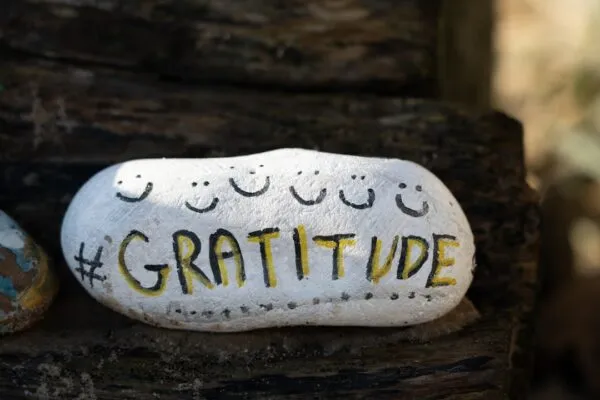
We often encounter a particular kind of narrative, a simplified story where joy follows struggle, and once the hardship is overcome, we are free to experience unadulterated happiness. It’s the Hollywood ending, the neatly wrapped resolution. But in our experience, life rarely adheres to such clean lines. We find ourselves navigating a more complex terrain, a landscape where sunshine can intersect with sudden downpours, and where the ache of loss can exist alongside the warmth of profound appreciation. This is the reality of gratitude that coexists with suffering.
The Illusion of Mutually Exclusive Emotions
We've been sold a story that joy and sorrow are like oil and water, destined to repel each other. If we are experiencing pain, then surely we cannot be grateful. If we are grateful, then we must have left our suffering behind. This is a convenient, albeit inaccurate, simplification. Think of it like a photograph. We might hold a picture of a loved one who is no longer with us. The image itself evokes a sense of loss, a palpable pang. Yet, within that same frame, there might be a memory of laughter, a shared joke, a moment of quiet understanding. We can hold both the sorrow of their absence and the gratitude for their presence simultaneously. The picture doesn't magically disappear when we feel grief, nor does the grief negate the love captured within the image.
The Binary Trap
- We often fall into a binary thinking pattern: either we are happy or we are sad. This limits our emotional capacity and often leads to denial of genuine feelings.
- This simplistic view can prevent us from acknowledging the good that persists even in the darkest times, creating a self-imposed emotional prison.
Recognizing the Dual Nature of Our Experiences
Haley Clemens, a survivor of postpartum preeclampsia on two occasions, offers a potent illustration of this coexistence. Her story, shared with the Preeclampsia Foundation, isn't one of triumphant, pain-free recovery. Instead, she speaks of grieving the birthing moments she lost, the experiences that were irrevocably altered by the severity of her condition. Yet, in the very same breath, she expresses profound gratitude for her healthy children, the unwavering support of her husband, the providence of health insurance, and the crucial guidance of her therapists. This is not a contradiction. This is human. Her gratitude for her present blessings arises not from the absence of her pain, but from its context. The struggle has, in a way, deepened her appreciation for what remains.
The Gift of Perspective Shift
- Suffering can act as a crucible, refining our priorities and highlighting what truly matters.
- The contrast provided by hardship can amplify the perceived value of positive aspects of our lives, making them shine brighter.
Gratitude as an Intentional Act Amidst Struggle
The act of setting intentions for a new year, as discussed in a late 2025/early 2026 YouTube video, also illuminates this concept. The speaker encourages honoring both the "light and darkness" of the past year. This isn't about forced positivity; it's about acknowledging the full spectrum of our existence. Gratitude, in this context, is an intentional focus. It’s a conscious decision to not only recognize the challenges but also to find value within them. We can be grateful for the strength we discovered within ourselves when faced with adversity, for the unexpected acts of kindness from those around us, and even for those individuals whose unkindness, inadvertently, spurred our personal growth and self-awareness. This isn't about condoning negative behavior, but about extracting lessons and appreciating the resilience it forged within us.
Cultivating Conscious Appreciation
- Gratitude is not passively received; it is often an active choice, a muscle we need to exercise.
- This intentionality allows us to engage with our circumstances on a deeper level, finding meaning beyond the immediate emotional response.
The Deeper Layers of Thankfulness
A recent, though less widely viewed, YouTube video from January 25, 2026, touches upon "thankfulness transcending suffering limits." While the minimal viewership might suggest a niche audience, the core idea is significant. It proposes that true thankfulness isn't a superficial acknowledgment of good fortune; it’s a deeper, more resilient form that can persist even when our circumstances are dire. This isn't about pretending that everything is fine when it's not. It's about recognizing that even within the confines of our suffering, there are elements for which we can still feel a sense of profound appreciation. It’s like a small candle flame in a vast, dark room. The darkness remains, but the light, however small, is undeniable and holds its own inherent value.
Transcending the Surface Level
- Genuine thankfulness moves beyond superficial gratitude for external rewards and delves into an appreciation for internal fortitude and existential realities.
- This form of thankfulness is less susceptible to the shifting sands of circumstance and more rooted in our fundamental human capacity for grace.
Why This Coexistence Matters for Us
Embracing gratitude alongside suffering is not about adopting a Pollyannaish outlook that denies the reality of pain. It's about acknowledging the complexity of our lives and allowing ourselves to hold multiple truths simultaneously. When we permit ourselves to grieve what we have lost while simultaneously appreciating what we have, we create a more honest, integrated experience of life. This dual capacity is not a sign of weakness, but a testament to our resilience. It is the foundation of a mature and sustainable form of inner peace. It allows us to continue moving forward, not by erasing the shadows, but by learning to dance with them.
The Power of Integration
- Integrating our experiences of pain and blessings allows for a more authentic and complete emotional landscape.
- This integration builds a more robust sense of self, capable of weathering life's inevitable storms while still finding moments of profound beauty.
Navigating the Emotional Spectrum
Consider the metaphor of a tapestry. It is woven with threads of every color imaginable – vibrant reds of joy, deep blues of sorrow, earthy browns of struggle, and shimmering golds of gratitude. To say that the presence of a dark thread negates the beauty of a golden one would be to misunderstand the nature of the artwork. The overall effect, the richness and depth of the tapestry, is achieved precisely because of the interplay of all these varied threads. Our lives are no different. The moments of suffering do not erase the moments of gratitude they are interwoven with. Instead, they can, in their own way, highlight the value and brilliance of those grateful moments.
Weaving a Fuller Narrative
- By acknowledging both the difficult and the positive aspects of our lives, we create a more complete and nuanced personal narrative.
- This allows for self-compassion and authentic self-expression, rather than striving for an impossible emotional purity.
The Practice of Dual Acknowledgment
Learning to acknowledge both suffering and gratitude requires practice. It’s a conscious effort to resist the urge to simplify our emotional experiences. When we find ourselves in a difficult situation, instead of solely focusing on the pain, we can ask ourselves: "What, even in this moment, can I find to be grateful for?" This question isn't meant to dismiss our pain, but to broaden our perspective. It might be the support of a friend, the quiet strength of our own resolve, or even the simple fact of our continued existence. These acknowledgments are not insignificant. They are the anchors that keep us grounded amidst the choppiest seas.
Cultivating Resilience Through Balance
- This practice builds mental and emotional resilience, equipping us to face future challenges with a more balanced perspective.
- It transforms suffering from an absolute termination of good into a context that can, paradoxically, deepen our appreciation for it.
The Long Arc of Our Story
Ultimately, the story we tell ourselves about our lives is profoundly shaped by how we integrate these seemingly contradictory emotions. If we believe that suffering invalidates gratitude, we risk being consumed by bitterness. If, however, we can hold both experiences in our hearts, we unlock a deeper wellspring of strength and a more sustainable form of peace. We learn that our capacity for gratitude is not extinguished by hardship; rather, it can be expanded and deepened by it. It is a testament to the remarkable, often messy, but always resilient spirit of humanity. We are not defined by our pain, nor are we defined solely by our joy. We are defined by the intricate, beautiful, and sometimes heartbreaking tapestry of it all.
FAQs
What is the main idea behind gratitude coexisting with suffering?
The main idea is that it is possible to feel gratitude even while experiencing pain or hardship. This perspective acknowledges that suffering and gratitude are not mutually exclusive and that recognizing positive aspects in difficult times can foster resilience and emotional balance.
How can gratitude help individuals cope with suffering?
Gratitude can help individuals cope with suffering by shifting focus from negative experiences to positive elements in life. This shift can improve mental health, reduce stress, and enhance overall well-being, making it easier to endure and find meaning in challenging situations.
Is it common to feel gratitude during times of suffering?
Yes, it is common for people to experience moments of gratitude even during suffering. Many individuals report appreciating small blessings, support from others, or personal growth that arises from adversity, which can coexist with their pain.
Can practicing gratitude change one’s perspective on suffering?
Practicing gratitude can change one’s perspective on suffering by encouraging a more balanced view that includes recognition of both difficulties and positive aspects. This can lead to greater acceptance, hope, and a sense of purpose despite hardships.
Are there any psychological benefits to combining gratitude with the experience of suffering?
Yes, combining gratitude with the experience of suffering has psychological benefits such as increased emotional resilience, reduced symptoms of depression and anxiety, and improved overall life satisfaction. It helps individuals maintain a sense of hope and connection even in tough times.