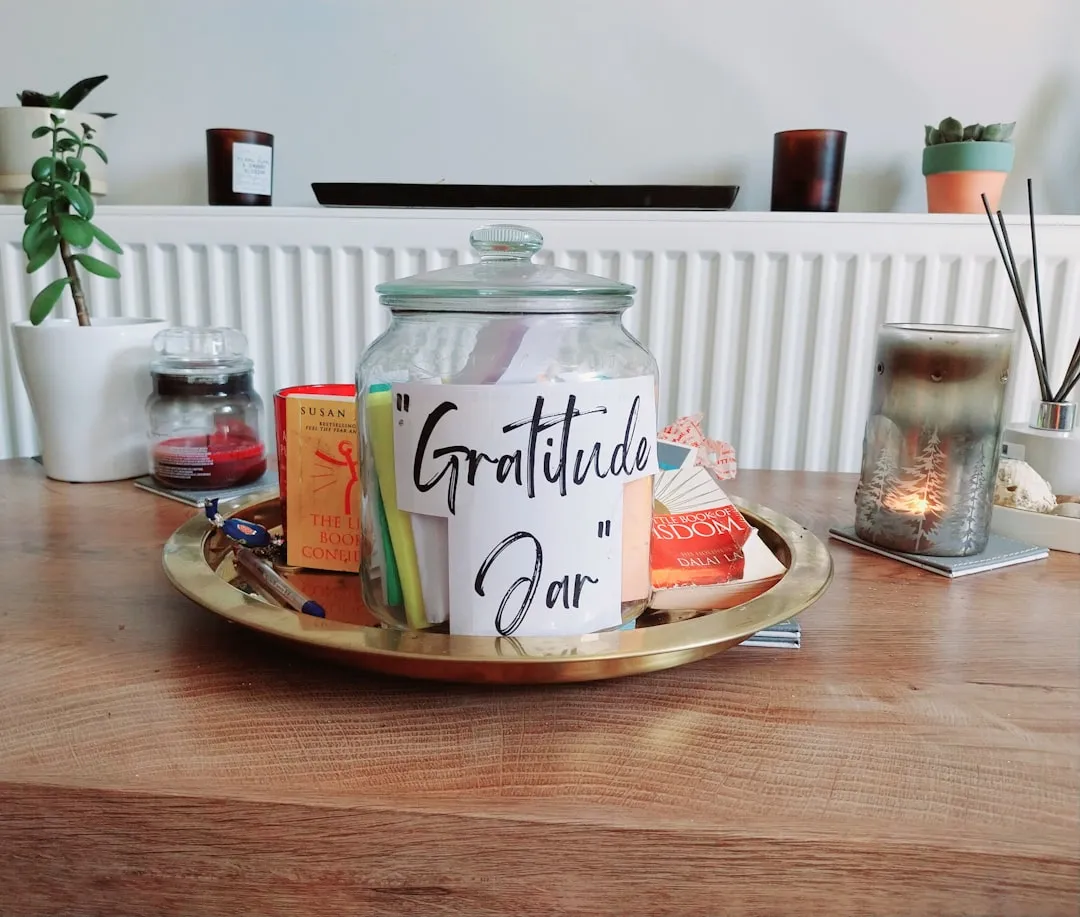
You, the reader, are about to embark on an exploration of the profound connection between gratitude and belief. This article will dissect how the cultivation of gratitude acts as a stabilizing force, anchoring your convictions amidst the flux of existence. We will approach this topic with a detached yet direct style, akin to an academic treatise, employing factual language and drawing parallels where illustrative. The information presented herein assumes a desire for understanding the structural relationship between these two cognitive and emotional states, without venturing into aspirational or emotionally charged rhetoric.
Belief, in its broadest sense, represents a cognitive conviction in the truth or existence of something, often without definitive empirical proof. Your beliefs can range from the trivial, such as the efficacy of a particular coffee brewing method, to the profound, encompassing your understanding of reality, ethics, or a higher power. These foundational tenets, whether consciously articulated or subliminally held, govern your interpretation of experiences and shape your responses to the world.
The Subjectivity of Belief Systems
You construct your belief systems through a complex interplay of personal experience, cultural conditioning, intellectual inquiry, and emotional resonance. No two individuals possess an identical set of beliefs, as each person's journey through life is uniquely textured. This inherent subjectivity means that the solidity of your beliefs is not uniformly distributed across all individuals or even within your own cognitive landscape at different times.
The Volatility of Unanchored Beliefs
Unanchored beliefs can be characterized by their susceptibility to external pressures and internal doubts. Without a strong anchoring mechanism, your convictions may fluctuate in response to adversity, disconfirming evidence, or persuasive counter-arguments. This volatility can manifest as a sense of existential drift, where your internal compass spins erratically, lacking a firm North Star to guide your internal navigation. Consider a ship without an anchor; it is at the mercy of every current and storm, easily tossed and turned by forces beyond its control. Similarly, your beliefs, if untethered, may be buffeted by the ceaseless currents of doubt and uncertainty.
The Mechanism of Gratitude as an Anchor
Gratitude, far from being a mere fleeting emotion of thankfulness, operates as a sophisticated psychological mechanism that profoundly influences your belief systems. It extends beyond the superficial pleasantness often associated with it, delving into the very architecture of your cognitive and emotional frameworks.
Reciprocal Reinforcement: Gratitude and Positive Cognition
When you consciously engage in gratitude, you direct your attention to the positive aspects of your experiences, circumstances, or relationships. This intentional focus cultivates an internal environment conducive to positive cognition. By actively acknowledging things for which you are grateful, you reinforce a neural pathway that emphasizes abundance and benevolence, rather than scarcity and adversity. This reciprocal reinforcement loop strengthens your predisposition to perceive the world through a more optimistic lens, thereby solidifying beliefs that align with a positive worldview.
The Buffering Effect of Gratitude
Gratitude acts as a psychological buffer against the corrosive effects of negativity and doubt. When faced with challenges or uncertainties that threaten your established beliefs, a cultivated sense of gratitude can mitigate the impact of these stressors. By focusing on what is going well, or on the blessings you currently possess, you diminish the salience of the negative inputs. This provides a cognitive shield, preventing debilitating doubts from fully eroding your convictions. Imagine a sturdy seawall protecting a fragile harbor from the relentless pounding of the waves; gratitude functions similarly, guarding your beliefs from the erosive forces of discouragement.
Gratitude as a Cognitive Reframe
One of the most potent mechanisms of gratitude is its capacity for cognitive reframing. This involves reinterpreting events or situations in a more favorable light. For instance, a perceived setback can be reframed through a lens of gratitude as an opportunity for learning, 성장, or the development of resilience. This active process of reframing allows you to integrate seemingly negative experiences into a coherent narrative that supports your existing belief structures, rather than undermining them. It transforms potential threats to your beliefs into strengthening agents, much like the forging process that strengthens metal by subjecting it to intense heat and pressure.
Cultivating a "Gratitude Attitude" for Belief Anchoring
The conceptualization of a "Gratitude Attitude," as discussed in contemporary discourse, posits gratitude not as a reactive emotion but as a proactive psychological stance. This deliberate cultivation is critical for its efficacy as an anchor for your beliefs, particularly in a future-oriented context.
Intentional Focus and Appreciation
Developing a "Gratitude Attitude" requires intentionality. It is not merely waiting for positive events to elicit thankfulness; rather, it involves actively seeking out and appreciating aspects of your life, regardless of their perceived magnitude. This daily practice of inventorying blessings, even seemingly minor ones, incrementally strengthens the gratitude muscle within your cognitive framework. This consistent, deliberate focus acts as a continuous tether, reinforcing the connection between your conscious acknowledgment of positive elements and the underlying beliefs they support.
Trust in Process and Divine Timing
The concept of anchoring faith through gratitude, especially in relation to future events and divine timing, suggests a deeper alignment between your internal state and your perception of unfolding reality. By expressing gratitude for what is, and for what is anticipated, even if not yet fully manifest, you implicitly reinforce beliefs in a benevolent or orderly universe, or in a higher power's guiding hand. This proactive gratitude for future possibilities fosters an internal sense of trust, reducing anxiety and strengthening your conviction in a favorable outcome or a meaningful unfolding of events, even when the path ahead is obscured.
Heart Preparation and Receptivity
The notion of "heart preparation" through gratitude suggests an internal readiness to receive and process future events in a constructive manner. When your heart is prepared through a grateful disposition, you are more receptive to positive interpretations and less prone to dwelling on potential negative outcomes. This heightened receptivity acts as a fertile ground for your beliefs to flourish and take deeper root. Consider a farmer preparing the soil before planting seeds; a grateful heart is similarly tilled and nourished, making it more hospitable for the growth and resilience of your beliefs.
Gratitude as a Calming Agent and Trust Enhancer
The connection between gratitude and calmness is well-documented, extending beyond mere anecdotal observation. This tranquility, fostered by gratitude, plays a crucial role in solidifying and anchoring your beliefs, particularly in turbulent times.
Reducing Cognitive Dissonance
Anxiety and fear often introduce cognitive dissonance, where conflicting thoughts or beliefs create psychological discomfort. Gratitude has been shown to reduce these states by shifting your focus from potential threats to existing advantages. When you are calm, your cognitive functions operate more efficiently, allowing for a more stable processing of information and a clearer articulation of your beliefs, free from the interference of agitated mental states. This calmness provides a steady foundation upon which your beliefs can stand unshakeable.
Fostering a Sense of Security and Stability
A consistent practice of gratitude cultivates an internal sense of security. By acknowledging the stability and positive elements in your life, you build an internal narrative of well-being and resilience. This internal security then translates into a greater confidence in your core beliefs. When you feel secure, you are less likely to seek external validation for your convictions, and your beliefs become more internally validated and therefore more stable. This is akin to a ship finding safe harbor; once anchored in calmness, it can weather storms with greater fortitude.
Enhancing Trust in Unseen Forces
The phenomenon of connecting gratitude with trust, particularly in contexts involving unforeseen events or divine intervention, highlights its capacity to foster an unwavering reliance on forces beyond your immediate control. When you express gratitude for circumstances that seem to align with a greater purpose, or that have prevented adverse outcomes, you reinforce a belief in a guiding hand or an underlying order to the universe. This type of gratitude, often intertwined with a spiritual or existential dimension, strengthens your conviction in a benevolent or purposeful reality, thereby anchoring your faith in something larger than yourself.
Experiential Evidence and Future Perspectives
While academic research continues to explore the intricate neural and psychological mechanisms underlying the gratitude-belief connection, personal testimonies and anecdotal observations offer compelling insights into its practical application. The observed effects of gratitude on individual resilience and conviction provide a rich ground for further investigation.
Personal Testimonies of Anchored Belief
Accounts from individuals who attribute their steadfastness in belief to a cultivated sense of gratitude often highlight its transformative power during periods of extreme challenge. These narratives frequently describe how focusing on existing blessings, even amidst profound adversity, provided the mental fortitude to maintain their convictions. Such personal testimonials, while inherently subjective, underscore the lived experience of gratitude as a powerful anchor.
The Role of Gratitude in Navigating Future Uncertainties
As you confront an increasingly complex and unpredictable future, the capacity to anchor your beliefs becomes paramount. Gratitude offers a practical, accessible tool for navigating these uncertainties. By intentionally fostering a grateful disposition, you can preemptively strengthen your cognitive frameworks, making them more resilient to the inevitable shocks and shifts of the future. This proactive approach to belief scaffolding is not about blind optimism, but about building a robust internal infrastructure capable of sustaining your convictions, akin to reinforcing a building's foundation in anticipation of seismic activity.
The Long-Term Impact on Cognitive Resilience
The consistent practice of gratitude contributes to what can be termed "cognitive resilience." This refers to your ability to maintain mental well-being and adaptive functioning in the face of stress or adversity. By continually reinforcing positive cognitive patterns and emotional states, gratitude fortifies your entire belief system, making it less susceptible to erosion over time. This long-term impact ensures that your core convictions remain stable and supportive, providing a reliable compass for your journey through life, regardless of the storms you encounter. The anchor of gratitude does not merely hold you firm in the moment; it provides enduring stability for your entire voyage.
FAQs
What is the main idea behind "How Gratitude Anchors Belief"?
The main idea is that practicing gratitude helps strengthen and stabilize a person's beliefs by fostering a positive mindset and reinforcing trust in their values and experiences.
How does gratitude influence a person's belief system?
Gratitude encourages individuals to focus on positive aspects of their lives, which can reinforce their existing beliefs and create a more resilient and optimistic outlook.
Can gratitude improve mental health and well-being?
Yes, numerous studies show that regularly practicing gratitude can reduce stress, increase happiness, and improve overall mental health, which in turn supports stronger and more grounded beliefs.
Is gratitude linked to any psychological or neurological benefits?
Gratitude has been associated with increased activity in brain regions related to reward, empathy, and moral cognition, which helps anchor beliefs by enhancing emotional and cognitive processing.
How can someone cultivate gratitude to anchor their beliefs?
People can cultivate gratitude through practices such as keeping a gratitude journal, expressing thanks to others, mindfulness meditation, and reflecting on positive experiences, all of which help solidify their belief system.