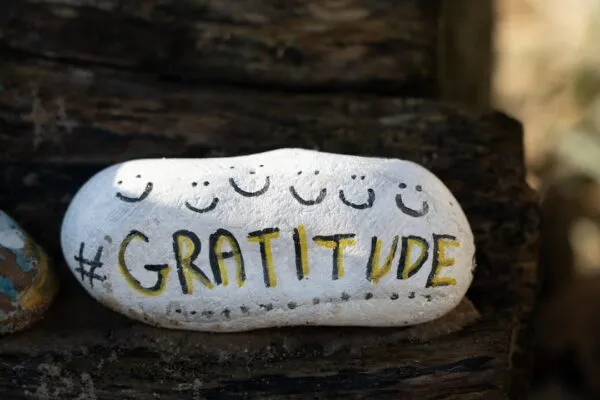
Your journey toward a life imbued with deeper meaning is not a destination reached overnight, but rather a landscape sculpted by consistent effort and focused attention. Among the most potent tools at your disposal for this endeavor is gratitude. This is not a fleeting emotion, a transient sparkle of appreciation, but a foundational practice that, over time, can profoundly reshape your inner world and outward experiences. You are the architect of your life, and gratitude is a cardinal tool in your construction kit, capable of building enduring structures of significance.
Think of gratitude not as a passive reception of good fortune, but as an active engagement with the world. It is the conscious recognition and appreciation of the good that exists in your life, no matter how small or seemingly insignificant it may appear. This practice acts as the bedrock upon which a meaningful life is built, providing stability and a robust foundation against the inevitable storms you will encounter.
Defining Gratitude in Practice
Gratitude, in its most accessible form, involves acknowledging both the tangible and the intangible blessings. This encompasses a roof over your head, nourishment, and the presence of loved ones. However, it also extends to subtler elements such as a moment of quiet reflection, a beautiful melody, or the feeling of accomplishment after a task completed. It is the antithesis of entitlement, a conscious turning away from a sense of inherent deserving and an embrace of appreciation for what has been given.
Differentiating Appreciation from Expectation
A crucial aspect of cultivating gratitude is distinguishing it from mere expectation. You may expect a certain level of service in a transaction, or a particular response from a colleague. Gratitude, conversely, arises from a place of recognizing that the positive outcome, the helpful gesture, or beneficial circumstance was not guaranteed. It is the perception of a positive event as a gift, rather than an obligation. This distinction is paramount, as expecting rather than appreciating can lead to a perpetual state of dissatisfaction.
The Biopsychosocial Roots of Gratitude
Gratitude is not merely a psychological construct; it has demonstrable roots in your biological and social makeup. From a neurological perspective, the practice of gratitude actively engages and rewires certain brain pathways.
Neuroscience: Rewiring for Positivity
Recent neuroscience research indicates that consistent gratitude practice is like tending a garden within your mind. Over time, it trains your brain to seek out and notice the positive, strengthening neural pathways associated with well-being. This process involves the release of neurotransmitters like dopamine and serotonin, often referred to as "feel-good" chemicals. These neurochemical shifts contribute to a more inherently positive outlook and a greater sense of fulfillment. This is not a temporary fix; these rewiring efforts are designed for long-term positivity, making your brain more predisposed to recognizing and appreciating the good, even in the face of adversity. The reward centers of your brain are therefore strengthened, creating a virtuous cycle of positive reinforcement.
Social Bonding and Prosocial Behaviors
On a social level, expressing gratitude is a powerful lubricant for human connection. It fosters goodwill, strengthens bonds, and encourages reciprocal altruism. When you express genuine appreciation, you not only make the recipient feel valued but also reinforce the social fabric that supports you. This, in turn, cultivates prosocial behaviors, making you more inclined to help others and contribute to your community.
In exploring the profound impact of gratitude on our lives, it's interesting to consider how our environments can also reflect and enhance our sense of appreciation. A related article, "Baskets to Add a Stylish Touch to Your Home Decor," discusses how incorporating decorative elements like baskets can create a more inviting and aesthetically pleasing space, which in turn can foster a greater sense of gratitude and well-being. You can read more about it here: Baskets to Add a Stylish Touch to Your Home Decor.
The Gradual Unfolding of Meaning: Time as a Catalyst
The term "over time" is critical in understanding how gratitude builds a life of meaning. This is not a rapid transformation but a gradual unfolding, akin to a seed germinating and growing into a mature plant. Each act of gratitude, each moment of conscious appreciation, adds a layer to the unfolding structure of your life's significance.
The Long-Term Impact of Consistent Practice
A significant body of research underscores the profound long-term impact of consistent gratitude practice. Studies, such as the 2025 JAMA Psychiatry study, highlight this temporal dimension. This research found that individuals with the highest gratitude scores exhibited a 9% lower mortality risk over a four-year period. This suggests that gratitude is not merely an ephemeral feeling but something that can have tangible, life-extending benefits. Furthermore, interventions designed to boost gratitude have demonstrated substantial improvements in life satisfaction and mental health.
Boosting Life Satisfaction and Mental Health
The 2025 JAMA Psychiatry study also reported that gratitude interventions can increase life satisfaction by an impressive 6.86% and improve mental health by 5.8%. Crucially, these interventions were also linked to a reduction in symptoms of anxiety and depression. This indicates that gratitude can act as a potent buffer against psychological distress, gradually shifting your internal landscape towards greater resilience and well-being.
The Cumulative Effect: Small Acts, Big Changes
The accumulation of small acts of gratitude is where its true power lies in building meaning over time. Each instance of thanking someone, acknowledging a helpful gesture, or appreciating a simple pleasure, contributes to a larger, more profound tapestry of meaning.
The "Big Joy Project": A Week of Transformation
Recent initiatives, like the Big Joy Project, provide empirical evidence for the rapid, albeit cumulative, impact of gratitude. A seven-day period of daily gratitude and kindness acts resulted in a notable 26% uplift in emotional well-being. While this study focused on a shorter duration, it illustrates how even concentrated periods of gratitude practice can yield significant positive changes, laying the groundwork for continued growth and deeper meaning.
Shifting Mindset: From Scarcity to Abundance
Regularly engaging in gratitude practice can fundamentally shift your mindset from one of scarcity and lack to one of abundance and appreciation. This is not about ignoring challenges, but about developing the capacity to see what is still present and positive amidst difficulties.
Gratitude as a Tool for Navigating Adversity
Life is not a perpetual state of ease. Challenges, setbacks, and moments of profound difficulty are inevitable. Gratitude, in these times, transforms from a pleasant addition to a vital lifeline, offering perspective and strength.
Empowering Perspective in Tough Times
The 2026 gratitude practice guide emphasizes how regular practice empowers your perspective in tough times. When you are accustomed to noticing the good, even in challenging circumstances, you are less likely to be overwhelmed by negativity. Gratitude allows you to look beyond the immediate hardship and identify lessons learned, sources of support, or even small glimmers of hope that persist.
Overcoming Depression: Incompatibility with Gratitude
A key insight from the 2026 gratitude practice guide is that consistent gratitude practice is fundamentally incompatible with states of depression. While gratitude is not a cure-all, its practice actively counteracts the negative thought patterns that fuel depressive episodes. By consciously shifting your focus to what you are thankful for, you create an internal bulwark against the corrosive effects of pervasive negativity.
Reducing Stress and Anxiety: A Calming Influence
The 2026 intentions post explicitly states that gratitude reduces stress and anxiety. When your attention is drawn to what you are grateful for, your physiological stress response is dampened. This can lead to a more relaxed state, improved sleep, and a greater capacity to cope with daily pressures.
Enhancing Emotional Regulation
Gratitude also plays a significant role in enhancing emotional regulation. By practicing gratitude, you develop a greater awareness of your emotional states and a more nuanced ability to manage them. This allows you to respond to situations with greater equanimity rather than reacting impulsively.
Gratitude and the Cultivation of a Meaningful Life
While gratitude is a powerful force for happiness and well-being, its role in building a meaningful life often intersects with other, complementary practices. Meaning is a broader construct than happiness, and gratitude serves as a crucial component of this larger architecture.
Cultivating Hope: A Deeper Wellspring of Meaning
The 2025 meaningful life insights suggest that while gratitude aids happiness through small acts like thanking others, cultivating hope can foster deeper life meaning. This does not diminish the importance of gratitude, but rather positions it as a vital ingredient within a broader recipe for a life rich in purpose. Gratitude can fuel hope by reminding you of past resilience and present support systems, which are essential anchors when navigating the uncertainties of the future.
The Interplay Between Gratitude and Hope
Hope, in this context, is not simply wishing for good things to happen, but a forward-looking confidence in your capacity to navigate challenges and move towards your goals. Gratitude can bolster this hope by providing evidence of your own resilience and the existence of supportive forces in your life. It acts as a rearview mirror, showing you how far you've come, and therefore, what you are capable of achieving moving forward.
Shifting Mindset to Creativity and Flow
As noted in the 2026 gratitude practice guide, regular gratitude practice shifts your mindset to creativity and flow. When you are not preoccupied with what you lack or what is going wrong, your mind is freed to explore new possibilities, engage in creative endeavors, and immerse yourself in activities that foster a state of flow. This immersion in fulfilling activities is a cornerstone of a meaningful existence.
The Creative Sparks Ignited by Appreciation
When you train your mind to actively seek out and appreciate the good, you are essentially conditioning it to notice details, connections, and possibilities that might otherwise go unnoticed. This heightened awareness can be a significant catalyst for creativity, opening up new avenues of thought and expression.
In exploring the profound effects of gratitude on our lives, it's interesting to consider how other lifestyle choices can complement this practice. For instance, a recent article discusses the health benefits of moderate wine consumption and its potential impact on overall well-being. You can read more about it in this insightful piece on what a glass of wine a day does to your body. By integrating gratitude with mindful choices, we can cultivate a richer, more meaningful existence over time.
Gratitude's Enduring Legacy: Fulfillment and Resilience
The ultimate legacy of a consistent gratitude practice is a life characterized by enduring fulfillment and robust resilience. It is the quiet strength that allows you to face the world not with a sense of entitlement or complaint, but with a settled appreciation for the journey and its myriad lessons.
Building Resilience: The Unshakeable Core
Gratitude is a powerful architect of resilience. The 2026 intentions post highlights its role in enhancing resilience, enabling you to bounce back from setbacks with greater speed and less emotional scarring. By consistently acknowledging what is good, you build an unshakeable core of inner strength that can withstand the inevitable blows life delivers. This is not about invulnerability, but about the capacity to endure and emerge stronger.
Cognitive Flexibility in the Face of Change
Furthermore, gratitude enhances cognitive flexibility. This means you are better able to adapt to changing circumstances, adjust your thinking, and find innovative solutions to problems. In a world characterized by constant flux, this adaptability is an invaluable asset for maintaining equilibrium and progressing towards your goals.
The Ongoing Creation of Fulfillment
Fulfillment is not a static state but a dynamic process of ongoing creation. Gratitude is central to this process. By actively appreciating each moment, each connection, and each accomplishment, you actively weave threads of meaning into the fabric of your life. This is how you move beyond fleeting happiness towards a deep, abiding sense of purpose and satisfaction. Your life, as you intentionally cultivate gratitude, becomes a rich tapestry, not merely a collection of disconnected events. You are not just living; you are purposefully constructing a life that resonates with significance, built layer by careful layer, through the enduring power of gratitude.
FAQs
What is gratitude and how is it defined in psychological terms?
Gratitude is the recognition and appreciation of the positive aspects of life and the kindness of others. Psychologically, it is considered an emotional state that fosters feelings of thankfulness and can enhance overall well-being.
How does practicing gratitude contribute to a meaningful life?
Practicing gratitude helps individuals focus on positive experiences and relationships, which can increase life satisfaction, improve mental health, and foster a deeper sense of purpose and connection over time.
What are some common ways to cultivate gratitude in daily life?
Common methods include keeping a gratitude journal, regularly expressing thanks to others, reflecting on positive experiences, and mindfulness practices that emphasize appreciation of the present moment.
Can gratitude have long-term effects on mental and physical health?
Yes, research indicates that consistent gratitude practice can reduce stress, improve sleep quality, enhance emotional resilience, and even strengthen the immune system, contributing to better overall health.
Is gratitude effective for all age groups in building a meaningful life?
Gratitude has been shown to benefit people of all ages, from children to older adults, by promoting positive emotions, strengthening social bonds, and supporting psychological well-being throughout different life stages.