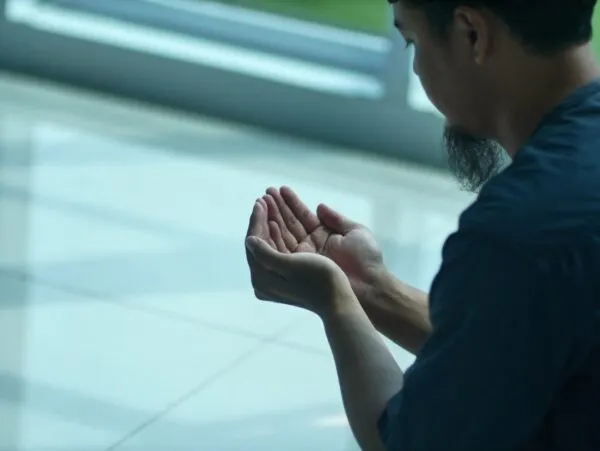
Gratitude is a complex psychological state that profoundly influences an individual's perception of reality. By consciously acknowledging and appreciating the positive aspects of one's life, you can fundamentally alter your viewpoint, transforming how you navigate challenges and interact with the world. This is not a matter of mere sentimentality, but a demonstrable shift in cognitive and emotional processing, supported by current scientific research. Understanding how gratitude builds perspective involves examining its impact on your internal dialogue, your brain's operational mechanisms, and your capacity to adapt to adversity.
One of the most profound effects of cultivating gratitude is its ability to reframe your internal narrative from one of deficiency to one of sufficiency. You often find yourself dwelling on what is missing, what has gone wrong, or what you lack. This perspective, akin to looking through a cracked lens, distorts your perception, magnifying perceived shortcomings and diminishing the value of what you already possess. Gratitude acts as a corrective lens, allowing you to see the fullness of your present circumstances.
The Deficit Model of Perception
Your default mode of thinking can often be characterized by a deficit model. You might focus on perceived inadequacies in your career, relationships, or personal circumstances. This mental framework is often driven by societal pressures or a deeply ingrained evolutionary tendency to identify and address threats. When this becomes your dominant mode, you are perpetually scanning for what is absent or problematic, creating a fertile ground for dissatisfaction and anxiety. This mental habit can lead you to overlook the numerous positive elements that already exist in your life, even those seemingly mundane or commonplace.
The Abundance Mindset as a Counterbalance
Gratitude directly combats this deficit mindset by actively directing your attention toward what you do have. Consider it a conscious redirection of your mental spotlight. Instead of fixating on the empty space in a cup, gratitude encourages you to acknowledge the liquid already within it. This shift is not about ignoring genuine problems or difficulties, but about recognizing that challenges do not negate the existence of positive aspects. By habitually noting the things you are thankful for – a supportive friend, a roof over your head, a moment of peace – you begin to build a reservoir of positive experiences. This doesn't mean you deny the existence of difficult situations; rather, you contextualize them within a broader landscape of positive elements. This creates a more balanced and realistic view of your life's totality.
Tangible Manifestations of Abundance
The tangible manifestations of this shift are considerable. You may find yourself feeling less envious of others, as your focus is on your own blessings rather than perceived deficiencies. This can lead to a greater sense of contentment and reduced stress. The act of recognizing abundance, even in small doses, can have a cumulative effect, gradually diminishing the power of scarcity-driven anxieties. It's like tending a garden; consistent watering and care of the positive aspects of your life lead to their flourishing, crowding out the weeds of dissatisfaction.
Activating Brain Regions for Emotional Regulation
The impact of gratitude extends beyond your conscious awareness into the very architecture of your brain. Engaging in gratitude practices has been shown to activate specific neural pathways associated with emotional well-being and cognitive control. This neurological response provides a scientific basis for the psychological benefits you experience.
The Role of the Medial Prefrontal Cortex
Research indicates that gratitude engages the medial prefrontal cortex (mPFC). This region of the brain is a crucial hub for higher-level cognitive functions, including decision-making, emotional regulation, and social cognition. When you actively practice gratitude, your mPFC becomes more active, facilitating a more measured and positive response to stimuli. This activation is not a passive reaction; it is a direct result of your intentional focus on appreciation. Think of the mPFC as the brain's conductor, orchestrating a more harmonious response to life's events.
Neurological Pathways and Positive Affect
The increased activity in the mPFC during gratitude practice is linked to a greater capacity for positive affect. This means that not only do you feel better in the moment, but your ability to sustain positive emotional states is also enhanced. The neural pathways responsible for processing reward and pleasure may also be influenced, creating a feedback loop where gratitude reinforces positive experiences. This can lead to a more optimistic outlook and a reduced tendency to dwell on negative emotions.
Measurable Neural Changes Over Time
The effects of gratitude on the brain are not fleeting. Studies suggest that consistent gratitude practice can lead to rapid and lasting neural changes. Within a matter of weeks (typically three to eight), measurable shifts occur in neural connectivity and activity, strengthening pathways that support emotional balance and resilience. This implies that gratitude is not just a temporary mood enhancer; it can fundamentally reconfigure your brain's default settings, making you more predisposed to positive outlooks and emotional stability. This is akin to strengthening a muscle through regular exercise; the more you engage in gratitude, the more robust and responsive these neural networks become.
Improving Cognitive Flexibility
Beyond emotional regulation, gratitude significantly enhances your cognitive flexibility, your ability to adapt your thinking and shift your perspective in response to new information or challenges. This is particularly vital when you encounter setbacks or face complex problems.
Broadening Horizons of Thought
When you consistently practice gratitude, you are, in essence, training your mind to see beyond immediate difficulties. This allows you to think more broadly and consider a wider range of possibilities. Instead of getting stuck in a rigid, problem-focused mindset, gratitude encourages you to view challenges from multiple angles. It's like being able to zoom out from a detailed map of a single street to see the entirety of the city, revealing alternative routes and destinations.
Turning Setbacks into Learning Opportunities
This enhanced cognitive flexibility transforms how you perceive obstacles. What might otherwise be viewed as a devastating failure can, through the lens of gratitude, be appreciated as a valuable learning experience. Even in the midst of difficulty, you can find things to be grateful for – the lessons learned, the strength discovered, or the support extended by others. This reframing process allows you to extract wisdom from adversity, rather than being crushed by it. It empowers you to see that even a seemingly broken road can lead to unexpected discoveries.
Problem-Solving Through a Wider Lens
The ability to think more broadly directly impacts your problem-solving capabilities. When you're not fixated on a single, negative outcome, you are more open to creative solutions and innovative approaches. Gratitude primes you to look for the silver lining, which often contains the key to overcoming the challenge. You are better equipped to identify resources, leverage support systems, and adapt your strategies based on a more comprehensive understanding of the situation.
Enabling Balanced Perspective During Challenges
Life inevitably presents you with difficult periods, and it is during these times that gratitude's ability to foster a balanced perspective is most crucial. It provides a vital anchor, preventing you from being swept away by negativity while still acknowledging the reality of the struggle.
The Nuance of Gratitude in Adversity
It is vital to distinguish genuine gratitude from what is sometimes termed "toxic positivity." Gratitude does not require you to suppress negative emotions or pretend that everything is perfect when it is not. Instead, it encourages you to acknowledge the difficult realities while simultaneously recognizing what remains good or beneficial. This allows for a more nuanced and authentic emotional experience, where you can feel sadness, frustration, or pain while still appreciating the other aspects of your life. Imagine being in a storm; gratitude doesn't deny the rain and wind, but it allows you to appreciate the shelter you have and the resilience of the structure around you.
Maintaining Ground Amidst Turmoil
During periods of significant stress or hardship, it is easy to become consumed by the problem at hand, leading to a distorted and overwhelming perception. Gratitude acts as a stabilizing force, helping you maintain a connection to the positive aspects of your existence. By consciously reflecting on what you are thankful for, even amidst turmoil, you can prevent your entire reality from being defined by the immediate crisis. This grounding effect helps to mitigate the intensity of negative emotions and maintain a sense of hope.
Recognizing Enduring Positives
When challenges arise, gratitude helps you notice what is still good, even if it is not perfect. This might be the unwavering support of a loved one, a moment of unexpected kindness from a stranger, or simply the enduring beauty of nature. These observations serve as important reminders that even in darkness, there are pockets of light. They provide tangible evidence that your entire world has not collapsed, fostering a more balanced and sustainable approach to coping with adversity.
Priming the Brain to Notice the Positive
Gratitude is not merely an occasional reflection; it is a practice that can actively retrain your brain's attention, making you more attuned to positive experiences in your daily life. This is a proactive rewiring of your perceptual filters.
The Power of Intentional Focus
When you intentionally seek out things to be grateful for, you are consciously directing your cognitive resources toward the positive. This deliberate act primes your brain to scan for and identify beneficial aspects of your environment and experiences that might otherwise go unnoticed. It's like tuning a radio to a specific frequency; by focusing your intention on gratitude, you are better able to pick up the positive signals that are constantly present but often drowned out by background noise.
Shifting from Deficit to Surplus Awareness
This intentional focus effectively shifts your mental operating system from a deficit model to a surplus model. Instead of constantly scanning for what is wrong or missing, your mind becomes more adept at recognizing and cataloging what is right, sufficient, and positive. This habitual scanning for abundance reinforces a more optimistic and less anxious state of mind. It cultivates a sense of "enough," even when perfection is elusive.
Amplifying Positive Stimuli
Once your brain is primed to notice the positive, it becomes more receptive to these experiences. What might have been observed and forgotten now registers more deeply, creating a greater sense of appreciation and satisfaction. This amplification of positive stimuli strengthens the neural pathways associated with these experiences, making them more accessible and impactful over time. You essentially become a magnet for noticing the good, drawing it into your conscious awareness more readily. This cultivated awareness can make everyday occurrences feel more enriching and fulfilling.
Building Resilience and Optimism Through Gratitude
The cumulative effect of practicing gratitude is the cultivation of robust resilience and a sustained sense of optimism, equipping you to navigate life's inevitable ups and downs with greater fortitude.
The Foundation of Hopefulness
Grateful individuals tend to report higher levels of hopefulness. This is not a blind optimism, but rather a grounded belief in the possibility of positive outcomes, stemming from an awareness of past blessings and present strengths. This inherent hopefulness acts as a powerful buffer against despair, providing a sense of direction and purpose even during uncertain times. It's the quiet confidence that even after a storm, the sun will eventually shine again.
Bouncing Back from Stress
Resilience, the ability to recover from setbacks, is significantly enhanced by gratitude. When you are adept at finding reasons for gratitude, you are better able to shift your attention away from fear-based thinking and toward cues of safety and support. This redirection of mental energy is crucial for effective stress management. Instead of getting caught in a spiral of worry, gratitude allows you to access internal resources and external support systems, enabling a quicker and more complete recovery from stressful events. It's like having a sturdy parachute that deploys effectively when you encounter unexpected turbulence.
Shifting Attention from Fear to Safety
The brain's natural tendency during stress is to focus on perceived threats. Gratitude acts as a counter-narrative to this fear-based processing. By consciously bringing to mind things you are thankful for, you activate neural circuits that promote a sense of safety and reassurance. This shift in attention is not about denying danger, but about rebalancing your perception, ensuring that your focus is not solely on what could go wrong, but also on what is safe, stable, and supportive in your life. This balanced approach is fundamental to maintaining psychological well-being and fostering a more enduring sense of optimism.
FAQs
What is gratitude and how is it defined?
Gratitude is the quality of being thankful and showing appreciation for what one has. It involves recognizing and acknowledging the positive aspects of life, whether they are people, experiences, or circumstances.
How does gratitude help build perspective?
Gratitude helps build perspective by encouraging individuals to focus on the positive elements in their lives rather than dwelling on negatives. This shift in focus can lead to a more balanced and realistic view of situations, fostering resilience and emotional well-being.
Can practicing gratitude improve mental health?
Yes, regularly practicing gratitude has been shown to improve mental health by reducing stress, anxiety, and depression. It promotes feelings of happiness and contentment, which contribute to overall psychological well-being.
What are common ways to practice gratitude?
Common ways to practice gratitude include keeping a gratitude journal, expressing thanks to others verbally or in writing, reflecting on positive experiences daily, and mindfulness exercises that focus on appreciating the present moment.
Is gratitude beneficial in relationships?
Absolutely. Expressing gratitude in relationships can strengthen bonds, increase mutual respect, and improve communication. It helps individuals feel valued and fosters a positive environment for connection and support.