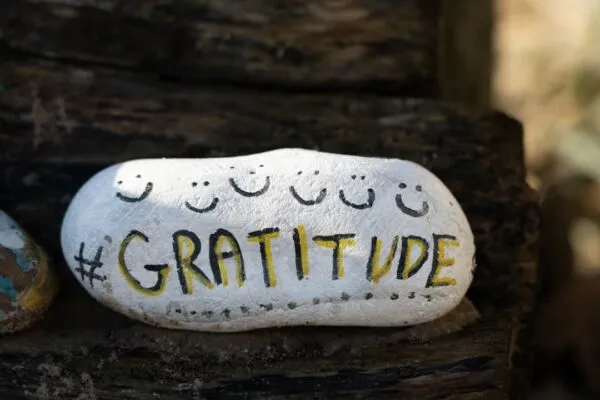
Gratitude, far from being a fleeting emotion, functions as a fundamental building block in the construction of trust. Your interactions, whether personal or professional, are undergirded by the invisible scaffolding of mutual reliance. This article explores the demonstrable mechanisms through which cultivating and expressing gratitude can significantly enhance the trust others place in you, and the trust you place in them.
Trust, when examined empirically, is not an abstract concept but a measurable outcome of predictable and supportive behaviors.
Defining Trust in Interpersonal Dynamics
At its core, trust is the expectation that another individual or entity will act in a way that is beneficial, or at least not detrimental, to your well-being, even when you are vulnerable. This expectation is not formed in a vacuum; it is built upon a history of observed actions, communication, and perceived intentions.
Behavioral Predictability and Reliability
One of the primary components of trust is the predictability of an individual's actions. When you consistently demonstrate reliability, follow through on commitments, and act in alignment with your stated values, you create a stable foundation upon which trust can be erected. This predictability reduces uncertainty and the potential for negative surprises, making it easier for others to depend on you.
Perceived Benevolence and Good Intentions
Beyond mere predictability, trust hinges on the perception of benevolence. Do others believe you have their best interests at heart? This perception is crucial, as it suggests that even in situations of potential conflict or differing agendas, your underlying intentions are positive. This is where gratitude plays a pivotal role, as it directly signals and reinforces this perceived benevolence.
The Role of Vulnerability in Trust Formation
Trust inherently involves a degree of vulnerability. You are placing yourself in a position where the actions of another can impact your outcomes. This makes the act of trusting a calculated risk.
Reciprocity and Mutual Reliance
Trust is a two-way street, a delicate dance of reciprocity. When you extend trust to another, you are making yourself vulnerable. The willingness of the other party to reciprocate that trust, or to act in a manner that honors it, solidifies the bond. Gratitude can be a powerful catalyst in triggering this reciprocal behavior.
The Cost of Betrayed Trust
The consequences of betrayed trust can be severe, leading to fractured relationships, damaged reputations, and significant emotional distress. Understanding the high stakes involved underscores the importance of actively cultivating practices that foster robust and enduring trust.
Gratitude as a Catalyst for Prosocial Behavior
Recent research has illuminated the direct link between expressing gratitude and the propensity for individuals to engage in prosocial behaviors, which are fundamental to building trust.
The Greater Good Science Center Study
A significant recent study from the Greater Good Science Center at UC Berkeley provides compelling evidence for gratitude's impact on trust. This research observed that a mere week of engaging in gratitude journaling led to a notable increase in participants' willingness to trust strangers.
Experimental Findings on Trust Games
In controlled trust games, where participants were given a sum of money and could choose to send a portion of it to a stranger with the expectation of it potentially multiplying, those who had engaged in gratitude journaling sent approximately 70% of their money. This stands in contrast to control groups, who sent around 50%. This suggests a demonstrable willingness to extend financial resources and implicitly, reliance, to unfamiliar individuals purely as a result of practicing gratitude.
The Mediating Role of Positive Emotions
Crucially, the study identified that positive emotions served as a mediator in this effect. The act of reflecting on things one is grateful for likely generated feelings of warmth, contentment, and optimism. These positive emotional states, in turn, appear to have lowered barriers to trusting others and increased the inclination to engage in cooperative behaviors. This builds upon prior research that has highlighted the lasting prosocial impacts of gratitude.
UC San Diego Research on Responsiveness
Further reinforcing these findings, research conducted at UC San Diego by Dr. P.M. Oveis and colleagues has demonstrated how expressing gratitude serves as a direct signal of responsiveness within relationships.
Signaling Responsiveness and its Impact
When you express gratitude, you are, in essence, acknowledging that another person's actions have had a positive impact on you. This signals that you are attentive, that you perceive and value their contributions, and that you are responsive to their efforts. This perception of being "seen" and valued is a cornerstone of secure attachment and trust.
Building Closeness and Cooperation
This signaling of responsiveness cultivates a sense of closeness and encourages cooperation. When individuals feel that their efforts are noticed and appreciated, they are more likely to continue investing in the relationship and to collaborate effectively. This effect extends beyond established relationships, influencing interactions with near-strangers and contributing to a more cooperative social environment.
Performance Under Stress and Ripple Effects
The UC San Diego research also found that expressing gratitude can boost performance under stress. This resilience, fueled by positive relational dynamics, can have a ripple effect on witnesses, inspiring similar feelings and behaviors. In a team setting, for instance, observing one member express sincere gratitude for another's contribution can foster a more supportive and trusting atmosphere for everyone involved.
Gratitude in Action: Practical Applications
The insights from these studies translate into tangible strategies for cultivating trust through gratitude. These practices can be integrated into various aspects of your life.
Gratitude in Mentoring Relationships
The impact of gratitude is particularly potent within structured relationships like mentoring. Evidence-Based Mentoring research consistently highlights the benefits of expressing gratitude in these contexts.
Inspiring Generosity and Strengthening Bonds
Expressions of gratitude from a mentor can inspire generosity and a greater willingness to contribute from the mentee. It builds trust by signaling that the mentor values the mentee's efforts and progress. This, in turn, strengthens the overall bond of the mentoring relationship, making it more resilient and effective.
The Power of Group Activities
Research, including findings by Grant & Gino (2010) and subsequent meta-analyses, indicates that group activities centered around gratitude yield superior outcomes compared to individual practices alone. When individuals regularly witness and participate in expressions of gratitude within a group setting, the collective impact on trust and camaraderie is amplified.
Gratitude in Business and Professional Settings
In the contemporary business landscape, a strategic focus on gratitude is increasingly recognized as a driver of success. As we look towards 2026, this trend is projected to become even more pronounced.
Leveraging Relationships for Trust and Morale
Businesses that actively foster a culture of gratitude are better positioned to leverage their relationships to build trust. This translates into tangible benefits such as stronger team morale, increased employee retention, enhanced collaboration, and greater overall loyalty. When employees feel appreciated, they are more likely to be invested in the success of their team and the organization.
Fostering Loyalty and Driving Growth
A consistent practice of acknowledging contributions and expressing thanks creates a virtuous cycle. This fosters loyalty among employees and stakeholders, leading to a more stable and predictable business environment. This stability, underpinned by robust trust, is a critical factor in sustainable growth and achieving organizational goals.
The Mechanics of Gratitude's Trust-Building Power
Understanding precisely how gratitude functions at a cognitive and relational level provides a deeper appreciation for its efficacy.
Signaling Value and Competence
When you express gratitude, you are implicitly acknowledging the value of the other person's actions or qualities. This act of recognition signals that you perceive them as competent and capable, contributing to their self-esteem and their perception of your judgment.
Recognizing Effort and Contribution
Gratitude is a direct acknowledgment of effort, skill, or helpfulness. By saying "thank you" and elaborating on what specifically you are grateful for, you are highlighting the specific contributions of the other person. This detailed recognition is more impactful than a generic acknowledgment and reinforces their sense of worth.
The Halo Effect of Appreciation
Appreciation can create a halo effect, where positive feelings generated by gratitude spill over into other aspects of your perception of the individual. This can lead others to view you more favorably, assuming you are more likely to be kind, fair, and trustworthy.
Fostering Reciprocity and Social Exchange
Gratitude is a powerful driver of reciprocity, a fundamental principle in social exchange theory. When you receive something of value and express gratitude, it primes the giver to feel good about their contribution and more inclined to offer further support.
The Reciprocal Obligation of Kindness
The act of receiving kindness and expressing gratitude can create a subtle, often unconscious, reciprocal obligation. The recipient feels a desire to "pay it forward" or to reciprocate the positive gesture. This creates a dynamic where acts of goodwill tend to be returned, strengthening the fabric of trust between individuals.
The Mirroring of Positive Affect
Gratitude is contagious. When you express genuine appreciation, you often elicit positive emotions in the recipient. This mirroring of positive affect creates a more harmonious and conducive environment for trust to flourish. It's like two instruments playing in harmony, creating a pleasing and stable sound.
The Blueprint for Gratitude-Infused Relationships
Moving beyond mere acknowledgment, a structured approach to gratitude can actively shape and strengthen relationships, providing a framework for sustained trust.
The 2026 Blueprint Framework: A Strategic Approach
The emerging 2026 Blueprint framework emphasizes that gratitude practices are not just about occasional expressions but about integrating them strategically to strengthen relationships.
Community Investment Through Acknowledgment
This framework posits that openly acknowledging support from others fosters a sense of community investment. When individuals see that their contributions are recognized and valued by the group, they are more likely to feel a sense of belonging and to invest their own time and energy into the community's success. This shared investment is a strong indicator of trust.
Integrating Gratitude with Goal-Setting
The Blueprint also stresses the importance of integrating gratitude practices alongside goal-setting. This means not only focusing on what needs to be achieved but also acknowledging the support and efforts of those who are contributing to those goals. This dual focus ensures that relationships are nurtured while progress is made, creating a more holistic and sustainable approach to collaboration.
The Long-Term Impact of Consistent Gratitude
The sustained practice of gratitude yields compounding benefits, much like compound interest. The initial seeds of trust sown through expressions of appreciation grow into deeply rooted and resilient relationships.
Building a Reservoir of Goodwill
Consistent gratitude builds what can be considered a reservoir of goodwill. In times of difficulty or disagreement, this accumulated goodwill acts as a buffer, making it easier to navigate challenges and resolve conflicts. People are more likely to extend the benefit of the doubt to those who have consistently shown them appreciation, understanding their underlying good intentions.
Elevating Interpersonal Dynamics
Ultimately, the consistent and intentional cultivation of gratitude elevates interpersonal dynamics. You move from transactional exchanges to transformational relationships, where mutual respect, understanding, and a genuine appreciation for one another form the bedrock of all interactions. This, in turn, creates an environment where trust is not merely present, but thrives.
FAQs
What is the connection between gratitude and trust?
Gratitude fosters positive feelings and mutual respect, which are essential for building and maintaining trust in relationships. Expressing appreciation can strengthen bonds and encourage openness.
How does expressing gratitude improve communication?
When people express gratitude, it creates a positive atmosphere that encourages honest and open communication. This openness helps to resolve conflicts and build trust over time.
Can gratitude impact professional relationships?
Yes, showing gratitude in professional settings can enhance teamwork, increase collaboration, and build trust among colleagues, leading to a more productive work environment.
Is gratitude effective in building trust in personal relationships?
Absolutely. Regularly expressing gratitude in personal relationships helps partners, friends, and family members feel valued and respected, which deepens trust and emotional connection.
What are some practical ways to show gratitude to build trust?
Practical ways include saying thank you sincerely, acknowledging others' efforts, writing appreciation notes, and performing acts of kindness. These actions demonstrate recognition and foster trust.