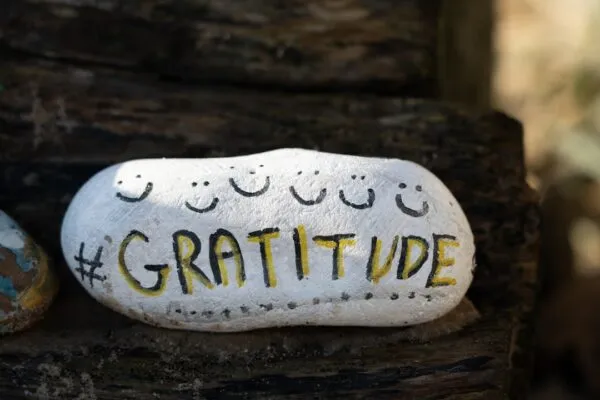
You perceive time as a linear progression: past, present, future. This perception, however, is not a fixed universal constant but a construct influenced by various factors, including your emotional and cognitive states. Gratitude, a fundamental human emotion characterized by an appreciation for what one has received, materially or experientially, has been increasingly recognized for its capacity to alter this perception. This article explores the mechanisms by which gratitude influences your experience of time, drawing on recent findings in neuroscience and psychology.
Your brain is a dynamic organ, constantly adapting and rewiring itself based on your experiences and focus. Gratitude practices, far from being mere pleasantries, actively engage and modify neural pathways, leading to measurable changes in brain function that impinge upon your temporal awareness.
Altering Brain Circuitry
When you engage in gratitude, specific regions of your brain exhibit increased activity. The medial prefrontal cortex, associated with self-referential processing and value judgment, and the ventral striatum, a key component of the reward system, are particularly active. This heightened activity is not transient; sustained gratitude practices can lead to more permanent alterations in these circuits. For example, research indicates that regular gratitude engagement fosters a "thankful" brain pattern, moving away from threat-focused modes. This shift is crucial, as a brain constantly in a state of perceived threat tends to experience time as either racing uncontrollably or dragging perpetually, often accompanied by anxiety. A gratitude-primed brain, conversely, exhibits greater neurological stability.
The Dopamine Reward System
Gratitude activates the brain's reward system, particularly the release of dopamine. Dopamine, a neurotransmitter, is essential for motivation, pleasure, and learning. When you experience gratitude, your brain releases dopamine, creating a positive feedback loop. This loop encourages you to seek out and appreciate more positive experiences, thereby influencing your perception of duration. A consistent influx of positive reinforcement through gratitude can make time feel more expansive or, conversely, less burdensome. It's akin to being in a pleasant environment where hours seem to pass effortlessly, compared to a stressful one where minutes can feel like an eternity.
Amygdala Modulation
The amygdala, a primal part of your brain, plays a central role in processing emotions, particularly fear and anxiety. Chronic stress and a perpetual focus on perceived shortcomings can lead to an overactive amygdala, which can distort your sense of time, making it feel compressed or perpetually urgent. Gratitude acts as an antagonist to this mechanism. By fostering positive emotional states, gratitude contributes to a calming of the amygdala. This reduction in threat perception allows your brain to allocate resources differently, potentially leading to a more stable and less rushed experience of time. It's like dimming a blaring siren and allowing yourself to hear the more subtle rhythms of the world.
In exploring the concept of how gratitude can alter our perception of time, it's interesting to consider its implications in various contexts, such as remote work. A related article that delves into this topic is "The Ultimate Guide to Working from Home," which discusses how cultivating gratitude can enhance productivity and well-being while working remotely. You can read more about this connection and its benefits by visiting the article here: The Ultimate Guide to Working from Home.
Gratitude's Impact on Your Perception of Events
Beyond the direct neurological changes, gratitude profoundly influences how you interpret and organize your experiences, effectively reshaping your personal timeline. Your perception of past, present, and future events undergoes a significant transformation.
Reframing Past Experiences
Gratitude provides a lens through which you can re-evaluate past events. Instead of dwelling on disappointments or perceived failures, you learn to identify lessons learned, resilience built, or unexpected opportunities that arose. This reframing is not about ignoring negative experiences but about recognizing their potential for growth. Consider a challenging period in your life. Without gratitude, it might remain a source of regret. With gratitude, you might perceive it as the crucible that forged your current strengths. This cognitive shift alters the emotional resonance of your past, preventing it from casting a long, heavy shadow over your present. The past becomes a reservoir of learning, rather than an anchor.
Enriching the Present Moment
One of the most immediate effects of gratitude is its ability to ground you in the present. When you are grateful, you are actively engaging with the "now," appreciating its nuances and gifts. This counteracts the modern tendency to perpetually project into the future or ruminate on the past. By consciously acknowledging what you are grateful for in the current moment – even seemingly small things like a warm cup of coffee or a moment of quiet – you expand the perceived richness and duration of that moment. This is in stark contrast to living on "autopilot," where days blur into weeks, and you later feel that time has simply "slipped away." Gratitude transforms fleeting seconds into memorable experiences.
Shaping Future Expectations
Gratitude is not merely retrospective or present-focused; it also plays a crucial role in shaping your future. By cultivating "advance gratitude" – a practice of being grateful for future outcomes as if they have already occurred – you actively prime your brain for success and opportunity. This is not magical thinking but a cognitive strategy that leverages the brain's predictive capabilities. When you anticipate positive outcomes with gratitude, your brain becomes more attuned to identifying and acting upon opportunities that align with those desired futures. This practice, often referred to as "acting as if," influences your motivation and behaviors, making you more proactive in shaping your personal timeline. It's like setting a compass for your future, knowing that the journey itself will be filled with opportunities for appreciation.
Gratitude as a Catalyst for Future Motivation
The influence of gratitude extends beyond perception into the realm of action and motivation. Your future trajectory and your capacity to achieve goals are significantly enhanced by a grateful mindset.
Priming for Success
When you practice advance gratitude, you essentially pre-wire your brain for future success. This involves scripting your ideal future-self and envisioning the positive emotions associated with achieving your goals. This process is documented to boost motivation. By experiencing gratitude for a future outcome today, you create a powerful emotional incentive to work towards that outcome. This anticipatory gratitude provides a more robust and sustainable form of motivation than simply trying to avoid negative consequences or chase external rewards. It transforms future desires into present drives.
Resilience and Goal Orientation
Gratitude fosters resilience, an essential component for sustained motivation. When you face setbacks, a grateful mindset allows you to reframe challenges, identify lessons, and appreciate the growth that emerges from adversity. This prevents you from being derailed by temporary failures. Instead of viewing obstacles as insurmountable barriers, you see them as opportunities to adapt and refine your approach. This resilience keeps you oriented toward your long-term goals, ensuring that your motivation endures through fluctuations in your journey. It's the difference between abandoning a climb at the first difficult patch and appreciating the strength gained from navigating it.
Shifting from Survival to Creative Thinking
A significant benefit of gratitude, particularly in the context of motivation, is its capacity to shift your mindset from a state of survival to one of creative thinking. When you are operating from a place of stress or deficit (survival mode), your cognitive resources are primarily allocated to threat assessment and basic needs. Gratitude, by calming the nervous system and fostering positive emotions, frees up these resources. This allows you to engage in more expansive, creative problem-solving and strategic planning. This shift is crucial for innovation and for generating novel solutions to challenges, thereby accelerating your progress towards future objectives.
Gratitude as a Habit-Shifting Tool for Reinvention
The consistent practice of gratitude is not merely a transient emotional state but a profound habit-shifting tool. It reconfigures your daily routines and perspectives, facilitating personal reinvention.
Cultivating Daily Rituals
Integrating gratitude into your daily routine is critical for its transformative power. This can take many forms: maintaining a gratitude journal, making conscious "gratitude lists" each morning or evening, or expressing genuine appreciation to others. Consistent engagement with these rituals reinforces neural pathways associated with gratitude, making it a more automatic and accessible emotional state. These daily practices act as mental anchors, pulling you back to appreciation and away from default negative biases. Over time, these small, consistent actions accumulate to form a powerful habit that reshapes your internal and external world.
Reconfiguring Priorities
A consistent gratitude practice naturally leads to a re-evaluation of your priorities. When you regularly reflect on what you appreciate, you begin to distinguish between what truly matters and what is merely perceived as important or urgent. This clarity allows you to allocate your time, energy, and resources more effectively towards pursuits that align with your values and bring you genuine fulfillment. This realignment of priorities can lead to significant personal reinvention, as you consciously choose to invest in areas that foster growth and well-being, rather than being driven by external pressures or fleeting desires.
Fostering a Proactive Mindset
Gratitude cultivates a proactive rather than a reactive mindset. Instead of simply responding to external circumstances, a grateful individual seeks out opportunities for growth, learning, and contribution. This proactive stance is essential for reinvention, as it drives you to initiate changes and seek new challenges. You move beyond merely coping with life to actively shaping it, consistently looking for ways to enhance your experiences and those of others. This shift in mindset provides the impetus for continuous personal evolution and adaptation.
In exploring the fascinating concept of how gratitude can alter our perception of time, one might find it interesting to consider how certain experiences, like enjoying a delicious meal, can enhance our sense of appreciation. For instance, the act of savoring blueberry pancakes with maple syrup can evoke feelings of joy and thankfulness, making moments feel more significant. You can read more about this delightful recipe and its potential to create memorable experiences in the related article on blueberry pancakes here.
The Long-Term Effects: Resilience and Well-being
The sustained practice of gratitude contributes significantly to your overall resilience and psychological well-being, outcomes that fundamentally alter your experience of time, making it feel more manageable, meaningful, and purposeful.
Enhanced Emotional Stability
Gratitude acts as a buffer against emotional turbulence. By consistently focusing on the positive aspects of your life, you develop a more balanced emotional landscape. This means you are less prone to extreme emotional swings and possess a greater capacity to navigate stress and adversity. Emotionally stable individuals tend to experience time more evenly, avoiding the feeling of time rushing uncontrollably during periods of anxiety or dragging endlessly during states of depression. Your psychological well-being directly correlates with how smoothly and purposefully you experience the flow of time.
Improved Sleep Patterns
Research indicates a direct link between gratitude and improved sleep quality. Individuals who regularly practice gratitude tend to fall asleep faster, sleep longer, and report higher quality sleep. Adequate sleep is foundational for cognitive function, emotional regulation, and overall well-being. When you are well-rested, your brain processes information more efficiently, your emotional responses are more measured, and your perception of time is more stable. Poor sleep, conversely, can lead to cognitive fog and a distorted sense of time, often making days feel longer and less productive. Gratitude, therefore, indirectly but powerfully optimizes your temporal experience through its impact on rest.
Sharpened Memory and Focus
Gratitude has been associated with sharper memory and enhanced cognitive function. By focusing on particular positive experiences and actively recalling them, you engage areas of the brain involved in memory consolidation. This mindful recall can strengthen neural pathways, leading to improved overall memory recall. Furthermore, the calming effect of gratitude can enhance your ability to focus and concentrate on tasks. A focused mind perceives time differently; tasks can be completed more efficiently, and moments are experienced more fully, preventing the typical mental fog that can make time feel slippery and undefined.
In conclusion, your experience of time is not a static given, but a fluid perception deeply influenced by your internal states. Gratitude, through its direct and indirect effects on your brain, emotional landscape, and motivational drives, offers a profound mechanism to reshape this experience. By altering neural pathways, reframing your perception of events, bolstering your motivation, and fostering daily habits, gratitude provides a potent tool for navigating the temporal landscape with greater purpose, resilience, and appreciation. It is not merely about feeling good, but about consciously altering the very fabric of how you perceive and live through your most precious commodity—time.
FAQs
What is the main idea behind "How Gratitude Changes Time"?
The main idea is that practicing gratitude can alter our perception of time, making moments feel longer and more meaningful by increasing mindfulness and appreciation.
How does gratitude affect our perception of time?
Gratitude shifts focus to positive experiences and present moments, which can slow down the feeling of time passing quickly and enhance the sense of time abundance.
Can gratitude improve mental well-being related to time stress?
Yes, gratitude can reduce feelings of time pressure and stress by promoting a more relaxed and appreciative mindset, leading to better mental well-being.
Are there scientific studies supporting the link between gratitude and time perception?
Yes, psychological research has shown that gratitude practices can influence how people perceive time, often making them feel more satisfied and less rushed.
What are some practical ways to use gratitude to change time perception?
Practical methods include keeping a gratitude journal, regularly reflecting on positive experiences, and expressing thanks, all of which can help slow down the subjective experience of time.