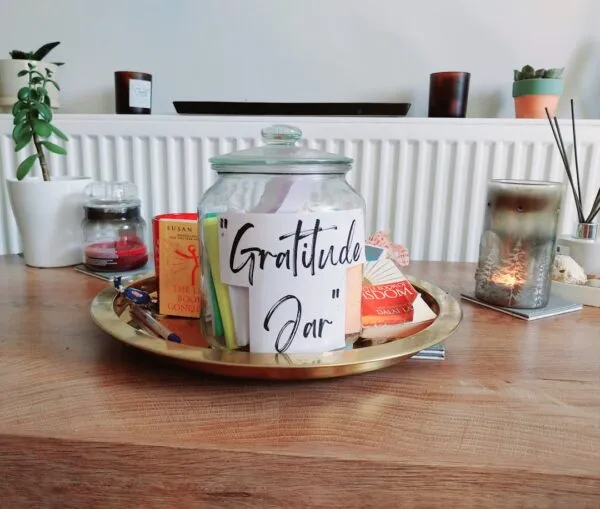
Gratitude, often perceived as a simple emotional response, possesses a demonstrable capacity to reshape your lived experience, moment by moment. This exploration aims to delineate the mechanisms through which cultivating a practice of thankfulness can enact tangible transformations in your perspective, well-being, and overall engagement with life. You will learn how adopting even seemingly minor habits of appreciation can create significant shifts, analogous to how a skilled cartographer adjusts their compass, subtly altering their course to reach a vastly different destination.
Scientific inquiry into gratitude has revealed its profound impact on neurobiology, suggesting that consistent practice can literally reorganize neural pathways. This is not a matter of wishful thinking, but rather a demonstrable effect of focused mental effort. Your brain, much like a muscle, responds to regular exercise by strengthening certain connections and weakening others. When you consciously engage in gratitude, you are actively training your brain to prioritize positive stimuli and to reframe challenges.
The Genesis of Mindset Shift
The process begins with conscious attention. By actively seeking out things to be thankful for, you are directing your cognitive resources towards appreciation rather than dwelling on perceived deficits or negative experiences. This is akin to tuning a radio dial; you are choosing to focus on a specific, beneficial frequency. Research indicates that daily habits, implemented over periods ranging from 30 to 90 days, are particularly effective in solidifying these new mental patterns. Marc Reklau's insights, as summarized by Daily Book Insight on YouTube, underscore this point, emphasizing how daily practices can rewire your mindset, thereby reducing stress and enhancing happiness through the development of mental skills.
Anxiety Reduction Through Perspective Reframing
One of the most significant benefits of a gratitude practice is its efficacy in mitigating anxiety. Anxiety often stems from an overemphasis on future uncertainties or past regrets. Gratitude acts as an anchor, grounding you in the present moment and highlighting the abundance that already exists in your life. The book The Power of Gratitude: How Thankfulness Can Transform Pain into Purpose and Joy outlines a systematic approach to rewiring your brain, detailing six key steps that can reduce anxiety. This book further emphasizes the utility of real-life stories and micro-practices designed for daily implementation, fostering a sense of calm.
The Practice of Mindfulness Integration
The integration of gratitude with mindfulness is a potent combination. Mindfulness, the practice of being fully present and engaged in the current moment without judgment, complements gratitude by creating a fertile ground for appreciation to flourish. When you are mindful, you are more attuned to the subtle details of your environment and your experiences, making it easier to identify moments worthy of thankfulness. The MSE BOOST audiobook, released in January 2025, discusses how gratitude shifts perspective for improved well-being, relationships, and success, a process that involves blending scientific principles with practical examples and tools for mindfulness integration. This suggests a synergistic relationship where each practice amplifies the other's benefits.
In exploring the transformative power of gratitude, you may find it interesting to read about how simple acts of appreciation can enhance everyday experiences, such as enjoying a delicious meal. An article that beautifully complements the theme of gratitude is the recipe for blueberry pancakes with maple syrup, which highlights the joy of savoring life's small pleasures. You can check it out here: Blueberry Pancakes with Maple Syrup Recipe. This delightful recipe not only encourages mindfulness in cooking but also serves as a reminder to be grateful for the nourishing moments we often take for granted.
Gratitude as a Catalyst for Emotional Well-being
Beyond its neurological effects, gratitude serves as a powerful engine for enhancing your emotional landscape. It acts as a counter-agent to negative emotions, fostering resilience and a more positive outlook. This emotional recalibration is not a superficial change but a deeper shift in how you experience and process the world.
Cultivating Resilience in Adversity
Life inevitably presents challenges and setbacks. Gratitude, however, does not negate these difficulties; rather, it equips you with a more robust framework for navigating them. By focusing on what remains positive, even amidst hardship, you build a reservoir of resilience. The audiobook The Gratitude Effect, discussed in reviews from the Growth Literacy Lounge in 2024, highlights how even small gestures of appreciation can contribute to increased joy and resilience. This implies that the act of acknowledging the good, no matter how modest, can fortify your capacity to withstand adversity.
The Antidote to Envy and Dissatisfaction
Envy and dissatisfaction often arise from a comparison with others or a focus on what you lack. Gratitude directly counters these corrosive emotions by shifting your focus from absence to presence, from deficiency to sufficiency. When you are genuinely thankful for what you have, the perceived need to envy others diminishes significantly. This is akin to recognizing the inherent value of a well-tended garden, regardless of the size or splendor of your neighbor's estate.
Amplifying Joy and Contentment
The consistent practice of gratitude has a demonstrable effect on your overall sense of joy and contentment. It elevates your mood and fosters a deeper appreciation for the simple pleasures of life. This is not about feigning happiness, but about cultivating a genuine and sustainable sense of well-being. The positive emotional states induced by gratitude can create a ripple effect, influencing your interactions and leading to more positive outcomes across various domains of your life.
Transforming Relationships Through Thankful Interchanges
The impact of gratitude extends beyond your internal world and significantly shapes your interpersonal connections. Expressing and receiving thankfulness fosters stronger bonds, improves communication, and creates a more positive relational dynamic.
Strengthening Social Bonds
When you express gratitude to others, you are not only acknowledging their efforts but also reinforcing the value you place on their presence and contributions. This act of recognition strengthens social bonds, creating a sense of mutual appreciation and interdependence. Research suggests that expressing gratitude can increase prosocial behavior, encouraging others to reciprocate your kindness and fostering a positive feedback loop within your social network.
Enhancing Communication and Understanding
Gratitude can act as a lubricant for communication, smoothing over potential friction and fostering empathy. When you approach interactions with a thankful disposition, you are more likely to listen actively, to offer constructive feedback, and to interpret others' intentions in a more charitable light. This can lead to clearer communication, fewer misunderstandings, and a deeper sense of connection.
Fostering a Culture of Appreciation
By making gratitude a regular part of your interactions, you can contribute to fostering a culture of appreciation within your family, workplace, or social circles. This creates an environment where individuals feel seen, valued, and respected, leading to increased morale, job satisfaction, and overall positive group dynamics. This mirrors how a shared healthy ecosystem thrives on the interconnectedness and mutual support of its various components.
Practical Applications: Integrating Gratitude into Daily Life
The cultivation of gratitude is not an abstract concept but a set of actionable practices that can be seamlessly woven into the fabric of your daily routine. The key lies in consistency and intentionality, much like tending to a complex piece of machinery; regular, focused attention ensures its optimal functioning.
The 30-Day Handwritten Note Challenge
A concrete example of integrating gratitude is the 30-day handwritten note challenge, as reviewed in relation to A Simple Act of Gratitude. This practice involves dedicating time each day to write a thank-you note to someone who has positively impacted your life. The personal and tangible nature of a handwritten note enhances the sincerity of the gesture and creates a lasting memento for both the sender and the recipient. This method offers a tangible action that reinforces the abstract concept of thankfulness.
Micro-Practices for Daily Calm
As highlighted by the Goodreads entry for The Power of Gratitude, the integration of "micro-practices" is crucial for achieving daily calm. These are small, easily manageable actions that can be incorporated into your existing schedule. This might include taking a moment to appreciate your morning coffee, acknowledging the effort of a colleague, or simply noticing the beauty of a passing cloud. These fleeting moments of appreciation, when accumulated, contribute to a significant shift in your overall state of being.
Journaling as a Tool for Reflection
Keeping a gratitude journal is another widely recommended practice. This involves regularly documenting things you are thankful for. Different approaches exist, from simply listing items to writing more elaborate reflections on their impact. This act of writing serves as a powerful tool for reflection, allowing you to revisit your blessings and solidify them in your memory. The Scribd document How Gratitude Changes Everything likely offers various perspectives on such practical applications, encouraging a deeper engagement with the subject.
In exploring the transformative power of gratitude, it's fascinating to consider how our daily habits can influence our mindset. For instance, a related article discusses how coffee shapes your daily routine and can serve as a moment of mindfulness that enhances your appreciation for the little things in life. You can read more about this intriguing connection in the article How Coffee Shapes Your Daily Routine. By integrating gratitude into our everyday rituals, we can create a more fulfilling and joyful existence.
Gratitude as a Spiritual and Philosophical Endeavor
Beyond its psychological and social benefits, gratitude can also be viewed as a profound spiritual and philosophical practice. It connects you to a larger sense of purpose and imbues your life with meaning. While not necessarily tied to a specific religious doctrine, it speaks to a universal human experience of interconnectedness and wonder.
Connecting to a Sense of Purpose
When you consistently practice gratitude, you begin to perceive your life within a broader context. The recognition of blessings, both large and small, can illuminate your purpose and clarify your values. This perspective shift can help you understand your place in the world and foster a sense of contribution. The Goodreads entry for Gratitude: Making Sense of Life points to spiritual daily practices, suggesting that gratitude can indeed be a pathway to deeper meaning and understanding.
Embracing the Present Moment
Spiritually, gratitude is deeply intertwined with the concept of presence. By being thankful for what is, you are fully inhabiting the present moment, releasing the grip of past regrets and future anxieties. This mindful appreciation of the here and now is a core tenet of many spiritual traditions and can lead to a profound sense of peace and acceptance.
Acknowledging Interdependence
A significant aspect of a spiritual approach to gratitude is the acknowledgment of interdependence. You recognize that your well-being is often linked to the efforts and contributions of many others, as well as to the natural world. This understanding fosters humility and a greater appreciation for the intricate web of life. It moves you from a focus on individual acquisition to an appreciation of shared existence, much like appreciating the complex ecosystem of a forest rather than just a single tree. The cumulative effect of these daily shifts, like individual water droplets forming a vast ocean, can profoundly and permanently alter the landscape of your life, making it richer, more resilient, and more deeply fulfilling.
FAQs
What is gratitude and how is it defined?
Gratitude is the quality of being thankful and showing appreciation for what one has. It involves recognizing and acknowledging the positive aspects of life and the kindness of others.
How does practicing gratitude impact mental health?
Practicing gratitude has been shown to improve mental health by reducing stress, increasing feelings of happiness, and promoting a more positive outlook on life. It can help decrease symptoms of depression and anxiety.
Can gratitude improve physical health?
Yes, studies suggest that gratitude can lead to better physical health by improving sleep quality, boosting the immune system, and encouraging healthier behaviors such as regular exercise and balanced nutrition.
How can one incorporate gratitude into daily life?
Gratitude can be incorporated into daily life through practices such as keeping a gratitude journal, expressing thanks to others, mindfulness meditation focused on appreciation, and reflecting on positive experiences regularly.
Does gratitude affect relationships with others?
Gratitude positively affects relationships by fostering empathy, reducing aggression, and increasing social bonds. Expressing gratitude to others can strengthen connections and improve communication.