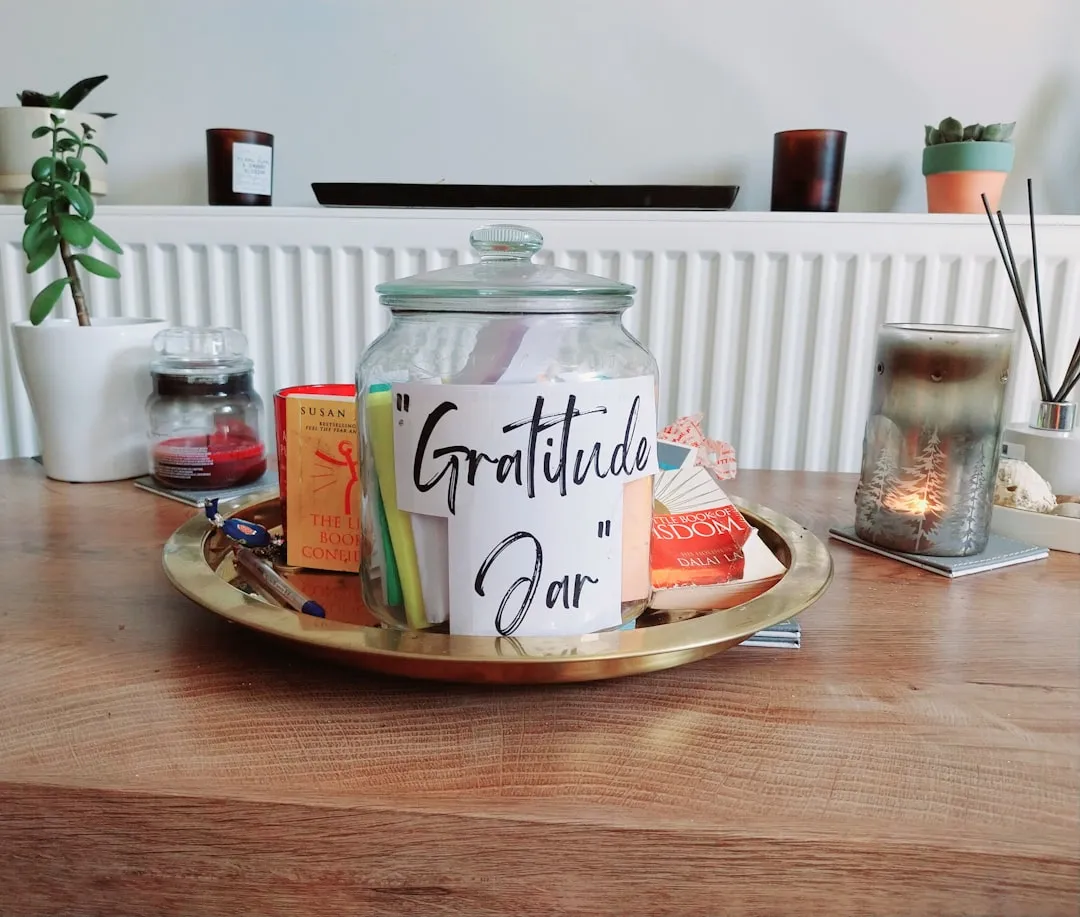
You are likely to encounter suffering at various junctures in your life. This suffering can manifest in myriad forms, from acute physical pain and chronic illness to psychological distress, grief, and existential angst. Your natural inclination when confronted with such adversity might be to resist it, to attempt to eradicate it, or to be consumed by it. However, an alternative approach, one rooted in the cultivation of gratitude, offers a distinct paradigm: the creation of space around suffering. This does not imply ignoring or diminishing your pain, but rather establishing a psychological buffer that allows you to experience suffering without being entirely subsumed by its weight. This article explores how gratitude can serve as a potent tool in navigating the landscape of enduring personal hardship.
Gratitude, as a psychological construct, is more than a fleeting emotion; it is an active cognitive process involving the recognition and appreciation of positive elements in your life. This process has demonstrable effects on your internal architecture, effectively fortifying your psychological resilience.
Building a Robust Psychological Immune System
Consider your psychological state as an immunological system. Just as your physiological immune system works to defend your body against pathogens, a well-developed psychological immune system shields your mind from the corrosive effects of adversity. Research conducted by Robert Emmons at UC Davis has profoundly illuminated this aspect, demonstrating that consistent gratitude practice functions as a proactive measure. It fortifies your internal defenses before you are thrust into a crisis, much like a vaccine prepares your body for future viral encounters. When you habitually engage in gratitude, you are essentially building up reserves of psychological resilience, a storehouse of mental fortitude that will be readily available when you inevitably face challenges. This pre-emptive strengthening acts as a cushioning mechanism, allowing you to absorb the shocks of life with greater stability rather than being shattered by them.
Rewiring Neural Pathways for Positive Orientation
Your brain is remarkably plastic, capable of adapting and reorganizing itself throughout your life. Gratitude actively participates in this neuroplasticity, specifically by influencing the production and release of key neurotransmitters and by forging new neural connections. When you experience and express gratitude, your brain releases dopamine and serotonin. Dopinee, often associated with pleasure and reward, and serotonin, a mood stabilizer, collectively contribute to feelings of well-being and contentment. Beyond these immediate biochemical responses, sustained gratitude practice actually reconfigures your brain's architecture. Studies, such as one conducted at Indiana University, have revealed that concentrated gratitude interventions lead to observable and sustained changes in brain activity, sometimes persisting for months after the intervention has concluded. This indicates that you are not merely experiencing transient positive emotions, but rather, you are building new neural pathways that make it intrinsically easier for you to adopt a more positive cognitive orientation over time, even in the face of difficulties.
Moderating the Physiological Stress Response
The burden of suffering often manifests physiologically, primarily through the activation of your body's stress response system. Elevated levels of stress hormones, particularly cortisol, are a direct consequence of persistent stress and can have detrimental long-term effects on your physical health. When you engage in gratitude, you actively counteract this physiological cascade. Individuals who regularly practice gratitude consistently exhibit lower levels of cortisol. This reduction in stress hormones is not merely a subjective feeling of calm; it has tangible benefits for your physiological well-being. Lower cortisol levels contribute to improved cardiac functioning, thereby enhancing your overall cardiovascular health. Furthermore, this physiological moderation augments your resilience when confronted with emotional setbacks. You are less likely to experience the full, debilitating impact of emotional distress, as your body is not simultaneously under siege from a heightened stress response.
In exploring the theme of how gratitude creates space around suffering, it's interesting to consider the impact of gratitude on our work-life balance, especially in the context of remote work. A related article, "The Ultimate Guide to Working from Home," delves into strategies that can enhance productivity and well-being while working remotely. By incorporating gratitude practices into our daily routines, we can foster a more positive mindset that helps mitigate the challenges of isolation and stress that often accompany remote work. For more insights, you can read the article here: The Ultimate Guide to Working from Home.
The Cultural Nuances of Gratitude Practice
While the fundamental principles of gratitude appear to be universal in their potential to enhance well-being, the efficacy and specific manifestations of gratitude practices can vary significantly across different cultural contexts. Understanding these variations is crucial for appreciating the global applicability and the localized refinements of gratitude interventions.
Global Efficacy and Regional Variance
A comprehensive meta-analysis, encompassing 145 studies from 28 diverse countries, has offered invaluable insights into the cross-cultural impact of gratitude interventions. This extensive research indicates a general trend: gratitude interventions consistently lead to an increase in positive emotions across populations. However, the degree of effectiveness is not uniformly distributed. The study found that gratitude practices yielded particularly strong positive outcomes in nations such as the United States, China, Germany, Canada, and Australia. In these societies, the social and cultural frameworks may be more conducive to the explicit expression and cultivation of gratitude, or perhaps the existing stressors lend themselves more readily to mitigation through grateful appreciation. Conversely, the impact was observed to be less pronounced in countries like France, India, and Japan, among others. This variability suggests that while the human capacity for gratitude is universal, the social norms, philosophical underpinnings, or prevailing coping mechanisms in certain cultures might influence how effectively gratitude interventions are integrated and experienced. This underscores the necessity of culturally sensitive approaches when promoting gratitude practices.
Beyond the Mind: The Holistic Benefits of Gratitude
The influence of gratitude extends beyond your psychological well-being, permeating into your physical health and your interpersonal relationships. It’s a holistic intervention that addresses multiple dimensions of your existence.
Enhancing Sleep Quality and Physical Resilence
The struggle with suffering often disrupts your sleep patterns, leading to a vicious cycle where poor sleep exacerbates pain and distress, and vice versa. Gratitude journaling, a common and accessible gratitude practice, has been shown to significantly enhance sleep quality. By consciously focusing on positive aspects before sleep, you shift your mental state from rumination and anxiety towards a calmer, more appreciative one, which is conducive to restful sleep. Furthermore, the physiological benefits of gratitude, such as reduced cortisol levels, contribute to a decrease in inflammatory markers throughout your body. Chronic inflammation is implicated in numerous health conditions, and by mitigating this, gratitude contributes to overall physical health. Your cardiovascular health, in particular, benefits from these systemic improvements.
Cultivating Empathy and Reducing Agressive Tendencies
When you are deeply engrossed in your own suffering, it is natural to become somewhat self-absorbed, potentially leading to a diminished capacity for empathy. Gratitude, however, acts as an antidote to this inward focus. Grateful individuals demonstrate a heightened capacity for prosocial behavior; they are more inclined to offer help, express compassion, and engage in acts that benefit others. This outward orientation naturally fosters greater empathy, allowing you to connect with the experiences of others, even when you yourself are struggling. Concurrently, gratitude has a demonstrable effect on reducing toxic emotions such as envy and resentment. These negative emotions often arise from comparing your own circumstances to those of others, or from feeling a sense of injustice. By shifting your focus to what you possess and appreciate, gratitude effectively diminishes the fertile ground wherein envy and resentment take root, thereby reducing aggressive tendencies and fostering more harmonious interpersonal interactions.
The Authentic Approach to Gratitude: A Prerequisite for Efficacy
While the benefits of gratitude are extensive, it is imperative to approach its practice with authenticity and a nuanced understanding of its role, particularly when confronting profound suffering. Gratitude is not a panacea that negates pain; rather, it is a tool that allows you to navigate it more effectively.
Validating Distress Before Cultivating Gratitude
One of the most critical aspects of employing gratitude as a supportive practice is the understanding that it should never be used to gloss over or deny genuine suffering. Imagine a broken bone; you wouldn't tell someone to be grateful for their remaining healthy limbs without first acknowledging and addressing the immense pain of the fracture. Similarly, when you or someone you know is experiencing genuine distress—be it grief, chronic pain, or mental health struggles—the first and most vital step is to validate that suffering. Your pain is real, and it deserves to be acknowledged, processed, and respected. Introducing gratitude too prematurely or in a dismissive manner can be counterproductive, leading to feelings of invalidation, guilt, and even resentment. This can be likened to trying to polish a tarnished mirror without first wiping away the grime; the underlying issue remains unaddressed. Therefore, effective and ethical gratitude practice necessitates that your distress, or the distress of others, is acknowledged and validated before the introduction of gratitude. This ensures that gratitude acts as a supportive layer, not a silencing blanket. It’s about creating space around the suffering, not obliterating the suffering itself. It is only when the pain is genuinely seen and felt that gratitude can be an authentic and healing force, allowing you to find pockets of light even within the shadows of your hardship. It permits you to hold both your pain and your appreciation simultaneously, creating a richer, more resilient internal experience.
FAQs
What is the main idea behind how gratitude creates space around suffering?
The main idea is that practicing gratitude helps individuals acknowledge positive aspects of their lives, which can provide emotional relief and create mental space that lessens the intensity of suffering.
How does gratitude affect the brain during times of suffering?
Gratitude activates brain regions associated with reward and positive emotions, such as the prefrontal cortex, which can reduce stress and improve emotional regulation during difficult times.
Can gratitude be practiced during severe suffering or trauma?
Yes, while it may be challenging, even small acts of gratitude or recognizing minor positive elements can help create psychological distance from suffering and support coping mechanisms.
What are some common ways to practice gratitude to alleviate suffering?
Common practices include keeping a gratitude journal, expressing thanks to others, mindfulness meditation focused on appreciation, and reflecting on positive experiences daily.
Is there scientific evidence supporting the benefits of gratitude in managing suffering?
Yes, numerous psychological studies have shown that gratitude practices can reduce symptoms of depression and anxiety, improve well-being, and enhance resilience in the face of adversity.