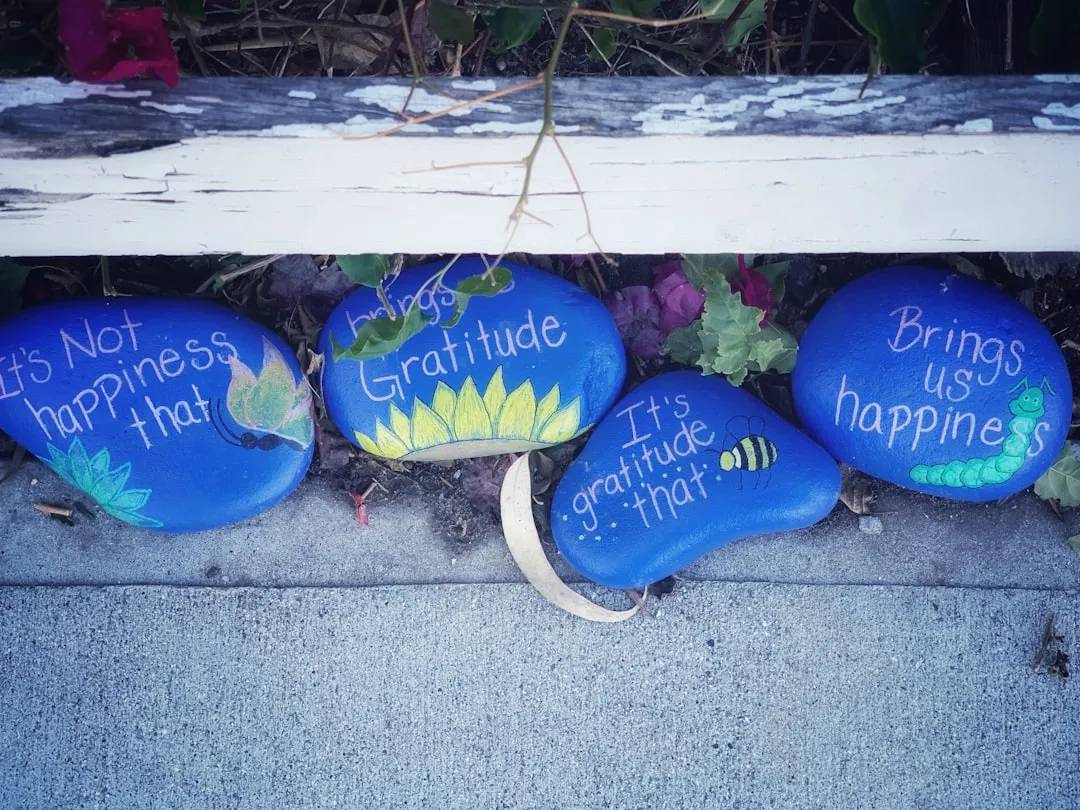
We often seek to cultivate deeper connections with others, employing various strategies ranging from active listening to shared experiences. However, we sometimes overlook a powerful, yet seemingly passive, agent in this process: gratitude. It is not simply a polite acknowledgment; it is a fundamental human emotion with profound implications for our social fabric. We find that gratitude operates not as an overt technique to forge bonds, but as a subtle force that inherently draws individuals closer, fostering an environment conducive to genuine connection without the necessity of explicit effort.
Our understanding of gratitude’s efficacy in fostering human connection stems from observing its multifaceted neurological and behavioral impacts. We perceive it as more than a fleeting emotion; it is a state of being that subtly reshapes our interactions.
Neurolinguistic Foundations and Empathy Enhancement
The practice of gratitude has been demonstrated to engage specific neural pathways that are also implicated in prosocial behaviors and empathy. We observe, for instance, that grateful states are associated with increased activity in the ventromedial prefrontal cortex (vmPFC), a region of the brain critical for evaluating rewards, social cognition, and decision-making. This neurological engagement does not directly "force" connection, but rather creates a neurobiological substrate that is more receptive to it. When we experience gratitude, our brains are, in essence, primed to acknowledge and appreciate the positive contributions of others, even those that are subtle or indirect. This inherent neurological shift broadens our perspective, making us more attuned to the nuances of human interaction and, consequently, more empathetic. The broadening of perspective is not a conscious act of trying to understand; it is an organic outcome of the grateful state. We find ourselves more readily stepping into another's shoes, perceiving their intentions with greater charity, and appreciating their existence within our shared environment.
The Broaden-and-Build Theory in Practice
A cornerstone of our understanding of positive emotions, the broaden-and-build theory posits that positive emotional experiences, such as gratitude, tend to broaden an individual's momentary thought-action repertoire. This is not to say we suddenly acquire new skills, but rather our cognitive and behavioral options expand. For us, in the context of connection, this means an increased openness to new ideas, a greater willingness to engage in novel activities, and a more expansive view of our social landscape. When we are grateful, we are less likely to be narrowly focused on self-preservation or individual gain. Instead, our cognitive horizons widen, making us more amenable to collaborative efforts, shared experiences, and the intricate dance of social reciprocity. This broadening does not require us to actively seek out new connections; rather, it creates an internal state where invitations are more warmly received and gestures of goodwill are more readily reciprocated. We become, without conscious effort, more approachable and more available for connection.
In exploring the theme of gratitude and its impact on relationships, an interesting related article is "How Coffee Shapes Your Daily Routine," which discusses the role of daily rituals in fostering connections with others. By integrating gratitude into these routines, individuals can enhance their interactions and deepen their bonds. To read more about how everyday habits like coffee consumption can influence our social lives, visit this article.
Fostering Community and Prosocial Behaviors
Our communal experiences are profoundly shaped by the presence or absence of gratitude. We see it as a silent architect of social cohesion.
Community Appreciation as a Connective Tissue
Within any community, whether it be an academic institution or a small social group, the expression of gratitude serves as a vital connective tissue. The Mental Research Institute's 2026 welcome message, for instance, explicitly highlights gratitude for a vibrant community. This is not merely a formality; it signifies a conscious acknowledgment of the collective contributions that sustain and enrich the environment. When we, as individuals or as a collective, articulate our appreciation for the community, we reinforce the value of each member's presence. This reinforcement does not demand active networking or forced interactions; instead, it establishes a foundational sense of belonging. Individuals feel seen, valued, and essential to the larger whole. This internalized appreciation minimizes the need for overt efforts to connect, as the underlying sense of community already exists. We feel intrinsically linked when we understand our contributions are recognized and valued by the collective.
The "Energy Field" of Openness and Affirmation
Judy Wilkins-Smith aptly describes gratitude as creating an "energy field" of openness and affirmation. We resonate with this metaphor because it captures the intangible yet potent influence gratitude exerts. This "energy field" is not a mystical aura, but rather a discernible social atmosphere. When individuals operate from a place of gratitude, their interactions are imbued with a sense of positivity and receptivity. We become more approachable, our defenses are lowered, and our willingness to engage in genuine dialogue increases. This internal transformation translates into an external manifestation that encourages "buy-in" from others. It is not that we are actively trying to persuade; rather, our grateful demeanor naturally elicits a more positive response. This creates a virtuous cycle where gratitude begets openness, which in turn fosters affirmation, further deepening potential connections without the need for strenuous exertion. We find that when we radiate this "energy field," others are naturally drawn to it, much like iron filings to a magnet.
Building Resilience Through Shared Appreciation
Beyond immediate social interactions, gratitude plays a crucial role in strengthening the collective resilience of groups, particularly during challenging times. We recognize its power in forging bonds under duress.
Recognizing Interconnected Experiences
The University of Michigan HR emphasizes that recognizing "interconnected experiences" is fundamental to deepening gratitude practice. We interpret this as acknowledging the myriad ways in which our lives are inextricably linked, not just through direct interaction but also through shared challenges, common goals, and interdependent systems. When we consciously recognize these interconnections, our sense of gratitude expands beyond individual acts of kindness to encompass the broader tapestry of our collective existence. During difficult periods, this recognition becomes even more critical. We understand that our struggles are not solitary, and our successes are often built upon the efforts of others. This understanding, born from gratitude, inherently deepens our relational bonds. We do not need to actively seek out solace or connection; the underlying awareness of our shared humanity, cultivated through gratitude, provides a natural wellspring of support. We find ourselves less isolated when we appreciate the vast network of human endeavor that underpins our individual lives.
Communal Resilience as an Outcome of Gratitude
The American Psychological Association (APA) has documented gratitude's strong tie to communal resilience and well-being, especially during adversity. We observe that in times of crisis, communities that collectively practice gratitude tend to exhibit greater cohesion and a stronger capacity for recovery. This is not because gratitude magically solves problems, but because it fosters a sense of unity and mutual support. When individuals express gratitude for the efforts of others, for shared resources, or for collective endurance, they reinforce a communal identity. This reinforcement strengthens the bonds between individuals, making them more likely to lend assistance, share burdens, and collaborate on solutions. The resilience we observe is not an individual attribute acting in isolation, but a collective strength nurtured by a pervasive attitude of appreciation. We understand that when a community can articulate its gratitude, even in the face of hardship, it builds a robust framework capable of weathering storms.
The Effortless Propagation of Prosocial Behaviors
One of the most intriguing aspects of gratitude is its ability to induce prosocial behaviors without explicit instruction or expectation. We witness this phenomenon regularly.
The Ripple Effect of Reciprocity
When we experience gratitude, we are often motivated to reciprocate the kindness we have received. This is not a calculated exchange, but a spontaneous desire to pay it forward. Psychologist Robert Emmons, a leading researcher in gratitude, has highlighted this reciprocal nature. The feeling of being appreciated naturally inclines us to be appreciative in return, not necessarily to the original benefactor but often to others within our social sphere. This creates a ripple effect where acts of kindness and expressions of gratitude propagate through a network, subtly strengthening connections. We do not consciously decide to perform a prosocial act because we are grateful; rather, our grateful state predisposes us to actions that benefit others. This effortless propagation of goodwill contributes significantly to the health of our social relationships, fostering an environment where connections flourish naturally. We find that gratitude acts as a gentle current, subtly guiding interactions toward mutual benefit.
Reducing Social Distance Through Acknowledgment
Gratitude, by its very nature, involves acknowledging the positive impact of others on our lives. This act of acknowledgment inherently reduces social distance. When we express gratitude, we are explicitly recognizing our interdependence and the value we derive from others. This recognition breaks down barriers and fosters a sense of closeness. It is not an attempt to become intimate, but rather a direct affirmation of the other person's positive contribution, however small. This simple act can transform transient interactions into more meaningful encounters. We find that a sincere "thank you" can bridge gaps that elaborate conversations might struggle to traverse. It signifies an appreciation for the other's humanity and their role, however incidental, in our well-being.
In exploring the theme of gratitude and its impact on relationships, you might find it interesting to read about how personal style can also foster connections in unexpected ways. For instance, the article on the significance of fashion choices, particularly the brown winter coat, highlights how shared experiences around clothing can create bonds among individuals. This connection through style complements the idea that gratitude can deepen our relationships without the need for overt efforts.
Cultivating a Grateful Mindset for Deeper Engagement
Given the pervasive benefits of gratitude, we contend that cultivating a grateful mindset is not merely a pleasant endeavor, but a strategic one for enhancing our social lives.
Mindfulness and Conscious Appreciation
The cultivation of gratitude often begins with mindfulness – the practice of being present and attentive to our experiences. When we are mindful, we are more attuned to the myriad blessings and positive influences in our lives, both large and small. This conscious appreciation is not an exercise in forced positivity, but rather an honest recognition of reality. By regularly noting the positive contributions of others, the beauty of our surroundings, or the intrinsic good in our interactions, we train our minds to gravitate towards these aspects. This intentional shift in focus subtly alters our perspective, making us more open and receptive to the people around us. We observe that those who practice mindfulness often report a heightened sense of gratitude, which in turn leads to more enriching social engagements without any direct attempt to "connect." It is through this quiet observation that our appreciation naturally deepens.
Journaling and Reflective Practice
Another effective method for cultivating gratitude is through journaling or other forms of reflective practice. By taking the time to write down what we are grateful for, we solidify these thoughts and emotions, making them more salient in our consciousness. This reflective exercise is not about performing a duty, but about internalizing the benefits we receive. When we regularly articulate our gratitude, we reinforce the mental pathways associated with this emotion, making it a more consistent aspect of our emotional landscape. This sustained practice subtly influences our interactions; we become more inclined to notice and acknowledge the positive aspects of others, thereby fostering stronger, more genuine connections. We find that the act of simply noting down a few things we appreciate each day has a profound, albeit indirect, impact on the quality of our relationships.
In conclusion, we observe that gratitude acts as a powerful, yet understated, catalyst for deepening human connection. It operates not through overt strategies or calculated maneuvers, but through its inherent ability to broaden our perspective, foster empathy, and cultivate an atmosphere of openness and appreciation. By engaging our social brains, promoting prosocial behaviors, and strengthening communal resilience, gratitude organically draws us closer to one another. We realize that the most profound connections are often not those we forcefully create, but those that emerge naturally from a heart that is truly and genuinely grateful. We do not need to try harder; we need only to appreciate more deeply.
FAQs
What is the main idea behind how gratitude deepens connection?
Gratitude fosters a sense of appreciation and recognition between individuals, which naturally strengthens emotional bonds and promotes deeper connections without requiring deliberate effort.
How does expressing gratitude impact relationships?
Expressing gratitude can enhance trust, increase positive feelings, and encourage reciprocal kindness, all of which contribute to stronger and more meaningful relationships.
Can gratitude improve connections in both personal and professional settings?
Yes, gratitude positively affects connections in various contexts by creating a supportive and respectful environment, whether in personal relationships or workplace interactions.
Is it necessary to consciously practice gratitude to deepen connections?
While conscious practice can enhance the effects, gratitude often deepens connections naturally as people feel valued and understood when gratitude is expressed sincerely.
What are some simple ways to show gratitude to deepen connections?
Simple ways include saying thank you, acknowledging others' efforts, writing notes of appreciation, and actively listening, all of which help strengthen interpersonal bonds.