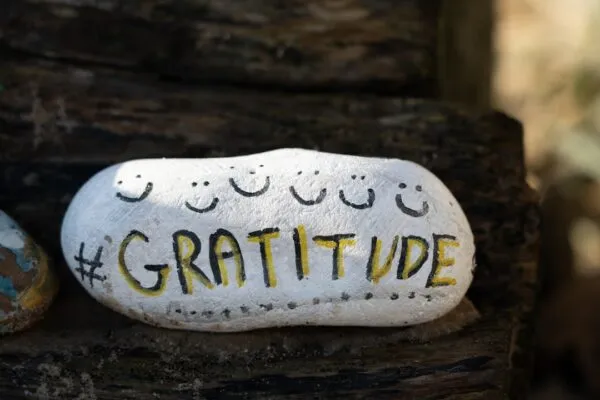
You might be surprised at how a simple practice, one you can easily introduce into your child's life, can fundamentally reshape their internal landscape and equip them with crucial life skills. Gratitude, far from being a mere polite gesture, acts as a potent catalyst for building emotional awareness in children, providing them with a toolkit for navigating the complexities of their inner world. Consider it a foundational building block, like laying the first bricks for a sturdy house, allowing for greater stability and height as they grow.
Your role in this process is significant. By fostering an environment where gratitude is not only expressed but understood, you are actively contributing to your child's emotional development, equipping them with the ability to recognize, understand, and respond to their feelings and the feelings of others. This is not about forcing happiness or ignoring difficulties, but rather about cultivating a lens through which challenges can be viewed with a greater sense of perspective and resilience.
The Neurological Underpinnings of Gratitude in Childhood
The practice of gratitude is not simply an abstract concept; it has tangible effects on a child's developing brain. Neuroscience offers compelling evidence that engaging in thankful reflection actively engages specific regions of the brain crucial for emotional processing and regulation.
Activation of the Medial Prefrontal Cortex
When a child consciously practices gratitude, their medial prefrontal cortex (mPFC) lights up. This area of the brain is a central hub for a range of higher cognitive functions.
Facilitating Emotion Regulation
The mPFC plays a critical role in a child's ability to manage and adjust their emotional responses. By engaging this area through gratitude, you are helping your child build a more robust capacity for self-regulation. This means they are better equipped to handle frustration, disappointment, and anger without being overwhelmed. Imagine their emotions as a wild river; gratitude helps them build dams and channels to direct that energy constructively, rather than letting it flood their entire emotional landscape.
Enhancing Perspective-Taking
Gratitude encourages children to look beyond their immediate circumstances and consider the contributions and kindness of others. This act of shifting focus strengthens the mPFC's role in perspective-taking. It allows your child to step into another's shoes, fostering a more nuanced understanding of social interactions and interpersonal dynamics. This is akin to giving them a wider lens through which to view the world, enabling them to see the interconnectedness of actions and intentions.
Strengthening Social Cognition
The medial prefrontal cortex is also deeply involved in social cognition, which refers to the ability to understand and interpret social cues and situations. Gratitude, by prompting appreciation for others, inherently strengthens this neural network. Your child becomes more attuned to the social fabric of their lives, better able to navigate peer relationships and understand the impact of their own behavior on others.
Boosting Key Neurotransmitters
Beyond specific brain regions, gratitude also influences the chemical messengers within the brain, directly impacting a child's mood and overall sense of well-being.
Dopamine and Serotonin Release
Research indicates that gratitude can stimulate the release of dopamine and serotonin. Dopamine is often associated with pleasure and reward, while serotonin contributes to feelings of happiness and calmness. The consistent practice of gratitude, therefore, can create a feedback loop, reinforcing positive emotional states and contributing to a more stable and cheerful disposition. This is like providing your child's brain with a natural, internal reward system that promotes positive feelings.
Strengthening Neural Pathways for Positivity
As your child engages in gratitude, they are, in essence, strengthening the neural pathways associated with positive thinking and stress reduction. This is a form of mental training. The more they practice gratitude, the more readily their brain accesses these positive networks. Over time, this can lead to a more optimistic outlook and a greater capacity to cope with stress, transforming their default response from threat-detection to a more balanced and hopeful perspective.
Cultivating Resilience and Emotional Awareness in Youth
The impact of gratitude extends beyond immediate brain activity, fostering long-term resilience and a deeper understanding of emotional experiences in children as they grow. This is particularly vital during the formative years of childhood and adolescence, periods characterized by significant emotional and social development.
Rewiring the Brain for Positivity
Consistent exposure to and practice of gratitude can fundamentally alter how a child's brain processes information. It shifts the brain's default setting from one that might naturally focus on threats or negatives to one that actively seeks out and acknowledges the good.
Reducing Symptoms of Anxiety and Depression
By regularly focusing on what they are thankful for, children can gradually reduce the cognitive space occupied by worries and negative thoughts that often fuel anxiety and depression. This is not a cure-all, but it is a powerful tool for mitigating the impact of these conditions by providing a counter-balance of positive experiences. Imagine their mind as a garden; gratitude helps you weed out the distracting nettles and cultivate the more vibrant flowers.
Improving Sleep Quality
Children who practice gratitude often report better sleep. This is likely due to the calming effect of positive rumination before sleep, reducing the mental chatter that can interfere with restful sleep. A well-rested child is inherently more emotionally regulated and better equipped to handle the day's challenges.
Enhancing Empathy and Prosocial Behavior
Gratitude inherently involves acknowledging the kindness of others, which naturally nurtures empathy. When children recognize that they have benefited from someone else's actions, they are more likely to understand and share those feelings. This, in turn, fosters prosocial behavior – actions intended to help others. They become more inclined to share, cooperate, and offer support, understanding the ripple effect of kindness.
The Emergence and Importance of Gratitude in Adolescence
While the roots of gratitude can be observed at an earlier age, its importance significantly escalates as children enter adolescence, a period marked by increasing social pressures and emotional complexities.
The Five-Year-Old's Developing Awareness
Research suggests that the capacity for understanding and expressing gratitude begins to emerge around the age of five. At this stage, children can start to differentiate between receiving something and understanding that it was given to them by someone. This is the budding awareness that their needs and desires are often met through the efforts of others.
Navigating Teenage Social and Emotional Challenges
Adolescence presents a unique set of challenges, from navigating complex social hierarchies to managing the intensity of new emotions. Gratitude acts as an anchor during these turbulent times. It helps teenagers to appreciate their existing support systems – family, friends, mentors – and to find silver linings even in difficult situations. This allows them to face peer pressure, academic stress, and relationship issues with a greater sense of internal strength and perspective. It’s like providing them with a sturdy raft to navigate the choppy seas of teenage life.
Elevating Emotional Intelligence Through Gratitude
Emotional intelligence, the ability to understand and manage one's own emotions, and to recognize and influence the emotions of others, is a cornerstone of personal and social success. Gratitude serves as a potent training ground for developing this crucial life skill.
Fostering the Noticing of Goodness
Gratitude is fundamentally about actively noticing and appreciating the positive aspects of life. This conscious effort trains children to look for the good, even when faced with adversity.
Developing Empathic Understanding
When a child learns to recognize the goodness in a situation or in another person's actions, they are simultaneously building their capacity for empathy. They begin to understand the impact of kindness and support, which makes them more attuned to the emotional states of those around them. This is a foundational step towards understanding complex emotions like joy, relief, and appreciation.
Cultivating Flexible Thinking
The practice of gratitude encourages a more flexible approach to thinking. Instead of getting stuck in a negative feedback loop, children are trained to pivot their attention towards positive aspects. This flexibility is essential for problem-solving and for adapting to changing circumstances. It's like having a mental dial that allows them to shift frequency from "problem" to "solution" or from "lack" to "abundance."
Gratitude as an Emotional Superpower
The cumulative effects of practicing gratitude can be viewed as bestowing a kind of "superpower" upon children, enhancing their ability to cope with life's challenges and to experience genuine joy and connection.
Building a Foundation for Resilience and Joy
Gratitude builds a strong inner foundation of resilience. When faced with setbacks, children who have cultivated gratitude are better equipped to bounce back, drawing on their awareness of past positives and the support systems they appreciate. This resilience, in turn, opens the door to more consistent and profound experiences of joy, as they are not solely defined by their struggles.
Strengthening Relationships Through Appreciation
When children express gratitude to others, they are actively strengthening their relationships. This sincere appreciation fosters goodwill, reciprocity, and a deeper sense of connection. It communicates to others that their efforts are seen and valued, creating a positive cycle of interaction. Imagine a garden where appreciation is the sunlight and water; it helps relationships to flourish.
Training Kids to Name Emotions and Shift Focus
Gratitude provides a framework for children to identify and name their emotions, particularly those associated with feeling good or safe. When they are thankful for something, they can begin to associate that feeling with specific emotions like happiness, contentment, or peace. This practice also helps them to shift their mental focus away from perceived threats or anxieties and towards states of safety and optimism. It's like teaching them to recognize different colors in the emotional spectrum, allowing them to articulate their feelings more precisely.
Research Validates the Impact of Gratitude
The growing body of scientific research consistently supports the profound benefits of gratitude on children's emotional development and overall well-being. This is not based on anecdotal evidence alone, but on rigorous study and analysis.
Comprehensive Reviews of Existing Studies
Recent systematic reviews of numerous studies have synthesized the findings on gratitude and its effects, providing a robust confirmation of its positive impact.
Confirmation of Improved Mental Health and Optimism
A significant 2025 review, encompassing 64 distinct studies, unequivocally demonstrated that regular gratitude practice in youth is associated with improved mental health outcomes, a greater sense of optimism about the future, and enhanced social and academic performance. This meta-analysis provides a strong statistical foundation for the efficacy of gratitude interventions.
Youth-Specific Findings on Life Satisfaction and Stress Reduction
Specific findings within these reviews highlight the unique benefits for young people. Studies have directly linked gratitude practices in children and adolescents to higher levels of life satisfaction and a significant reduction in reported stress levels. For instance, research published in journals like the Journal of Positive Psychology has consistently reported these positive correlations, underscoring gratitude's role in fostering a more contented and less burdened youth.
Neuroscience Illuminates the Mechanisms of Gratitude
Recent advancements in neuroscience have provided a deeper understanding of precisely how gratitude exerts its beneficial effects on the developing child's brain, revealing it as a physiological process with tangible health outcomes.
Decreasing Stress Hormones and Increasing Feel-Good Neurotransmitters
Contemporary research, including insights from November 2025, has elucidated the biochemical pathways through which gratitude operates.
The Physiological Impact on Stress Response
Neuroimaging and physiological measurements have shown that practicing gratitude actively decreases the levels of stress hormones, such as cortisol, in the body. This reduction in stress hormones creates a more physiologically balanced state, allowing children to approach challenges with greater composure. It's like turning down the volume on the body's alarm system.
The Amplification of Positive Neurotransmitters
Concurrently, gratitude has been observed to increase the production and release of neurotransmitters like dopamine and serotonin, often referred to as "feel-good" chemicals. This neurochemical shift directly contributes to improved mood, a sense of well-being, and enhanced feelings of happiness and calm.
Gratitude as an Emotional Muscle for Kids
The cumulative effect of these physiological changes can be understood as building a child's emotional well-being like a muscle. Just as physical exercise strengthens muscles, regular practice of gratitude strengthens the neural pathways and biochemical systems that support emotional health. This means that the more a child engages in expressing and experiencing gratitude, the more adept they become at regulating their emotions, managing stress, and cultivating a positive outlook. This is a fundamental investment in their long-term mental and emotional fortitude. By intentionally nurturing gratitude, you are actively developing their capacity to thrive, not just survive, in the face of life's inevitable ups and downs.
FAQs
What is emotional awareness in children?
Emotional awareness in children refers to their ability to recognize, understand, and express their own emotions as well as recognize emotions in others. It is a foundational skill for emotional intelligence and healthy social interactions.
How does practicing gratitude improve emotional awareness in kids?
Practicing gratitude helps children focus on positive experiences and emotions, which enhances their ability to identify and articulate feelings. It encourages reflection on what they appreciate, fostering greater self-awareness and empathy towards others.
At what age can children start practicing gratitude to build emotional awareness?
Children can begin practicing gratitude as early as preschool age, around 3 to 5 years old. Simple activities like saying thank you or sharing things they are thankful for can help develop emotional awareness from a young age.
What are some effective ways to teach gratitude to children?
Effective ways to teach gratitude include modeling grateful behavior, encouraging children to keep gratitude journals, sharing daily gratitude moments during family time, and engaging in acts of kindness that promote appreciation for others.
Can gratitude practices help children manage negative emotions?
Yes, gratitude practices can help children manage negative emotions by shifting their focus from challenges to positive aspects of their lives. This shift can reduce feelings of stress, anxiety, and frustration, contributing to better emotional regulation.