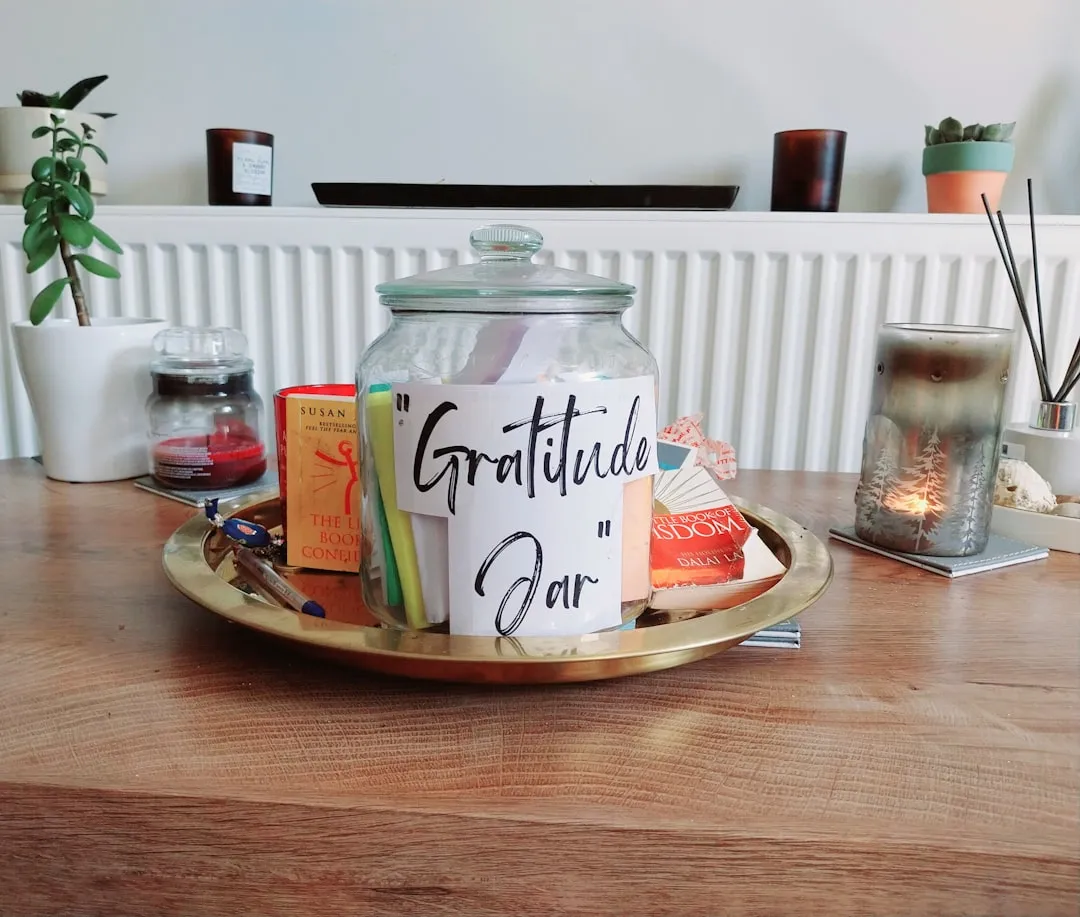
You are likely aware that your brain is a complex and dynamic organ, constantly processing information and undergoing changes. One of the key neurochemicals that underpins your mood, emotional well-being, and even your perception of the world is serotonin. For a long time, scientists have grappled with understanding precisely how to influence these intricate biological processes. However, recent research, painting a clearer picture than ever before, suggests that a seemingly simple practice might be a powerful catalyst for increasing your serotonin levels: gratitude.
It might feel counterintuitive to connect a grateful heart with the intricate molecular machinery of your brain. Yet, the evidence is mounting, illustrating a direct pathway from the act of appreciating what you have to the release of this crucial neurotransmitter. This article will delve into the science behind this fascinating connection, exploring how cultivating gratitude can become a tangible tool for enhancing your mental and emotional health. Think of your brain as a garden: just as proper tending can yield a bountiful harvest, consciously nurturing gratitude can foster a more fertile ground for serotonin production and its associated benefits.
You've probably heard serotonin referred to as a "feel-good" neurotransmitter. While this is certainly true, its role in your brain extends far beyond mere mood elevation. Serotonin is a chemical messenger that influences a wide array of physiological and psychological functions. It plays a significant role in regulating your appetite, sleep-wake cycles, digestion, learning, memory, and even your social behavior. When your serotonin levels are balanced, you tend to experience a greater sense of calm, focus, and emotional stability. Conversely, imbalances have been linked to a variety of conditions, including depression, anxiety, obsessive-compulsive disorder, and even digestive issues. Understanding its broad impact is crucial to appreciating why a boost in serotonin, facilitated by gratitude, is so significant.
Regulating Your Inner Climate
Imagine your mood as the prevailing climate within your mind. When serotonin is in abundance, it's like a pleasant, consistent spring day – stable, comfortable, and conducive to growth. When it's deficient, it can feel like a perpetual stormy season, marked by unpredictable emotional fluctuations and a general sense of unease. This neurotransmitter acts as a critical regulator of your internal emotional landscape, helping to buffer you against the harsh winds of stress and the persistent drizzle of negativity.
The Domino Effect of Neurotransmission
Serotonin doesn't work in isolation; it's part of a vast and intricate communication network within your brain. Its presence affects the activity of other neurotransmitters, such as dopamine, norepinephrine, and GABA. This means that an increase in serotonin can have a cascading, or domino, effect, positively influencing other systems responsible for motivation, pleasure, alertness, and relaxation. Consequently, the benefits of enhanced serotonin can ripple outward, impacting multiple facets of your psychological state.
Beyond Mood: Serotonin's Multifaceted Impact
While mood is the most commonly associated function, it's essential to recognize serotonin's broader influence. Its role in sleep regulation means that adequate levels can contribute to more restorative sleep, which in turn has profound effects on cognitive function, energy levels, and overall resilience. Similarly, its involvement in appetite regulation can contribute to healthier eating patterns. By influencing these foundational aspects of your well-being, serotonin underpins a more robust and balanced state of health.
Gratitude as a Neurotransmitter Catalyst: The Science Unveiled
The empirical evidence linking gratitude practices to serotonin release is becoming increasingly robust. Multiple studies have demonstrated that actively engaging in gratitude can trigger the release of "feel-good" brain chemicals, with serotonin being a prominent beneficiary. This is not simply anecdotal; it's rooted in observable physiological changes within your brain.
Direct Triggers for Serotonin Release
When you consciously focus on what you are grateful for, you are essentially activating specific neural pathways. This mental activation is not passive; it sends signals that stimulate the production and release of neurotransmitters, including serotonin. Think of it like a key turning in a lock, initiating a specific biochemical response. The more you practice this, the more proficient your brain becomes at initiating this desired release.
The "Feel-Good" Trifecta of Neurochemicals
While serotonin is a primary player, gratitude often co-activates other beneficial neurochemicals. You might also experience a boost in dopamine, associated with pleasure and reward, and potentially oxytocin, the "bonding hormone" linked to social connection and trust. This synergistic release creates a potent cocktail of positive neurochemistry, contributing to enhanced mood, a sense of well-being, and reduced feelings of stress and anxiety.
Reducing the Weight of Negativity
One of the significant ways gratitude impacts serotonin is by acting as an antidote to negative emotional states. When you are dwelling on perceived lacks or frustrations, your brain may be more inclined to release stress hormones like cortisol. Gratitude, by shifting your focus to abundance and appreciation, can help to counterbalance this, reducing the production of cortisol and creating a more conducive environment for serotonin to flourish. It's like clearing away the weeds in your garden to allow the desirable plants to thrive.
Neuroplasticity: Rewiring Your Brain for Lasting Positivity
Perhaps one of the most compelling aspects of gratitude's influence on serotonin is its potential to create lasting changes in your brain's structure and function. This concept is known as neuroplasticity – your brain's remarkable ability to reorganize itself by forming new neural connections throughout life. Gratitude can be a powerful tool for harnessing this plasticity to build more positive and resilient neural pathways.
The Indiana University Revelation
A notable study from Indiana University provided compelling evidence for the long-term effects of gratitude. Researchers found that individuals who engaged in gratitude letter writing showed sustained activation in their medial prefrontal cortex for months afterward. This area of the brain is heavily involved in emotion regulation, decision-making, and, importantly, serotonin pathways. This suggests that consistent gratitude practice doesn't just offer a temporary mood lift; it can fundamentally alter the way your brain operates.
Building Positive Neural Bridges
Think of your neural pathways as roads within your brain. When you repeatedly travel a certain route, that road becomes well-worn and efficient. Similarly, by consistently practicing gratitude, you are essentially building and strengthening neural "bridges" that are specifically designed to facilitate the production and utilization of serotonin. Over time, these pathways become more active and robust, making it easier for your brain to access the benefits of this neurotransmitter.
The Power of Habitual Appreciation
The sustained activation observed in the Indiana University study highlights the power of habitual appreciation. When gratitude becomes a regular part of your routine, it's no longer an effortful act but an ingrained neural process. This means that the benefits of gratitude—including improved mood, reduced anxiety, and greater emotional resilience—can become more consistent and deeply rooted in your psychological makeup.
Stress Reduction and Serotonin: A Symbiotic Relationship
The relationship between stress and serotonin is a complex, often inversely proportional one. High levels of chronic stress can significantly deplete serotonin, contributing to feelings of depression and anxiety. Gratitude, by effectively mitigating stress, creates a more favorable environment for serotonin to thrive.
The Cortisol Counterbalance
When you experience stress, your body releases cortisol, often referred to as the "stress hormone." While necessary in short bursts, chronically elevated cortisol levels can have detrimental effects on your brain and body, including suppressing serotonin production. Practicing gratitude has been shown to lower cortisol levels. By reducing this hormonal interference, gratitude allows your brain's natural serotonin-producing mechanisms to function more optimally.
Activating the 'Rest and Digest' System
Your autonomic nervous system has two main branches: the sympathetic (fight or flight) and the parasympathetic (rest and digest). Chronic stress keeps the sympathetic system in overdrive, hindering relaxation and balanced neurotransmitter activity. Gratitude, however, has been observed to activate the parasympathetic nervous system. This shift promotes a state of calm and relaxation, which is more conducive to the balanced functioning of serotonin and other mood-influencing neurochemicals.
A Holistic Approach to Emotional Resilience
By simultaneously reducing stress hormones like cortisol and activating the parasympathetic nervous system, gratitude contributes to enhanced emotional resilience. This means you become better equipped to handle life's challenges without being completely overwhelmed. This improved capacity to bounce back from adversity is, in part, facilitated by the steady and balanced presence of serotonin, which gratitude helps to maintain.
Brain Region Activation: Where Gratitude Makes Its Mark
Neuroimaging studies are providing remarkable insights into precisely which areas of your brain are most active when you engage in gratitude. These highlighted regions are intricately linked to serotonin's functions, further solidifying the connection between the practice and the neurotransmitter.
The Medial Prefrontal Cortex: The Hub of Self-Reflection and Emotion
The medial prefrontal cortex (mPFC) is consistently identified as a key area activated by gratitude. This region is crucial for self-referential processing, emotional regulation, and empathy. Its heightened activity during gratitude practices suggests that these exercises engage your capacity for introspection and your ability to connect with positive emotions and experiences. Given that the mPFC is a significant nexus for serotonin modulation, its activation by gratitude directly supports enhanced serotonin signaling.
The Anterior Cingulate Cortex: Bridging Emotion and Cognition
Another brain region frequently implicated in gratitude studies is the anterior cingulate cortex (ACC). The ACC plays a vital role in integrating cognitive control with emotional information, decision-making, and error detection. Its activation during gratitude practices indicates that the act of focusing on positive aspects of your life involves a conscious effort to regulate your emotional responses and potentially to override negative thought patterns. This region is also known to interact with serotonin systems, suggesting that gratitude is influencing how you process and respond to emotional stimuli.
Supporting Reward, Empathy, and Stress Relief
The combined activation of the mPFC and ACC, along with other interconnected brain regions, supports several key functions that are deeply intertwined with serotonin. This includes enhancing your capacity for experiencing reward, fostering empathy towards others, and contributing to effective stress relief. When these brain areas are working in concert, influenced by the increased presence of serotonin that gratitude helps to facilitate, you are better equipped to navigate your social world and manage internal challenges.
Recent Insights: The Continuing Evolution of Understanding (2025 and Beyond)
The scientific exploration of gratitude's impact on our brains and well-being is an ongoing and evolving field. Emerging research, even in the most recent years, continues to reinforce and expand upon our understanding of this powerful connection.
UF/IFAS and Hotze Health: New Perspectives on Serotonin and Brain Rewiring (November 2025)
In November 2025, reports from institutions such as UF/IFAS (University of Florida Institute of Food and Agricultural Sciences) and Hotze Health have been highlighting the continued importance of gratitude's role in boosting serotonin levels. These insights underscore that this practice is not a fleeting trend but a scientifically recognized mechanism for promoting both physical and mental health. The emphasis is increasingly on how gratitude actively contributes to "rewiring" the brain for positivity, making it a more resilient and optimistic system.
The Practical Applications: From Well-being to Therapeutic Interventions
These recent findings are not just theoretical. They are opening doors to more practical applications of gratitude-based interventions. Mental health professionals are increasingly incorporating gratitude exercises into therapeutic protocols for managing depression, anxiety, and fostering overall well-being. The understanding that gratitude can be a potent, non-pharmacological tool for influencing neurochemistry like serotonin is a significant step forward in promoting proactive and holistic health management. You too can leverage this understanding to actively cultivate a more positive and resilient internal state.
FAQs
What is serotonin and why is it important?
Serotonin is a neurotransmitter in the brain that helps regulate mood, sleep, appetite, and other bodily functions. It is often referred to as the "feel-good" chemical because it contributes to feelings of well-being and happiness.
How does gratitude affect serotonin levels?
Practicing gratitude has been shown to increase serotonin production in the brain. When people focus on positive aspects of their lives and express thankfulness, it can stimulate neural pathways that boost serotonin, leading to improved mood and emotional health.
Can gratitude practices improve mental health?
Yes, regularly practicing gratitude can enhance mental health by increasing serotonin levels, reducing symptoms of depression and anxiety, and promoting a more positive outlook on life.
What are some common ways to practice gratitude?
Common gratitude practices include keeping a gratitude journal, writing thank-you notes, reflecting on positive experiences, and verbally expressing appreciation to others. These activities help reinforce positive thinking and serotonin production.
Is the effect of gratitude on serotonin immediate or long-term?
The impact of gratitude on serotonin can be both immediate and long-term. While expressing gratitude can provide an instant mood boost, consistent gratitude practice over time leads to sustained increases in serotonin levels and overall emotional well-being.