Your daily existence is a continuous stream of choices, from the mundane act of selecting your breakfast to the more significant decisions that shape your career and relationships. You might perceive these choices as independent events, reactions to external stimuli, or the product of calculated logic. However, an underlying force actively influences the very architecture of your decision-making process: gratitude. Far from being a mere emotional flourish, gratitude acts as a fundamental recalibrator for your brain, subtly yet powerfully steering your daily choices toward more considered, resilient, and ultimately, more beneficial outcomes. Consider it the unseen architect of your mental landscape, laying down pathways that favor thoughtful action over impulsive reaction.
You may not consciously acknowledge it, but when you experience gratitude, a specific region of your brain springs into action. The medial prefrontal cortex, a key area for executive functions, is activated. This neural engagement is not merely an abstract biological event; it has tangible consequences for your ability to make decisions. This area is crucial for a range of cognitive processes, including emotional regulation, perspective-taking, and social cognition. When gratitude primes this region, it effectively creates a calmer, more grounded foundation for your judgment. Instead of decisions being dictated by immediate anxieties or fleeting desires, they are filtered through a lens that acknowledges what you have, rather than solely focusing on what you lack. This shift in cognitive processing allows you to approach situations with greater equanimity, making it easier to resist impulsive actions driven by stress or fear. Imagine your brain as a complex control panel; gratitude acts as a dimmer switch for the anxiety circuits, allowing the more rational and forward-thinking parts of your brain to operate with greater clarity and control. This enhanced capacity for emotional regulation and perspective-taking directly translates into more measured and less reactive daily decisions. You become less susceptible to the siren song of immediate gratification, and more inclined to weigh the long-term implications of your actions.
Enhanced Emotional Regulation Through Gratitude
The activation of the medial prefrontal cortex by gratitude has a direct impact on your ability to manage your emotions. This area helps to temper the brain's threat-detection system, often associated with the amygdala. By fostering a sense of contentment and appreciation, gratitude can reduce the intensity of negative emotional responses like anger, frustration, or fear. When faced with a challenging situation, a grateful mindset can prevent you from becoming overwhelmed by negative emotions, allowing you to access a more balanced emotional state. This enhanced emotional regulation is crucial for navigating the inevitable stressors of daily life. Instead of lashing out in anger during a traffic jam, or becoming despondent after a minor setback, a grateful individual is more likely to maintain composure, assess the situation objectively, and respond in a constructive manner. This ability to self-regulate emotionally empowers you to make decisions that are not driven by panic or anger, but by a clearer, more reasoned assessment of the circumstances.
The Power of Perspective-Taking
Gratitude also enhances your capacity for perspective-taking. When you are grateful for the support of others, for opportunities afforded to you, or for simple comforts, you are naturally inclined to consider the broader context of your existence. This shift in perspective can lead you to view challenges not as insurmountable obstacles, but as opportunities for growth or as temporary inconveniences within a larger tapestry of positive experiences. This broadened perspective allows you to make decisions with a more holistic understanding of their impact, not just on yourself, but on those around you. It fosters a greater sense of empathy and understanding, contributing to more prosocial and less self-centered choices. Recognizing the efforts of others, or the fortunate circumstances that have contributed to your present, can influence your decisions to be more collaborative, considerate, and community-oriented.
The Meta-Analytic Evidence for Gratitude's Influence
The impact of gratitude on your well-being and decision-making is not merely anecdotal; it is increasingly supported by robust scientific inquiry. Meta-analyses, which synthesize the findings of numerous individual studies, provide compelling evidence for the tangible benefits of cultivating gratitude. These analyses consistently demonstrate that interventions designed to boost gratitude feelings lead to significant positive changes. You will find that actively engaging in gratitude practices can increase your reported gratitude levels, often by around 4%, which may seem modest, but within the context of a life's choices, it represents a consistent nudge in a beneficial direction.
Boosting Life Satisfaction and Mental Health
The data are clear: gratitude has a measurable impact on your overall outlook. Meta-analytic findings indicate an increase in life satisfaction of approximately 6.86% among individuals who engage in gratitude practices. This heightened sense of well-being is not superficial; it is linked to improvements in mental health. Studies report a 5.8% improvement in mental health markers, which is a significant outcome when considering the complexities of psychological well-being. Furthermore, gratitude interventions have been shown to effectively reduce symptoms of anxiety and depression, with reductions of 7.76% and 6.89% respectively. These are not inconsequential figures. They suggest that by consciously cultivating gratitude, you are actively contributing to a more resilient and positive mental state, which, in turn, creates a more stable platform from which to make your daily decisions. When your mental landscape is less clouded by anxiety and despair, you are better equipped to think clearly and make choices aligned with your values and long-term goals.
Fostering Prosocial Behaviors and Positive Moods
The positive ripple effect of gratitude extends beyond your internal state to influence your interactions with the world. Meta-analyses highlight that gratitude promotes prosocial behaviors. This means you are more likely to engage in acts of kindness, generosity, and helpfulness when you cultivate gratitude. This is because recognizing the benefits you have received naturally encourages reciprocity and a desire to contribute to the well-being of others. Moreover, gratitude is intrinsically linked to positive moods. A grateful disposition acts as a buffer against negativity, allowing you to experience moments of joy, contentment, and optimism more readily. This pervasive positive mood can subtly influence your decision-making, making you more open to opportunities, more willing to take calculated risks, and more optimistic about potential outcomes. Imagine a finely tuned instrument; gratitude helps keep your emotional response system in harmony, allowing for a richer and more nuanced experience of the world and, consequently, more considered choices.
The Chemistry of a Grateful Brain
Your brain is a marvel of biochemical processes, and gratitude plays a direct role in orchestrating some of its most fundamental operations. When you experience gratitude, you are not just having a pleasant thought; you are triggering the release of key neurotransmitters that have a profound impact on your mood, motivation, and even your susceptibility to addictive or risky behaviors. Understanding this chemical undercurrent reveals how gratitude acts as a potent tool for shaping your daily choices.
Dopamine and Serotonin: The Feel-Good Neurotransmitters
Gratitude is a natural stimulant for the release of dopamine and serotonin, often referred to as the "feel-good" neurotransmitters. Dopamine is associated with pleasure, reward, and motivation, while serotonin plays a crucial role in mood regulation, sleep, and appetite. When you practice gratitude, you are essentially providing your brain with a healthy, natural boost of these chemicals. This can lead to a more positive overall mood, increased feelings of pleasure from everyday experiences, and a greater motivation to engage in activities that are beneficial for you. For instance, feeling grateful for a productive work session can reinforce that behavior, making you more likely to dedicate yourself to similar tasks in the future. Conversely, a lack of these neurotransmitters is often linked to feelings of apathy, depression, and increased impulsivity. By fostering gratitude, you are actively contributing to a brain chemistry that favors well-being and, consequently, healthier decision-making. You are, in essence, hijacking your own reward system for positive gain, directing your brain's natural pleasure-seeking mechanisms toward constructive and beneficial outcomes.
Building Neural Pathways for Positivity
Beyond the immediate biochemical release, consistent gratitude practice helps to build and strengthen neural pathways in your brain that are associated with positive thinking. Neuroplasticity, the brain's ability to rewire itself, means that with repeated activation of specific neural circuits, those circuits become more efficient and dominant. When you actively train yourself to notice and appreciate the good in your life, you are essentially reinforcing the neural networks responsible for optimism, resilience, and positive cognitive biases. This means that over time, your brain becomes more predisposed to seeing the silver lining, to focusing on solutions rather than problems, and to maintaining a generally optimistic outlook. This pre-programming for positivity can significantly influence your daily decisions. When faced with adversity, these established pathways can help you quickly pivot from despair to possibility, making choices that are aimed at overcoming challenges rather than succumbing to them. It's akin to downloading a new operating system for your brain, one that prioritizes constructive responses and forward momentum.
Reducing Risky Behaviors and Enhancing Engagement
The positive impact of gratitude extends to particularly vulnerable populations. Research indicates that gratitude can play a role in mitigating risky behaviors in youth. By fostering a greater sense of self-worth, appreciation for their present situation, and a stronger connection to their future potential, adolescents who practice gratitude may be less inclined to engage in activities that could jeopardize their well-being. This is likely due to the combined effects of improved emotional regulation, enhanced perspective-taking, and a stronger sense of purpose. Furthermore, gratitude has been linked to improved academic engagement. Students who feel grateful for their education, their teachers, or opportunities to learn often exhibit higher levels of motivation and dedication. This heightened engagement can lead to better academic performance and a greater willingness to make choices that support their educational goals, such as dedicating time to studying or seeking help when needed. You are, in effect, building a more robust internal compass that guides you toward decisions that align with your long-term aspirations and your inherent value.
The Daily Practice Shift: From Survival to Flow
Your daily routine can be a battlefield or a playground, and the practice of gratitude significantly influences which of these it becomes. For many, daily life is characterized by a constant undercurrent of stress and a focus on simply surviving the demands placed upon them. However, by actively incorporating gratitude into your daily rhythm, you can initiate a profound shift in your mindset, moving from a state of scarcity and anxiety toward one of creativity, flow, and proactive engagement.
Calming Fears and Fostering Optimism
Gratitude acts as a potent antidote to fear. When you consciously acknowledge what you are thankful for, you are grounding yourself in the present reality and in the positive aspects of your existence. This practice can effectively quiet the anxious chatter of your mind, which often dwells on potential future threats or past regrets. By focusing on present blessings, you create a sense of security and stability, which can significantly reduce feelings of apprehension. This calming effect then paves the way for increased optimism. When you regularly encounter and appreciate the good things in your life, you begin to develop a more optimistic outlook on the future. You start to expect good things to happen, not out of naivete, but out of a reinforced belief in the positive possibilities that exist. This optimistic framing directly influences your daily decisions, making you more inclined to approach new situations with hope and a willingness to engage, rather than with trepidation and avoidance. You are essentially training your mind to scan for opportunities rather than threats.
Promoting Better Focus and Active Listening
The ability to focus and listen actively are critical components of effective decision-making, yet they are often compromised by a distracted or anxious mind. Gratitude practice can sharpen these essential skills. When you approach an interaction or a task with a grateful mindset, you are more likely to be present and engaged. For example, if you are grateful for a conversation with a colleague, you are more likely to listen attentively to their ideas and concerns, rather than formulating your own response while they are still speaking. This improved focus and active listening allows you to gather more accurate information, understand different perspectives more deeply, and ultimately make more informed and judicious decisions. It moves you from a reactive mode of mental processing to a more receptive and analytical one. Imagine your attention as a spotlight; gratitude ensures that the spotlight is focused on what is truly important, rather than flickering erratically between distractions.
Gratitude as a "Brain Hack" for Generosity and Resilience
Looking ahead, gratitude is emerging as a powerful and accessible tool – a "brain hack" – for cultivating desirable traits like generosity and resilience. The compounded effects of daily gratitude practices are becoming increasingly evident, suggesting a transformative potential for how you navigate your life's challenges and opportunities. This is not about grand, sweeping gestures, but about the subtle, consistent integration of an appreciative mindset into the fabric of your everyday existence.
Journaling and Morning Rituals: Compounding Effects
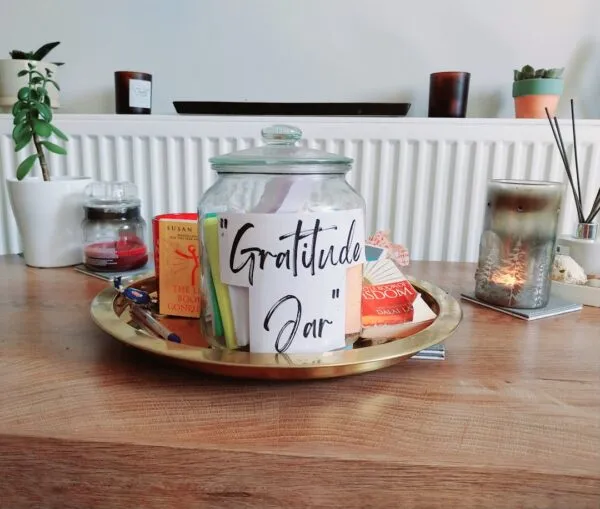
One of the most accessible and effective ways to cultivate gratitude is through journaling or incorporating it into your morning rituals. Dedicating even a few minutes each day to writing down things you are thankful for, or simply reflecting on them, can initiate a powerful process of cognitive and emotional reconditioning. The act of consciously identifying and articulating your gratitudes creates a tangible record of positivity. Over weeks and months, the cumulative effect of these daily practices can lead to significant shifts in your perspective and behavior. You begin to rewire your brain's default settings, making a positive outlook more automatic. This sustained practice builds a robust foundation of resilience, making you better equipped to bounce back from setbacks. Furthermore, this practice can unlock your capacity for generosity. As you become more aware of the abundance in your own life, you are more likely to feel inclined to share that abundance with others, whether it be in the form of your time, resources, or simply your positive energy. It's like planting a seed daily; the initial effort may seem small, but over time, it blossoms into something substantial and life-affirming.
Transforming Routines Through an Appreciative Lens
The true power of gratitude lies in its ability to transform your ordinary routines into opportunities for appreciation. Instead of merely going through the motions of your daily tasks, you can consciously infuse them with gratitude. For instance, when preparing your morning coffee, you can be grateful for the warmth of the mug, the aroma of the beans, and the simple pleasure of a quiet moment before the day begins. This practice reframes routine activities, imbuing them with a sense of purpose and positive emotion. This transformation can lead to more mindful and engaged decision-making within those routines. You might choose to savor your meal rather than rushing through it, or engage more fully in a household chore by appreciating its contribution to your living space. This shift from a purely functional approach to an appreciative one can significantly enhance your daily experience. It turns the mundane into the meaningful, fostering a lifelong habit of recognizing and valued the positive aspects of your existence, which in turn, informs and improves every decision you make.
By understanding and actively engaging with gratitude, you are not merely adding a pleasant emotion to your life; you are fundamentally reshaping the way your brain processes information and makes decisions. This conscious cultivation of appreciation is a powerful, evidence-based strategy for navigating your daily life with greater clarity, resilience, and well-being.
FAQs
What is gratitude and how is it defined in psychology?
Gratitude is the feeling of thankfulness and appreciation for the positive aspects of life. In psychology, it is often defined as a positive emotional response to receiving a benefit or recognizing the good in one's life, which can influence mental well-being and social behavior.
How does gratitude influence daily decision-making?
Gratitude can shape daily decisions by promoting a positive mindset, increasing patience, and encouraging prosocial behavior. When people feel grateful, they are more likely to make choices that benefit themselves and others, such as helping, sharing, or making healthier lifestyle decisions.
Can practicing gratitude improve mental health?
Yes, regularly practicing gratitude has been shown to improve mental health by reducing stress, anxiety, and depression. It enhances overall emotional well-being by fostering a more optimistic outlook and increasing resilience to negative experiences.
What are common ways to cultivate gratitude in daily life?
Common methods to cultivate gratitude include keeping a gratitude journal, expressing thanks to others, reflecting on positive experiences, and mindfulness practices that focus on appreciating the present moment.
Is there scientific evidence supporting the benefits of gratitude?
Yes, numerous studies in psychology have demonstrated that gratitude is linked to improved emotional health, stronger relationships, better sleep, and increased happiness. These findings support the idea that gratitude positively shapes daily decisions and overall quality of life.