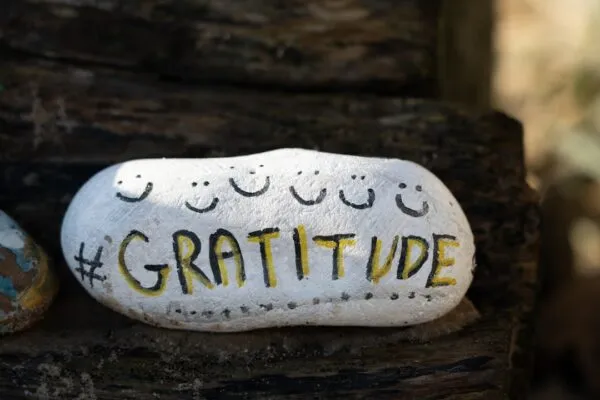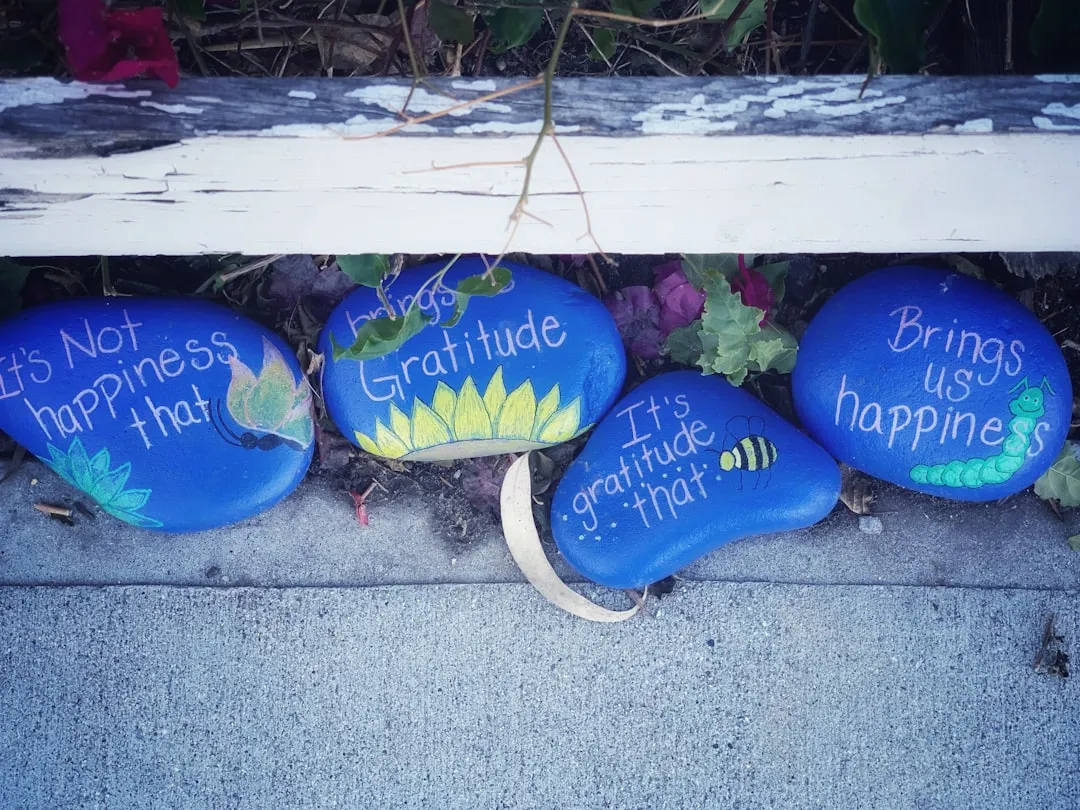
You regularly construct a narrative of your existence. This personal history, a dynamic and evolving manuscript, is not merely a chronicle of events, but a subjective interpretation of them. The lens through which you perceive and process these events, the emotional tenor you imbue them with, and the significance you assign, all contribute to the overarching plot. Among the various cognitive and emotional frameworks that influence this autobiographical production, gratitude emerges as a particularly potent sculptor, systematically altering the contours and context of your life's ongoing narrative.
Your narrative identity is the internalized and evolving story of yourself, a coherent account that links your past, present, and anticipated future. This internal story provides a sense of unity and purpose, informing your self-concept and guiding your actions. Gratitude, in this context, is not merely a fleeting emotion but a cultivated disposition, a consistent acknowledgment of the good in your life, regardless of its magnitude.
Defining Narrative Identity
Your narrative identity functions as a psychological compass. It is the answer to the implicit question, "Who am I, and how did I come to be this way?" This identity is not static; it undergoes continuous revision as you encounter new experiences, integrate new knowledge, and reflect on past events. It is a story with characters (yourself and others), settings (your environment), plots (sequences of events), and themes (reoccurring patterns and lessons).
The Role of Gratitude as a Cognitive Bias
Gratitude, when actively practiced, functions as a form of cognitive bias that favors positive interpretations. Instead of dwelling on deficits or perceived shortcomings, a grateful disposition naturally steers your attention toward aspects of your life that evoke appreciation. This is not to suggest an absence of critical thinking or a denial of challenges, but rather a reorientation of focus. You become more attuned to the contributions of others, the inherent good in various situations, and the opportunities for growth embedded within difficult experiences.
In exploring the transformative power of gratitude, you might find it interesting to read about how incorporating stylish elements into your home can enhance your overall sense of well-being. The article titled "Baskets to Add a Stylish Touch to Your Home Decor" discusses how thoughtful decor choices can create a more inviting and positive environment, which in turn can influence the narrative you construct about your life. You can check out the article here: Baskets to Add a Stylish Touch to Your Home Decor.
Reframing Adversity Through a Grateful Perspective
Adversity is an inevitable component of any life story. How you incorporate these painful chapters into your personal narrative significantly impacts its overall tone and your resilience. Gratitude provides a framework for integrating challenging experiences in a manner that fosters growth rather than perpetuates victimhood.
Transforming Setbacks into Stepping Stones
When confronted with a setback, your initial natural response might be frustration, anger, or despair. A grateful mindset encourages you to search for the hidden lessons or unexpected benefits within the misfortune. For instance, a job loss, while initially devastating, might be reinterpreted as an opportunity to pursue a long-held passion, acquire new skills, or discover a more fulfilling career path. The narrative shifts from a tale of failure to one of redirection and eventual triumph. The loss is still a prominent event in your story, but its meaning is altered by the subsequent development spurred by it.
Cultivating Post-Traumatic Growth
Gratitude is a recognized catalyst for post-traumatic growth (PTG). Rather than simply recovering from trauma, PTG involves significant positive psychological change following a highly stressful or traumatic event. Individuals who experience PTG often report a greater appreciation for life, stronger relationships, increased personal strength, and a clear sense of new possibilities. Gratitude facilitates this by directing your attention to the support received during the crisis, the resilience demonstrated in overcoming it, and the newfound wisdom gained. You begin to weave a narrative where the trauma, while painful, ultimately served as a crucible for profound personal development.
Enhancing Relationships and Social Connectedness
The stories you tell about your life are rarely solitary accounts. They are inherently interwoven with the narratives of others. Gratitude plays a crucial role in strengthening these interpersonal threads, enriching the fabric of your social tapestry.
Acknowledging the Contributions of Others
A grateful disposition encourages you to notice and verbally acknowledge the positive impact others have on your life. This act of recognition, whether through words or deeds, reinforces social bonds and creates a virtuous cycle. When you express gratitude, you not only make the other person feel valued, but you also solidify their positive actions within your own narrative. These individuals are no longer mere supporting characters but significant contributors to your journey, their kindnesses becoming pivotal plot points.
Forging Deeper Connections
The consistent expression of gratitude fosters a sense of reciprocity and mutual understanding. When you appreciate others, you are more likely to be appreciated in return, leading to deeper, more meaningful relationships. Your life story becomes populated with not just casual acquaintances, but with trusted allies and cherished companions who have played integral roles in your development and well-being. This perspective shifts your narrative from one of isolated endeavors to a rich tapestry of shared experiences and collective support.
Shaping Future Expectations and Outlook
The stories you tell about your past inevitably influence the narratives you project into your future. Gratitude, by fostering a positive interpretation of past and present events, cultivates an optimistic outlook that shapes your expectations and aspirations.
Building a Foundation of Optimism
When you regularly focus on what you are grateful for, you develop a more optimistic disposition. This isn't a naive disregard for potential challenges, but rather an informed belief in your capacity to navigate them. Your past narrative, imbued with instances of overcoming adversity and receiving support, serves as a testament to your resilience and resourcefulness. This internal evidence base empowers you to approach future challenges with a greater sense of confidence and possibility.
Cultivating a Growth Mindset
Gratitude is closely linked to a growth mindset, the belief that your abilities and intelligence can be developed through dedication and hard work. When you appreciate the process of learning and the opportunities for improvement, you are more likely to view setbacks as opportunities for growth rather than limitations. Your future narrative becomes less about avoiding failure and more about embracing challenges as avenues for self-improvement and expansion. You sculpt a future where personal development is a continuous and rewarding journey.
In exploring the profound impact of gratitude on our personal narratives, one might find it interesting to consider how the simple joys in life, such as enjoying a delicious meal, can enhance our sense of appreciation. For instance, the delightful experience of making blueberry pancakes with maple syrup not only satisfies our taste buds but also creates cherished memories that contribute to a grateful mindset. This connection between gratitude and everyday experiences underscores the importance of recognizing and savoring the small moments that shape our life stories.
The Practical Application of Gratitude in Narrative Crafting
The transformation of your life narrative through gratitude is not a passive process; it requires conscious effort and deliberate practice. Incorporating specific techniques can facilitate the integration of gratitude into your daily life and, consequently, into your personal story.
Gratitude Journaling
One of the most widely recognized and effective methods for cultivating gratitude is journaling. By regularly dedicating time to record specific things you are grateful for—people, experiences, opportunities, or even small moments of joy—you actively train your mind to seek out and acknowledge the positive aspects of your life. This practice essentially becomes a daily revision of your ongoing narrative, intentionally highlighting moments of appreciation. Over time, these recorded entries form a positive counter-narrative to any negative self-talk or tendencies toward dwelling on deficits. You are, in effect, constructing an archive of affirmations that can be revisited and integrated into your broader life story.
The Power of Expressing Thanks
Beyond internal reflection, expressing gratitude directly to others profoundly impacts both your narrative and your relationships. This can take various forms: a heartfelt verbal thank you, a handwritten note, or a thoughtful gesture. When you articulate your appreciation, you not only reinforce positive social bonds but also solidify the other person's contribution within your own memory and story. For instance, recounting a difficult period in your life might include not just the challenges, but also the specific individuals who provided support, thus weaving their kindness into the fabric of your resilience narrative. This act of outward expression transforms an internal feeling into an external act, imprinting its significance more deeply on your personal history.
Mindful Appreciation
Mindful appreciation involves intentionally pausing to acknowledge and savor positive experiences as they occur. This practice moves beyond simply identifying things to be grateful for and delves into the sensory and emotional experience of gratitude. Whether it's the warmth of a cup of coffee, the beauty of a sunset, or a moment of quiet connection with a loved one, mindful appreciation trains you to fully inhabit and register these positive moments. By doing so, you create richer, more vivid positive memories that become significant and formative details in your life's unfolding story. This shifts your narrative from a compilation of events to a collection of deeply felt experiences, enriching its emotional texture and depth.
Storytelling with a Grateful Arc
When you recount past events or describe current situations, consciously infuse your narrative with elements of gratitude. Instead of solely focusing on the difficulties of a challenge, emphasize the lessons learned, the unexpected assistance received, or the personal growth that resulted. For example, when discussing a past career hurdle, you might focus on how it ultimately led you to a more fulfilling path, acknowledging the opportunity for re-evaluation that the setback presented. By consistently weaving grateful perspectives into your personal anecdotes, you begin to rewrite your lived experience, not by denying reality, but by highlighting the silver linings and transformative capacities within it. You become the editor of your own life story, choosing to emphasize themes of resilience, connection, and growth.
Your life story is an ongoing collaborative writing project, with you as the primary author and interpreter. Gratitude serves as a powerful and sophisticated literary tool, enabling you to refine the plot, deepen the characters, and elevate the overarching themes of your personal narrative. By consciously embracing and cultivating gratitude, you actively participate in shaping a story that is rich in meaning, resilience, and positive impact. It transforms a simple chronology of events into a compelling and inspiring testament to your capacity for growth and appreciation.
FAQs
What is the main idea behind how gratitude shapes the story you tell about your life?
Gratitude influences the narrative you create about your life by encouraging a focus on positive experiences and meaningful connections, which can lead to a more optimistic and fulfilling personal story.
How does practicing gratitude affect mental health?
Practicing gratitude has been shown to improve mental health by reducing stress, increasing happiness, and fostering resilience, which helps individuals view their life stories in a more positive light.
Can gratitude change the way we perceive past experiences?
Yes, gratitude can help reframe past experiences by highlighting lessons learned and positive outcomes, allowing individuals to tell a more constructive and empowering story about their lives.
What are some common ways to cultivate gratitude in daily life?
Common methods to cultivate gratitude include keeping a gratitude journal, expressing thanks to others, reflecting on positive moments, and practicing mindfulness to appreciate the present.
Does gratitude influence relationships and social connections?
Gratitude strengthens relationships by promoting empathy, trust, and mutual appreciation, which enhances the social context of the life story one tells and contributes to overall well-being.