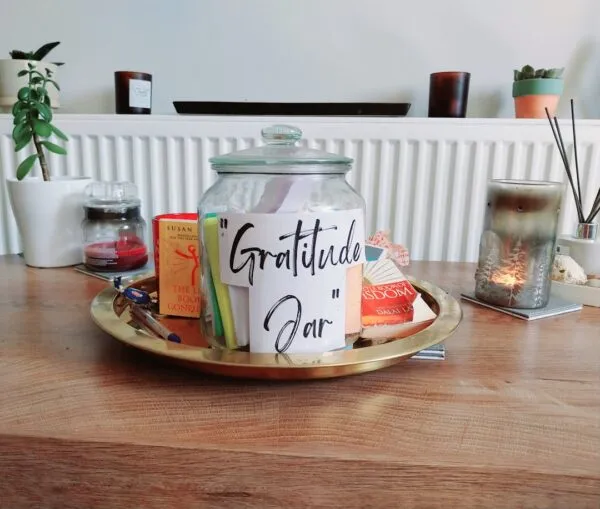
We often find ourselves caught in narratives, stories we tell ourselves about our lives, our capabilities, and our futures. These narratives are not static; they are dynamic, shaped by our experiences, our interpretations, and critically, by the lens through which we view the world. Gratitude, far from being a mere expression of politeness, acts as a powerful interpretive tool, capable of fundamentally altering the overarching story we construct for ourselves. It is an active process of rewiring our perception, nudging us away from a narrative of lack or struggle towards one of sufficiency and resilience.
Our internal monologue, the constant stream of thoughts and interpretations that accompany our experiences, forms the bedrock of our self-narrative. This narrative is not a one-time construction but an ongoing process of editing and revision.
The Influence of Negative Bias
The Role of Cognitive Schemas
The Unconscious Creation of Our Story
When we encounter events, our minds do not passively record them. Instead, they are filtered through pre-existing cognitive schemas – mental frameworks that help us organize information and make sense of the world. These schemas can be heavily influenced by past experiences, cultural conditioning, and even our innate psychological predispositions. If our schemas are predominantly negative, they will tend to interpret new information in a way that reinforces a pessimistic outlook. For instance, a person with a schema of "failure is inevitable" might interpret a minor setback at work not as a learning opportunity, but as definitive proof of their inadequacy. This interpretation then feeds directly into the self-narrative, solidifying the idea that they are destined to fail.
In exploring the transformative power of gratitude, you might find it interesting to read about how incorporating stylish elements into your home can enhance your overall sense of well-being. The article titled "Baskets to Add a Stylish Touch to Your Home Decor" discusses how thoughtful decor choices can create a more inviting environment, which in turn can foster a mindset of appreciation and gratitude. You can check out the article here: Baskets to Add a Stylish Touch to Your Home Decor.
Gratitude as a Reframing Mechanism
At its core, gratitude is an act of deliberate reframing. It is the conscious decision to alter our interpretation of events, shifting our focus from what is missing or problematic to what is present and beneficial. This is not about denying reality or fabricating positivity where it does not exist, but about choosing to emphasize the elements that support a more constructive and empowering narrative.
The Act of Conscious Interpretation
When we practice gratitude, we are actively engaging in the process of interpretation. Instead of allowing circumstances to unilaterally dictate our emotional state, we introduce a new variable: our choice of how to perceive those circumstances. This empowers us, transforming us from passive recipients of life's events into active participants in shaping our internal experience. Consider a frustrating traffic jam. A common narrative might be, "This is a disaster; I'm going to be late and everything will be ruined." Through gratitude, we might reframe this: "This is frustrating, but I am grateful for the time to listen to a podcast I enjoy," or "I am grateful for my reliable car that gets me where I need to go, even if it's a bit slower today." This reframing doesn't negate the inconvenience, but it injects a note of appreciation, altering the emotional weight of the experience and, consequently, the story we tell ourselves about the day.
Challenging Automatic Negative Thoughts
The Power of a Shift in Focus
Gratitude exerts its influence by shifting our focus. Our attention is a finite resource, and what we choose to focus on expands. When we cultivate gratitude, we are consciously directing our attention towards the positive aspects of our lives. This is akin to adjusting a telescope; instead of lingering on the distant, blurry edges of hardship, we bring into sharp focus the clear, vibrant constellations of blessings. This does not imply ignorance of challenges, but rather a strategic allocation of mental energy towards reinforcing elements that foster well-being and a positive self-perception.
Personalized Responsibility and Perspective
The practice of gratitude is intrinsically linked to the recognition of our personal responsibility in shaping our perspective. We may not control the external events that befall us, but we possess a significant degree of control over how we interpret and respond to them. This realization is a crucial turning point.
The Control Over Our Reactions
Adopting an Agentic Stance
Adopting an agentic stance means viewing ourselves as agents of change in our own lives, rather than mere passengers. When we embrace personal responsibility for our reactions, we acknowledge that we have the power to steer our internal landscape. This is a departure from a victim-oriented narrative, where external forces are seen as solely responsible for our predicaments. Instead, we become the architects of our emotional responses, and through gratitude, we choose to build with bricks of appreciation. This active role in constructing our perspective is a fundamental shift, enabling us to narrate our lives not as a series of misfortunes, but as a journey where we have agency in how we navigate its twists and turns.
The Self-Fulfilling Prophecy of Optimism
When we consistently frame our experiences with gratitude and recognize our agency, we can inadvertently set in motion a self-fulfilling prophecy of optimism. By anticipating positive outcomes and appreciating positive elements, we are more likely to notice and seek out opportunities that align with this optimistic outlook. Conversely, a narrative steeped in negativity can lead us to overlook opportunities and focus on confirming evidence of our perceived doom, thus reinforcing the initial negative story.
Gratitude and the Revaluation of What Matters
A significant aspect of how gratitude shifts our self-narrative lies in its ability to alter our perception of what holds value in our lives. Often, we are conditioned to equate worth with external achievements, possessions, or societal markers of success, leading to a narrative of perpetual striving and dissatisfaction. Gratitude, however, prompts a revaluation, drawing our attention to intrinsic sources of contentment.
Shifting from Depletion to Appreciation
Consider the common narrative of feeling "depleted" – a sense of constant wanting, of never quite having enough. This narrative is often fueled by a focus on what we lack. Gratitude acts as an antidote to this depletion by redirecting our focus towards what we already possess. It is like a miner, accustomed to sifting through worthless rock, suddenly discovering a vein of precious ore. The ore was always there, but their attention was misdirected. Gratitude allows us to recognize, value, and appreciate the existing riches of our lives – be it relationships, health, opportunities, or simple everyday pleasures. This shift from a deficit-based perspective to an abundance-based one is profound, fundamentally changing the tone and content of our internal dialogue.
Recognizing Abundance in the Mundane
The Contribution of "Enough" to Contentment
Measuring Success by Appreciation, Not Acquisition
In exploring the transformative power of gratitude, it's fascinating to consider how our daily habits can also influence our well-being. For instance, a recent article discusses the effects of moderate wine consumption on health, shedding light on how such choices can complement a grateful mindset. You can read more about it in this insightful piece on what a glass of wine a day does to your body. By integrating gratitude into our lives, we not only shift the narrative we tell ourselves but also enhance our overall health and happiness. For more details, check out the article here.
Focusing on Controllable Factors
While life presents us with a multitude of circumstances beyond our direct control, gratitude empowers us to identify and concentrate our energy on the aspects that are within our influence. This strategic focus is crucial for cultivating a resilient and positive self-narrative.
Identifying the Sphere of Influence
Amplifying the Impact of Agency
When we practice gratitude, we are implicitly acknowledging our capacity for agency. We recognize that while we cannot dictate the weather, we can choose to appreciate the warmth of the sun when it shines, or the refreshment of the rain when it falls. This conscious decision to focus on what we can influence – our responses, our attitudes, our efforts – amplifies the impact of our agency. It is like a skilled gardener who, while unable to control the climate, meticulously cultivates the soil, selects the most resilient plants, and waters them judiciously. Their efforts, focused on controllable elements, lead to a flourishing garden, defying external challenges. This sustained focus on controllable factors, bolstered by gratitude for the progress made, builds a self-narrative of competence and perseverance.
The Role of Gratitude in Resilience Building
Gratitude plays a vital role in building resilience. When we encounter setbacks, a narrative of unyielding hardship can lead to despair. However, by habitually practicing gratitude, we train ourselves to look for the silver lining, the lessons learned, or the support received amidst adversity. This capacity to find flickers of appreciation even in difficult times allows us to bounce back more effectively, reinforcing a narrative of strength and adaptability rather than fragility. We learn to view challenges not as definitive endpoints, but as pauses in a larger story of growth and learning, a story that we are actively writing with the pen of our appreciation.
FAQs
What is the main idea behind how gratitude shifts the story you tell yourself?
Gratitude changes your internal narrative by helping you focus on positive aspects of your life, which can improve your overall mindset and emotional well-being.
How does practicing gratitude affect mental health?
Regularly practicing gratitude has been shown to reduce stress, increase happiness, and decrease symptoms of depression and anxiety by promoting a more optimistic outlook.
Can gratitude influence the way we perceive challenges or setbacks?
Yes, gratitude can help reframe challenges by encouraging you to recognize growth opportunities and positive elements even in difficult situations, leading to greater resilience.
What are some common ways to practice gratitude daily?
Common methods include keeping a gratitude journal, expressing thanks to others, reflecting on positive experiences, and mindful appreciation of everyday moments.
Is there scientific evidence supporting the benefits of gratitude?
Yes, numerous psychological studies have demonstrated that gratitude practices can enhance emotional well-being, improve relationships, and contribute to better physical health.