You are about to explore the intricate relationship between gratitude and trust. This article will outline how the systematic cultivation of gratitude can fortify trust, not only in interpersonal relationships but also in your perception of the world around you. We will examine the neurobiological underpinnings and empirical evidence supporting this connection, presenting a factual perspective grounded in scientific research.
Understanding how gratitude influences trust requires an examination of the brain's activity during appreciative states. Recent research has illuminated the neurological mechanisms at play, demonstrating a tangible link between the two.
Activation of Interpersonal Bonding Regions
When you experience and express gratitude, specific areas of your brain become active. These regions are integral to social cognition and connection.
- Medial Prefrontal Cortex (mPFC): This area is consistently implicated in self-referential processing, theory of mind, and the empathetic understanding of others' intentions. When you feel grateful, the mPFC shows increased activity, suggesting a heightened awareness of the benefactor’s role and a deeper processing of their positive actions toward you. This engagement is crucial for forming and maintaining social bonds, acting as a neural compass for navigating complex interpersonal dynamics. The activation here can be likened to a conductor orchestrating the symphony of social connection, ensuring that each note of appreciation resonates with the harmony of understanding.
- Temporoparietal Junction (TPJ): The TPJ plays a critical role in distinguishing between self and other, and in perspective-taking. Its activation during gratitude suggests an enhanced ability to understand the motivations and intentions behind beneficial actions, leading to a more nuanced appreciation. This region acts as a bridge, allowing you to step into another's shoes and comprehend their benevolent intent, thereby reinforcing your trust in their goodwill.
- Nucleus Accumbens: As a key component of the brain's reward system, the nucleus accumbens is associated with pleasure and motivation. Its activation during gratitude experiences suggests that expressing and receiving gratitude is intrinsically rewarding. This neural "gold detector" registers the value of positive social interactions, reinforcing behavior that promotes connection and reciprocity. This reward signal is essential for cementing trust, as it associates positive feelings with trusting behaviors.
Stress Response and Resilience
Gratitude has been shown to modulate your physiological stress responses, thereby creating an environment more conducive to trust. Chronic stress can erode trust by promoting threat detection and defensive behaviors.
- Reduction of Cortisol Levels: Studies indicate that regular gratitude practices are associated with lower levels of cortisol, the primary stress hormone. This reduction in physiological stress allows your brain to shift from a state of vigilance to a more relaxed and open disposition. Imagine a garden choked with weeds; stress is those weeds. Gratitude, in this metaphor, is the diligent gardener removing them, allowing the delicate flowers of trust to bloom unhindered.
- Enhancement of Parasympathetic Nervous System Activity: Gratitude appears to enhance the activity of the parasympathetic nervous system, responsible for the "rest and digest" response. This counteracts the "fight or flight" response governed by the sympathetic nervous system, leading to a greater sense of calm and safety. When your body is in a state of calm, your mind is more receptive to positive social cues and less likely to interpret ambiguous signals as threats, a critical component in fostering trust.
- Strengthening of Neural Pathways: The consistent practice of gratitude strengthens neural pathways associated with positive emotions and social bonding. This neural "exercise" makes it easier for you to access these positive states, even in challenging circumstances, thereby building resilience. A resilient mind is better equipped to interpret ambiguous social situations with benevolence rather than cynicism, directly contributing to an increased propensity for trust.
The Cognitive and Behavioral Manifestations of Gratitude
Beyond the immediate neurological effects, gratitude elicits observable changes in your cognition and behavior, which collectively contribute to the strengthening of trust.
Increased Prosocial Behavior and Generosity
The expression of gratitude is not merely an internal feeling; it is an interpersonal act that ripples through social networks.
- Inspiration of Generosity: When you express gratitude, it often inspires further generosity from the recipient of your appreciation. This creates a virtuous cycle where positive actions are acknowledged, encouraging their repetition. This dynamic demonstrates that gratitude acts as a social lubricant, reducing friction and facilitating cooperative exchanges. It signals to others that their efforts are valued, reinforcing their inclination to be helpful and trustworthy.
- Building Trust in Others: Research indicates that expressing gratitude not only strengthens the bond with the person you are thanking but also influences observers. Witnesses to expressions of gratitude tend to perceive both the giver and receiver as more trustworthy and benevolent. This phenomenon suggests that gratitude functions as a public signal of positive social intent, creating a halo effect that enhances trust across a broader social spectrum.
- Dopamine and Serotonin Release: The act of expressing gratitude—and witnessing it—is associated with the release of neurotransmitters like dopamine and serotonin. Dopamine, linked to pleasure and reward, reinforces prosocial behaviors. Serotonin, a mood stabilizer, contributes to feelings of well-being and social connection. This neurochemical reward system biases your brain towards valuing cooperative interactions, making trust a more desirable and attainable state.
Enhanced Emotional Regulation and Resilience
Gratitude cultivates specific cognitive habits that empower you to regulate your emotions more effectively, which is foundational for maintaining trust.
- Prefrontal Cortex Strengthening: Regular gratitude practices have been shown to strengthen the prefrontal cortex, a brain region crucial for executive functions including emotional regulation, decision-making, and impulse control. This strengthening equips you with better tools to manage negative emotions such as fear, anger, and anxiety, which can otherwise impede trust. A robust prefrontal cortex allows you to maintain an objective perspective, preventing emotional reactivity from clouding your judgment about the trustworthiness of others.
- Reduced Anxiety and Depression: Chronic anxiety and depression often lead to a sense of isolation and a generalized distrust of the world. Gratitude interventions have demonstrated efficacy in reducing symptoms of these conditions in both youth and adults. By mitigating these negative emotional states, gratitude allows you to approach social interactions with a more open and less apprehensive mindset, making you more willing to extend and receive trust.
- Lasting Brain Changes (Neuroplasticity): The consistent practice of gratitude, like any patterned behavior, induces neuroplasticity—the brain’s ability to reorganize itself by forming new neural connections throughout life. This means that gratitude isn't just a fleeting feeling; it can create lasting changes in your brain structure and function, hardwiring it for greater optimism, empathy, and, consequently, trust. It's akin to building a sturdy bridge where previously there was only a gap, facilitating easier and more frequent passage of trust.
Empirical Evidence: Trust Games and Real-World Outcomes
Numerous studies have provided empirical validation for the link between gratitude and trust, moving beyond anecdotal observations to concrete data.
Gratitude Journaling and Trust in Strangers
Classic research designs, such as trust games, have been instrumental in quantifying the impact of gratitude on trust.
- Increased Money Sent in Trust Games: In controlled experiments, participants engaged in a week of gratitude journaling exhibited significantly higher levels of trust in strangers. Specifically, these individuals were willing to send 70% of their allocated money to an anonymous recipient in a trust game, compared to 50% sent by control groups. This 20% increase in willingness to entrust resources to a stranger highlights a substantial shift in perceived trustworthiness, directly linked to the gratitude intervention. This suggests that gratitude primes you to view others as more benevolent and less threatening, even in scenarios involving financial risk.
- Correlation with Positive Emotions: The enhanced trust observed in these studies was directly correlated with higher levels of positive emotions reported by the participants. This correlation indicates that the subjective experience of gratitude translates into an objective shift in behavior, mediating trust through an uplifted emotional state. The more positive you feel, the more likely you are to extend trust, creating a self-reinforcing loop of well-being and social connection.
Long-Term Health and Relational Benefits
The benefits of gratitude extend beyond immediate behavioral shifts, manifesting in profound long-term health and relational advantages.
- Reduced All-Cause and Cardiovascular Mortality: A substantial Harvard study (2026) involving 49,000 nurses revealed that higher levels of gratitude were associated with a 9% lower all-cause mortality and a 15% reduced risk of cardiovascular death. These health outcomes are hypothesized to be mediated by the physiological benefits of gratitude, specifically lower stress levels and improved inflammation regulation. A body less burdened by stress and inflammation is better equipped to sustain healthy social connections, which are intrinsically linked to trust. When you are healthier, you are more likely to engage positively with your environment and others, fostering a cycle of wellness and trust.
- Strengthened Relationships and Community Ties: Group gratitude interventions have been shown to outperform individual practices in terms of fostering trust and improving relationships. In mentoring programs, for instance, collective gratitude exercises led to stronger mentee-mentor bonds and community-wide positive effects. This suggests that gratitude acts as a social glue, binding individuals together in shared appreciation and reinforcing the perception of mutual support and trustworthiness within a group. The communal experience of gratitude amplifies its individual benefits, creating a stronger fabric of social cohesion.
Practical Applications for Fostering Trust Through Gratitude
Given the compelling evidence, how can you practically integrate gratitude into your life to bolster trust?
Cultivating Personal Gratitude Practices
Individual practices form the bedrock upon which collective trust is built.
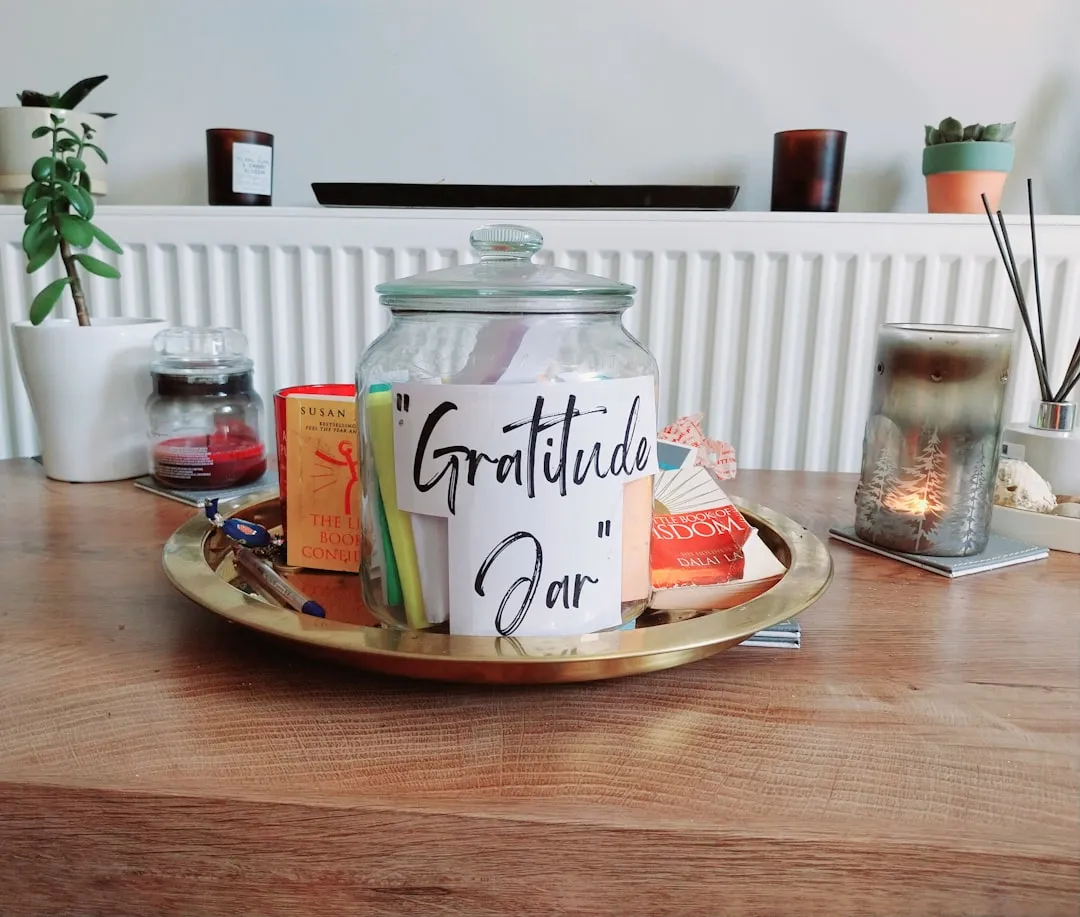
- Gratitude Journaling: As demonstrated by the trust game studies, even a week of consistent journaling can significantly impact your propensity to trust. Dedicate a few minutes each day to writing down specific things you are grateful for. Be particular; instead of "I'm grateful for my family," consider "I'm grateful for my sister's helpful advice on that work project." This specificity enhances the emotional resonance and reinforces the positive neural pathways.
- Mindful Appreciation: Beyond writing, practice mindful appreciation. When someone does something kind for you, pause and truly acknowledge the act and its impact. This could be as simple as a colleague holding a door or a friend listening patiently. This intentional recognition helps to internalize the feeling of gratitude, reducing your tendency to take positive interactions for granted.
- Verbal Expressions of Thanks: Make it a point to genuinely thank people. Beyond a perfunctory "thanks," explain why you are grateful. "Thank you for your help with the report; it really alleviated my stress" is more impactful than a simple "Thanks for your help." This clarity communicates value, reinforces prosocial behavior in others, and strengthens your interpersonal bonds.
Engaging in Group Gratitude Initiatives
While individual practices are vital, collective gratitude amplifies its benefits, particularly in building community trust.
- Shared Gratitude Activities: In professional or community settings, initiate activities that encourage shared expressions of gratitude. This could be a "gratitude board" where individuals post notes of appreciation for colleagues, or dedicated time in meetings for acknowledging contributions. Such collective practices reinforce a culture of mutual respect and appreciation, contributing to a more trusting environment.
- Mentoring Program Integration: If you are involved in mentoring, integrate gratitude components. Encourage mentors and mentees to regularly express appreciation for each other's efforts and insights. This not only strengthens the individual mentoring relationship but also models positive social interactions for the broader community, demonstrating the power of gratitude in fostering trustworthy connections.
- Community-Wide Recognition: Advocate for community-wide recognition programs that highlight individuals or groups who make positive contributions. Public acknowledgment of altruistic acts can inspire others and strengthen a collective sense of trust and cooperation within the community. This broadens the "halo effect" of gratitude, creating a more cohesive and reciprocally trusting social fabric.
By systematically applying these principles, you will observe a measurable increase in your capacity for trust, both in individual relationships and in your broader engagement with the world. The cultivation of gratitude is not merely a feel-good exercise; it is a foundational pillar for robust trust, underpinned by consistent scientific evidence.
FAQs
What is the relationship between gratitude and trust?
Gratitude fosters positive feelings and appreciation, which can enhance trust by creating a sense of reliability and mutual respect in relationships.
How does practicing gratitude impact personal relationships?
Practicing gratitude can improve communication, increase empathy, and strengthen emotional bonds, all of which contribute to building and maintaining trust in personal relationships.
Can gratitude influence trust in professional settings?
Yes, expressing gratitude in professional environments can promote a positive work culture, encourage collaboration, and build trust among colleagues and leaders.
What are some ways to cultivate gratitude to strengthen trust?
Regularly acknowledging and appreciating others' efforts, keeping a gratitude journal, and expressing thanks sincerely are effective ways to cultivate gratitude and thereby strengthen trust.
Is there scientific evidence supporting the link between gratitude and trust?
Research in psychology indicates that gratitude is associated with increased prosocial behavior and stronger interpersonal bonds, which are key components in developing and sustaining trust.