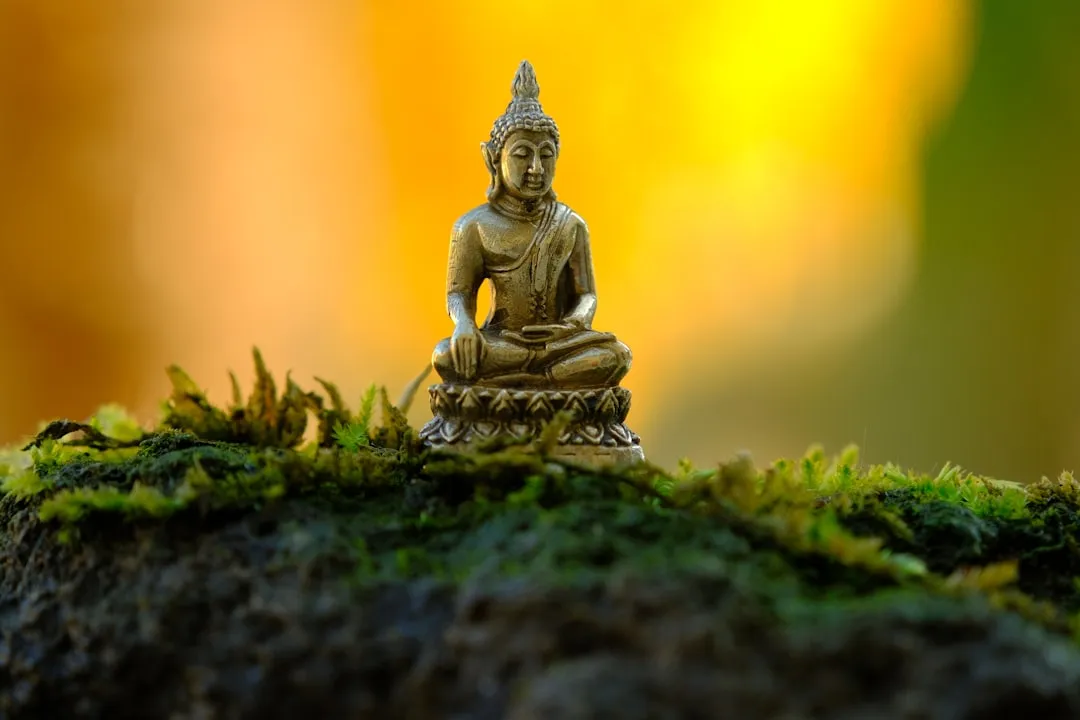
We understand the increasing prevalence of modern stressors within our lives. Consequently, the pursuit of mental well-being has become a significant focus. This article aims to explore the complementary practices of mindfulness and gratitude, detailing their mechanisms and providing actionable strategies for their integration into daily routines. Our objective is to present a factual overview, akin to an introductory treatise, on how these practices contribute to a more positive outlook.
We begin by defining our terms, for clarity is the bedrock of comprehension. Mindfulness, in our context, refers to the practice of maintaining a moment-by-moment awareness of our thoughts, feelings, bodily sensations, and surrounding environment, all without judgment. Gratitude, conversely, is the acknowledgment and appreciation of the beneficial things received, whether tangible or intangible. These are not merely abstract concepts; their impact is demonstrably quantifiable.
Mindfulness: Anchoring Ourselves in the Present
Our minds, by their very nature, are often predisposed to wander—to revisit past events or project into future uncertainties. This mental oscillation, while sometimes useful for planning or reflection, can also become a source of distress. Mindfulness offers an antidote, a way to anchor ourselves in the current moment. We effectively become observers of our internal and external landscapes, rather than being swept away by their currents.
Gratitude: Shifting Our Perceptual Lens
Gratitude acts as a powerful recalibrator of our perception. It trains us to deliberately seek out and acknowledge the positive aspects of our existence, even amidst challenges. This is not to say we ignore difficulties; rather, we cultivate an awareness that even in adversity, elements of benefit or learning frequently exist. It is akin to illuminating certain parts of a complex tapestry, allowing their intricate beauty to become apparent.
Practicing mindfulness and gratitude can significantly enhance our overall well-being, and understanding the impact of our daily habits is essential in this journey. For instance, the article "What a Glass of Wine a Day Does to Your Body" explores how moderation in alcohol consumption can affect our health and mindset. By being mindful of our choices and expressing gratitude for the positive aspects of our lives, we can cultivate a more balanced and fulfilling existence. To read more about this topic, visit the article here: What a Glass of Wine a Day Does to Your Body.
The Neurological Blueprint: How Our Brains Adapt
Our understanding of the brain has advanced significantly, allowing us to move beyond mere anecdotal evidence and observe the tangible effects of these practices. We are no longer simply "feeling better"; our brains are undergoing demonstrable structural and functional changes.
Rewiring for Resilience
The human brain possesses remarkable neuroplasticity, its ability to reorganize itself by forming new neural connections throughout life. Gratitude, in particular, leverages this capacity. We observe that regular gratitude practice actively rewires neural pathways, particularly within the prefrontal cortex. This region, crucial for emotional regulation, decision-making, and social behavior, becomes more adept at processing positive stimuli and mitigating the impact of negative ones. This neurological restructuring contributes to long-term resilience, enabling us to navigate stressful situations with greater equilibrium.
Shifting the Emotional Baseline
Consider your "baseline emotional state" as the default setting of your emotional thermostat. For many, this default can lean towards anxiety or dissatisfaction. Consistent engagement with gratitude, however, actively shifts this baseline. By consciously directing our attention to positive experiences and expressing appreciation, we essentially train our brains to anticipate and register joy and contentment more readily. This is not a fleeting emotional high, but a gradual, sustained recalibration of our internal emotional compass, orienting us more consistently towards well-being. The impact is significant: positive psychology research indicates that gratitude can increase positive emotions by 25-30%.
Mindfulness and Brain Structure
It is important to acknowledge that mindfulness, too, leaves its indelible mark on our brains. Research indicates that mindfulness practice creates measurable changes in brain regions associated with memory, emotion, and learning. This can manifest as enhanced cognitive flexibility, improved emotional regulation, and even structural alterations that support greater attentional control. We are, in essence, sculpting our mental architecture through conscious effort.
Tangible Benefits: Beyond the Mental Realm
The influence of mindfulness and gratitude extends far beyond the confines of our subjective experience. We observe concrete improvements in both physical health and interpersonal relationships, demonstrating their holistic impact.
Physical Health Improvements
Our physical and mental states are inextricably linked, a truth supported by mounting evidence. We see that individuals who consistently practice gratitude experience an array of physical health improvements. These include better sleep quality, a reduction in blood pressure, and even fewer reported physical pains. One notable study illustrated that dedicating just 15 minutes before sleep to documenting things one is grateful for significantly reduced sleep latency (the time it takes to fall asleep) and enhanced sleep depth. This suggests that gratitude acts as a potent de-stressor, preparing the body for restorative rest. The reduction in physiological markers of stress, such as lower blood pressure, further underscores its prophylactic potential against chronic disease.
Strengthening Social Bonds
Humans are inherently social creatures; our well-being is deeply intertwined with our connections to others. Gratitude serves as a powerful lubricant for social interactions, fostering stronger, more resilient relationships. When we express gratitude, we not only acknowledge the positive actions of others but also reinforce their pro-social behaviors. This reciprocity builds trust, deepens intimacy, and strengthens the fabric of our social networks. We observe a correlation between higher levels of gratitude and increased perceived social support, which in turn reduces stress during significant life transitions. In essence, gratitude transforms us from isolated individuals into more connected, mutually supportive members of our communities.
Practical Integration: Cultivating a Positive Outlook
The theoretical understanding of mindfulness and gratitude is merely the first step. The true transformation lies in their consistent application. We offer practical strategies, emphasizing their accessibility and adaptability for daily life.
Daily Gratitude Practices
We encourage the adoption of simple, yet profound, gratitude rituals. One highly effective method is the "three things" exercise: each day, dedicate time to writing down three specific things for which you are grateful. These need not be grand gestures; they can be as simple as a warm cup of coffee, a pleasant conversation, or a moment of sunshine. This consistent identification of positive elements actively builds positive neural pathways, reinforcing the brain's natural inclination towards appreciation. Another beneficial practice involves initiating your day with gratitude. Before even rising from bed, consciously identify one thing you are grateful for. This simple act can establish a calm, centered baseline for the day, setting a positive emotional tone.
Mindful Engagement Strategies
Mindfulness, too, can be integrated into our daily routines without requiring extensive dedicated meditation sessions. We advocate for the use of the S.M.A.R.T. framework (Specific, Measurable, Achievable, Relevant, Time-bound) for setting mindfulness goals. For example, instead of a vague desire to "be more mindful," we might set a goal like: "Meditate for 10 minutes every morning using a guided app." This specificity enhances adherence. Another compelling practice is mindful listening. In our increasingly distracted world, truly listening without interruption or the formulation of a response is a rare and valuable skill. By putting away distractions and dedicating our full attention during conversations, we not only practice mindfulness but also profoundly strengthen our interpersonal connections.
In exploring the profound connection between mindfulness and gratitude, one can find inspiration in various articles that delve into these themes. For instance, the article on the significance of embracing gratitude during challenging times highlights how a simple shift in perspective can enhance our overall well-being. You can read more about this transformative practice in the article titled "The Brown Winter Coat is the New Style Staple" which emphasizes the importance of appreciating the little things in life. This connection between mindfulness and gratitude can lead to a more fulfilling and joyful existence. To discover more, visit this insightful article.
The Journey Forward: Sustaining Our Practice
We understand that consistency is often the most challenging aspect of any new practice. Therefore, we emphasize the ongoing nature of cultivating a positive outlook through mindfulness and gratitude. These are not one-time solutions but continuous journeys.
Overcoming Obstacles
It is natural to encounter resistance or periods of lapse in adherence. When this occurs, we do not view it as failure, but as an opportunity for re-engagement. We encourage self-compassion and a gentle return to practice. The key is not perfection, but persistence. We acknowledge that life presents genuine difficulties, and during these times, the practices of mindfulness and gratitude become even more critical, acting as lifelines rather than luxuries.
Long-Term Benefits
The cumulative effect of these practices is significant. As we consistently engage with mindfulness and gratitude, we build a robust internal framework for well-being. Our capacity for emotional regulation improves, our resilience to stress increases, and our relationships deepen. We become more adept at navigating life's inevitable challenges, transforming them from insurmountable obstacles into opportunities for growth and deeper self-understanding. We are, in essence, investing in our long-term mental and emotional capital.
In conclusion, the symbiotic relationship between mindfulness and gratitude offers a powerful pathway to cultivating a more positive outlook. Our exploration has revealed their profound neurological impact, their tangible benefits to both physical and relational health, and practical, actionable strategies for their integration. We invite you, the reader, to embark on this journey, to experience firsthand the transformative power of a mind attuned to the present and a heart open to appreciation.
FAQs
What is mindfulness?
Mindfulness is the practice of being fully present and engaged in the current moment, aware of your thoughts, feelings, and surroundings without judgment. It often involves meditation and breathing exercises to enhance focus and reduce stress.
How does gratitude relate to mindfulness?
Gratitude complements mindfulness by encouraging individuals to recognize and appreciate the positive aspects of their lives. Practicing gratitude while being mindful can increase overall well-being and foster a more positive outlook.
What are the benefits of practicing mindfulness and gratitude together?
Combining mindfulness and gratitude can improve mental health by reducing stress, anxiety, and depression. It can also enhance emotional resilience, increase happiness, and promote better relationships by fostering empathy and appreciation.
How can I start practicing mindfulness and gratitude daily?
You can start by setting aside a few minutes each day for mindfulness meditation, focusing on your breath or sensations. Incorporate gratitude by reflecting on things you are thankful for, either mentally or by keeping a gratitude journal.
Are there any scientific studies supporting the effectiveness of mindfulness and gratitude?
Yes, numerous studies have shown that mindfulness and gratitude practices can positively impact mental and physical health. Research indicates they can lower cortisol levels, improve sleep quality, boost immune function, and enhance overall emotional well-being.