You are embarking on the profound and often challenging journey of parenthood, a role that demands both resilience and a nuanced understanding of human development. Within this journey lies a valuable aspiration: to cultivate children who possess a keen awareness of the positive aspects of their world. This is not about creating a Pollyanna-like disregard for difficulties, but rather about fostering a balanced perspective, one that acknowledges challenges while actively seeking and appreciating the good. This article will explore practical strategies and underlying principles to help you nurture this crucial trait in your children.
The initial spark for noticing the good often ignites with genuine curiosity. As parents, you are the primary architects of your child's early environment, and your own disposition towards inquiry can significantly influence theirs. This involves more than simply answering questions; it’s about modeling an inquisitive mindset that extends to discovering the valuable in everyday experiences.
The Power of "Why" and "How"
Encouraging your child to ask "why" and "how" is fundamental. When they inquire about the workings of things, the reasons behind events, or the nature of people, you have an opportunity to steer their focus. Instead of just providing a factual answer, consider expanding on the positive implications or underlying kindness. For instance, if a child asks why a neighbor helped carry groceries, you can explain, "They noticed someone might need a hand, and helping makes people feel good. It's like they're spreading a little sunshine." This subtle redirection frames an act of helpfulness as a positive contribution.
Observing the Natural World
The natural world is a rich tapestry of wonders, readily available for observation. Encourage your children to engage with their surroundings, whether it's a local park, a backyard garden, or even the patterns of clouds. Point out the intricate beauty of a flower, the industriousness of an ant, or the vastness of the sky. These observations, when framed with a sense of awe and appreciation, can build a sensory vocabulary for the good that exists beyond human interactions. Consider the quiet power of a sunset or the resilience of a plant pushing through concrete. These are natural metaphors for enduring and inherent value.
Exploring Communities and Connections
Exposure to diverse communities and the people within them can broaden a child's understanding of kindness and cooperation. Visiting local markets, attending community events, or even observing interactions in a public space can provide examples of people working together. Discuss the roles various individuals play and the positive impacts they have. This fosters an awareness of collective effort and the ripple effect of good deeds.
Setting Expectations: A Compass for Developmentally Appropriate Understanding
As you guide your children, setting appropriate expectations is akin to providing a reliable compass. It helps them navigate the complexities of social interaction and personal growth, allowing them to recognize positive behaviors and contributions within realistic parameters. This means understanding that children are inherently good, as some therapeutic approaches suggest, and that their actions stem from their developmental stage and emotional landscape.
Understanding the "Good Inside"
The concept that "kids are good inside" is a cornerstone of shame-free parenting and is vital for fostering a positive outlook. Your role is to help them access and express this inherent goodness. This means believing in their fundamental positive intentions, even when their behavior falters. When a child makes a mistake, instead of focusing solely on the negative action, you can inquire, "What were you hoping would happen?" or "How did that make you feel?" This approach unpacks the underlying motivation, which is often rooted in a desire for connection or understanding, rather than malice.
Realistic Progress, Not Perfection
Children are not miniature adults, and their capacity for understanding and action evolves over time. Setting expectations for their emotional regulation, social skills, and ethical behavior must be developmentally appropriate. Aiming for progress, not perfection, is crucial. Celebrate small victories in demonstrating empathy, sharing, or apologizing. These incremental achievements are the building blocks of a compassionate individual who can recognize the good in themselves and others.
The Importance of Repair
Mistakes are inevitable in the process of learning and growth. Instead of viewing them as failures, see them as opportunities for repair and learning, a concept emphasized in intentional parenting. When your child makes a mistake, guide them through the process of acknowledging their action, understanding its impact, and making amends. This could involve apologizing, helping to fix what was broken, or actively doing something to alleviate the negative consequence. This teaches them that even after missteps, positive action is possible and can restore balance and goodwill.
The Art of Listening: Amplifying the Melodies of Positivity
Listening is not merely a passive act of hearing; it is an active engagement that allows you to truly understand your child's perspective and to subtly guide their observations towards the positive. This is where the "Art of Raising Humans" podcast's emphasis on listening instead of lecturing finds its practical application. By creating an environment where your child feels heard, you create a space where they are more likely to share their discoveries, including those that highlight the good.
Beyond the Surface: Unpacking Experiences
When your child recounts an event, listen with genuine interest, leaning in metaphorically to absorb their narrative. Ask open-ended questions that encourage elaboration. Instead of a quick "That's nice," consider "What did you like most about that?" or "How did that make you feel?" This encourages them to delve deeper into their experience and articulate the positive elements that resonated with them. You are helping them to translate fleeting impressions into concrete appreciation.
Validating Feelings, Not Just Events
Noticing the good also involves acknowledging and validating the feelings associated with positive experiences. If a child expresses joy about a friend's kindness, affirm that joy. "It sounds like you felt really happy when Sarah shared her toy. That's a wonderful feeling, isn't it?" By validating their positive emotions, you reinforce the idea that these feelings are important and worth recognizing. This builds a positive emotional lexicon.
Steering Towards Solutions, Not Just Problems
When challenges arise, your listening can help shift the focus from dwelling on the negative to exploring potential solutions, which inherently involves seeking the good. If a child expresses frustration about not being picked for a game, listen to their disappointment. Then, gently inquire, "What could you do next time to feel more included?" or "Are there other friends you could play with who might be looking for someone?" This guides them towards finding positive avenues and agency, rather than succumbing to negativity.
Building Connection: The Unseen Architecture of Appreciation
Strong familial connection forms the bedrock upon which an appreciation for the good is built. This connection is cultivated through consistent effort, intentional time spent together, and a shared emotional landscape. It's about creating a sanctuary where positive reinforcement can flourish and where children feel secure enough to explore and share their discoveries. The podcast's focus on building connection to reduce power struggles is particularly relevant here.
Intentional Time and Shared Experiences
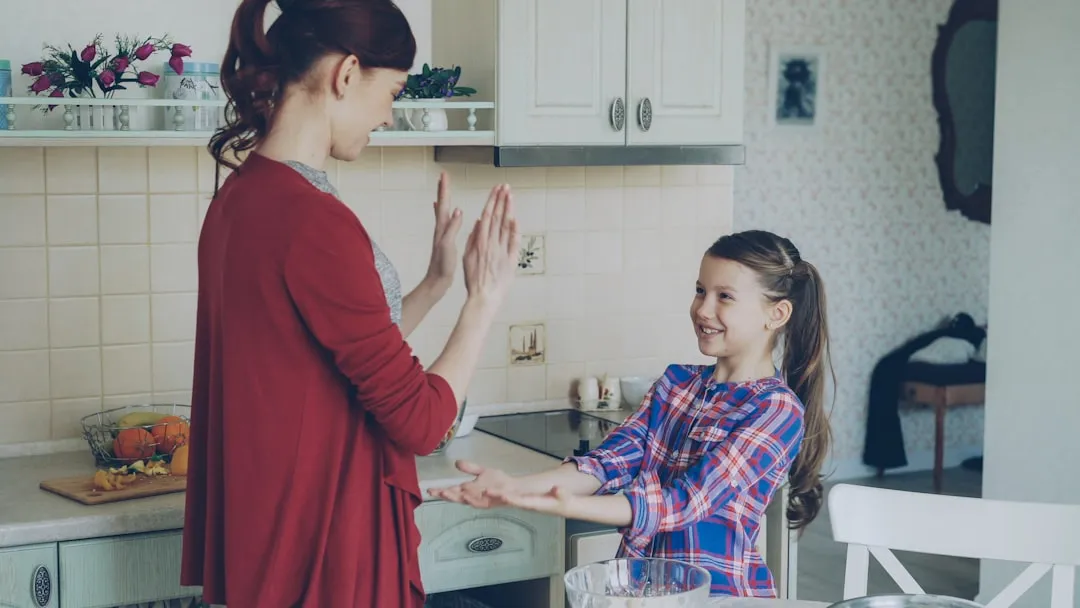
In today's busy world, intentional time spent with your children is a precious commodity. These moments, whether they are spent reading, playing, cooking, or simply talking, create opportunities for shared positive experiences. These shared memories become a repository of good, which children can draw upon. For instance, a shared laugh during a family picnic or the collaborative effort of building a fort can become powerful touchstones of positivity.
Celebrating Small Triumphs
Recognize and celebrate your child's achievements, no matter how small they may seem. This could be mastering a new skill, showing unexpected kindness, or exhibiting a moment of patience. Publicly acknowledging these positive behaviors, both within the family and, when appropriate, beyond, reinforces their value. This creates an environment where positive actions are seen, noticed, and appreciated, which then trains the child's own eye to seek out similar good.
Modeling Gratitude
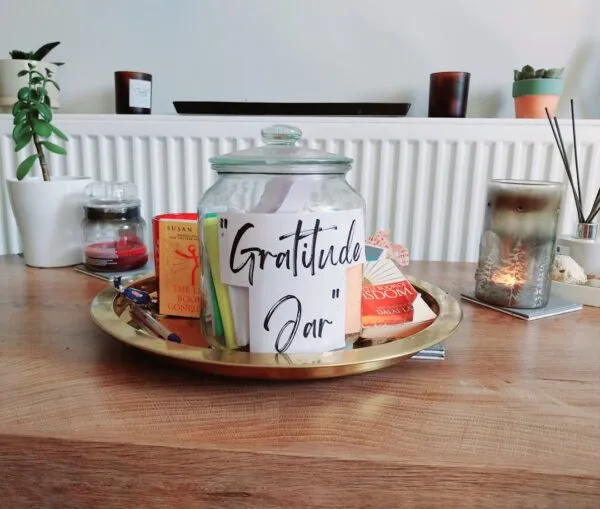
Your own expressions of gratitude serve as a powerful teaching tool. Regularly articulate what you are thankful for, both big and small. This could be during family meals, in casual conversations, or through written notes. "I'm so grateful for the delicious dinner we had tonight," or "I really appreciate you helping with the dishes without me asking." This models a mindset of appreciation, demonstrating to your children that acknowledging the good is a natural and enriching practice.
Fostering Emotional Intelligence: The Lens Through Which Goodness is Perceived
Emotional intelligence, the ability to understand and manage one's own emotions and to recognize and influence the emotions of others, is the lens through which children will perceive and process the good in their world. Providing them with tools to navigate their feelings is essential for their capacity to notice and appreciate positive experiences.
Naming and Understanding Feelings
Help your children develop a rich vocabulary for emotions. When they experience a strong feeling, help them name it accurately. "It sounds like you're feeling frustrated because the blocks fell down." Then, discuss what that feeling means and what might have caused it. This process of naming and understanding emotions provides them with a framework for processing their internal experiences and, in turn, for recognizing positive emotional states in others.
Developing Empathy
Empathy, the ability to understand and share the feelings of another, is directly linked to noticing the good in others. Encourage your child to consider how others might be feeling. When they witness an act of kindness, ask, "How do you think that made them feel?" or "What could you do to make them feel better if they were sad?" This cultivates a compassionate perspective, making them more attuned to the positive impact of their own actions and the actions of others.
Resilience as an Opportunity for Good
Resilience, the ability to bounce back from adversity, inherently involves finding the good even in challenging circumstances. When your child faces a setback, support them in processing the difficulty and then exploring the lessons learned or the strengths they discovered within themselves. This teaches them that even during tough times, there are often elements of courage, perseverance, or support from others that contribute to the overall narrative of good. As the "Art of Raising Humans" podcast suggests, repairing after mistakes is a key component of building this resilience and emotional health without punishment.
In conclusion, raising children who consistently notice the good is not a magical endowment, but a cultivated skill. It's a journey that begins with your own intentionality, your willingness to foster curiosity, set appropriate expectations, listen deeply, build strong connections, and equip them with emotional intelligence. By consistently modeling, guiding, and supporting these principles, you are not just raising children; you are nurturing individuals capable of navigating the world with a discerning eye, one that actively seeks and appreciates the myriad forms of good that enrich our lives.
FAQs
What does it mean to raise kids who notice the good?
Raising kids who notice the good involves teaching children to recognize and appreciate positive aspects in their environment, people, and experiences. It encourages mindfulness, gratitude, and a positive outlook on life.
Why is it important for children to notice the good?
Noticing the good helps children develop emotional resilience, improves their mental well-being, and fosters empathy. It can lead to increased happiness, better relationships, and a more optimistic approach to challenges.
How can parents encourage their children to notice the good?
Parents can encourage this by modeling positive behavior, expressing gratitude regularly, engaging in conversations about good experiences, and creating opportunities for children to reflect on positive moments in their day.
At what age can children start learning to notice the good?
Children can begin learning to notice the good from a very young age, even toddlers. Simple practices like pointing out positive things, expressing thanks, and sharing happy moments can be introduced early and adapted as the child grows.
Are there any activities that help kids develop the habit of noticing the good?
Yes, activities such as keeping a gratitude journal, sharing daily highlights during family meals, practicing mindfulness exercises, and engaging in acts of kindness can help children develop the habit of noticing and appreciating the good in their lives.