In a world that frequently demands your attention through a deluge of information and constant stimuli, cultivating a practice of gratitude can serve as a vital anchor. It is not merely an emotional state, but a cultivated perspective, a lens through which you can perceive the inherent value in your experiences and surroundings. This article outlines practical, accessible rituals designed to integrate gratitude seamlessly into your daily life, irrespective of your location or circumstances. These are not grand gestures requiring elaborate preparation; rather, they are subtle shifts in focus, achievable within moments.
The Morning Canvas: Painting Your Day with Appreciation
The initial moments of your day are akin to a blank canvas. The way you choose to apply the first strokes can significantly influence the composition that follows. Rather than immediately engaging with external demands, consider dedicating a brief period to internal reflection.
Acknowledging a Foundation of Simple Positivity
As Judy Wilkins-Smith meticulously outlines in her 2026 Gratitude Practice recommendations, commence your day by identifying a singular, uncomplicated aspect for which you are grateful. This initial acknowledgment need not be profound or complex. It could be the warmth of your bed, the stillness of the early morning, or the mere sensation of awakeness. This deliberate commencement repositions your focus from potential anxieties to established positives.
Recalling a Daily Imprint of Goodness
Following this initial step, direct your mental faculties to revisit a positive event from the preceding day. This is an exercise in selective memory, consciously retrieving an instance where something went well, where you experienced a moment of enjoyment, or where a challenge was overcome. This retrospective practice reinforces the notion that your days, despite any difficulties, contain discernible elements of goodness.
Honoring a Beneficiary of Your Appreciation
The final component of this morning ritual involves identifying a person for whom you are thankful. This can be anyone who has positively impacted your life, whether directly or indirectly. It may be a family member, a colleague, a friend, or even a public figure whose work resonates with you. Acknowledging their presence and contribution, even silently, fosters a sense of connection and appreciation for the human tapestry around you.
Integrating Gratitude into Your Daily Rhythms: Seamless Micro-Practices
Gratitude need not be confined to dedicated, isolated practice sessions. It can, and perhaps should, be interwoven into the very fabric of your daily routines, transforming mundane activities into opportunities for mindful appreciation.
The Power of Pre-Meal Reflection
Before you consume a meal, regardless of its complexity or simplicity, pause. This moment offers a potent opportunity for a gratitude ritual. As suggested in pre-meal ritual advisories for 2026, this integration can encompass more than just gratitude; it can also include breathwork or the consumption of a beneficial beverage like lemon water.
Acknowledging Nourishment and its Source
Consider the journey of the food on your plate. From the soil it grew in, the hands that cultivated it, to the process of its preparation, each stage represents a contribution. A moment of silent acknowledgment for this sustenance and the efforts involved can elevate the act of eating beyond mere consumption to a conscious appreciation. This fosters a connection to the broader ecosystem of provision.
Mindful Consumption and Body Nourishment
Beyond the source of the food, extend your gratitude to your own body for its ability to receive and process this nourishment. This micro-practice reinforces a positive relationship with your physical self and promotes mindful eating, potentially enhancing digestion and overall well-being.
Gratitude within Transit and Transition
Your daily movements, whether commuting, walking between appointments, or simply moving from one room to another, are often moments of autopilot. These periods, frequently devoid of conscious engagement, are fertile ground for integrating small acts of appreciation.
Walking with Aware Appreciation
As highlighted in contemporary gratitude practices, gratitude walks involve a deliberate process of reflection while in motion. As you move, observe your surroundings with a heightened sense of awareness. Notice the textures of the pavement, the hues of the sky, the sound of birdsong, or the architecture of buildings. Each observation can be a prompt for a fleeting thought of gratitude, acknowledging the sensory richness of your environment. This transforms a functional act into a moving meditation.
The Journey of Your Commute
Instead of viewing your commute as an unavoidable chore, consider it an opportunity. Observe the infrastructure that facilitates your travel, the safety measures in place, or the sheer ingenuity involved in modern transportation. Express silent gratitude for the convenience, the efficiency, or the human effort that enables your journey. This reframing can ameliorate the potential stress often associated with commuting.
Infusing Nature into Your Conscious Awareness
The natural world, often a backdrop to our lives, holds an inexhaustible reservoir of beauty and wonder. Integrating gratitude for nature into your routines can provide a consistent source of positive affirmation.
Observing the Elemental Grandeur
Whether you have access to a vast natural landscape or merely a potted plant on your windowsill, take a moment to acknowledge its presence. The resilience of flora, the ever-changing sky, the warmth of the sun, or the refreshing sensation of rain – these elemental forces are constant reminders of the intricate balance and profound beauty of the planet. Even a brief glance out of a window can serve as a catalyst for this appreciation.
The Cycle of Life
Reflect on the cyclical nature of the natural world: growth, decay, and regeneration. This understanding can provide perspective on your own experiences, fostering gratitude for the ongoing processes of life and renewal.
The Evening Reflection: Consolidating Your Daily Blessings
As the day draws to a close, and before you transition into sleep, dedicated reflection can solidify the gratitude you've cultivated throughout your waking hours. This practice acts as a mental 'download,' preserving the positive imprints of your day.
The Gratitude Journal: A Tangible Record of Appreciation
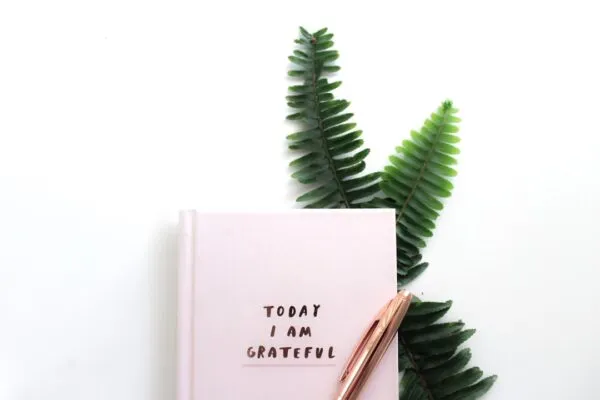
The practice of daily journaling, specifically focusing on gratitude, is a widely recommended and highly effective method. As advised in current gratitude practices, aim to list three to five specific items for which you are grateful.
Specificity as a Catalyst for Deeper Appreciation
The key here is specificity. Rather than a vague "I'm grateful for my family," consider "I'm grateful for the laughter shared with my sister over coffee today." This level of detail allows you to re-experience the positive emotion and solidifies the memory. The act of writing itself engages a different cognitive pathway, reinforcing the gratitude.
The Cumulative Effect of the Gratitude Jar
Another tangible method, similar to journaling, is the gratitude jar. At the end of each day, write down at least three positive experiences or things you are grateful for on small slips of paper and place them in a designated jar. Over time, this jar becomes a physical repository of your blessings. During moments of difficulty or when you need a boost of perspective, you can revisit these notes, drawing strength and encouragement from a tangible collection of your past appreciations. This acts as a powerful counter-narrative to negativity.
The Mental Recap: Playing Back Positive Moments
If physical journaling isn't feasible or preferred, a mental recap can be equally effective. Before falling asleep, mentally scroll through your day, actively seeking out and replaying positive events or moments of gratitude. This conscious review helps to consolidate positive memories and ends your day on a note of appreciative reflection, potentially influencing the quality of your sleep.
Beyond Structured Moments: Cultivating a Mindset of Gratitude
While specific rituals provide a framework, the ultimate goal is to cultivate a pervasive mindset of gratitude – to develop an internal "gratitude radar" that consistently scans for reasons to appreciate.
The Reset Moment: Savoring Non-Multitasking Time
In an era defined by multitasking, the concept of a "reset moment" focuses on savoring a singular activity without simultaneous demands. As featured in discussions around calm-inducing rituals, this involves dedicating your full attention to one simple act.
The Ritual of the Candle
Lighting a candle, for example, can become a profound reset moment. Observe the flickering flame, the gentle scent, and the warmth it emanates. This singular focus can momentarily halt the mental chatter and provide a brief, contained space for peace and appreciation for the simplicity of the moment. It symbolizes a pause, a brief illumination amidst the day's tasks.
The Act of Tidying as a Self-Reward
Transforming a seemingly mundane task, such as cleaning your desk, into a self-reward or an act of appreciation can be remarkably effective. Instead of viewing it as a chore, approach it with the intention of creating a more harmonious and organized space, for which you will then be grateful. The act itself becomes a mini-meditation, and the result, a clear workspace, an immediate source of quiet satisfaction. This demonstrates a mindful approach to self-care through environmental management.
Visualization: Experiencing Gratitude Internally
Visualization is a powerful cognitive tool that transcends physical location. As part of modern gratitude practices, you can employ it to deepen your sense of appreciation.
Immersive Mental Imagery
Find a quiet moment, close your eyes, and immerse yourself in a scenario for which you are grateful. For instance, if you are grateful for a loved one, visualize their face, their smile, and the feeling of warmth and connection they bring into your life. Engage all your senses in this mental reconstruction – what do you hear, see, feel? The more vivid and emotionally engaged your visualization, the more potent its impact. This creates an internal reservoir of positive affect.
Recalling Past Triumphs and Blessings
Alternatively, visualize past moments of triumph, success, or profound joy. Re-experience the emotions associated with these events. This form of visualization not only fosters gratitude for past blessings but also strengthens your belief in your capacity for future positive experiences. It acts as a mental highlight reel of your life's best moments.
Conclusion: The Enduring Echo of Appreciation
The integration of these simple gratitude rituals into your daily life is not an exercise in forced optimism, but rather a strategic cultivation of perspective. You are not denying difficulties when they arise; instead, you are consciously expanding your capacity to perceive and appreciate the abundant positives that coexist alongside them.
Each ritual, whether it is the morning acknowledgment of a simple positive, the pre-meal pause, the conscious observation during a walk, or the evening journaling, serves as a small, consistent brick in the foundation of a more appreciative and resilient outlook. You are not striving for constant elation, but for a steady undercurrent of grateful awareness. This deliberate practice allows you to become the architect of your own emotional landscape, shaping it with intention and enriching your experience of the world, wherever you may be. The enduring echo of consistent appreciation will resonate throughout your days, transforming the ordinary into opportunities for profound gratitude.
FAQs
What are simple gratitude rituals?
Simple gratitude rituals are easy and quick practices that help individuals focus on and appreciate the positive aspects of their lives. These rituals can be done anywhere and often involve reflecting on things one is thankful for.
Why is practicing gratitude important?
Practicing gratitude has been shown to improve mental well-being, increase happiness, reduce stress, and enhance overall life satisfaction. It helps shift focus from negative thoughts to positive experiences.
Can gratitude rituals be done anywhere?
Yes, many gratitude rituals are designed to be simple and portable, allowing individuals to practice them at home, work, during travel, or in any setting without special tools or preparation.
What are some examples of simple gratitude rituals?
Examples include mentally listing things you are thankful for, writing a quick gratitude note, expressing thanks to someone verbally or through a message, or taking a moment to reflect on positive experiences during daily activities.
How often should one practice gratitude rituals?
Gratitude rituals can be practiced daily or as often as desired. Consistency, such as incorporating them into a morning or evening routine, can enhance their benefits and help cultivate a lasting positive mindset.