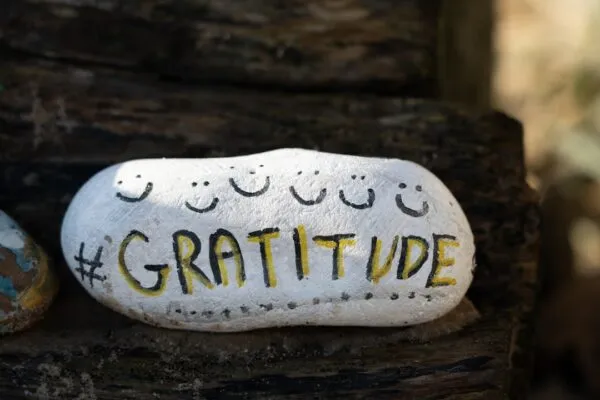
We often see children demand, expecting everything to be handed to them. As we grow, however, a subtle shift occurs, a recalibration of our internal compass. We begin to understand the invisible threads connecting us to others, to the very fabric of our circumstances. This shift, this deepening awareness, is where thankfulness truly begins to blossom, not as a fleeting emotion, but as a robust indicator of our coming-of-age. It’s not about Pollyannaish pronouncements or a forced smile over a bad situation. Instead, it’s a mature recognition of the intricate mechanics of life, both the smooth operations and the necessary friction.
We often consider maturity a destination, a point where we’ve “figured it all out.” But perhaps it’s more akin to laying down a solid foundation. For thankfulness to be a genuine marker of our growth, it must be built on something substantial, something that acknowledges the realities of existence. This isn’t about ignoring the difficulties; it's about seeing them, processing them, and still finding room for an accounting of what has been provided, what has been learned, and what continues to sustain us. Think of it as an architect understanding the load-bearing walls of a structure; they don’t just focus on the aesthetic facade, but on the fundamental elements that allow it to stand.
Understanding the Difference Between Genuine Gratitude and Superficial Positivity
There’s a common misconception that being thankful means forcing ourselves to be happy all the time, even when things are tough. This is what we might call "toxic positivity" – a veneer that often cracks under pressure. True thankfulness, on the other hand, exists in conversation with hardship. It doesn't pretend struggles don't exist; it acknowledges them, but it also sees the learning opportunities, the resilience built, and the quiet strengths that emerge from navigating those challenges. It's like accepting that a great forest is often born from a wildfire; the destruction is real, but so is the subsequent regrowth and the unique ecosystem that arises.
The Rewiring Effect: How Gratitude Shapes Our Neural Pathways
Recent scientific exploration has illuminated a profound truth: practicing thankfulness isn't just a nice idea; it actively reshapes our brains. This isn't metaphorical fluff; this is about tangible biological changes. When we consciously engage in gratitude, we are essentially engaging in a form of mental exercise that can lead to quantifiable improvements in our well-being. This doesn’t require a radical overhaul of our lives, but rather a consistent, deliberate engagement with the practice. It’s about understanding that our brains are not static entities, but rather dynamic systems capable of adaptation and growth, much like a muscle that strengthens with targeted training.
Statistical Impact on Depression and Anxiety
Consider the data: studies suggest that regular gratitude practices can reduce symptoms of depression and anxiety by as much as 35%. This isn't a minor tweak; it's a significant shift in our emotional landscape. This impact stems from the release of crucial neurotransmitters like dopamine and serotonin, which are intrinsically linked to mood regulation and feelings of pleasure and well-being. By actively cultivating thankfulness, we are, in essence, providing our brains with the chemical signals that promote a more balanced and resilient emotional state. It’s like providing a well-oiled machine with the right lubricants; it runs smoother, more efficiently, and with less wear and tear.
Building Resilience: The Inner Fortress of Thankfulness
Beyond mere mood elevation, thankfulness acts as a powerful bulwark against the inevitable stresses of life. When we acknowledge the resources, support systems, and adaptive capacities we already possess, we are better equipped to weather storms. This concept of "realistic gratitude" is crucial. It’s not about denying the difficulty of a situation, but about acknowledging the strengths within ourselves and the support networks that surround us, even when they are strained. This resilience is not an innate talent; it’s a cultivated capacity, and thankfulness is a key cultivator. Imagine a tree that has weathered countless winds; its roots have grown deeper, its trunk has strengthened, making it less susceptible to the next gale.
The Ripple Effect: Social Bonds and Academic Flourish
The benefits of thankfulness extend far beyond our individual psyche. They create tangible ripples outward, impacting our relationships and even our ability to learn and grow in academic settings. It’s a generative force, creating a positive feedback loop that nourishes both the giver and the receiver. This is where maturity truly shows its face – in the understanding that our individual well-being is intricately linked to our community and our contributions.
Strengthening Social Support Networks Through Appreciation
Life is rarely a solo expedition. We navigate its complexities with the help of others. When we express thankfulness, we don't just acknowledge their contributions; we actively strengthen the bonds that tie us together. Longitudinal studies indicate that during periods of significant life transitions, such as starting a new job or experiencing personal challenges, gratitude is associated with lower levels of stress and depression, and a higher perception of social support. This suggests that a grateful disposition doesn't just make us feel better; it makes us feel more connected and supported by those around us. It’s like tending to a garden; watering the plants diligently ensures a richer harvest and a more vibrant ecosystem.
Academic Performance: A Grateful Mind is a Growing Mind
The connection between thankfulness and academic success might seem indirect, but research points to a clear correlation. Students who practice gratitude often exhibit higher levels of motivation, improved focus, and better academic outcomes. This could be attributed to the reduced anxiety and stress that gratitude fosters, allowing for a clearer mind and a greater capacity for learning. When we are less burdened by worries and more appreciative of the opportunities we have, our ability to engage with educational material and perform at our best is significantly enhanced. It’s akin to clearing a cluttered workspace; the organized environment allows for greater productivity and focus on the task at hand.
Cultivating Gratitude: Practical Routines for Everyday Life
The year 2026, and indeed any year, can be a time for intentional growth. The scientific understanding of gratitude’s benefits isn’t just academic; it translates into practical strategies that we can integrate into our daily lives. These aren't grand gestures, but consistent, manageable habits that can yield profound results over time. It’s about recognizing that maturity isn't a sudden enlightenment, but a series of deliberate choices and practices that shape our character.
Daily Journaling: A Chronicle of Our Blessings
One of the most accessible and effective ways to cultivate thankfulness is through daily journaling. This isn't about writing an exhaustive autobiography each day, but about taking a few moments to reflect on the positive aspects of our experience. This could include acknowledging the small victories, recognizing the support we received, or simply noting something beautiful we observed. The act of writing down these experiences solidifies them in our minds and helps us to consciously shift our focus away from the negative. It’s like keeping a logbook during a long voyage; it helps us track our progress and appreciate the miles we’ve covered.
Acknowledging Struggles Alongside Gifts: The Compass of Realistic Gratitude
Maturity doesn't mean pretending hardships don't exist. In fact, a truly mature individual can acknowledge struggles while simultaneously recognizing the gifts they have. This might involve reflecting on a difficult situation and identifying the lessons learned, the resilient spirit that emerged, or the unexpected kindness that was shown during that time. This balanced perspective prevents gratitude from becoming a superficial exercise. It acknowledges the full spectrum of human experience, finding light even in the shadows. It's like an experienced sailor who understands that while storms are dangerous, they also reveal the strength of their vessel and the skill of their navigation.
"Act As If" for Attainment: Manifesting Success Through Gratitude
The concept of "acting as if" is a powerful psychological tool, and it gains an extra layer of potency when combined with gratitude. By acting as if we have already achieved our goals, and expressing thankfulness for that future success, we can shift our mindset and motivation towards making that reality. This isn't about delusion, but about projecting confidence and positively reinforcing our desired outcomes. When we approach our goals with a sense of gratitude for the journey ahead and the eventual achievement, we are more likely to experience the drive and focus needed to succeed. It’s like a chef who tastes the finished dish even as they are preparing it; the anticipation and appreciation fuel their dedication to the culinary process.
Advance Celebration: Motivating Future Success Through Present Appreciation
Similarly, the practice of "advance celebration" taps into the motivational power of gratitude. By celebrating our successes before they fully materialize, we create a sense of momentum and positive reinforcement. This doesn't mean abandoning hard work, but rather acknowledging the progress we've made and expressing gratitude for the future outcomes we are working towards. This forward-looking appreciation can amplify our motivation and help us push through challenges. It's like a runner who visualizes crossing the finish line and feels the elation of victory even as they are still pounding the pavement; that envisioned success fuels their effort.
The Broader Landscape: From Survival to Creativity
The impact of thankfulness extends beyond immediate problem-solving and social connections. It fundamentally alters our perspective, allowing us to transcend the basic instinct of survival and tap into our creative potential. It’s a shift from a reactive mode to a proactive, generative one, opening up new avenues for growth and fulfillment.
Shifting Mindset: From Survival to Creativity
When our primary focus is on survival, our attention is often narrowed, locked onto immediate threats and needs. Gratitude, however, acts as an expanding force. By acknowledging what we have, what has been provided, and what is working, we free up mental and emotional resources. This shift allows us to move beyond a reactive, crisis-driven mode and enter a more creative, expansive state of mind. It's like clearing a dense fog; the world suddenly appears larger, with new possibilities emerging into view.
Calming Fears and Fostering Mindfulness in a Chaotic World
The inherent uncertainties of life can be a breeding ground for anxiety and fear. Thankfulness acts as anantidote to this. By consciously appreciating the present moment and the resources at our disposal, we can effectively calm the reactive part of our brain that is constantly on alert. This cultivates a more mindful approach to life, allowing us to be more present and less consumed by anxieties about the past or future. It’s like finding a quiet harbor in a stormy sea; the waves are still there, but within the harbor, we find a measure of peace and stability.
Promoting Positive Emotions Without Denying Hardships
Crucially, thankfulness does not require us to deny or minimize the hardships we face. Mature gratitude integrates both the good and the bad. It allows us to experience positive emotions – joy, contentment, hope – without invalidating the reality of difficulties. This nuanced approach is far more sustainable and authentic than simple positivity. It’s the difference between a doctor who treats symptoms and a doctor who addresses the underlying condition; true healing acknowledges the illness while promoting wellness. It’s about acknowledging the scars from past battles while celebrating the strength gained and looking forward to future victories, not with naive optimism, but with a grounded appreciation for the journey.
FAQs
What does thankfulness as a sign of maturity mean?
Thankfulness as a sign of maturity means recognizing and appreciating the positive aspects of life and the efforts of others. It reflects emotional growth, self-awareness, and the ability to value what one has rather than focusing on what is lacking.
Why is thankfulness considered a mature trait?
Thankfulness is considered a mature trait because it demonstrates empathy, humility, and a balanced perspective. Mature individuals understand the importance of gratitude in building relationships and maintaining mental well-being.
How can practicing thankfulness contribute to personal growth?
Practicing thankfulness can contribute to personal growth by fostering a positive mindset, reducing stress, and enhancing emotional resilience. It encourages individuals to focus on their strengths and achievements, promoting a healthier outlook on life.
Can thankfulness improve relationships with others?
Yes, thankfulness can improve relationships by showing appreciation and respect for others' efforts and kindness. Expressing gratitude strengthens social bonds, increases trust, and encourages mutual support.
What are some ways to cultivate thankfulness as a sign of maturity?
Some ways to cultivate thankfulness include keeping a gratitude journal, regularly reflecting on positive experiences, expressing appreciation to others, and practicing mindfulness to stay present and aware of life's blessings.