Gratitude, often perceived as a fleeting sentiment, possesses a profound and subtle capacity to reshape our emotional landscape over extended periods. We may initially approach it as a simple acknowledgment of good fortune, a momentary pause to appreciate a pleasant experience. However, as we engage with gratitude more consistently and intentionally, we discover its transformative power, operating not like a sudden lightning strike, but rather like the slow, inexorable erosion of a mountain by a river, carving new, deeper channels within our emotional well-being. This quiet diligence, this consistent practice of noticing and valuing, fundamentally alters our perspective and, consequently, our moods.
Our default mode of perception often leans towards what is lacking. We are conditioned to identify problems, address shortcomings, and strive for what we deem missing. This focus on scarcity, while necessary for survival and progress, can inadvertently create a persistent undercurrent of dissatisfaction. Gratitude acts as an antidote to this inherent bias. By actively directing our attention towards what we possess, what we have experienced, and the positive aspects of our lives, we begin to fundamentally reframe our understanding of our circumstances. We shift from a lens of deficiency to one of abundance, a subtle yet powerful alteration that underpins long-term mood improvement.
Recalibrating Our Attention
Our minds are like sophisticated search engines, constantly scanning our environment for relevant information. When our primary search query is "what's wrong?" or "what's missing?", that is precisely what we find. Gratitude interventions, as supported by research, demonstrate a remarkable ability to redirect this internal search algorithm. Studies, such as the 2023 systematic review published in the Einstein Journal, indicate that gratitude interventions lead to a measurable increase in feelings of gratitude itself, by as much as 4%. This isn't merely about experiencing a temporary positive buzz; it's about developing a more ingrained habit of noticing the good. This gradual recalibration means that over time, we are simply better equipped to identify positive elements in our daily lives, even amidst challenges.
The Daily Practice of Noticing
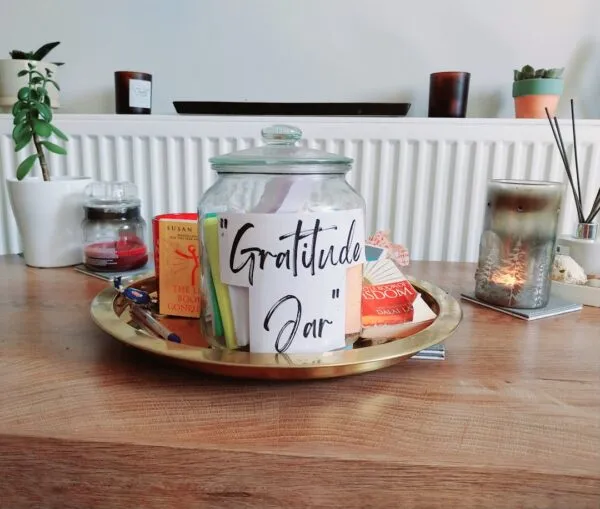
Consider the simple act of keeping a gratitude journal. This practice, highlighted in a 2019 Frontiers trial, showed significant boosts in positive affect, happiness, and life satisfaction, while concurrently reducing negative affect and depressive symptoms, particularly on an emotional level. The act of writing down what we are thankful for forces us to pause and actively search. It's akin to a gardener meticulously tending to their soil, weeding out the negative and enriching the earth with what nourishes growth. Over days, weeks, and months, this consistent cultivation creates a richer, more fertile ground for positive emotions to flourish.
The Law of Emotional Gravitation
Just as objects with greater mass exert a stronger gravitational pull, our dominant emotional states tend to attract similar emotions. If our internal environment is saturated with feelings of dissatisfaction and complaint, it becomes easier to fall into negative thought patterns. Conversely, as we cultivate gratitude, we imbue our emotional landscape with a positive gravitational force. This makes it more likely that positive experiences and feelings will be drawn to us, and that we will be more receptive to them when they arrive. The 2023 systematic review in Psychol Res Behav Manag points to a strong link between gratitude and life satisfaction, suggesting that gratitude can act as a crucial mediator in this process, making it easier for us to experience and sustain feelings of contentment.
In exploring the transformative effects of gratitude, a related article titled "The Black Old Bike Parked Beside White Wall" delves into the subtle yet profound ways that everyday moments can inspire a sense of appreciation and joy. This piece complements the insights found in "The Quiet Way Gratitude Changes Your Mood Over Time," as both highlight the importance of recognizing and valuing the simple aspects of life that contribute to our overall well-being. To read more about this perspective, you can visit the article here: The Black Old Bike Parked Beside White Wall.
The Amplification of Positive Affect: Building Emotional Resilience
Gratitude doesn't merely highlight existing positives; it actively amplifies them. When we feel a sense of gratitude for an experience, a relationship, or a personal quality, that positive emotion is magnified. This amplification is not a fleeting echo; it builds upon itself, creating a stronger, more enduring foundation of positivity. Over time, this accumulated positivity acts as a buffer against inevitable life stressors, enhancing our resilience.
The Cumulative Effect of Appreciation
Imagine a small flame. While it provides light and warmth, its impact is limited. Now, imagine a continuous stream of small sparks being added to that flame. Over time, these sparks, individually insignificant, can coalesce into a substantial fire. This is analogous to how gratitude works. The 2022 Frontiers study on a 6-week gratitude intervention revealed that gratitude as a mood gradually increases, with its mediating effects on mental well-being becoming more apparent at the 4-week mark, rather than the 2-week mark. This suggests a "dose-response" relationship, where longer, consistent practice is required for the full benefits to emerge. Each instance of gratitude, however small, contributes to a growing reservoir of positive affect.
From Fleeting Joy to Sustained Contentment
The distinction between fleeting joy and sustained contentment is crucial. Joy can be a transient state, triggered by specific, often external, events. Contentment, on the other hand, is a more enduring sense of peace and satisfaction with one's life. Gratitude is a powerful pathway to the latter. By consistently acknowledging the good, we train our minds to perceive our lives as containing more than enough, thereby fostering a deep-seated sense of ease and satisfaction that transcends momentary pleasures. The 2023 Einstein Journal review found significant increases in life satisfaction (6.86% higher) as a result of gratitude interventions, underscoring this transition from ephemeral happiness to a more grounded sense of well-being.
The "Snowball Effect" of Positivity
As our baseline mood becomes more positive due to consistent gratitude practices, we become more attuned to positive cues in our environment. This creates a positive feedback loop, a "snowball effect" of positivity. We notice more good things, which in turn fosters more gratitude, leading us to notice even more good things. This cycle isn't about ignoring negative aspects of life; rather, it's about developing a more balanced perspective where the positives are given due weight and attention. The 2019 Frontiers trial, which observed that gratitude journaling reduces negative affect and depression "especially emotionally," hints at this protective effect where a cultivated positive emotional state can better withstand the intrusion of negative experiences.
The Deepening of Social Connections: Gratitude as a Social Glue
Gratitude is not solely an intra-personal experience; it is inherently relational. Expressing gratitude to others strengthens our bonds, fosters a sense of reciprocity, and cultivates a more positive social environment. Over time, this enhanced social connection contributes significantly to our overall mood and sense of well-being.
Expressing Appreciation: The Ripple Effect
When we genuinely express thanks to another person, we not only make them feel valued, but we also reinforce our own positive feelings. This act of articulation solidifies the appreciation within us. The recipient, in turn, is likely to feel a sense of warmth and connection, which can lead them to be more grateful themselves, creating a ripple effect. This is more than just courtesy; it's an active maintenance of our social capital. Research, including the 2023 systematic review in Psychol Res Behav Manag, highlights that social support can mediate the link between gratitude and life satisfaction. This means that as gratitude strengthens our relationships, it indirectly boosts our happiness.
The Reciprocity of Kindness
The principle of reciprocity suggests that we are inclined to return favors and kindness. Gratitude operates on a similar principle. When we express gratitude, we not only acknowledge a benefit received but also implicitly signal our appreciation for the giver. This makes the giver more inclined to offer support and kindness again, fostering a cycle of mutual positive regard. Over time, this consistent exchange of appreciation and kindness can transform superficial acquaintances into deeper, more reliable friendships, a significant contributor to a stable and positive mood.
Cultivating a Supportive Network
A strong social network is a well-established predictor of good mental health and overall life satisfaction. Gratitude, with its inherent focus on acknowledging positive contributions from others, actively cultivates and strengthens these networks. By consistently appreciating the people in our lives, we signal that their presence and actions are valued. This can lead to increased investment in those relationships, both from ourselves and from them. The 2023 Einstein Journal review notes that gratitude interventions boost prosocial behavior, which naturally includes behaviors that nurture social connections, further cementing the link between gratitude and a supportive environment.
The Reframing of Challenges: Finding the Silver Lining
Life is seldom without its difficulties. How we perceive and respond to these challenges is a major determinant of our emotional state. Gratitude, practiced consistently, can fundamentally alter our ability to reframe setbacks, allowing us to extract lessons, growth, and even unexpected positives from adversity. This doesn't mean denying the pain or difficulty, but rather finding a broader perspective that encompasses the potential for learning and resilience.
The Lens of Opportunity
When faced with a difficult situation, our initial reaction might be one of frustration or despair. However, a habitual gratitude practice encourages us to ask, "What can I learn from this?" or "What good can come from this, however small?" This shift in perspective, from problem-focused to solution-and-growth-focused, is transformative. Imagine a dark cloud. While it obscures the sun, it also carries the potential for rain, which nourishes the earth. Gratitude helps us to see the rain within the cloud. The 2023 systematic review in Psychol Res Behav Manag points to "meaning in life" as a mediator for the link between gratitude and life satisfaction. This suggests that gratitude helps us find purpose and significance even in challenging periods.
The Post-Traumatic Growth Phenomenon
While not synonymous with gratitude, the concept of "post-traumatic growth" – the positive psychological change experienced as a result of adversity – shares common ground. Studies have indicated that individuals who report higher levels of gratitude often exhibit greater signs of post-traumatic growth. This suggests that gratitude might be a significant factor in facilitating the process of finding benefit and meaning following difficult experiences. This is not about minimizing suffering but about the capacity for human resilience and the ability to find growth even in the face of hardship.
Building Stoicism and Resilience
A consistent practice of gratitude can cultivate a form of emotional stoicism. It enables us to weather life's storms with greater equanimity. By regularly acknowledging what we have, we build an internal reservoir of resilience that can be drawn upon when difficulties arise. This isn't about becoming impervious to pain, but about possessing a more stable emotional core that is less susceptible to being completely overwhelmed by negative circumstances. The 2023 Einstein Journal review's finding of reduced anxiety and depression symptoms (6.89-7.76% lower) as a result of gratitude interventions directly supports this idea of building a stronger, more resilient emotional foundation.
In exploring the transformative effects of gratitude on our emotional well-being, one might also find interest in the article discussing the impact of moderate wine consumption on health. This piece highlights how a glass of wine a day can influence various aspects of physical and mental health, complementing the insights from "The Quiet Way Gratitude Changes Your Mood Over Time." By understanding both gratitude and mindful indulgence, we can cultivate a more balanced and fulfilling lifestyle. For more information, you can read the article here.
The Slow Unfolding: Long-Term Impact on Mental Health
The most profound impact of gratitude is not in isolated moments of joy, but in its slow, steady contribution to our long-term mental health. As we weave gratitude into the fabric of our daily lives, its effects become cumulative, creating a lasting positive shift in our overall well-being. This is where the "quiet way" truly reveals its power.
The Habit of Well-Being
Gratitude, when practiced consistently, evolves from a conscious effort to an ingrained habit. It becomes a default setting, akin to breathing. This habit of well-being means that positive emotions become more readily accessible, and negative emotions have less power to dominate our internal landscape. The 2022 Frontiers study's observation that gratitude as a mood gradually increases over a 6-week intervention, with its mediating effects on mental well-being becoming more apparent at 4 weeks, highlights this gradual, habit-forming nature. It's like training a muscle: consistent effort leads to sustained strength.
A Deeper Sense of Life Satisfaction
While immediate mood boosts are desirable, the ultimate testament to gratitude's efficacy lies in its impact on life satisfaction. The 2023 systematic review in the Einstein Journal reported a significant increase in life satisfaction (6.86% higher) attributed to gratitude interventions. This reflects a deeper, more pervasive sense of contentment that arises not from constant highs, but from a stable, appreciative perspective on one's life as a whole. It's the difference between enjoying a fleeting fireworks display and appreciating the steady warmth of the sun.
The Mitigation of Negative States
Perhaps one of the most compelling aspects of gratitude's long-term impact is its ability to mitigate negative emotional states, such as anxiety and depression. The substantial reduction in anxiety and depression symptoms (6.89-7.76% lower) reported in the 2023 Einstein Journal review is not a minor effect; it signifies a tangible improvement in mental health. This suggests that gratitude acts as a powerful protective factor, inoculating us against the more pervasive and debilitating aspects of mental distress. The 2023 review in Psychol Res Behav Manag also notes that while gratitude interventions may raise life satisfaction compared to neutral controls, the results are mixed when compared to positive controls, potentially due to placebo effects. This emphasizes the genuine internal alteration that gratitude can foster.
In conclusion, the power of gratitude lies not in its dramatic pronouncements, but in its quiet, persistent presence. By consistently redirecting our attention, amplifying positive experiences, fostering robust social connections, reframing challenges, and cultivating resilient mental states, gratitude acts as a slow, steady sculptor of our emotional well-being. It is a practice that, over time, transforms our internal landscape, making us more appreciative, more resilient, and ultimately, more content with the richness of our lives.
FAQs
What is the main idea behind how gratitude changes your mood over time?
Gratitude gradually improves mood by shifting focus from negative to positive experiences, fostering a more optimistic and content mindset over time.
How often should one practice gratitude to see mood improvements?
Regular practice, such as daily or several times a week, is recommended to experience noticeable and lasting improvements in mood.
What are some common methods to practice gratitude?
Common methods include keeping a gratitude journal, expressing thanks to others, and reflecting on positive aspects of daily life.
Can gratitude impact mental health beyond just mood?
Yes, consistent gratitude practice has been linked to reduced stress, lower symptoms of depression and anxiety, and overall enhanced psychological well-being.
Is the effect of gratitude on mood immediate or gradual?
The mood-enhancing effects of gratitude are typically gradual, building quietly over time with consistent practice rather than producing immediate changes.