You stand at the precipice of your potential, a intricate tapestry woven from ambitions, efforts, and the unseen currents that sculpt your journey. Among these currents, one of the most potent, yet often underestimated, is gratitude. It is not merely a pleasant sentiment but a strategic advantage, a scaffold upon which you can build enduring achievement. This article will delineate the multifaceted role gratitude plays in your personal and professional advancement, drawing upon contemporary research to illustrate its profound impact.
Your brain, a marvel of biological engineering, is profoundly influenced by your consistent thought patterns. Gratitude, far from being a fleeting emotion, instigates significant and lasting changes within your neural architecture.
Activation of Key Brain Regions
When you experience and express gratitude, specific areas of your brain become demonstrably more active. Research in neuroplasticity, as highlighted in a 2026 meta-analysis of 64 trials, reveals that gratitude robustly activates your prefrontal cortex. This region is the executive control center of your brain, responsible for complex cognitive behaviors such as decision-making, planning, and moderating social behavior. The enhanced activity in this area suggests that gratitude is not just a passive feeling but an active cognitive process that strengthens your capacity for rational thought and considered action.
Release of Neurotransmitters
Beyond regional activation, gratitude triggers the release of crucial neurotransmitters. Dopamine and serotonin, often associated with pleasure, motivation, and well-being, are among these. The consistent and deliberate practice of gratitude cultivates a steady supply of these neurochemicals, effectively "rewiring" your neural pathways for resilience. Think of it as creating well-worn grooves in your brain that facilitate positive emotional states and proactive responses to challenges. This neurochemical release contributes to a reduction in indicators of depression and anxiety, with some frameworks noting a remarkable 35% decrease when gratitude is integrated with goal-setting.
Impact on Stress Response and Resilience
The human body's stress response, while essential for survival, can be detrimental when chronic. Gratitude acts as a buffer against this chronic stress. By shifting your mindset from a deficit-oriented perspective to one of abundance and appreciation, you effectively lower the physiological indicators of stress. This includes a reduction in blood pressure, a strengthening of your immune system, and an overall improvement in your capacity to adapt to adversity. Your ability to navigate setbacks and bounce back from failures, a key component of personal achievement, is significantly bolstered by a grateful disposition. The constant engagement of positive neural pathways helps you perceive challenges not as insurmountable obstacles but as opportunities for growth, fostering a deeper sense of cognitive resilience.
Gratitude as a Catalyst for Goal Achievement
Your journey towards personal achievement is inherently linked to your ability to set and attain meaningful goals. Gratitude serves as a powerful accelerator in this process, influencing both your motivation and your methodology.
Enhancing Focus and Persistence
When you cultivate gratitude, you become more attuned to the progress you have already made and the resources you possess. This cultivated awareness prevents you from falling into the trap of constant dissatisfaction or feeling overwhelmed by the sheer scale of your ambitions. By regularly acknowledging what is working well and what you have accomplished, however small, you reduce the likelihood of goal abandonment. This internal reinforcement acts as a steady flame, keeping your motivation alight even when faced with difficulties. The combination of gratitude for past achievements with a forward-looking goal framework demonstrably boosts your overall achievement trajectory.
Fostering a Growth Mindset
A grateful perspective inherently promotes a growth mindset. Instead of viewing setbacks as personal failures, you are more likely to interpret them as learning opportunities. This is because gratitude encourages you to appreciate the journey, not just the destination. When you recognize the valuable lessons embedded within challenges and the support you received along the way, you develop a more robust and adaptable approach to your goals. The practice of gratitude shifts your mindset from a focus on potential negative outcomes to an appreciation of the inherent potential within every situation, fostering a proactive and creative approach to problem-solving. This fosters what researchers refer to as "buy-in" for your goals, ensuring internal commitment rather than superficial adherence.
Mitigating Procrastination and Inertia
The inertia often associated with beginning new endeavors or tackling challenging tasks can be significantly reduced by integrating gratitude. By taking a moment to acknowledge the opportunity, the resources available, or the potential benefits of taking action, you create a positive feedback loop that overrides the tendency to delay. This proactive engagement is a direct alternative to the conventional cycle of New Year's resolutions, which often falter due to a lack of intrinsic motivation. Instead, building intentions rooted in daily gratitude journaling strengthens your happiness and self-regulation, building cognitive resilience that acts as a powerful antidote to procrastination.
The Interplay of Gratitude and Leadership Effectiveness
Your capacity to lead, whether formally or informally, is inextricably linked to your emotional intelligence and your ability to inspire those around you. Gratitude plays a pivotal role in augmenting your leadership capabilities.
Improving Team Dynamics and Collaboration
In a team environment, your expression of gratitude can act as a powerful social glue. When you acknowledge the contributions of others, you validate their efforts, foster a sense of belonging, and build trust. This is particularly salient in the arena of leadership, where feedback loops and mutual respect are critical. Research indicates that by 2025, gratitude practiced by leaders significantly enhanced team interactions, improving cohesion and overall performance. Think of it as lubrication for the gears of collaboration – essential for smooth, efficient operation.
Building Resilience Under Stress
Leadership inevitably entails periods of high stress and demanding situations. Your ability to navigate these pressures not only impacts your own well-being but also sets the tone for your team. Leaders who cultivate gratitude demonstrate enhanced resilience and cognitive flexibility, even under immense pressure. They report better sleep patterns and a greater capacity to adapt, likely due to the neurochemical benefits previously discussed. This resilience is contagious; when you model a grateful and adaptable demeanor, you empower your team to adopt similar coping mechanisms. The one-minute gratitude practices identified as a research-backed tool for immediate leadership gains underscore the practical application of this principle.
Enhancing Decision-Making and Problem-Solving
A grateful mindset broadens your perspective. Instead of being fixated on what is missing or what could go wrong, you are more likely to identify opportunities and creative solutions. This shift from a stress-driven to a creativity-driven mindset is a crucial differentiator in effective leadership. By acknowledging existing strengths and resources, you approach challenges with a more expansive and less constrained viewpoint. This improved cognitive flexibility allows for more innovative problem-solving and better-informed decisions, as your brain is not solely occupied with threat assessment.
Cultivating Gratitude: Practical Applications for Achievement
Understanding the benefits is only the first step; actively integrating gratitude into your daily life is where its power truly manifests.
Daily Gratitude Practices
One of the most accessible and effective methods for cultivating gratitude is the daily practice of acknowledging things you are grateful for. This can take many forms:
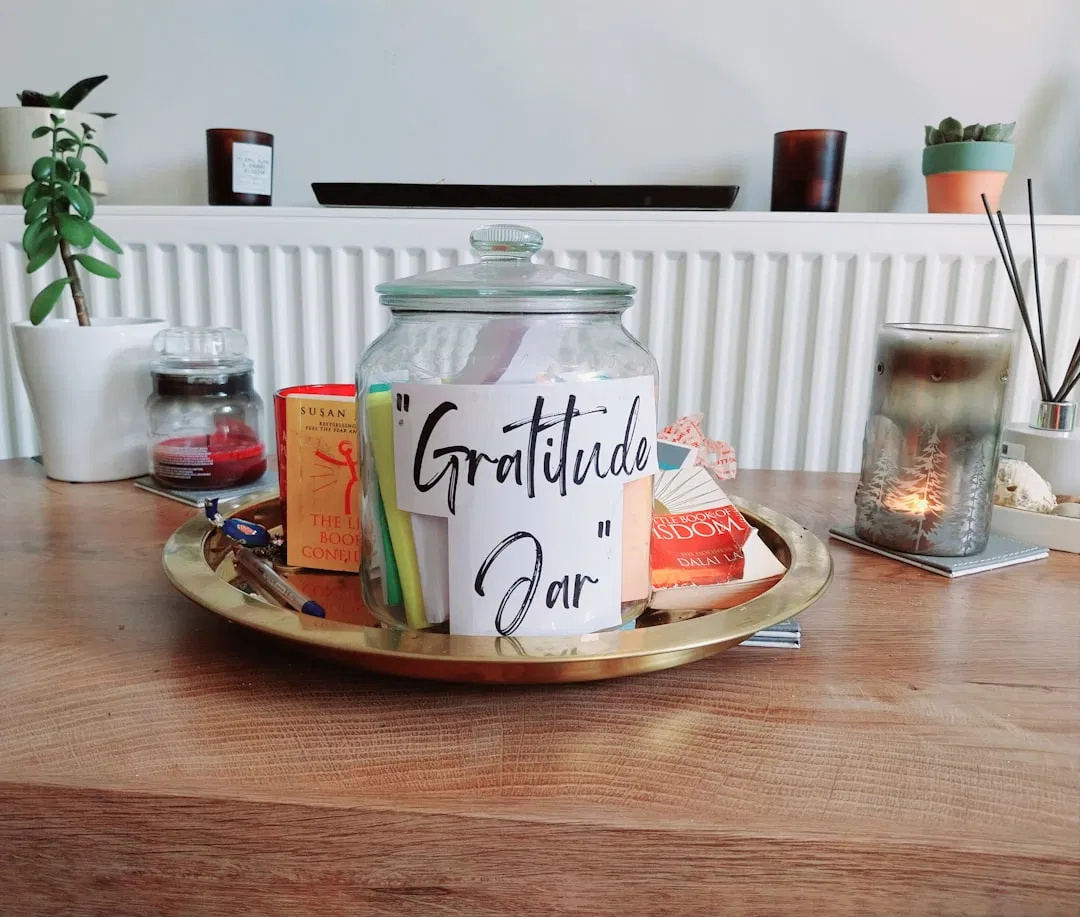
- Gratitude Journaling: Dedicate a few minutes each day to write down specific things you are grateful for. Be as detailed as possible. This deliberate act solidifies the positive neural pathways and enhances your awareness of the good in your life. This practice, often seen as a healthier alternative to traditional resolutions, demonstrably reduces stress and enhances happiness.
- Mental Checklist: Throughout your day, pause to mentally list things you appreciate. This could be as simple as a warm cup of coffee, a kind word from a colleague, or the sunlight streaming through a window. These small, consistent acknowledgments accumulate over time.
- Expressing Thanks Directly: Make it a habit to express your gratitude to others, whether in person, via email, or a handwritten note. This not only reinforces your own feelings of gratitude but also strengthens your relationships, creating a positive feedback loop.
Integrating Gratitude into Performance Frameworks
For optimal achievement, gratitude should not be an isolated practice but an integral part of your goal attainment framework.
- Monthly Gratitude Reviews: As part of your monthly goal review, dedicate a specific segment to reflecting on what you are grateful for from the preceding period. This includes successes, lessons learned, and the support you received. This ensures that past achievements and positive experiences are not overlooked but actively used to fuel future efforts.
- Immediate Gratitude Actions: Develop the habit of listing gratitudes immediately after completing a significant task or achieving a milestone. This instantaneous recognition solidifies the positive association between effort, achievement, and appreciation, making you more likely to pursue similar efforts in the future.
- Post-COVID Adaptations: The post-COVID era has highlighted the paramount importance of well-being. Practices such as the 5 ways to practice gratitude for positivity, mindfulness, and health improvement, gain particular salience in fostering individual and collective resilience in challenging times.
Avoiding Toxic Positivity: Authenticity in Gratitude
It is crucial to differentiate genuine gratitude from what is sometimes termed "toxic positivity." Real gratitude does not negate the existence of challenges, pain, or difficulty. Instead, it offers a lens through which to view these experiences, allowing you to find strength, learn lessons, and appreciate the resilience you discover within yourself.
Acknowledging Struggles while Maintaining Optimism
Authentic gratitude allows you to acknowledge your struggles without being consumed by them. You can be grateful for the lessons learned from a failure, while still feeling the sting of the setback. This nuanced perspective prevents you from falling into the trap of forced cheerfulness, which can be disingenuous and ultimately counterproductive. The aim is not to pretend difficulties do not exist, but to cultivate an inner compass that consistently points towards progress and opportunity, even amidst adversity.
The Role of Self-Compassion
Gratitude extends to oneself. Being grateful for your own efforts, your inherent strengths, and your capacity for growth is a vital component of personal achievement. Self-compassion, the ability to treat yourself with kindness and understanding, especially during times of difficulty, is closely intertwined with gratitude. When you are grateful for who you are and what you are capable of, you build a stronger foundation for sustained effort and lasting success. This prevents the internal critic from undermining your progress and allows for a more fluid and less self-punishing journey towards your goals.
In conclusion, gratitude is not a peripheral sentiment but a foundational pillar of personal achievement. It is a powerful neurological modulator, a potent motivator for goal attainment, and an essential attribute for effective leadership. By intentionally cultivating gratitude through consistent practices, you equip yourself with an invaluable tool—a self-sustaining engine that propels you towards your highest aspirations. The intricate dance between your aspirations and your appreciation for what is, and what can be, is where the most profound achievements are forged.
FAQs
What is gratitude and how is it defined in the context of personal achievement?
Gratitude is the quality of being thankful and showing appreciation for what one has. In the context of personal achievement, it involves recognizing and valuing the support, opportunities, and resources that contribute to one's success.
How does practicing gratitude influence motivation and goal-setting?
Practicing gratitude can enhance motivation by fostering a positive mindset, increasing resilience, and encouraging individuals to set and pursue meaningful goals. It helps maintain focus on progress and the benefits of effort, which supports sustained achievement.
Can gratitude improve mental health and thereby impact personal achievement?
Yes, gratitude is linked to improved mental health outcomes such as reduced stress, increased happiness, and better emotional regulation. These benefits create a supportive psychological environment that can enhance productivity and personal achievement.
What role does gratitude play in building relationships that support personal success?
Gratitude strengthens social bonds by promoting trust, cooperation, and mutual respect. Positive relationships provide emotional support, mentorship, and networking opportunities, all of which are important factors in achieving personal goals.
Are there practical ways to cultivate gratitude to enhance personal achievement?
Practical methods to cultivate gratitude include keeping a gratitude journal, regularly reflecting on positive experiences, expressing thanks to others, and practicing mindfulness. These habits can increase awareness of positive aspects in life, thereby supporting personal growth and achievement.