We embark on a journey to explore the practical application of "Tiny Habits for Happy Living," not as a fleeting trend, but as a sustainable framework for enriching our daily existence. The concept itself, a cornerstone of behavioral science, posits that significant life transformations can be achieved through the consistent implementation of minuscule, manageable actions. We are not speaking of Herculean efforts or overnight conversions, but rather the careful cultivation of small seeds that, over time, yield abundant harvests.
At its core, the philosophy of tiny habits is an antidote to the overwhelming nature of ambitious goals. We have all stood at the precipice of a New Year, armed with resolutions of such magnitude that they cast long shadows of impossibility. These resolutions, often akin to trying to build a skyscraper in a single afternoon, are frequently destined for dust. Tiny habits, conversely, function like the steady drip of water that eventually carves canyons. They are designed to be so small, so unthreatening, that resistance is minimized, and engagement is maximized.
Micro-Actions as Building Blocks
The fundamental principle is to break down desired behaviors into their absolute smallest components. Consider the resolution to exercise daily. This can feel daunting. A tiny habit approach might reframe this as: "After I brush my teeth, I will do two squats." The action is so trivial that it requires minimal willpower to execute. The key here is to attach the tiny habit to an existing, established routine, a concept known as "habit stacking." This leverages the momentum of our existing daily flow, making the integration of a new behavior feel natural and almost automatic.
The Power of Anchors
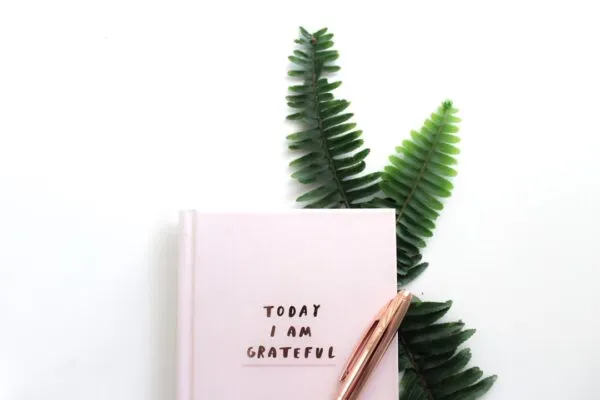
The "anchor" is the existing habit to which we attach the new, tiny habit. It is the established trigger. For instance, "After I pour my morning coffee, I will write down one thing I am grateful for." The act of pouring coffee is a regular, often unconscious, part of our morning. By linking a new, beneficial practice to it, we create a reliable cue for the new behavior. This is not arbitrary; it relies on the human brain's capacity for associative learning. We train our minds to associate the anchor with the desired action, gradually solidifying the new habit.
Overcoming Inertia
Inertia, both physical and mental, is a significant barrier to change. The sheer act of starting a new behavior can be the most challenging part. Tiny habits are designed to overcome this inertia by making the initial step nearly effortless. The goal is not immediate perfection or grand accomplishment, but consistent engagement. The satisfaction derived from completing even the smallest action can create a positive feedback loop, encouraging further repetition. This is the genesis of momentum.
The Minimum Viable Habit
We can think of this as the "minimum viable habit." What is the absolute smallest version of the behavior that still counts as doing something? For many, the idea of "drinking more water" might translate to a daunting list of 8 glasses. A tiny habit approach could be: "After I sit down at my desk, I will take one sip of water." This is achievable, repeatable, and serves as a stepping stone towards the larger goal. It is about demonstrating to ourselves that we are capable of initiating and completing the desired action, however small.
In exploring the concept of tiny habits for happiness, one can find inspiration in various articles that delve into the intersection of gratitude and well-being. A particularly insightful piece is available at this link, which discusses how small acts of appreciation can significantly enhance our overall happiness. By incorporating tiny habits that foster gratitude into our daily routines, we can cultivate a more positive mindset and improve our emotional health.
The Science Behind Tiny Habits
The efficacy of the tiny habit methodology is rooted in psychological principles that govern how we form and maintain behaviors. It is not based on wishful thinking, but on a pragmatic understanding of human nature. By working with our ingrained patterns, rather than fighting against them, we can achieve more sustainable results.
The BJ Fogg Model
Dr. BJ Fogg, a behavioral scientist at Stanford University, is a prominent proponent of this approach. His "Fogg Behavior Model" posits that for a behavior to occur, three elements must converge simultaneously: motivation, ability, and a prompt. Tiny habits primarily focus on enhancing "ability" by making the desired action exceedingly easy, and on ensuring a reliable "prompt" through habit stacking. While motivation is a factor, the model recognizes that relying solely on motivation is a precarious strategy, as it fluctuates.
Ability and Ease
The emphasis on "ability" means reducing the effort required to perform the behavior. If a habit demands significant time, energy, or cognitive load, its likelihood of success diminishes. Tiny habits strip away these barriers, making the action virtually effortless. This might involve preparing the necessary tools in advance (e.g., laying out gym clothes the night before) or simplifying the task itself. The goal is to make the desired behavior as easy as breathing.
Prompts and Triggers
The "prompt" is the cue that initiates the behavior. In the context of tiny habits, these prompts are typically existing routines or specific times of day. The effectiveness of the prompt lies in its reliability and its natural integration into our existing schedule. By linking the new habit to a well-established anchor, we create a strong and predictable trigger. This eliminates the mental hurdle of remembering to perform the new action.
The Role of Emotion
While often overlooked, emotions play a crucial role in habit formation. The feeling of success, however small, associated with completing a tiny habit can be a powerful motivator. When we feel good about something, we are more likely to repeat it. This is a stark contrast to the frustration and self-criticism that often accompany failed resolutions. Tiny habits are designed to generate positive emotional reinforcement, fostering a sense of accomplishment.
Celebrating Small Wins
The act of acknowledging and celebrating these small wins is not mere sentimentality; it is a scientifically supported practice for reinforcing behaviors. This could be as simple as a mental nod of satisfaction or a brief moment of positive self-talk. This emotional reward strengthens the neural pathways associated with the habit, making it more likely to be performed in the future. It’s like giving ourselves a tiny pat on the back for doing something good.
Practical Implementation: Cultivating Tiny Habits
The theoretical understanding of tiny habits is essential, but their true value lies in their practical application. We must translate these principles into actionable steps that can be integrated into our daily lives. This requires intention, exploration, and a willingness to adapt.
Identifying Target Behaviors and Anchors
The first step involves identifying areas of our lives where we wish to see improvement. Are we looking to enhance our physical health, improve our mental well-being, foster stronger relationships, or achieve greater financial stability? Once these broad areas are identified, we can then pinpoint specific behaviors that align with these aspirations. The next crucial step is to find a suitable anchor habit.
Brainstorming Anchor Habits
We should look for existing routines that occur with sufficient frequency and predictability. This could be anything from waking up, brushing our teeth, making coffee, to commuting to work or preparing dinner. The anchor should be something that we do almost every day without conscious effort. The more consistent the anchor, the more reliable the prompt for our new tiny habit.
Designing Your Tiny Habits
Once we have identified a target behavior and a suitable anchor, we design the tiny habit itself. This means reducing the desired action to its most fundamental, achievable form. For example, if we want to improve our sleep hygiene, a tiny habit might be: "After I turn off my bedside lamp, I will put my phone on silent mode." The goal is to make it so small that it feels almost absurd not to do it.
The "After I [Anchor], I Will [Tiny Behavior]" Formula
This simple formula is the bedrock of tiny habit design. It clearly links the trigger to the action. We are not aiming for radical change here, but for consistent, even minuscule, progress. The magic is in the consistency, not the magnitude of the individual action.
Implementation and Iteration
The act of implementing a tiny habit is where the real work begins. It requires conscious effort initially, but with repetition, it begins to automate. It is important to remember that perfection is not the goal. There will be days when we miss a tiny habit. The key is not to be discouraged by these lapses, but to simply return to it the next day.
The Importance of Consistency Over Intensity
We must resist the urge to ramp up the difficulty too quickly. The primary objective is to build the habit itself, to create the neural pathway. Once the tiny habit is firmly established, there is ample opportunity for gradual expansion. Pushing too hard too soon can be counterproductive, reintroducing the possibility of failure and demotivation.
Applications Across Life Domains
The principle of tiny habits is not confined to a single area of life; its adaptability makes it a versatile tool for personal growth and well-being. We can apply this framework to almost any aspect of our existence, from our physical health to our financial habits, and our mental clarity.
Health and Wellness
Within the realm of health, tiny habits offer a gentle yet effective path to significant improvements. For instance, for individuals aiming to increase their water intake, instead of resolving to drink eight glasses a day, a tiny habit could be: "After I wake up, I will drink one glass of water." Similarly, for those seeking to incorporate more movement, "After I finish my morning coffee, I will do ten jumping jacks" is a manageable starting point. This approach can also extend to dietary changes, such as "After I finish my dinner, I will eat one piece of fruit."
Dietary Adjustments
We can start with small, unsustainable changes. For example, a “Mom Matters” segment featuring Supreme Moms, Easy Peasy Kitchen, and Tea Mistress Toni Hodge discussed tiny habits for moms, highlighting the power of small choices like cutting sugar for calm and clarity. This demonstrates a practical application for busy individuals seeking sustainable change over daunting resolutions. Similarly, micro-changes for gut health were mentioned in a Substack article, suggesting that even small dietary shifts can have a cumulative positive effect.
Physical Activity Integration
The “5 Habits to Quit & 5 Habits to Start in 2026” video touched on incorporating habits that foster positivity, mindfulness, and openness to change, which can naturally lead to increased physical activity. The idea of body movement for mental clarity and confidence, as covered in a YouTube video, underscores how even minimal physical engagement contributes to overall well-being. The mention of Bala Bangles in a Substack article suggests that tiny habits can even be amplified by small, supplementary tools that make the effort more engaging.
Mental and Emotional Well-being
The impact of tiny habits extends significantly to our mental and emotional states. Cultivating habits of mindfulness, gratitude, and self-reflection can profoundly alter our internal landscape. For example, "After I sit down to work, I will take three deep breaths" can help to initiate a more focused and calm mindset.
Practicing Gratitude and Mindfulness
The “5 Habits that changed my 2025 (do them in 2026)” YouTube video emphasized journaling and quitting destructive habits, suggesting that incorporating reflective practices, like journaling about one's day or acknowledging positive experiences, can be a form of cultivating mental well-being. The consistent practice of such tiny acts can build a more resilient and positive outlook.
Stress Reduction Techniques
The “17 TINY Habits That Will Transform Your Life in 2026” video referenced low-effort changes via habit stacking for various aspects of life, including health and relationships. This implies that even simple stress-reducing techniques, when integrated as tiny habits, can create a significant cumulative effect on our emotional regulation. The "tiny habits for moms" segment also spoke of grounding moments, indicating how small, deliberate acts can serve as anchors for emotional stability amidst daily demands.
Financial Management
Even in the domain of finance, where habits can seem complex and daunting, tiny habits can pave the way for greater financial health. A simple habit like "Before I spend any discretionary money, I will first check my budget" can prevent impulsive purchases.
Budgeting and Saving
The mention of financial freedom cheatsheets in the context of tiny habits suggests that even granular approaches can contribute to larger financial goals. The core idea is to break down complex financial behaviors into manageable steps. For example, instead of a sweeping resolution to "save more," a tiny habit could be: "After I get paid, I will transfer five dollars to my savings account."
Mindful Spending
The focus on “7 Tiny Habits That Will Make You Abundant in 2026” implies that intentional, small actions can shape our perceived abundance, which can be directly linked to financial well-being and mindful spending. Even the simple act of pausing before a purchase, coupled with a brief reflection on its necessity, can be considered a tiny habit that cultivates more responsible financial behavior.
In exploring the concept of tiny habits for happiness, it's interesting to consider how our daily routines can significantly impact our overall well-being. One article that delves into this topic is about how coffee shapes your daily routine, which highlights the small yet meaningful rituals that can enhance our mood and productivity. You can read more about it in this insightful piece on coffee and daily routines. By incorporating tiny habits, such as enjoying a morning cup of coffee mindfully, we can create a foundation for a happier and more fulfilling day.
Sustaining and Evolving Your Habits
The journey with tiny habits is not a destination; it is an ongoing process of cultivation and adaptation. As we become more adept at implementing and maintaining these small actions, we can thoughtfully expand them and integrate new ones, continuing to refine our path towards a happier, more fulfilling life.
Gradual Expansion of Habits
Once a tiny habit has become deeply ingrained, and we no longer require conscious effort to perform it, we can consider gradually increasing the challenge. This is akin to adding more wood to a well-established fire. For instance, the "two squats" habit could evolve into "five squats," then "ten squats," and perhaps eventually lead to a more substantial workout routine.
The Art of Progression
The progression should be slow and deliberate, maintaining the principle of ease and minimal resistance. The goal is not to return to the overwhelming nature of the original resolution, but to build upon the foundation of consistency. The "5 Habits to Quit & 5 Habits to Start in 2026" encourages openness to change, which includes the natural evolution of our habits as we grow and our needs shift.
Introducing New Tiny Habits
As we successfully integrate and evolve existing habits, we can strategically introduce new ones. This process of continuous, small-scale improvement ensures that we are consistently moving forward without feeling overwhelmed. The Substack article proposing "26 tiny habits to transform your 2026" suggests a proactive approach to habit building, outlining a variety of areas for potential growth.
Strategic Habit Stacking
We can continue to leverage habit stacking to introduce new behaviors. For example, once "writing down one thing I am grateful for" is an established habit, we might stack a new habit onto it: "After I write down one thing I am grateful for, I will write down one positive affirmation." This iterative approach ensures that our habit system grows organically.
Self-Compassion and Resilience
A crucial element in the long-term success of tiny habits is the cultivation of self-compassion. There will be days when our carefully constructed routines falter. Instead of succumbing to self-criticism, we must view these as temporary setbacks and gently guide ourselves back to our intended path. This resilience is a powerful habit in itself.
The "Don't Break the Chain" Mentality (with flexibility)
While the concept of "daily winning streaks" highlighted in the “5 Habits that changed my 2025 (do them in 2026)” video is valuable for fostering consistency, it is important to interpret this with flexibility. A single missed day does not erase progress. It is the overall pattern of consistent effort that matters. As "Mom Matters" discussions around tiny habits for moms emphasize, sustainability and realistic expectations are key, overriding the pressure of sheer perfection. The ultimate aim is to build a system that supports us, not one that creates undue pressure.
By embracing the philosophy of tiny habits, we are not merely adopting a set of behavioral strategies; we are cultivating a mindset of continuous, gentle growth. Tiny habits empower us to become the architects of our own happiness, one small, deliberate, and profoundly impactful action at a time.
FAQs
What are tiny habits for happiness?
Tiny habits for happiness are small, simple actions or routines that individuals incorporate into their daily lives to boost their overall well-being and positive emotions. These habits are easy to perform and can gradually lead to increased happiness over time.
How do tiny habits improve happiness?
Tiny habits improve happiness by creating positive behavioral patterns that enhance mood, reduce stress, and increase feelings of gratitude and contentment. Because they are small and manageable, they are more likely to be consistently practiced, leading to lasting changes in mindset and emotional health.
Can tiny habits really make a significant difference in mental health?
Yes, research shows that consistently practicing tiny positive habits can have a cumulative effect on mental health. Over time, these small changes can improve resilience, reduce symptoms of anxiety and depression, and promote a more optimistic outlook on life.
What are some examples of tiny habits for happiness?
Examples of tiny habits for happiness include expressing gratitude daily, taking a few deep breaths when stressed, smiling at oneself in the mirror, writing down one positive thing that happened each day, or spending a minute appreciating nature.
How can someone start building tiny habits for happiness?
To start building tiny habits for happiness, choose a simple, specific action that can be done easily each day. Attach the new habit to an existing routine (like brushing teeth or having morning coffee) and focus on consistency rather than perfection. Gradually, these small habits can be expanded or combined to enhance overall happiness.