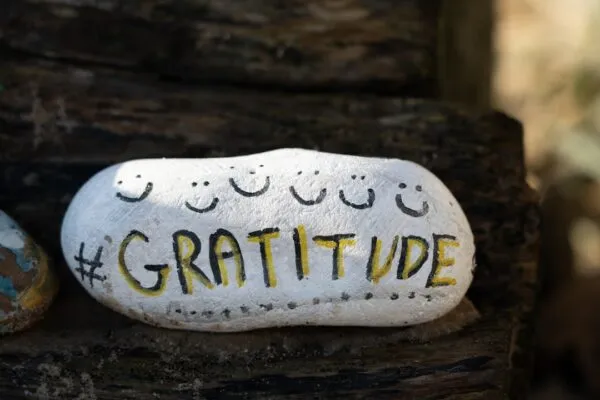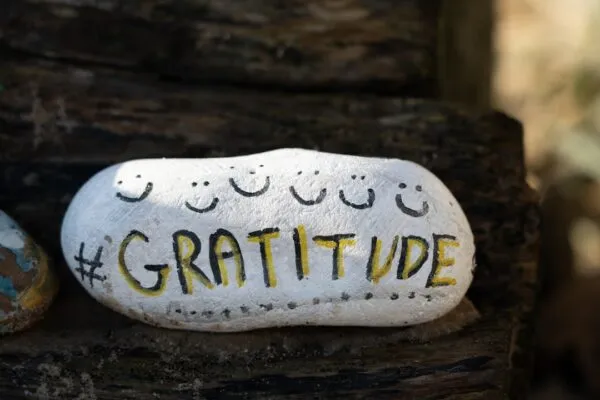
The cultivation of gratitude, a conscious appreciation for the positive aspects of your existence, serves as a fundamental cornerstone for the development of inner authority. This is not a matter of mere emotional pleasantry, but rather a systematic process that reconfigures your cognitive architecture, strengthens your relational capacities, and ultimately positions you as a more self-possessed and influential individual. You may perceive gratitude as a sentimental act, but in reality, it is a potent psychological tool, akin to a well-sharpened chisel, that carves out a more robust and resonant sense of self.
The practice of gratitude engenders a profound shift in your mental landscape, moving you from a reactive posture to one of proactive agency. This cognitive restructuring is not an ephemeral change, but a durable alteration in how you process information and engage with the world.
From Scarcity to Abundance: Reframing Your Perspective
Your default cognitive framework often operates from a lens of perceived scarcity. You identify what is missing, what is wrong, and what you lack. This mindset, while sometimes a survival mechanism, can trap you in a cycle of dissatisfaction and disempowerment. Gratitude acts as a powerful counter-agent by actively shifting your focus towards what you do possess.
- Identifying Resources: When you practice gratitude, you begin to catalog the resources available to you, both tangible and intangible. This includes not only material possessions but also supportive relationships, opportunities, skills, and even simple moments of peace. This cataloging process, often facilitated through practices like gratitude journaling, builds a mental inventory of your strengths and assets.
- The Availability Heuristic of Positives: Research in cognitive psychology suggests that the ease with which we can recall information influences our judgments. Gratitude practice trains your mind to readily access positive memories and present realities, effectively lowering the cognitive threshold for recognizing good things. This makes you less susceptible to the negativity bias, a common human tendency to overemphasize negative information.
- Challenging Limiting Beliefs: By consistently acknowledging the good, you begin to chip away at deeply ingrained negative beliefs about yourself and your circumstances. If you habitually focus on what you haven't achieved, it reinforces the belief that you are incapable. Conversely, acknowledging achievements, even small ones, and the factors that contributed to them, fosters a belief in your own efficacy.
Navigating Challenges with Enhanced Resilience
Gratitude does not eliminate challenges from your life, but it fundamentally alters your capacity to navigate them. Instead of being overwhelmed by adversity, you develop a more robust internal compass.
- The Buffer Effect: Studies on gratitude interventions, including journaling, have demonstrated a reduction in stress and depressive symptoms. This suggests that your appreciation for the positive acts as a psychological buffer, absorbing some of the impact of negative experiences. It is akin to building a more resilient armor, allowing you to withstand blows that might otherwise incapacitate you.
- Shifting from Survival to Creative Thinking: When you are solely focused on survival, your cognitive resources are consumed by immediate threats. Gratitude fosters a sense of security and well-being, freeing up mental bandwidth. This shift from a survival mode to a more creative and expansive mindset is crucial for problem-solving and innovation. You are better equipped to generate novel ideas when your basic needs for security and belonging feel met, even in part, through your appreciation.
- Reinterpreting Negative Events: Gratitude can facilitate a reframing of difficult situations. While you do not deny the hardship, you can also identify lessons learned, unexpected support received, or personal growth that emerged from the experience. This is not about toxic positivity, but about extracting agency and wisdom from what might otherwise be seen as purely destructive events.
The Social Amplification of Inner Authority
Your inner authority is not solely an internal construct; it is amplified and validated through your interactions with others. Gratitude plays a critical role in fostering positive social dynamics, which in turn reinforce your sense of self-worth and influence.
Generating Social "Buy-In" and Prosocial Behaviors
A grateful disposition is inherently attractive and conducive to building strong social connections. This is not about manipulation, but about naturally fostering goodwill.
- The Reciprocity Principle: The principle of reciprocity suggests that individuals tend to respond to others in kind. When you express gratitude, you are more likely to receive positive regard and assistance in return. This creates a virtuous cycle of mutual support and appreciation. This dynamic is not merely a transactional exchange; it is the foundation of strong, enduring relationships.
- Promoting Prosocial Behaviors: Research has linked gratitude practices to an increase in prosocial behaviors, such as helping others, offering support, and engaging in acts of kindness. When you acknowledge the good that others have done for you, you are more inclined to "pay it forward." This outward expression of your appreciation reinforces your commitment to positive social engagement.
- Building Trust and Rapport: Genuine expressions of gratitude are a powerful tool for building trust and rapport. When you acknowledge the contributions of others, you signal that you value them. This fosters a sense of mutual respect and understanding, which is essential for effective collaboration and leadership. Your perceived sincerity in expressing gratitude enhances the credibility of your other statements and actions.
Strengthening Interpersonal Bonds: The Power of Connection
Gratitude is a potent catalyst for deepening relationships, moving beyond superficial interactions to create meaningful connections.
- Combating Loneliness and Fostering Community: The sense of being alone or disconnected is a significant contributor to diminished well-being. Gratitude, particularly when framed as a connection to something larger than oneself (as seen in prayer-based gratitude), combats loneliness. By recognizing your place within a network of support, a community, or even a broader spiritual context, you affirm your belonging.
- The Network Effect of Appreciation: When you express gratitude within a group, it can have a ripple effect. Others may feel inspired to express their own gratitude, creating a more positive and collaborative atmosphere. This "network effect" of appreciation can transform a group dynamic, fostering a sense of shared purpose and mutual regard.
- Prayer-Based Gratitude and Deeper Bonds: While journaling is effective, research suggests that prayer-based gratitude can strengthen interpersonal bonds even more profoundly. This may be due to the inherent element of seeking a higher connection and acknowledging a source of support beyond the immediate self, which can in turn foster greater humility and acceptance of others' imperfections. This can lead to a more profound sense of shared experience and mutual reliance.
Gratitude as a Catalyst for Personal Agency and Change
Inner authority is intrinsically linked to your ability to take ownership of your life and drive your own growth. Gratitude provides the fertile ground for this agency to flourish.
Personal Agency: The Power to Shape Your Future
The concept of personal agency refers to your capacity to act independently and make your own free choices. Gratitude is not a passive emotion; it is an active engagement with your life that fosters this sense of control.
- From Victim to Agent: When you are not actively practicing gratitude, it is easy to fall into a victim narrative. External circumstances are seen as the primary drivers of your experience, leaving you feeling powerless. Gratitude shifts this narrative by highlighting your own capacity to perceive and appreciate, thereby exerting a form of internal control over your emotional state. This is a subtle but powerful reassertion of your autonomy.
- The Resolve for Change: Pairing gratitude with humility and resolve, particularly during periods of intentional change like the New Year, is a potent combination. Humility allows you to acknowledge your limitations and the contributions of others, while resolve empowers you to set goals and take action. Gratitude for what you have fuels the motivation to improve and grow, preventing your aspirations from being solely driven by dissatisfaction or envy.
- Empowering Well-being for Better Ideas: The link between gratitude and empowerment is direct. When you feel a sense of gratitude for your efforts and progress, you are more likely to feel capable of achieving further goals. This empowers you to step into leadership roles, whether personal or professional, with confidence. This enhanced sense of well-being directly translates into a greater capacity for creative problem-solving.
Embracing Humility and Openness to Growth
True inner authority is not about arrogance or dominance, but about confident self-possession coupled with a willingness to learn and adapt. Gratitude cultivates this essential humility.
- Acknowledging the 'Giver': Whether you perceive the source of your blessings as other people, nature, or a divine entity, gratitude inherently involves acknowledging that good things often come from external sources. This fosters humility by preventing you from taking sole credit for your successes and recognizing the interconnectedness of your achievements.
- Building Openness: Gratitude is a gateway to openness. When you are grateful for what you perceive, you are less likely to be defensive or resistant to new ideas or perspectives. This openness is crucial for learning, adaptation, and collaboration. It is like keeping the doors and windows of your mind ajar, allowing fresh air and new insights to enter.
- The Gratitude Network Fellowship Analogy: The announcement of leadership development programs like the Gratitude Network Fellowship in 2026 illustrates a practical application of this principle. Such initiatives recognize that fostering gratitude is integral to developing effective leaders. These individuals are likely to be more receptive to coaching, more collaborative, and better equipped to inspire others because they operate from a foundation of appreciative regard.
The Strategic Investment in Your Inner Compass
Your inner authority is your internal compass, guiding your decisions and actions. Gratitude is the investment you make in ensuring that this compass is accurate, reliable, and pointing you in the right direction.
Cultivating Self-Awareness Through Appreciation
The practice of gratitude is an exercise in metacognition, the awareness of your own thought processes. This heightened self-awareness is fundamental to building inner authority.
- Observing Your Internal Dialogue: By making a conscious effort to identify things for which you are grateful, you become more attuned to your internal dialogue. You begin to notice when your thoughts drift towards complaint or negativity, and you can then intentionally pivot towards appreciation. This observational skill is the first step towards managing your mental landscape.
- Understanding Your Triggers: Through consistent gratitude practice, you can gain a deeper understanding of what circumstances or internal states tend to lead you to feelings of discontent. Recognizing these triggers allows you to proactively implement gratitude as a coping mechanism, strengthening your ability to self-regulate.
- The "What if" of Neglect: Consider the alternative: a life devoid of gratitude. It is a landscape painted in shades of grey, where every deficiency is amplified and every small victory is overlooked. This lack of appreciation can lead to a fragmented sense of self, a constant chasing of external validation that leaves you perpetually feeling less than. Gratitude, conversely, brings vibrant color and definition to your internal world.
Sustaining Momentum and Long-Term Growth
Inner authority is not a destination, but an ongoing process of development. Gratitude provides the sustainable fuel for this continuous journey.
- The Cumulative Effect: The benefits of gratitude are cumulative. The more consistently you practice it, the more deeply ingrained these positive cognitive and emotional patterns become. This creates a robust foundation for enduring personal growth and a stable sense of inner authority. Think of it as building a strong, interconnected root system that can withstand external pressures.
- A Source of Intrinsic Motivation: Gratitude fuels intrinsic motivation. When you appreciate your progress, your efforts, and the lessons learned, you are driven by an internal sense of satisfaction rather than an external need for reward or recognition. This intrinsic drive is the hallmark of true self-leadership.
- The Ethical Dimension of Authority: True inner authority is often accompanied by a strong ethical compass. Gratitude, by fostering empathy and an appreciation for the interconnectedness of all things, can contribute to the development of this ethical framework. When you recognize the contributions of others and the systems that support you, you are more likely to act with integrity and consideration for the broader good.
In conclusion, the deliberate cultivation of gratitude is a strategic investment in your inner authority. It is a practice that reshapes your cognitive framework, strengthens your social connections, and empowers your personal agency. By consciously choosing to acknowledge and appreciate the positives in your life, you are not merely engaging in a pleasant exercise; you are actively constructing a more resilient, influential, and self-possessed individual. Your inner authority is best built not out of the bricks of constant striving for more, but out of the polished stones of appreciation for what you already possess and the goodwill you have received. This fundamental shift in perspective is the bedrock upon which enduring self-possession and impactful living are built.
FAQs
What is meant by "inner authority" in the context of gratitude?
Inner authority refers to a person's confidence and self-trust in their own values, decisions, and beliefs. It is an internal sense of guidance and strength that helps individuals navigate life with authenticity and resilience.
How does practicing gratitude contribute to building inner authority?
Practicing gratitude shifts focus toward positive aspects of life, fostering a mindset of appreciation and self-awareness. This positive outlook strengthens emotional regulation and self-confidence, which are key components of inner authority.
Can gratitude improve decision-making and self-trust?
Yes, gratitude enhances self-trust by promoting a balanced perspective and reducing negative self-criticism. This improved mindset supports clearer decision-making and reinforces confidence in one's choices.
Is there scientific evidence supporting the link between gratitude and inner authority?
Research in psychology indicates that gratitude practices can increase well-being, emotional stability, and self-esteem. These factors collectively contribute to a stronger sense of inner authority.
How can someone incorporate gratitude into their daily routine to build inner authority?
Individuals can keep a gratitude journal, regularly reflect on things they appreciate, express thanks to others, and practice mindfulness focused on positive experiences. Consistent gratitude exercises help cultivate inner strength and self-assurance over time.