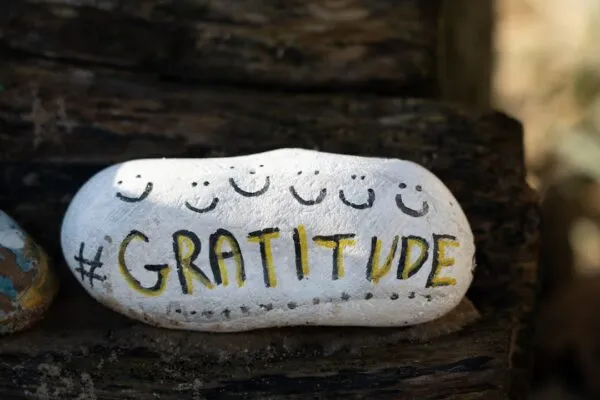
You might think of gratitude as a pleasant, fleeting emotion, a nice added bonus to life when things are going well. But when you delve deeper, especially with the insights provided by recent factual studies, you discover that cultivating a practice of gratitude is not merely an emotional indulgence. It is, in fact, a powerful, scientifically-backed tool for building robust mental resilience over time. This is an investment in your capacity to navigate the inevitable storms of life, emerging not just intact, but stronger.
Your brain is not a static entity; it is a dynamic landscape, constantly being remapped by your experiences and your intentional focus. Recent neuroscience, particularly studies from 2025, has begun to illuminate precisely how gratitude acts as an architect, remodeling your neural pathways for enhanced resilience.
Activating the Command Center for Emotional Regulation
When you consciously acknowledge and appreciate something, you are engaging the medial prefrontal cortex (mPFC). This region of your brain is a crucial hub for a variety of executive functions, including emotional regulation, empathy, and the development of a more nuanced understanding of your internal states and those of others. Think of the mPFC as the brain's command center, responsible for sophisticated decision-making and for modulating your emotional responses. Gratitude, by frequently stimulating this area, trains it to be more efficient. This means you become better equipped to process difficult emotions, to approach situations with greater equanimity, and to avoid being overwhelmed by stress.
Calming the Alarm System
Simultaneously, neuroscience suggests that gratitude practices can lead to reduced stress reactivity in the amygdala. The amygdala is your brain's innate alarm system, designed to detect and respond to threats. While essential for survival, a hyperactive amygdala can contribute to chronic anxiety and a constant state of alert. Studies indicate that regular gratitude practice can dampen the amygdala's exaggerated responses. This doesn't mean you become less aware of potential dangers, but rather that your brain learns to assess threats more accurately and to avoid the debilitating overreaction that can cripple your ability to think clearly and act effectively. It’s akin to adjusting the sensitivity of a smoke detector; you still want it to alert you to a fire, but you don’t want it to go off every time someone burns toast. This neuroplastic change, where your brain physically adapts to foster calmer responses, is the bedrock of long-term resilience.
The Neuroplastic Rewiring Process
The concept of neuroplasticity is central here. Your brain is not fixed in its wiring. Every thought you have, every action you take, can forge new connections or strengthen existing ones, while weakening others. Gratitude acts as a potent sculptor of this plasticity. By consistently directing your attention towards what you are thankful for, you are actively engaging and reinforcing the neural circuits associated with positive emotions and balanced emotional processing. Over time, these pathways become more prominent, more efficient, and more accessible. This creates a neural "highway" for resilience, making it easier for your brain to access these adaptive responses when faced with adversity.
In exploring the theme of gratitude and its impact on mental resilience, one can also appreciate how cultivating a positive environment contributes to overall well-being. An interesting article that complements this discussion is about home decor and the role it plays in enhancing our mood and mindset. You can read more about this in the article titled "Baskets to Add a Stylish Touch to Your Home Decor" found at this link. By surrounding ourselves with aesthetically pleasing and meaningful items, we can further reinforce feelings of gratitude and positivity in our daily lives.
The Leadership Advantage: Navigating Threats with Perspective
For leaders, whether in formal positions of authority or in guiding their own lives and families, the capacity for stress recovery and sustained performance is paramount. Gratitude research offers a compelling case for its role in enhancing these qualities, equipping you to face challenges with a steadier hand and a clearer mind.
Enhanced Sleep and Emotional Stability
One of the often-overlooked benefits of gratitude is its direct impact on fundamental physiological processes that underpin mental well-being. Regular gratitude practice has been shown to improve sleep quality. When your mind is less cluttered with worries and anxieties, and more inclined to reflect positively, your body can transition into rest more readily. Deeper, more restorative sleep is a cornerstone of resilience, providing your brain and body with the necessary time to repair and consolidate information. This improved rest directly contributes to greater emotional stability during waking hours. You are less prone to irritability, mood swings, and the feeling of being emotionally depleted.
Anxiety Reduction and Goal Persistence
The relationship between gratitude and anxiety is well-documented. By shifting your focus away from perceived lacks and towards acknowledged blessings, you actively counter the negative thought loops that often fuel anxious states. This doesn't mean that anxieties disappear entirely, but their grip loosens. Furthermore, gratitude fosters a sense of contentment that can fuel goal persistence. When you feel a sense of appreciation for what you have already achieved or the resources available to you, you are more likely to approach future goals with motivation, rather than feeling perpetually discouraged by the distance to be covered. Gratitude can act as an internal fuel source, propelling you forward even when the path is arduous.
Cognitive Perspective During Threats
During periods of crisis or threat, your cognitive perspective can become narrowed and dominated by fear. Gratitude, however, can act as a mental reset button. By consciously recalling aspects of your life for which you are thankful, you can broaden your perspective, reminding yourself of your strengths, your support systems, and your past successes in overcoming difficulties. This ability to shift perspective is crucial for problem-solving and for maintaining a sense of agency. Instead of being solely consumed by the immediate threat, you can access a wider frame of reference, allowing for more strategic and less reactive decision-making. This is like gaining a higher vantage point in a confusing landscape; you can see the whole terrain more clearly.
Youth Mental Health: Cultivating Optimism from an Early Age
The architecture of resilience is best built early. A review of 64 studies in youth mental health has provided compelling evidence that gratitude is not just an adult tool, but a vital component in fostering healthy emotional development in children and adolescents.
Reducing Symptoms of Anxiety and Depression
For young minds, the pressures of academic life, social dynamics, and the complexities of growing up can be significant stressors. The research indicates that gratitude practices can effectively reduce symptoms of anxiety and depression in this demographic. By teaching children and teens to identify and acknowledge positive aspects of their lives, you are equipping them with a natural buffer against the corrosive effects of negativity. This isn't about overlooking real problems, but about balancing them with an awareness of good.
Fostering Optimism and Flexible Thinking
Gratitude cultivates a disposition of optimism, which is a crucial predictor of mental well-being. When young people are encouraged to be grateful, they learn to anticipate positive outcomes and to see the good in their experiences. This optimism is intertwined with the development of flexible thinking. Children and teens who practice gratitude are more likely to adapt to new situations, to reframe challenges as opportunities, and to approach setbacks with a problem-solving mindset rather than succumbing to despair. This mental agility is a superpower for navigating an ever-changing world.
2026 Resolutions: The Power of Daily Practice
As you look towards future resolutions, consider integrating gratitude into your daily rhythm. The science is clear: consistent engagement with gratitude, particularly through simple practices like journaling, can significantly bolster your cognitive and emotional well-being.
Training Positive Neural Pathways
The concept of "practice makes perfect" holds a literal truth in the context of your brain. Daily gratitude journaling is a powerful method for training positive neural pathways. Each time you write down something you are thankful for, you are actively strengthening the neural connections associated with appreciation, contentment, and positive attributions. This consistent reinforcement can lead to a fundamental shift in your brain's default mode, making it easier to access positive thoughts and emotions. It's like repeatedly taking the same path through a forest; eventually, that path becomes well-trodden and easy to follow, while other, less-used paths may become overgrown.
Boosting Cognitive Flexibility
Beyond simply feeling good, the act of reflective gratitude has been shown to boost cognitive flexibility. When you regularly consider multiple perspectives and acknowledge the contributions of others, or the fortunate circumstances that support your life, you cultivate a more adaptable and expansive way of thinking. This flexibility allows you to approach problems from different angles, to consider alternative solutions, and to avoid getting stuck in rigid or negative thought patterns. This is particularly valuable when facing complex challenges that require innovative thinking.
Supporting Sustained Emotional Well-being
The modern pursuit of emotional well-being often focuses on immediate relief from negative states. However, true well-being is about sustainability. Daily gratitude practice offers a pathway to sustained emotional well-being by building an internal reservoir of positivity. It provides a consistent, reliable mechanism for buffering against stress, for appreciating the present moment, and for maintaining a sense of perspective. This approach moves beyond a reactive model of emotional management towards a proactive cultivation of inner strength and contentment.
In exploring the profound impact of gratitude on mental resilience, it is interesting to note how cultivating a grateful mindset can also enhance our appreciation for life's finer things. For instance, a related article discusses the significance of investing in high-quality jewelry from selected luxury brands, which can serve as a tangible reminder of the moments and people we are thankful for. This connection between gratitude and our experiences can further reinforce our emotional well-being. To learn more about this topic, you can read the article on high-quality jewelry here.
Community Resilience: Gratitude as a Social Connector
The strength of a community is often tested during times of hardship. While individual resilience is crucial, the interconnectedness of people through gratitude plays a vital role in collective fortitude and recovery.
Intertwining Individual and Communal Well-being
Gratitude is not an entirely solitary pursuit. Its practice can and often does intertwine with the well-being of the groups you belong to. When individuals practice gratitude, they often become more appreciative of the people around them – colleagues, family members, neighbors. This appreciation can foster stronger social bonds and a more supportive community atmosphere. When individuals feel recognized and valued, they are more likely to contribute positively to the collective. Conversely, a community that collectively practices gratitude can create a more positive and supportive environment for all its members, creating a virtuous cycle of well-being.
Improving Social Connections and Stress Recovery
The act of expressing gratitude, whether verbally or through actions, is a fundamental way of strengthening social connections. When you acknowledge the help or kindness of others, you affirm their value and reinforce your relationship. This can lead to a greater sense of belonging, which is a significant protective factor against stress and isolation. In times of communal challenge, strong social connections become invaluable resources for shared coping and mutual support. The ability to lean on and be leaned on, facilitated by a culture of gratitude, is a powerful mechanism for collective stress recovery.
Resilience Amidst Challenges
When a community faces adversity – be it economic hardship, natural disaster, or social upheaval – the presence of gratitude can significantly impact its ability to recover. A community that can find reasons to be thankful, even in difficult times, is more likely to maintain hope, to foster cooperation, and to implement solutions. This shared sense of appreciation can act as an adhesive, holding people together and motivating them to work towards a common recovery. It allows a community to look beyond the immediate pain and to identify the lessons learned, the support received, and the strengths that have emerged, thereby building a more resilient future.
In conclusion, the evidence is clear. Cultivating gratitude is far more than a pleasant sentiment. It is a strategic practice that can fundamentally reshape your neural architecture for greater emotional regulation, enhance your capacity for leadership by improving stress recovery and perspective, offer a vital tool for youth mental health by fostering optimism, and contribute to a more resilient future through daily commitment. By actively choosing to exercise gratitude, you are not just navigating through life; you are building a stronger, more adaptable self, capable of weathering any storm.
FAQs
What is mental resilience?
Mental resilience refers to the ability to adapt and recover quickly from stress, adversity, or challenging situations. It involves maintaining psychological well-being and functioning despite difficulties.
How does gratitude contribute to building mental resilience?
Gratitude helps build mental resilience by promoting positive emotions, reducing stress, and enhancing overall psychological well-being. Regularly practicing gratitude can shift focus away from negative experiences and foster a more optimistic outlook, which strengthens coping mechanisms over time.
Can practicing gratitude improve long-term mental health?
Yes, consistent gratitude practice has been shown to improve long-term mental health by increasing feelings of happiness, reducing symptoms of depression and anxiety, and enhancing emotional regulation, all of which contribute to stronger mental resilience.
What are some common ways to practice gratitude?
Common ways to practice gratitude include keeping a gratitude journal, regularly reflecting on things one is thankful for, expressing appreciation to others, and mindfulness exercises that focus on positive aspects of life.
Is gratitude effective for everyone in building mental resilience?
While gratitude is generally beneficial, its effectiveness can vary depending on individual circumstances and mental health conditions. However, most people experience positive effects from gratitude practices when incorporated consistently into their daily routine.