We often experience gratitude and happiness as intertwined, like two closely related colors on a painter's palette, frequently appearing together in our emotional landscape. Yet, upon closer examination, we discover that these two states, while deeply connected, possess distinct textures, hues, and effects. Understanding this differentiation allows us to appreciate the unique power of each and harness their respective benefits more effectively. We will explore these distinctions, drawing upon observations of our own internal experiences and the wider scientific understanding of these profound human emotions.
Before we can differentiate, we must first establish a working definition for each. Happiness, in its broadest sense, can be understood as a state of well-being characterized by positive emotions. It is a feeling, often transient, of joy, contentment, and satisfaction with life. It is the warmth of the sun on our skin, a moment of delight, or the general sense that things are going well.
Happiness as a Subjective Experience
Happiness is intrinsically a subjective experience, a personal evaluation of one's life. We might feel happy when we achieve a goal, spend time with loved ones, or engage in activities we find pleasurable. It is often associated with what is happening to us or what we are doing. The focus tends to be on the present moment’s positive sensations or future expectations of positive outcomes.
Gratitude as a Relational Affiliation
Gratitude, however, is rooted in recognition and appreciation for benefits received. It is an acknowledgment of the good things in our lives, often in relation to others or to forces beyond ourselves. It is not merely a feeling but an attitude, a way of perceiving the world. While happiness can be a solitary experience, gratitude inherently involves a connection – to a giver, to a circumstance, or even to a broader sense of existence. It is the quiet whisper of thanks that follows a kindness, the deep sense of appreciation for a challenge overcome with support, or the profound recognition of the intricate web of life that sustains us.
In exploring the nuances of emotional experiences, the article "Why Gratitude Feels Different Than Happiness" delves into the distinct psychological benefits of gratitude compared to fleeting happiness. For those interested in how daily habits can influence our emotional states, a related article on the impact of coffee on our routines can provide further insights. You can read more about this connection in the article available at How Coffee Shapes Your Daily Routine.
The Nuance of Experience: How Each Feels
The subjective feel of happiness and gratitude, while both positive, differs significantly. Imagine happiness as a vibrant, effervescent champagne bubble rising in your chest, sparkling and light. Gratitude, on the other hand, is more akin to the deep, resonant hum of a cello, a grounding and sustained vibration that settles within us.
The Temporal Nature of Happiness
Happiness can be fleeting. It can arise suddenly in response to a positive event – a promotion, a delightful meal, a funny joke. This ephemeral quality means that while enjoyable, it may not always provide a lasting foundation for well-being in the same way that gratitude can. The intensity of a happy moment can be high, but the duration can be short, leaving us searching for the next stimulus.
The Sustained Quality of Gratitude
Gratitude, by its very nature, tends to be more enduring. The act of consciously acknowledging and appreciating sources of good can cultivate a lasting perspective. This is not to say that one never feels fleeting joy as a byproduct of gratitude, but the underlying state of appreciation is more of a steady ember than a momentary flare. It is a disposition that colors our perception over time, weaving a tapestry of positive regard for the world.
Cognitive and Emotional Pathways: The Brain's Differential Response
Our brains, the intricate engines of our emotional lives, process happiness and gratitude through distinct, though often overlapping, neural pathways. This difference in activation sheds light on why these states feel and function so differently.
Happiness and Reward Pathways
Happiness is often associated with the brain's reward system, involving neurotransmitters like dopamine. When we experience something pleasurable or achieve a desired outcome, these pathways are activated, leading to feelings of pleasure and reinforcement. This is akin to receiving a delightful treat that satisfies an immediate craving.
Gratitude and Social-Cognitive Processing
Gratitude, however, engages broader networks, including areas associated with social cognition, empathy, and learning. Studies suggest that gratitude activates regions of the brain involved in understanding intentions and recognizing the contributions of others. This suggests that gratitude is not just about feeling good; it involves a more complex cognitive appraisal of our circumstances and our relationships. It is like learning to read a complex score, understanding the interplay of different instruments that create a harmonious whole, rather than simply enjoying the melody.
The Broaden-and-Build Effect of Gratitude
Research in positive psychology has highlighted the "broaden-and-build" theory, which suggests that positive emotions, including gratitude, broaden our thought-action repertoires and build our psychological resources. While happiness might lead to a more focused appreciation of a specific positive event, gratitude appears to foster a more expansive and adaptive mindset. It can shift us into a "growth state," where we are more open to new experiences, more resilient in the face of adversity, and more inclined to connect with others. This contrasts with the often narrowed focus that can accompany states of frustration or even some forms of immediate pleasure, which might be more about attaining or savoring.
Behavioral and Health Implications: Beyond the Feeling
The divergence between gratitude and happiness extends beyond our subjective feelings and cognitive processing to influence our behavior and our long-term health. The effects are not merely about feeling good, but about being better.
Happiness and Hedonic Adaptation
While happiness is desirable, we are susceptible to a phenomenon known as hedonic adaptation. This means that we tend to return to a baseline level of happiness after experiencing a significant positive or negative event. The thrill of a new car, the joy of a promotion – these can fade over time as we grow accustomed to them. This underscores that chasing happiness alone can be like trying to catch a perpetually receding horizon.
Gratitude's Role in Resilience and Well-being
Gratitude, conversely, appears to buffer against the effects of hedonic adaptation. By continually appreciating the good, we maintain a positive outlook that can sustain our well-being even when external circumstances fluctuate. It acts as an anchor, providing stability amidst the shifting tides of life. This can manifest in numerous ways, from improved sleep quality and cardiovascular health to reduced levels of stress hormones like cortisol.
Physiological Benefits Independent of Mood
The health benefits associated with gratitude are particularly striking because they often manifest independently of baseline happiness levels. This suggests that gratitude is not simply a symptom of a happy disposition but a cause of tangible physiological improvements. Some research indicates that gratitude may contribute to rewiring neural pathways involving dopamine and serotonin, the very neurotransmitters that underpin mood regulation. This is like tending to the very roots of a plant, ensuring its long-term health and vigor, rather than just admiring its blossoms.
In exploring the nuances of emotional experiences, it's intriguing to consider how gratitude feels distinct from happiness. While happiness often stems from external circumstances, gratitude can emerge from a deeper appreciation for what we have. This concept is beautifully illustrated in a related article that discusses the significance of personal style and how it can evoke feelings of gratitude and contentment. You can read more about this connection in the article on the brown winter coat as a new style staple.
The Distinctive Contributions to Life Satisfaction
When we consider the overarching construct of life satisfaction, both happiness and gratitude play crucial roles, but as distinct contributors. Imagine life satisfaction as a well-furnished room; happiness might be akin to the comfortable armchair, providing immediate enjoyment, while gratitude is the sturdy bookshelf, filled with a rich collection that supports and enriches the entire space.
Happiness as a Measure of Positive Moments
Happiness, in this context, often reflects the summation of positive moments and feelings experienced over a period. It's the tally of joyful experiences, contented sighs, and moments of exhilaration. It's the bright, momentary flashes that illuminate our days.
Gratitude as a Framework for Appreciation
Gratitude, on the other hand, provides a framework for appreciating all aspects of our lives, not just the overtly pleasurable ones. It allows us to find value and lessons even in challenges, to acknowledge the support systems that surround us, and to recognize the inherent goodness that exists, even when we are not experiencing intense joy. This cultivated appreciation fosters a deeper, more robust sense of contentment and meaning, acting as a consistent source of sustenance.
In exploring the nuances of emotional experiences, the article "Why Gratitude Feels Different Than Happiness" highlights how gratitude can foster deeper connections and a sense of fulfillment that differs from the fleeting nature of happiness. For those interested in understanding how our daily habits can influence our overall well-being, a related article discusses the effects of moderate wine consumption on the body. You can read more about this intriguing connection in the article What a Glass of Wine a Day Does to Your Body.
Cultivating Both: A Synergistic Approach
Recognizing the differences between gratitude and happiness is not about pitting them against each other, but about understanding their complementary strengths. We can cultivate both, allowing them to interact and enhance one another, creating a richer and more resilient emotional life.
Deliberate Practices for Both States
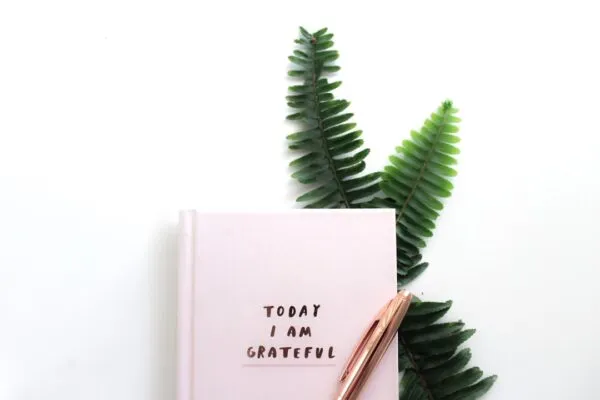
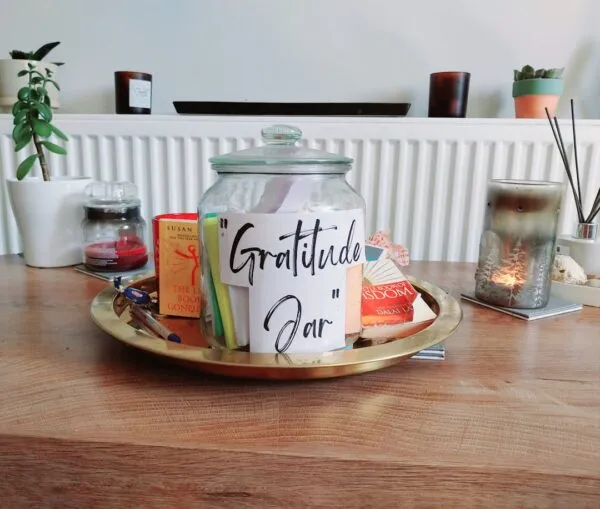
We can actively engage in practices that foster both happiness and gratitude. For happiness, this might involve pursuing enjoyable activities, spending time with loved ones, and setting and achieving meaningful goals. For gratitude, it can involve maintaining a gratitude journal, expressing thanks to others, and practicing mindfulness to appreciate the present moment.
The Interplay and Mutual Reinforcement
Interestingly, the practice of gratitude can often lead to increased happiness. As we acknowledge the good in our lives, we naturally feel more positive emotions. Conversely, moments of happiness can make it easier to recognize and appreciate the sources of our joy and the people who contribute to it. They are not mutually exclusive but can exist in a virtuous cycle, each fueling the other. By consciously nurturing both these emotional states, we build a more comprehensive and enduring foundation for our well-being, a life that is not just punctuated by moments of joy but deeply imbued with a sense of profound appreciation.
FAQs
What is the main difference between gratitude and happiness?
Gratitude is a feeling of thankfulness and appreciation for what one has, while happiness is a broader emotional state characterized by feelings of pleasure, contentment, or joy. Gratitude often focuses on recognizing positive aspects or kindnesses, whereas happiness can arise from various sources, including achievements, relationships, or experiences.
How does gratitude impact mental health compared to happiness?
Gratitude has been shown to promote positive mental health by increasing feelings of connectedness, reducing stress, and enhancing overall well-being. While happiness also contributes to mental health, gratitude specifically encourages a reflective and appreciative mindset, which can lead to longer-lasting emotional benefits.
Can practicing gratitude lead to increased happiness?
Yes, regularly practicing gratitude can lead to increased happiness. By focusing on positive aspects of life and acknowledging what one is thankful for, individuals often experience enhanced mood and greater life satisfaction, which contributes to overall happiness.
Is gratitude considered a temporary emotion or a lasting state?
Gratitude can be both a temporary emotion and a lasting state. Momentary feelings of gratitude arise in response to specific events, while cultivating a habitual practice of gratitude can develop into a more enduring mindset or disposition.
Why might gratitude feel different from happiness in social interactions?
Gratitude often involves recognizing the actions or kindness of others, which can strengthen social bonds and foster feelings of connection. Happiness, while it can be social, is not necessarily tied to interpersonal recognition. This focus on appreciation in gratitude can make it feel more relational and purposeful compared to the broader experience of happiness.