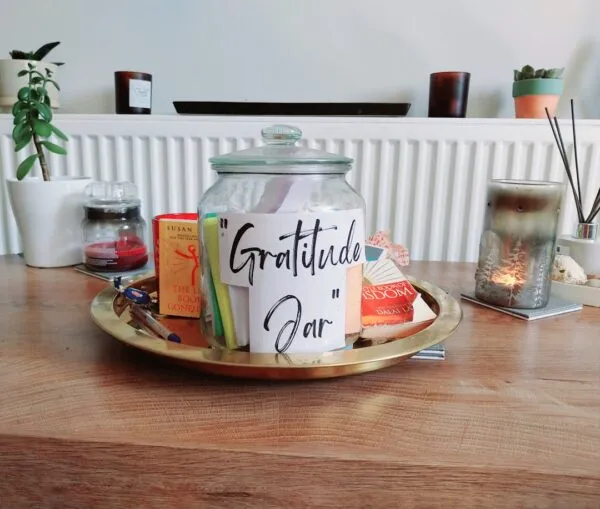
Gratitude often surfaces not as a vibrant explosion of joy, but as a quiet hum of contentment, a soft exhale after a period of tension. You might expect to feel a rush, a surge of exhilaration akin to winning the lottery or achieving a long-sought goal. Instead, what you experience is more like the easing of a tight knot in your chest, the lifting of a burden you didn’t fully realize you were carrying. This essay will explore why this phenomenon occurs, distinguishing gratitude’s feeling from that of excitement and examining the psychological underpinnings that shape your emotional response.
When you engage in gratitude practices, whether through journaling, mindful reflection, or expressing thanks to another, you are often greeted by a complex emotional tapestry. While feelings of upliftment and connection are certainly present, they are frequently accompanied by other, less immediately appealing sensations: indebtment, a sense of obligation, and sometimes, even a twinge of guilt. This observation is supported by research [1], which indicates that gratitude exercises do not elicit purely positive affective states. Instead, they reflect a mix, a nuanced emotional cocktail that differentiates them from the singular, high-energy burst associated with pure excitement.
The Shadow of Indebtedness
Consider the feeling of receiving a significant gift or a substantial favor. While the initial thought might be one of pure pleasure, a sotto voce murmur often accompanies it: "How will I ever repay this?" This internal calculation, this awareness of an imbalance, is a core component of indebtedness. Gratitude, in this context, can feel like acknowledging a debt owed, a promissory note signed, albeit implicitly. This is not to say it is a negative experience, but it is a more complex one than simply feeling good. It is an awareness of connection and interdependence that carries with it a sense of responsibility.
The Uncomfortable Gaze of Guilt
Similarly, guilt can emerge when your gratitude is tinged with the knowledge that others are suffering or that you are receiving good fortune while others are not. This is particularly true in situations where your fortune is a result of circumstances beyond your control, or when your relief comes at the expense of someone else's hardship. The "luck of the draw" scenario, where you acknowledge your good fortune, can simultaneously trigger a sense of unease because others weren't as fortunate. This dissonance between your positive feelings and the acknowledgment of others' less desirable circumstances can temper the pure elation you might otherwise expect.
The Social Fabric of Feeling
It's crucial to understand that gratitude is an inherently social emotion. It often arises in the context of our relationships with others, or in recognition of the systems and circumstances that support our well-being. This social dimension means that gratitude is not solely about your internal state of pleasure; it involves an awareness of the broader human landscape, which can introduce a spectrum of emotions beyond unadulterated joy. The feeling of being a part of a community, while often positive, can also carry the weight of shared burdens and mutual obligations.
In exploring the emotional landscape of gratitude, the article "Why Gratitude Feels Like Relief, Not Excitement" provides valuable insights into how gratitude can manifest as a sense of relief rather than pure excitement. This concept is further elaborated in a related piece that discusses the psychological benefits of gratitude in everyday life. For more information on this topic, you can read the article here: Understanding the Role of Gratitude in Emotional Well-Being.
Gratitude as an Interruption of Powerlessness
Another key reason why gratitude often feels like relief rather than excitement lies in its capacity to interrupt cycles of powerlessness [2]. Think of yourself caught in a loop of negative thoughts, anxieties, or perceived limitations. You feel stuck, like a small boat adrift in a storm. Gratitude, in this scenario, acts as an anchor, a stabilizing force that interrupts the relentless current of negativity. It doesn't necessarily conjure a sunny day, but it can calm the rough seas, allowing you to find a moment of respite.
Breaking the Chains of Negativity
When you are overwhelmed by challenges, your cognitive resources can become consumed by problem-solving and worry. Gratitude offers a mental pivot, a deliberate shift in focus. By directing your attention to what you do have, to what is going well, you effectively block or at least diminish the impact of the negatives. This blockage isn't about denial; it's about a strategic redirection of mental energy. The relief you feel is the release from the exhausting grip of constant worry. It's like finding a clear stream in a dense forest – not a destination, but a refreshing pause on a difficult journey.
The Agency of Appreciation
Gratitude bolsters your sense of agency and self-worth [2]. When you recognize that good things are happening to you, and that you are capable of experiencing and appreciating these things, you reclaim a sense of control. This is particularly important when you feel helpless or marginalized. The feeling of "I can appreciate this" is a powerful assertion of self in the face of circumstances that might otherwise make you feel insignificant. This boost in self-worth is not the frantic energy of excitement, but the steady assurance of competence and value.
Celebrating Presence Amidst Pain
Gratitude allows you to celebrate the present moment, even when it is not perfect. It is about acknowledging the good that exists alongside the bad, rather than waiting for a future state of unadulterated happiness. This is a profound source of relief because it frees you from the perpetual expectation that things must be perfect to be worthy of appreciation. The relief comes from the realization that joy and contentment are accessible, even in imperfect circumstances, alleviating the pressure to achieve an unattainable ideal.
The Pressure Cooker of Gratitude: When It's Forced
The concept of "Gratitude Pressure" [3] highlights why the forced performance of gratitude can feel so detrimental. When you feel compelled to be grateful, perhaps by societal expectations or self-imposed ideals, it can backfire spectacularly. This artificial imposition of positivity can paradoxically tighten your emotional state, breeding guilt and shame precisely because you are not experiencing the unbridled excitement that you believe genuine gratitude should entail.
The Disconnect from Authentic Feelings
Imagine being told you must feel ecstatic about a situation that evokes more ambivalence. This is the essence of gratitude pressure. While external cues might suggest you should be overjoyed, your internal landscape might tell a different story. Forcing yourself to express or feel gratitude in such instances creates a dissonance between your outward performance and your inner reality. This disconnect is a significant source of emotional strain, leading to a feeling of inauthenticity. The relief sought through gratitude is thus replaced by the discomfort of emotional performance.
The Cycle of Guilt and Shame
When you are unable to conjure the expected effervescence of gratitude, especially under pressure, guilt and shame can easily follow [3]. You might feel inadequate because you haven't met what you perceive as the "gratitude standard." This can lead to a vicious cycle: the pressure to be grateful leads to a lack of genuine feeling, which in turn leads to guilt, which further intensifies the pressure. The desired feeling of relief is thus supplanted by the crushing weight of self-recrimination.
The Permission Pivot: Reclaiming Honest Appreciation
Tools like the "Permission Pivot" [3] offer a way to navigate this terrain. This approach encourages granting yourself permission to experience your authentic emotions, even when they are mixed. It involves acknowledging the complexity of a situation and allowing for honest appreciation without denying any pain or discomfort. This allows for a more genuine form of gratitude to emerge, one that is not performance-based but is rooted in a recognition of what is good, however small, amidst the broader spectrum of your experience. This honest appraisal, free from the burden of forced positivity, is often felt as a profound relief.
Gratitude as a Shield Against Harm: The Relief of Not Being Else
Perhaps the most potent reason why gratitude feels like relief, rather than an exuberant rush, is its deep connection to the avoidance of harm. Consider the metaphor of narrowly escaping a falling object. The immediate aftermath is not typically a burst of laughter and celebration, but a wave of shaky relief that you are unharmed. Gratitude often functions in a similar, albeit less dramatic, fashion. It is the acknowledgment that you have avoided a negative outcome, a difficult situation, or continued hardship.
The Absence of Threat
When you express gratitude for your health, for example, it is often because you have experienced illness or seen others suffer. The gratitude arises not from a state of perfect well-being in the abstract, but from the specific relief that you are not currently experiencing sickness. This is a powerful emotional state, but it is characterized by the cessation of a threat, the lifting of an imminent danger. This is fundamentally different from the desire for a positive experience that fuels excitement.
Masking Effects in Emotional Aggregates
Research [1] suggests that when we aggregate emotional measures, the nuance of mixed emotions within gratitude can be masked. The overall positive valence might be registered, but the underlying components of relief, acknowledgement of past hardship, or even a sense of lingering caution can be smoothed over. This means that for the individual experiencing gratitude, the subjective feeling of relief might be very pronounced, even if aggregate data points towards a generally positive emotional state. You feel the quiet settling of your system, the quieting of internal alarms, rather than a call to arms for further engagement.
The Value of Stability Over Stimulation
Excitement is often associated with novelty, anticipation, and a heightened state of arousal. Gratitude, conversely, is more about appreciating what is stable, what is present, and what has been preserved. The relief you experience is the comfort of knowing that things are, for the moment, okay. It is the deep exhale that signifies the absence of immediate danger or ongoing distress. This is a fundamental human need – the need for security and stability – and gratitude taps directly into this need, offering a profound sense of peace that is far removed from the agitated state of excitement.
In exploring the emotional nuances of gratitude, it's interesting to consider how it can often manifest as a sense of relief rather than pure excitement. This perspective is beautifully illustrated in a related article that discusses the impact of gratitude on our daily lives and its connection to personal style choices. For those curious about how gratitude influences our perceptions and decisions, you can read more about it in this insightful piece on fashion and emotional well-being. Check it out here.
The Metaphor of the Calm After the Storm
To further illustrate, think of the feeling you experience after weathering a significant storm. The wind may have died down, the rain may have stopped, and the sun might even be peeking through the clouds. Your initial response is not to run out and engage in a spirited dance of joy. Instead, it is a profound sense of peace, a quiet gratitude for the fact that the storm has passed and you are safe. This is the essence of how gratitude often feels. It is the recognition that a period of turbulence has subsided, and you are left with the quiet hum of normalcy and safety.
The Gradual Unfurling of Contentment
While excitement is often a sudden surge, gratitude unfurls gradually. It is a slow settling of the soul, a gradual recognition of the good that surrounds you. It is not the lightning strike of revelation, but the steady glow of embers, providing warmth and light. You might notice it in the simple acts of your day – the taste of your morning coffee, the comfort of your home, the presence of loved ones. These are not typically sources of explosive excitement, but they are the bedrock of contentment, and gratitude allows you to fully inhabit and appreciate them.
The Gentle Weight of Well-Being
Instead of the light, airy feeling of exhilaration that accompanies excitement, gratitude can sometimes carry a gentle, grounded weight. This is the weight of knowing you are cared for, that you are supported, or that you have overcome challenges. It is a grounding sensation, a reassuring presence that anchors you to the present moment and to the good things in your life. This groundedness, this sense of secure footing, is a significant part of why gratitude feels like relief – it is the feeling of being firmly planted, rather than being swept away.
In exploring the emotional nuances of gratitude, it's interesting to consider how it can often feel like relief rather than excitement. This concept is further illuminated in a related article that discusses the impact of daily habits on our well-being. For those curious about how simple actions, like enjoying a glass of wine, can influence our body and mind, you can read more about it here. Understanding these connections can deepen our appreciation for the small moments that bring us comfort and joy.
Conclusion: The Quiet Strength of Appreciation
You can see, then, that the feeling of gratitude is complex and deeply rooted in human psychology and social interaction. It is not a simple eruption of joy, but a multifaceted emotional response that often presents itself as relief rather than excitement. This distinction is vital because it helps you understand your own emotional landscape more accurately. By recognizing that gratitude’s power lies in its ability to interrupt negativity, bolster agency, and provide solace from the potential for harm, you can cultivate a more authentic and profound appreciation for the good in your life. Embracing gratitude’s quiet strength, its capacity for relief, allows you to navigate life’s challenges with a greater sense of peace and resilience, celebrating presence amidst pain and finding contentment in the steady hum of appreciation.
FAQs
What is gratitude and how is it generally experienced?
Gratitude is the feeling of thankfulness and appreciation for what one has or receives. It is often experienced as a warm, positive emotion that fosters a sense of connection and well-being.
Why does gratitude feel more like relief than excitement?
Gratitude often feels like relief because it arises from recognizing the absence of negative outcomes or the presence of support and kindness, which can alleviate stress or worry. Unlike excitement, which is linked to anticipation and high arousal, gratitude is typically a calmer, more reflective emotion.
How does the brain respond to feelings of gratitude?
Neuroscientific studies show that gratitude activates brain regions associated with moral cognition, reward, and social bonding, such as the prefrontal cortex and the anterior cingulate cortex. This activation promotes feelings of safety and contentment, which align more with relief than with the high-energy state of excitement.
Can practicing gratitude improve mental health?
Yes, regularly practicing gratitude has been shown to reduce symptoms of depression and anxiety, increase happiness, and improve overall psychological well-being by fostering positive emotions and reducing stress.
Is gratitude always a positive experience?
While gratitude is generally positive, it can sometimes be complex. For example, feeling grateful out of obligation or in response to negative situations may not produce the same relief or positive effects. However, authentic gratitude typically contributes to emotional resilience and social connection.